


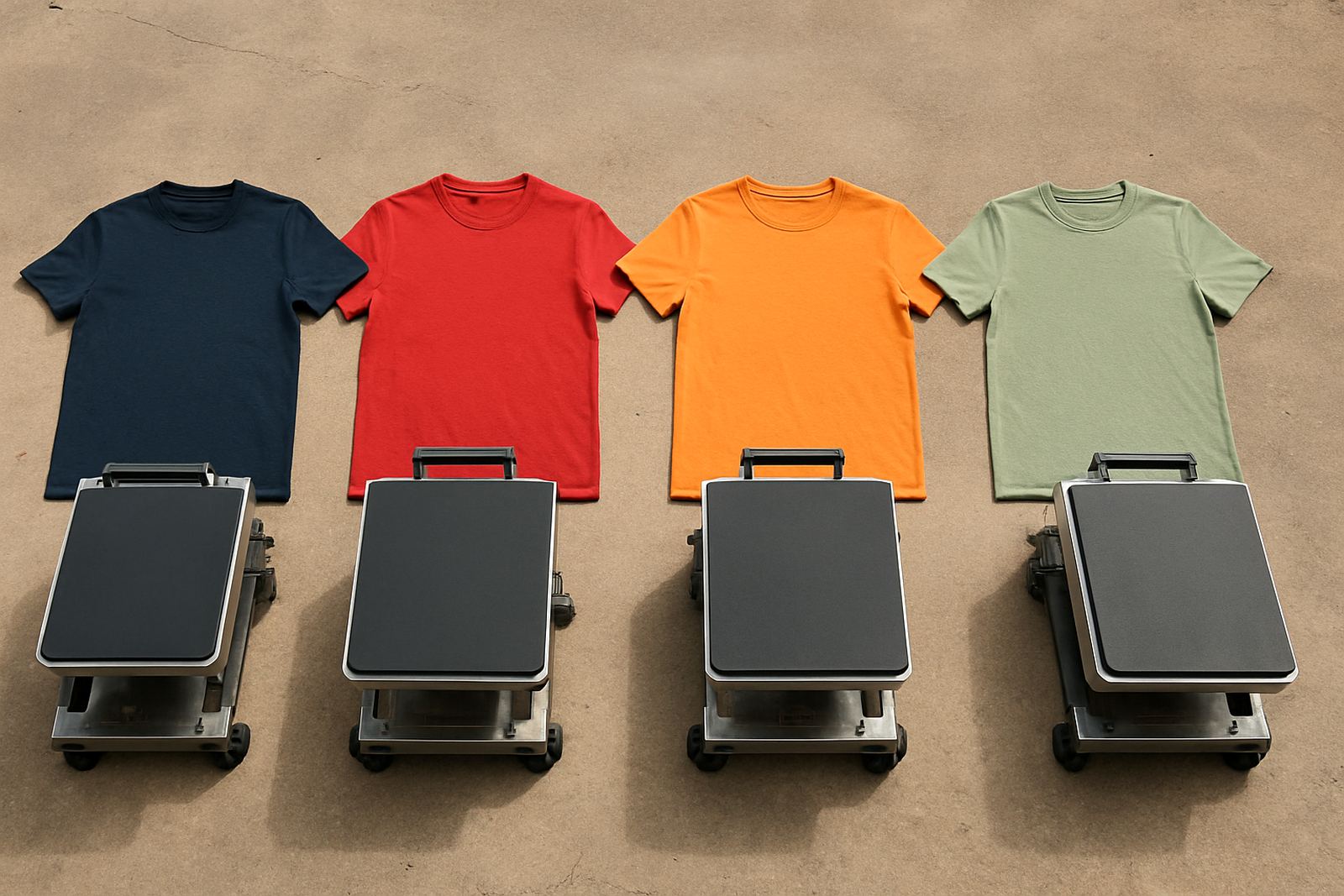
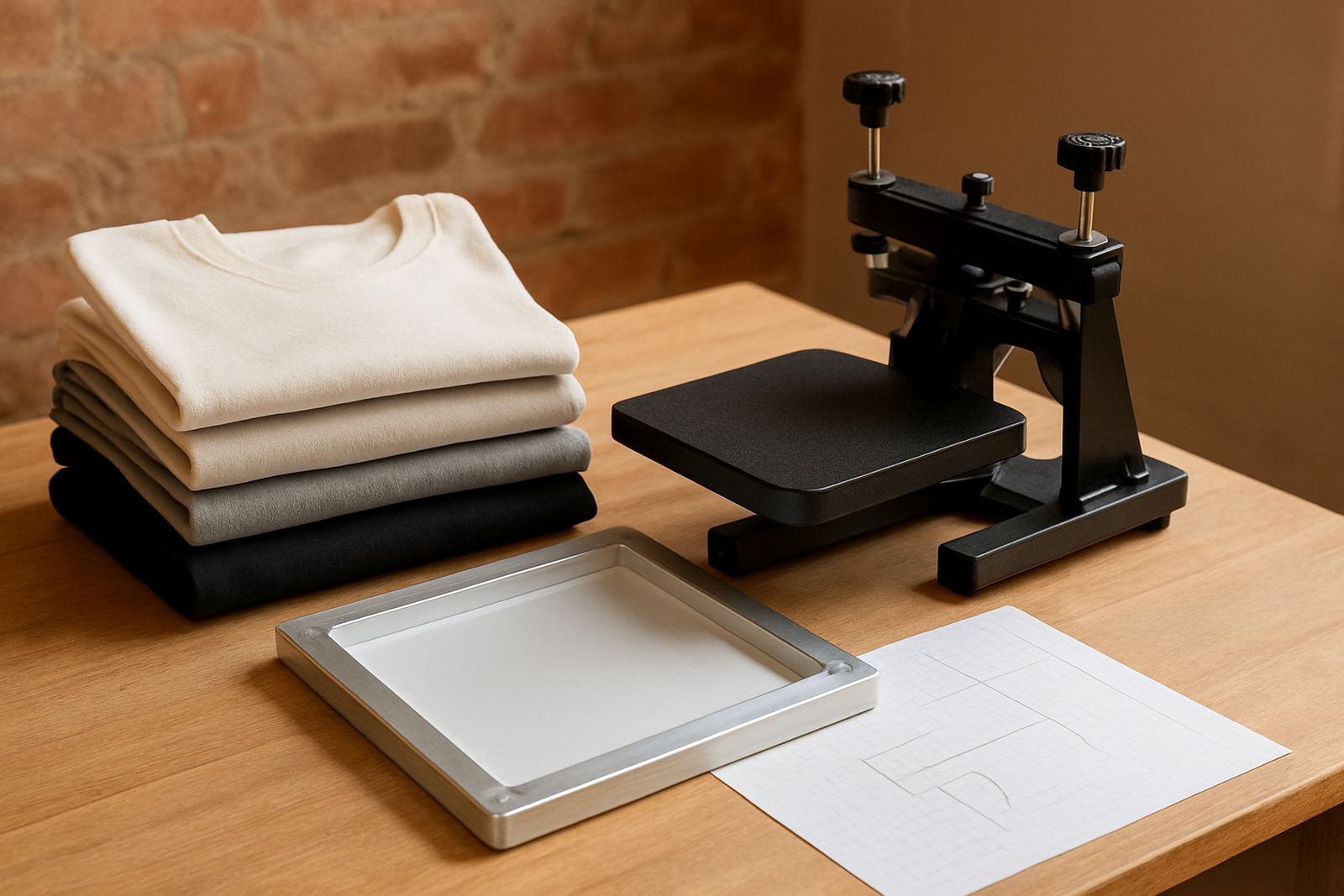
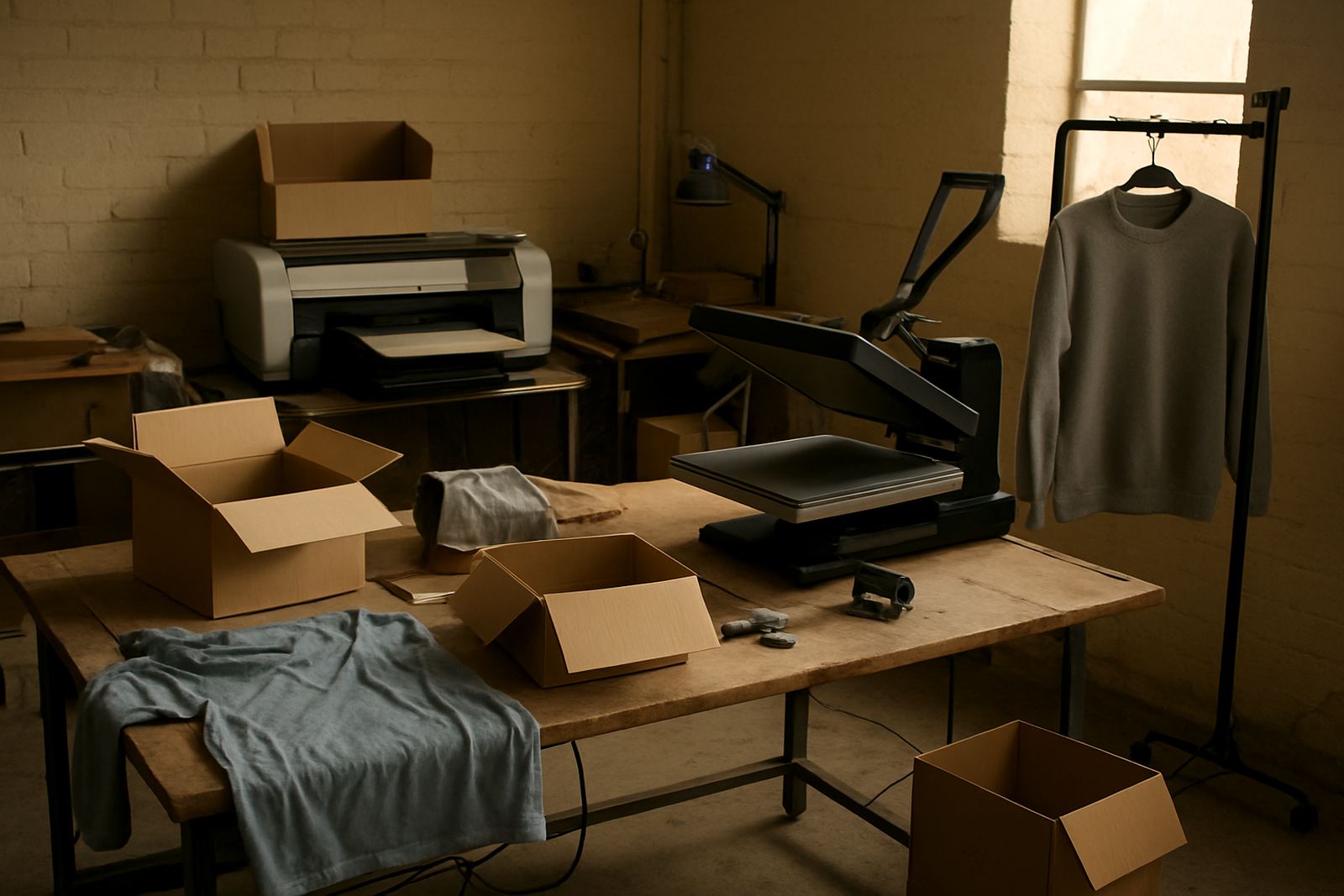
Choosing the Right Platen for the Job
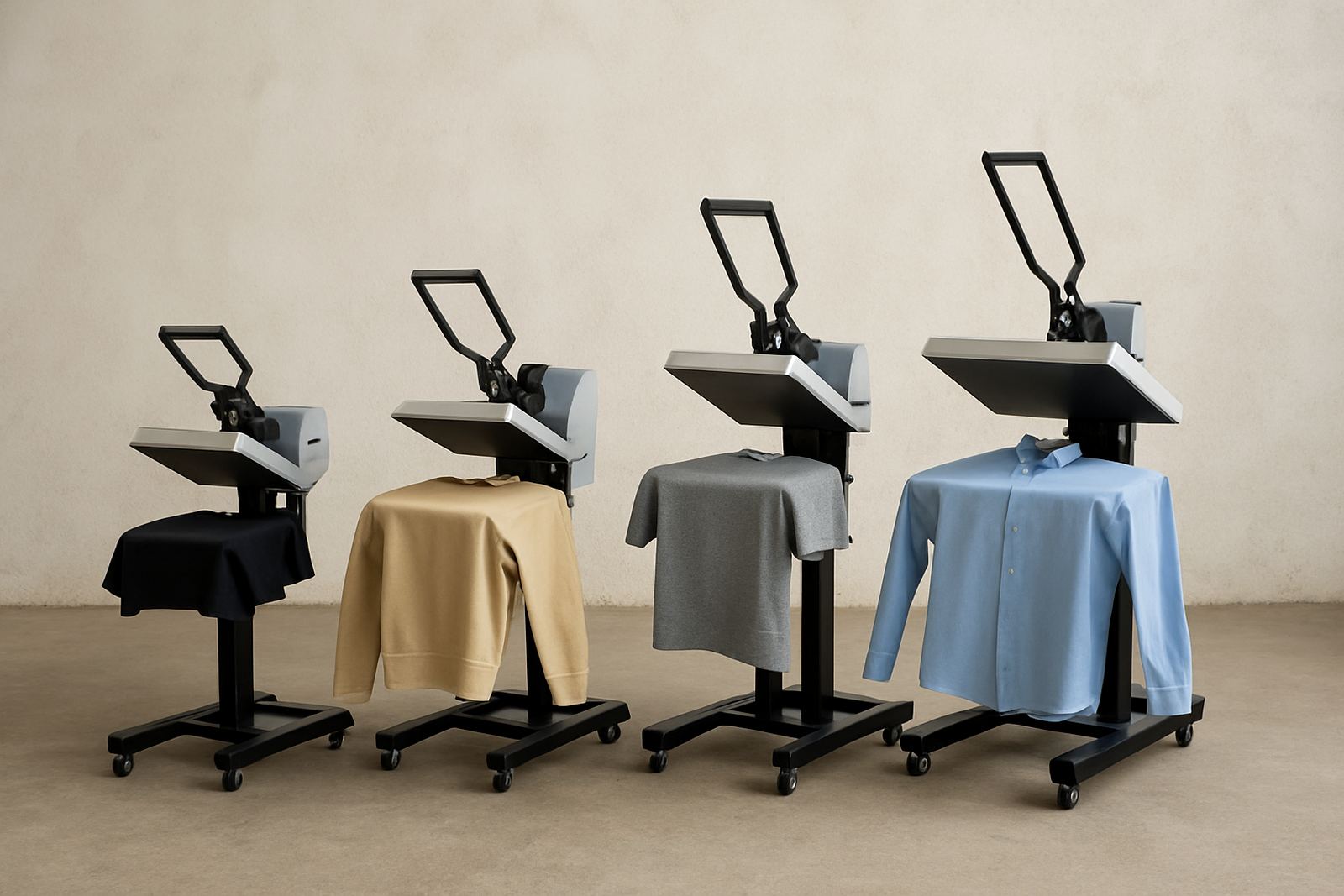
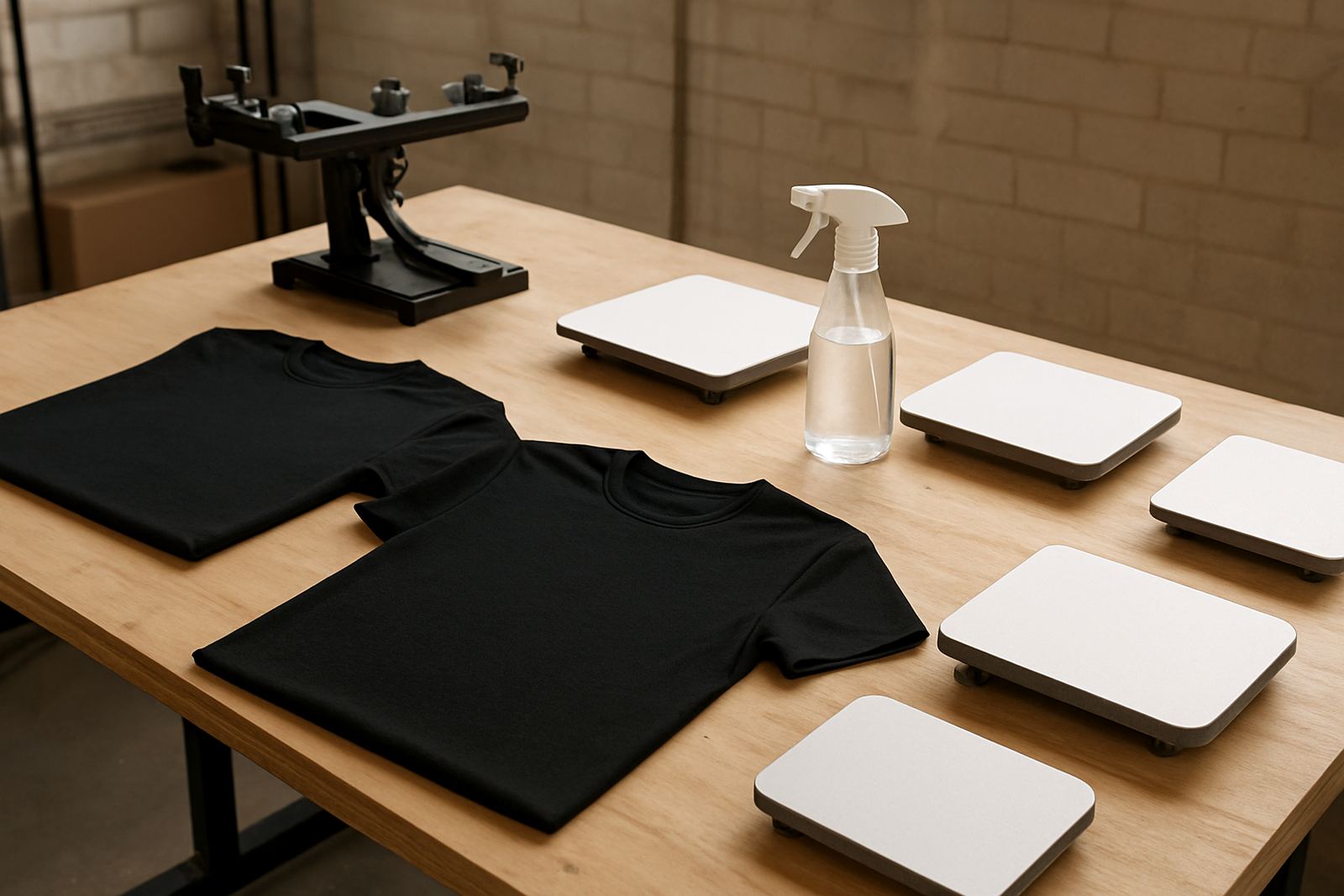
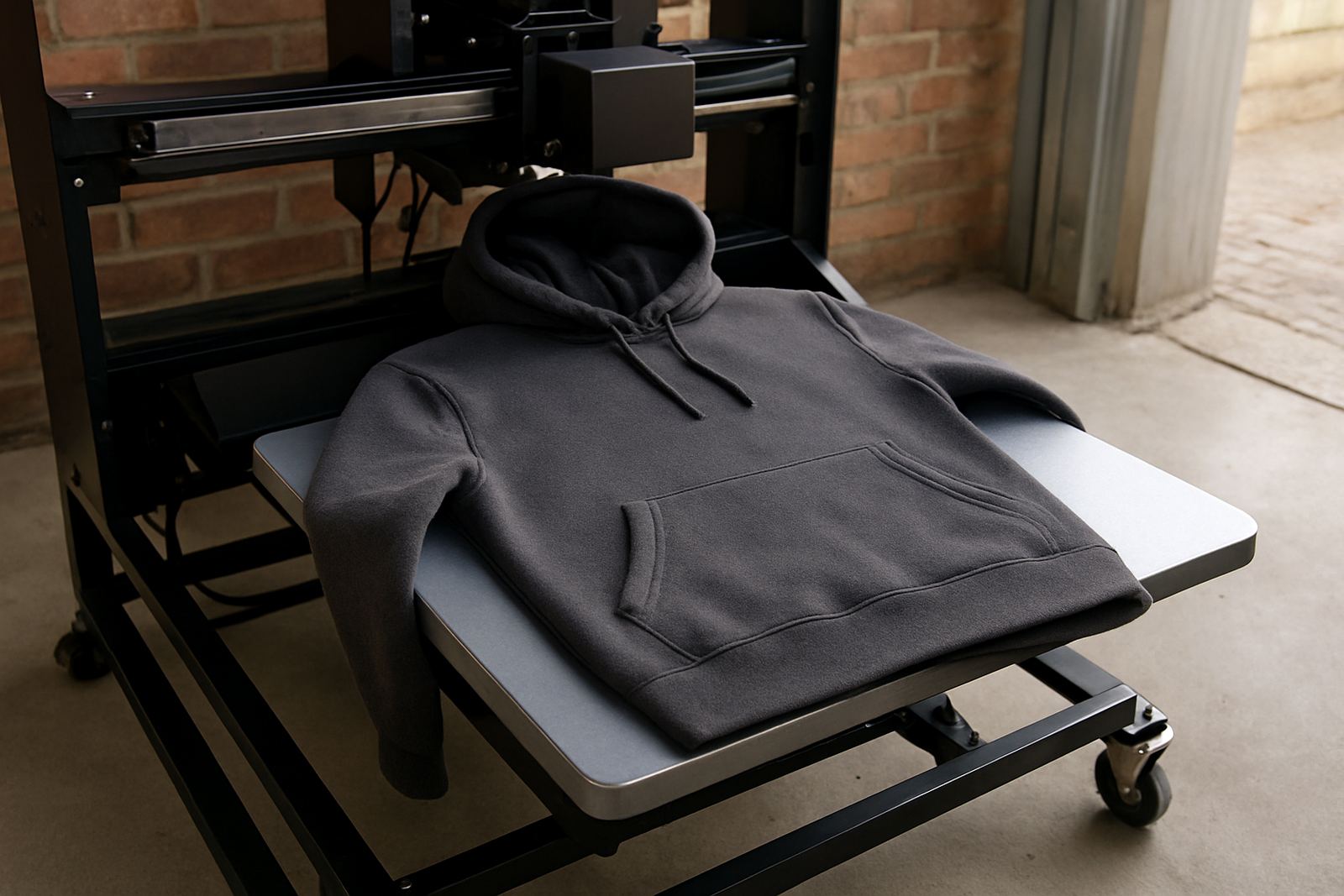
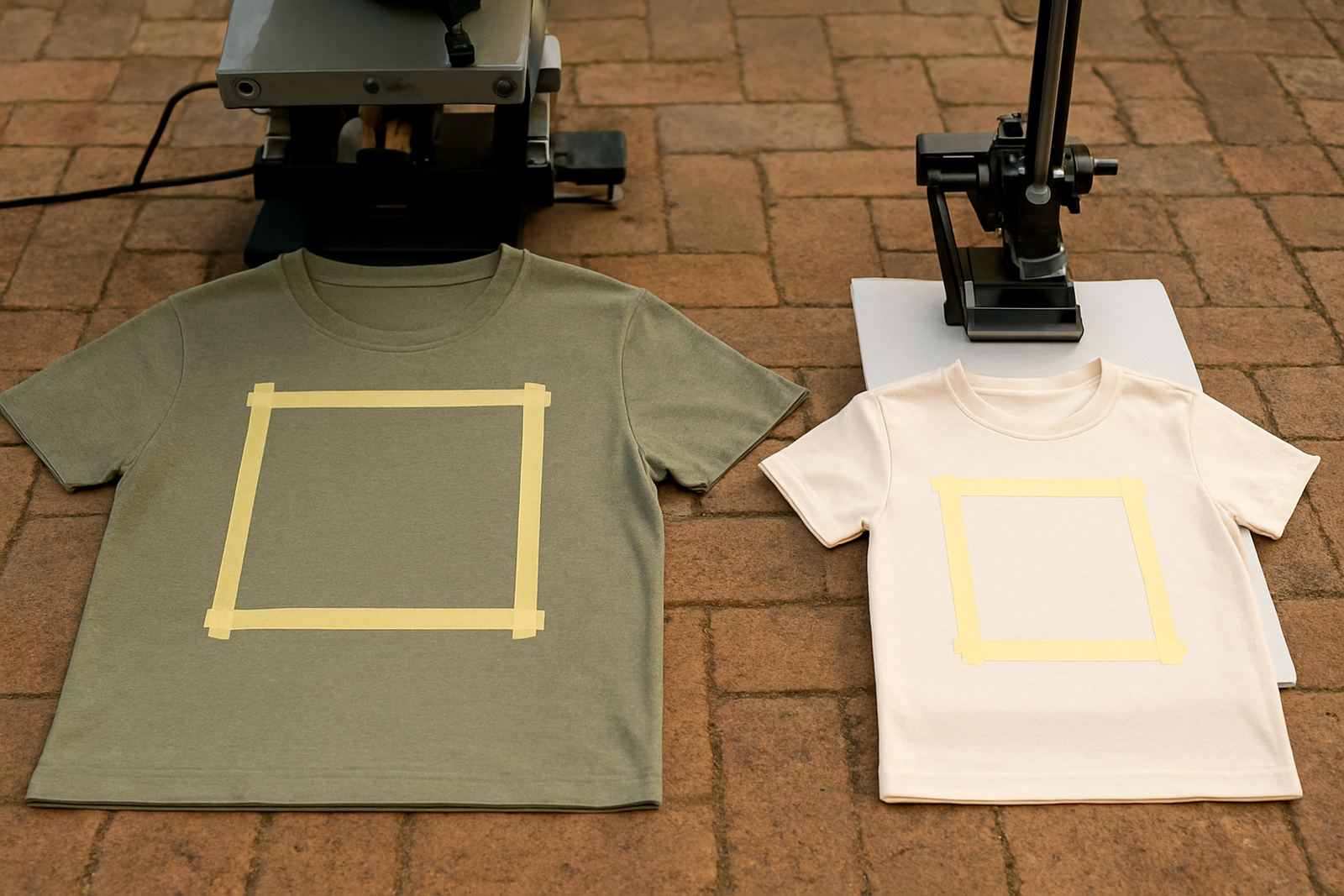
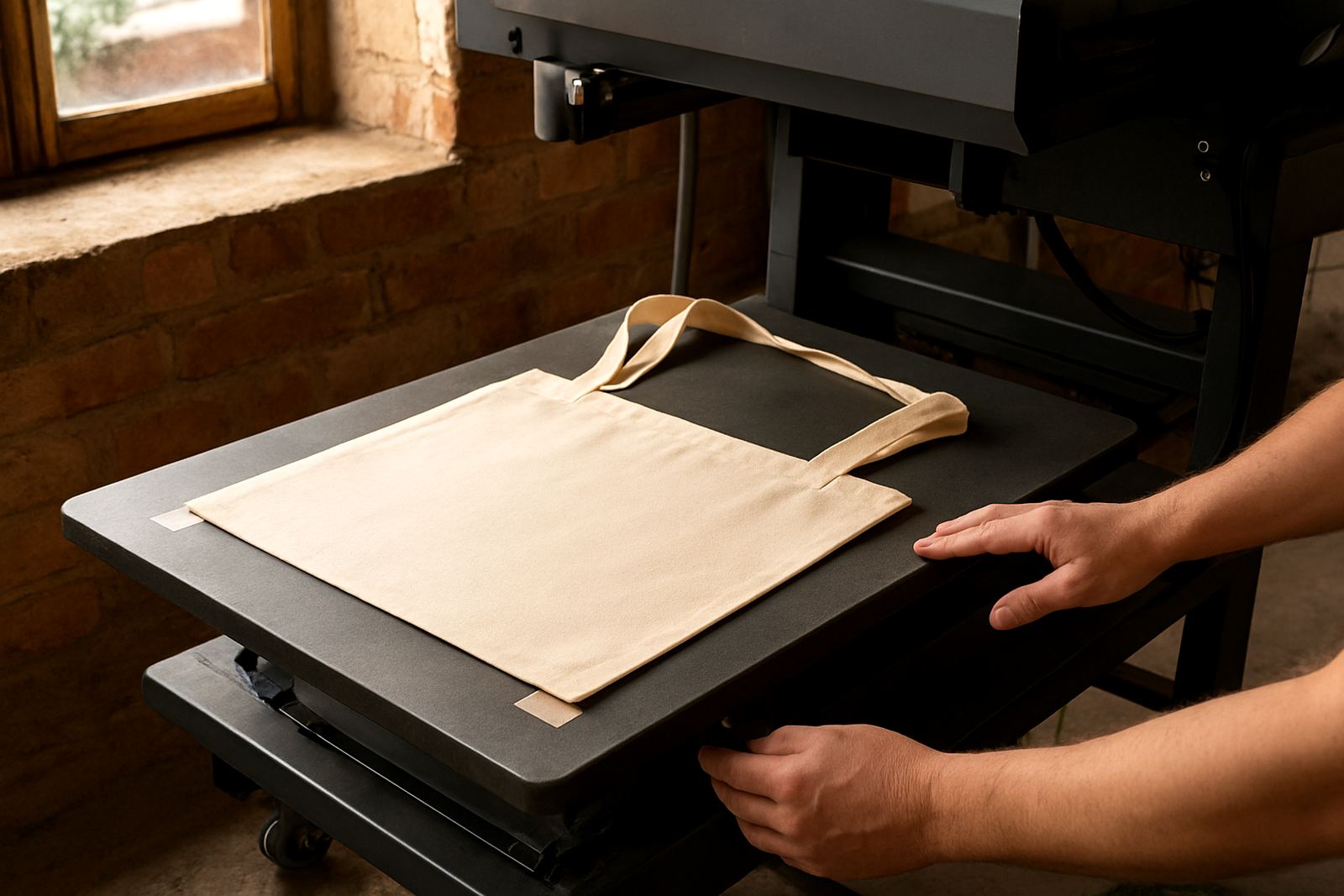
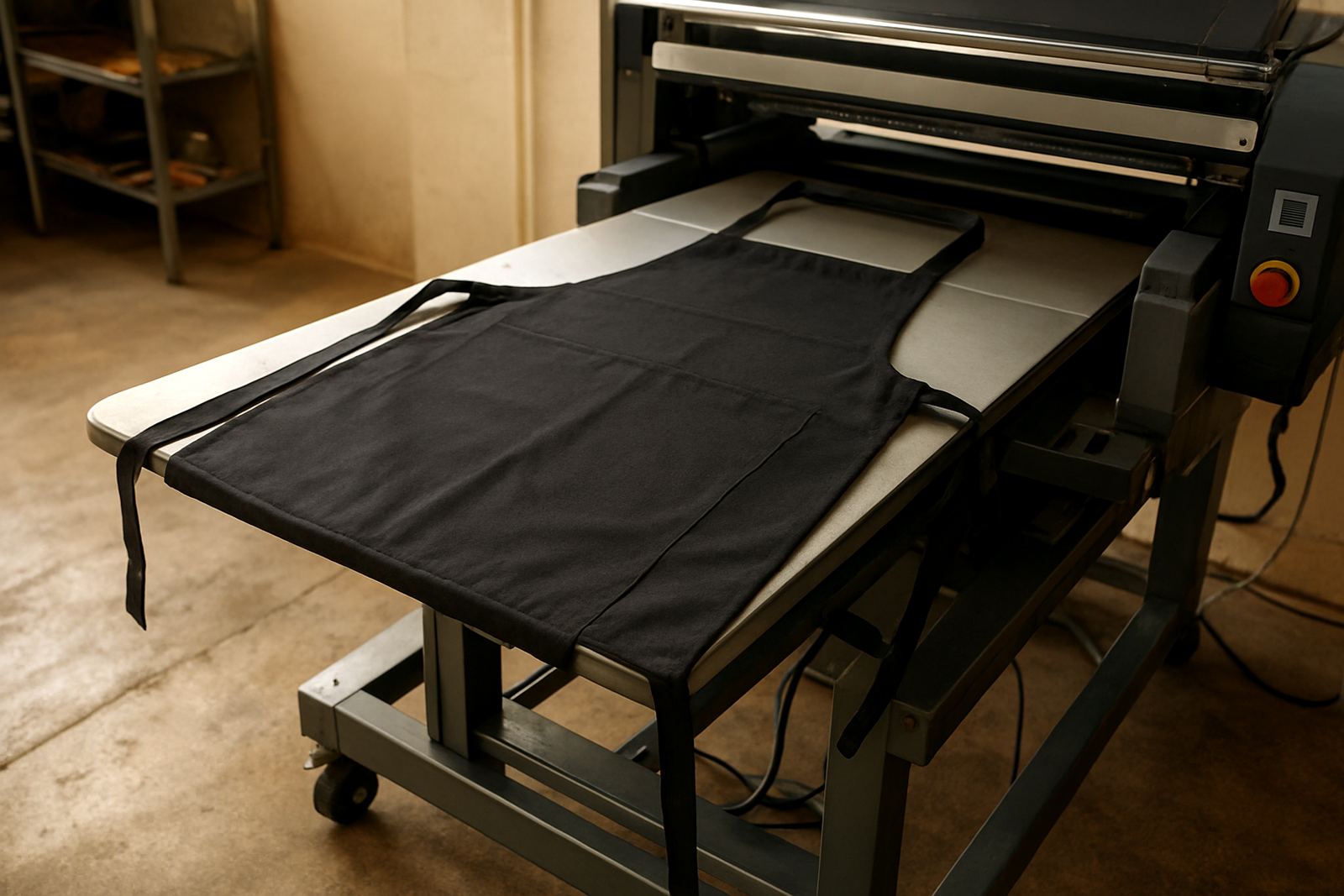
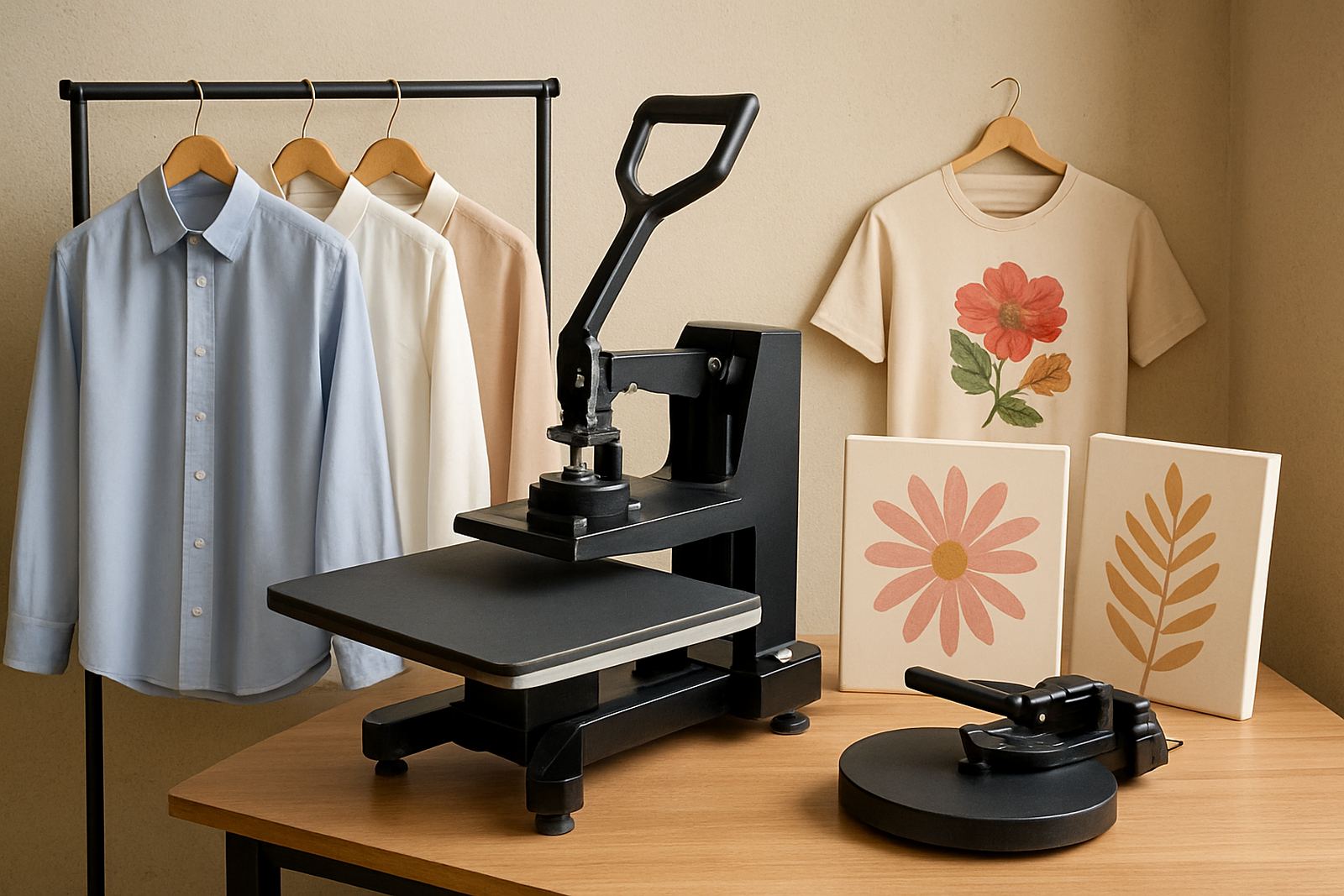
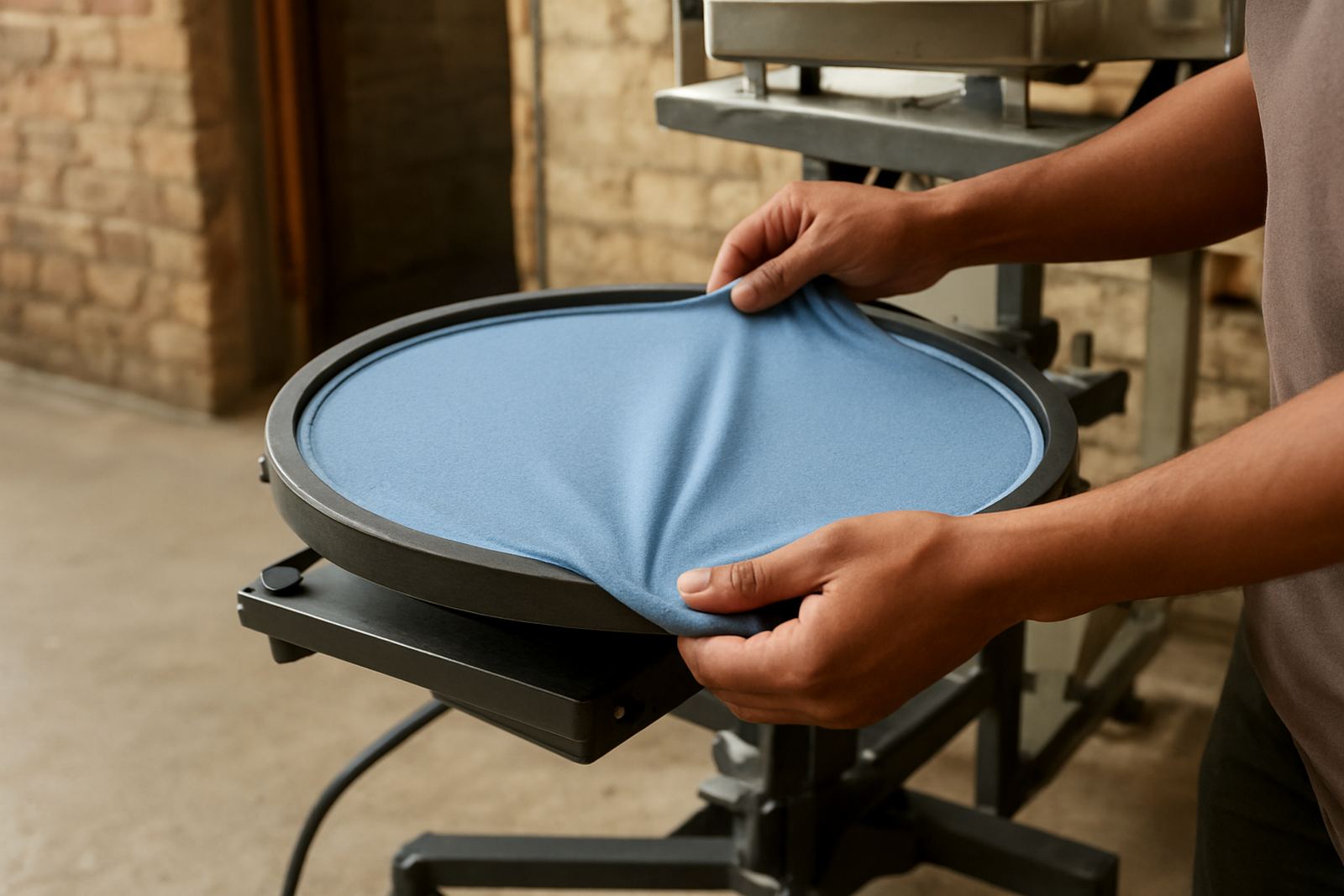
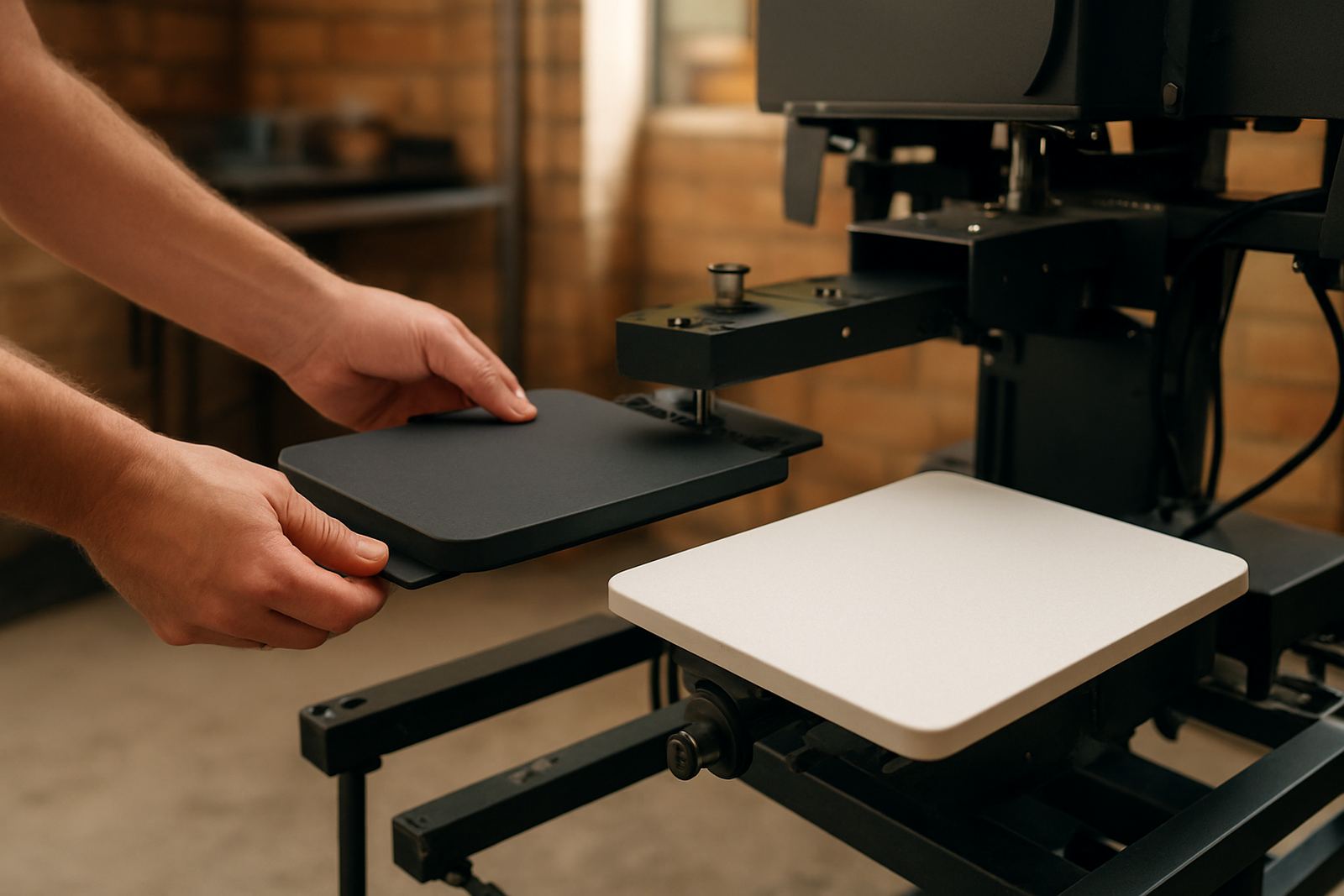
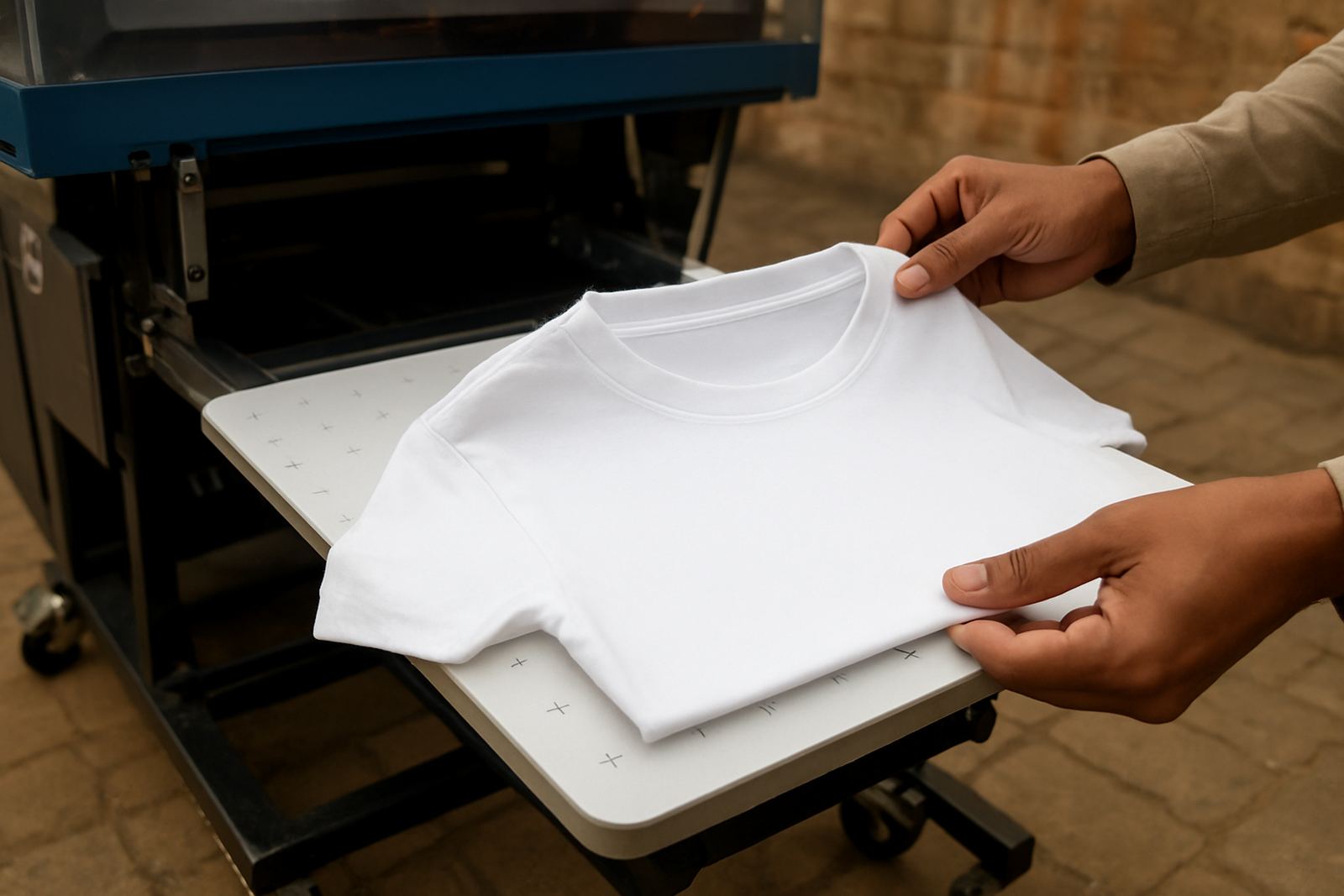
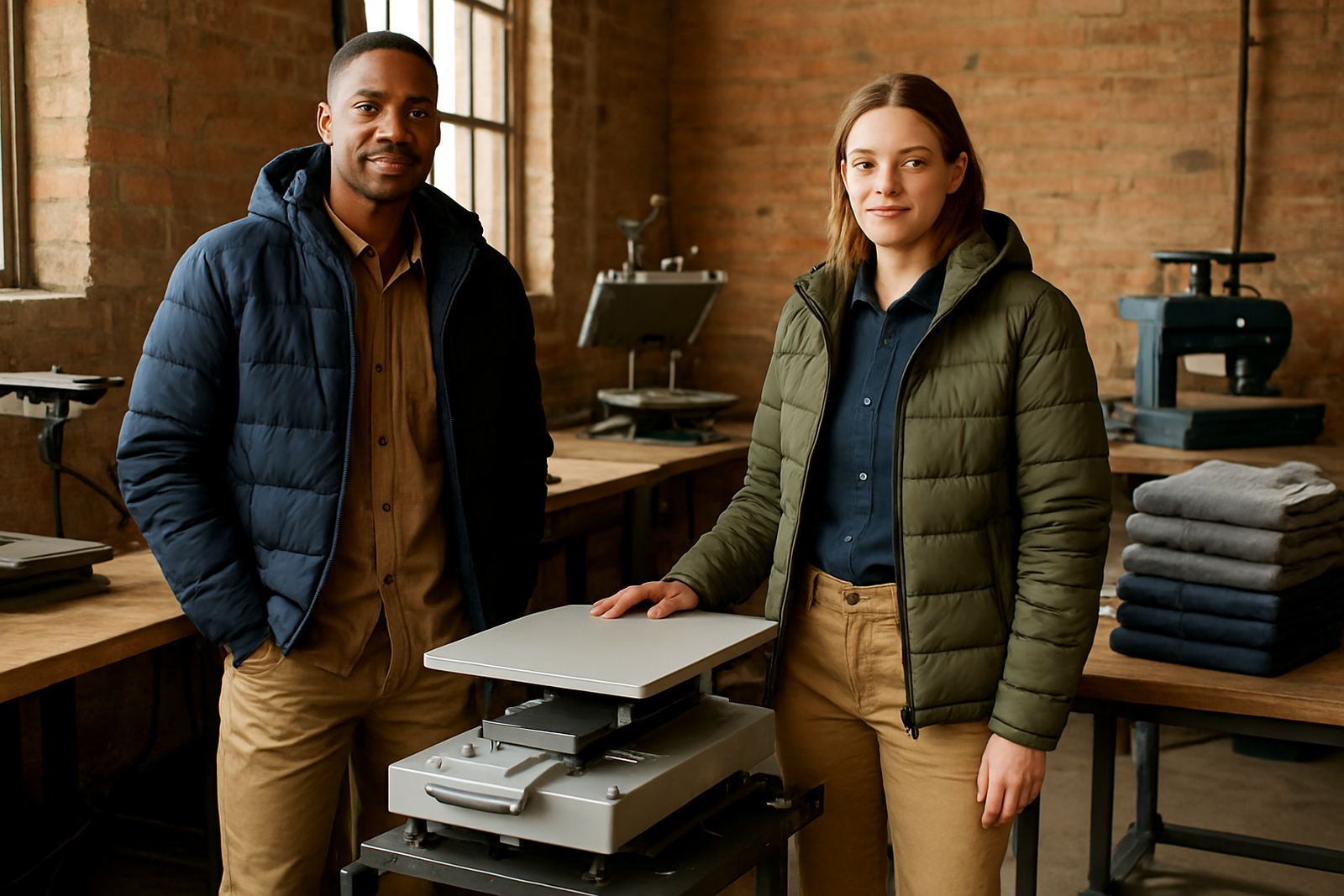
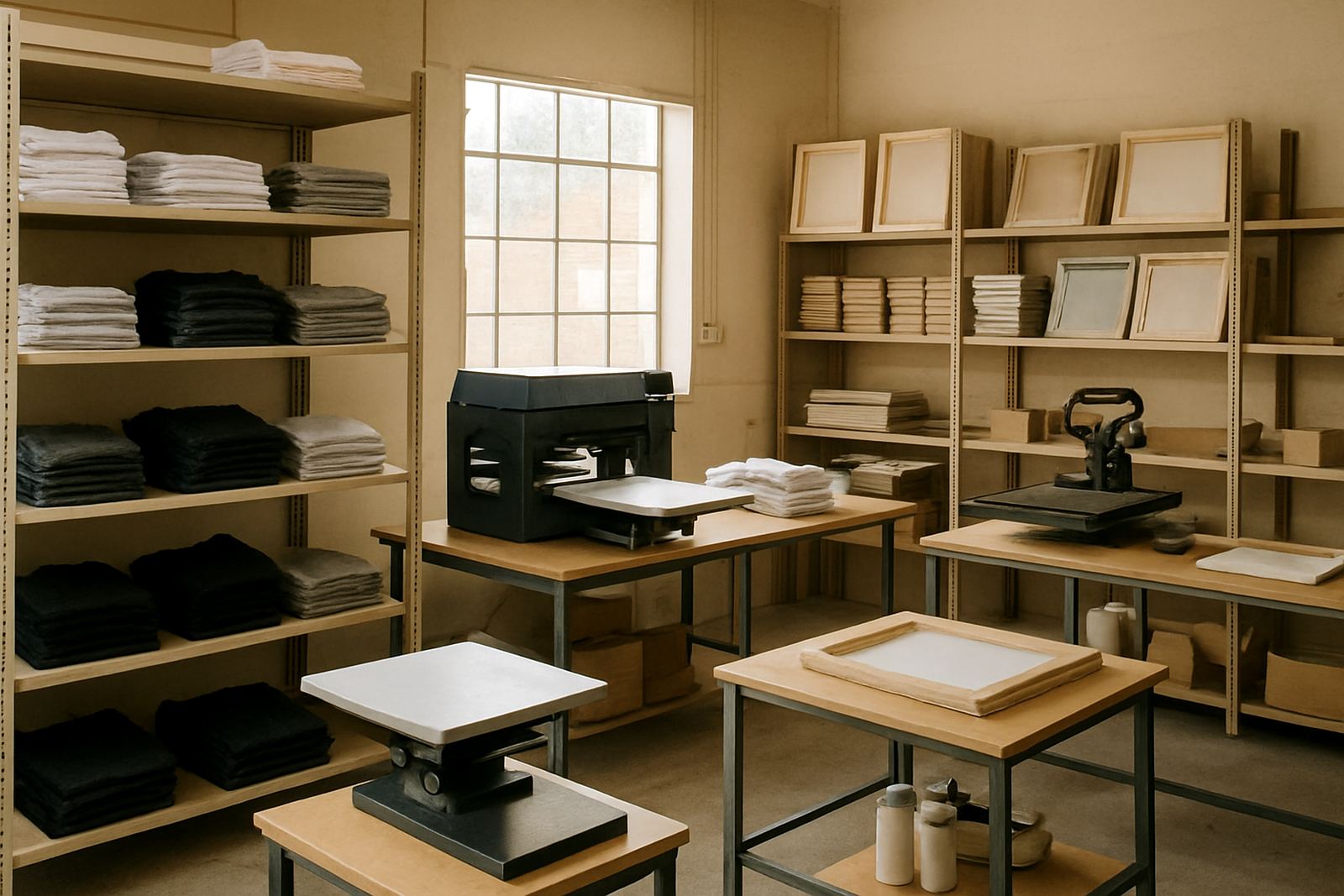
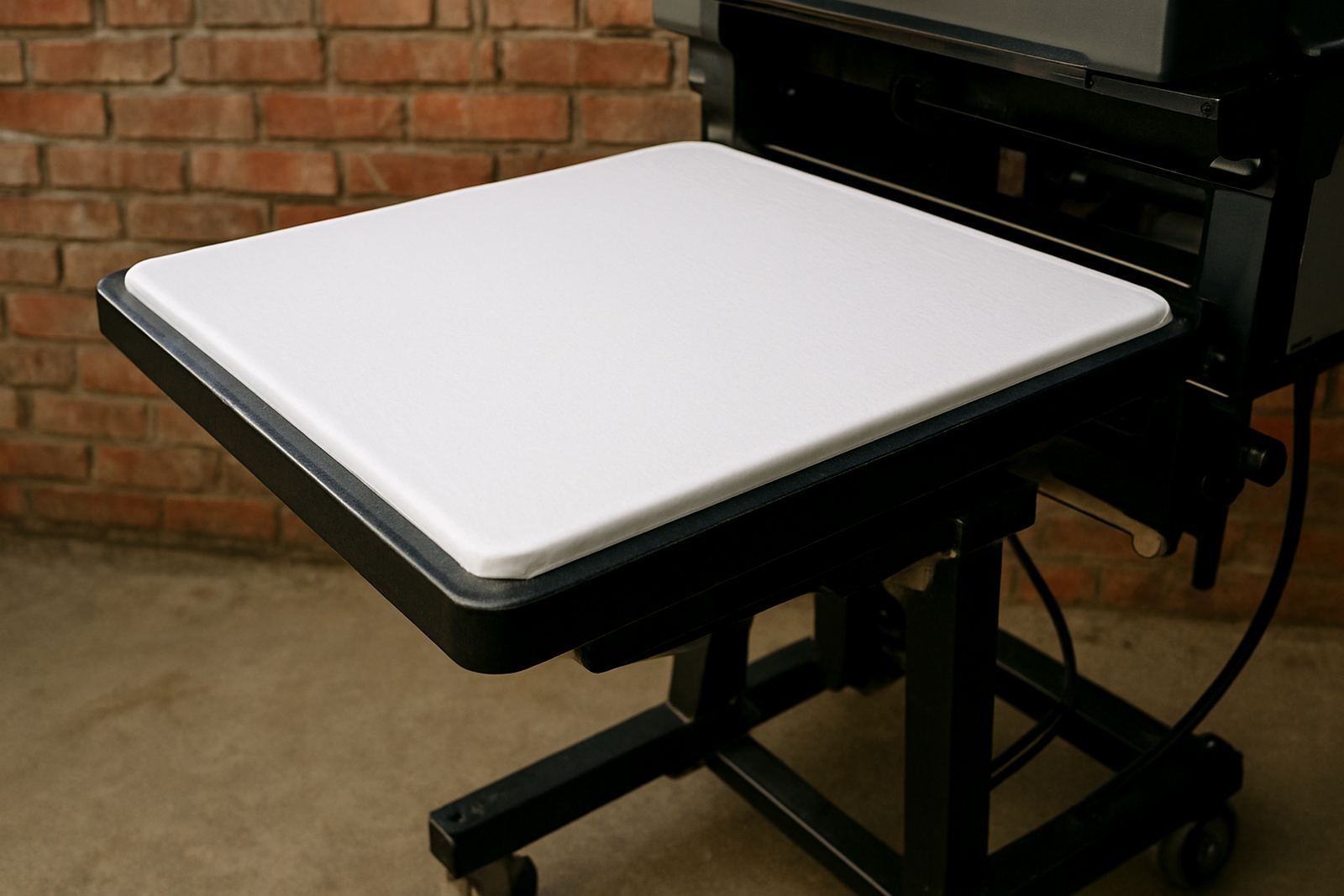
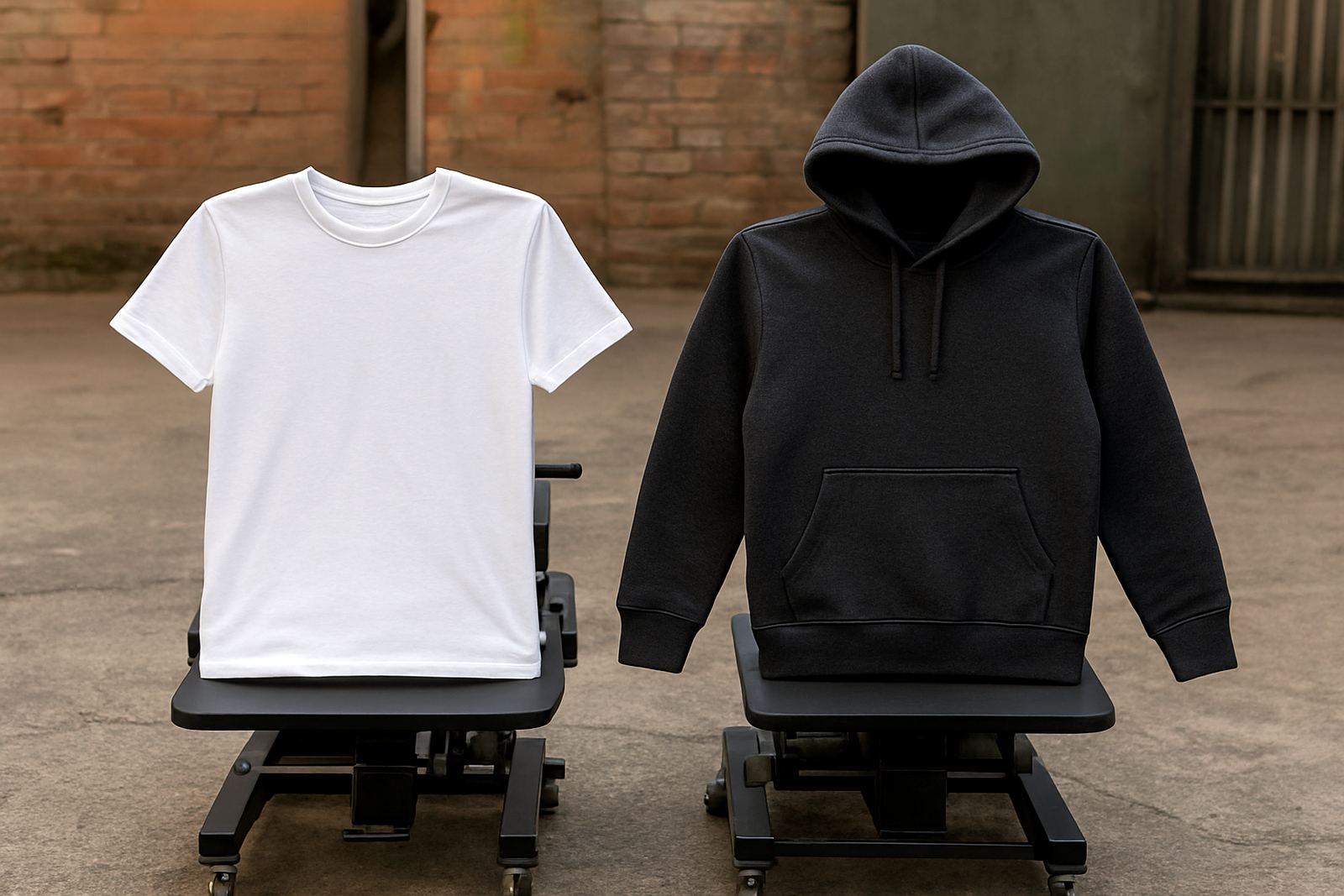
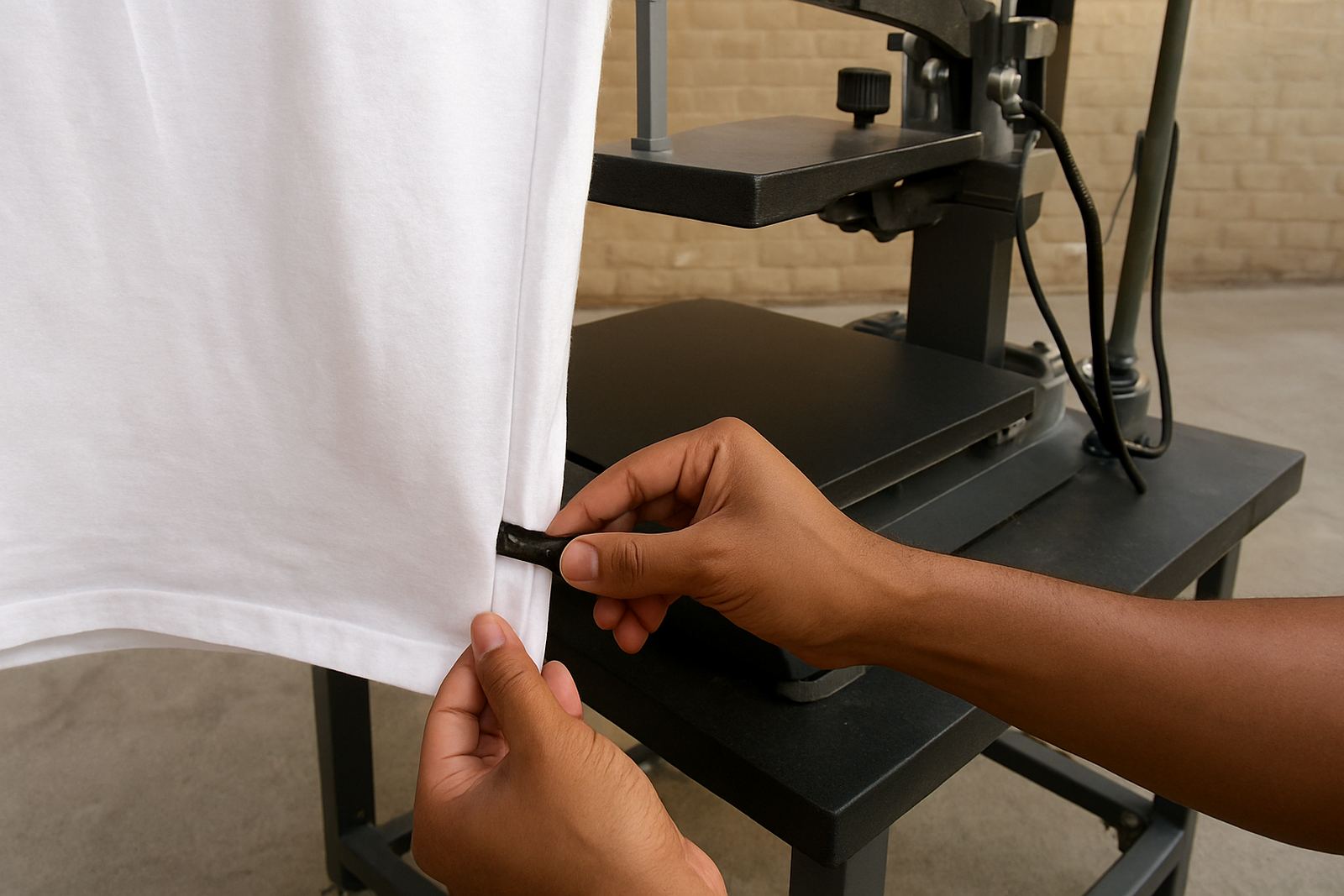
The right platen makes a big difference to placement, print speed and how the garment sits under the head. Small, medium and oversized platens all have their place, and the better choice depends on the shirt size range, print area and how often your team changes between jobs. In Crown Mines and across Johannesburg, many shops run mixed orders all day, so a platen plan that matches the workload saves time and reduces rework.
When you set up a new press or add extra platens, think about the fabrics you print most often. Stretch tees, heavier cottons and poly blends can behave differently under pressure and heat, so it helps to test before running a full batch. A neat fit also supports cleaner edges and more consistent registration.
- Use smaller platens for left chest, sleeves and youth garments.
- Keep a standard shirt platen for regular production runs.
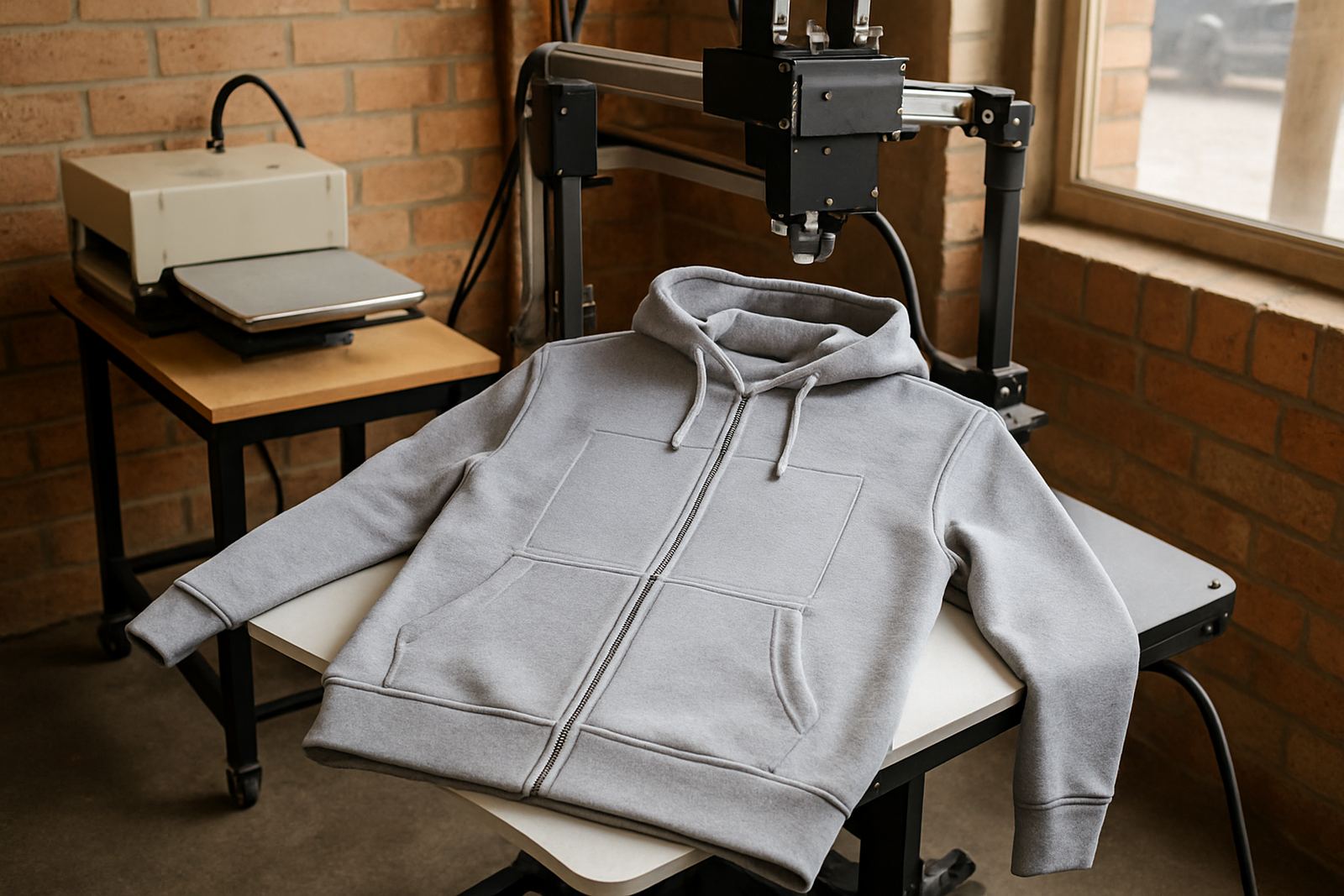
- Add larger sizes for oversized prints and hoodies.
- Check platen height after changing accessories or covers.
Pretreatment Habits That Hold Up in Local Production
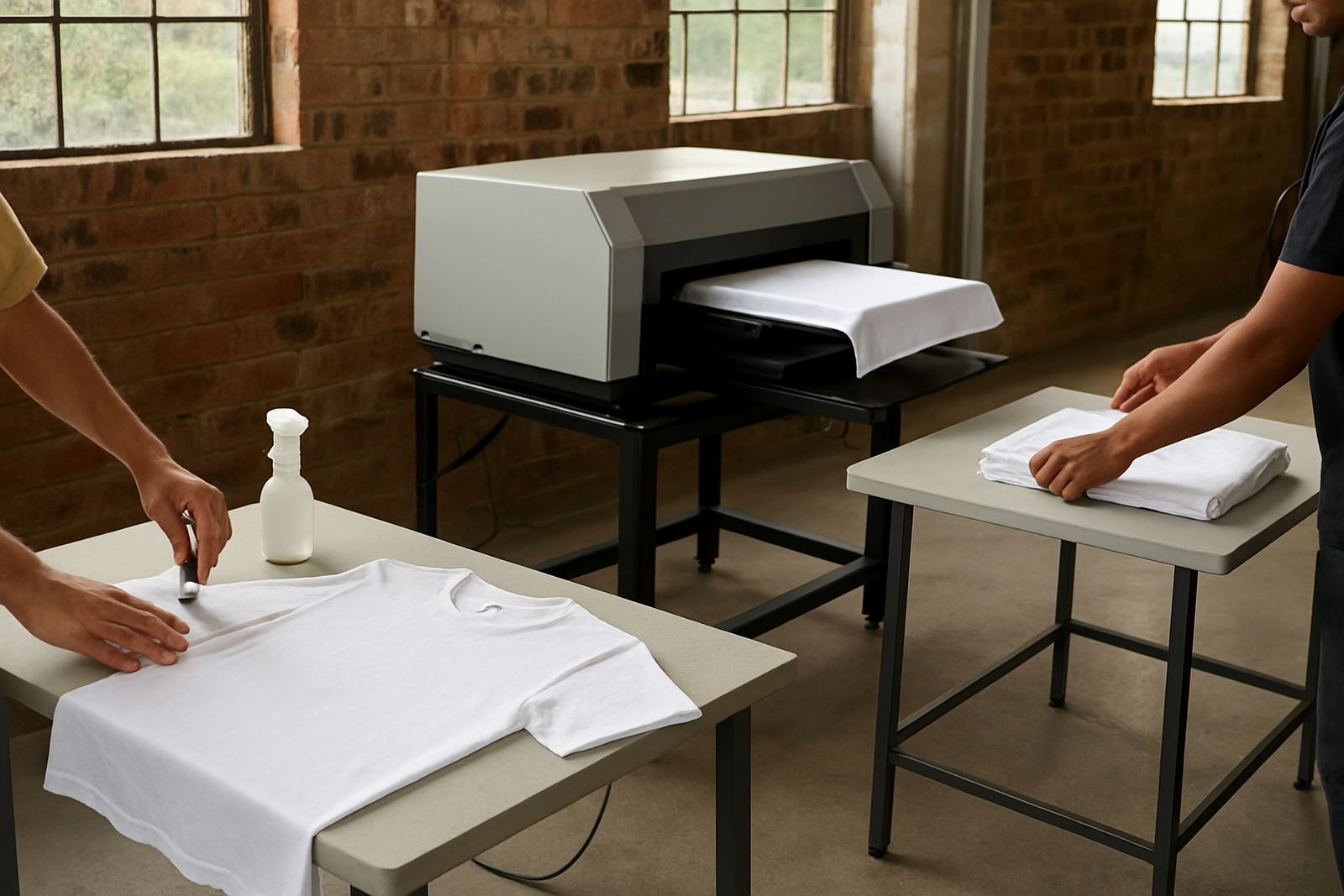
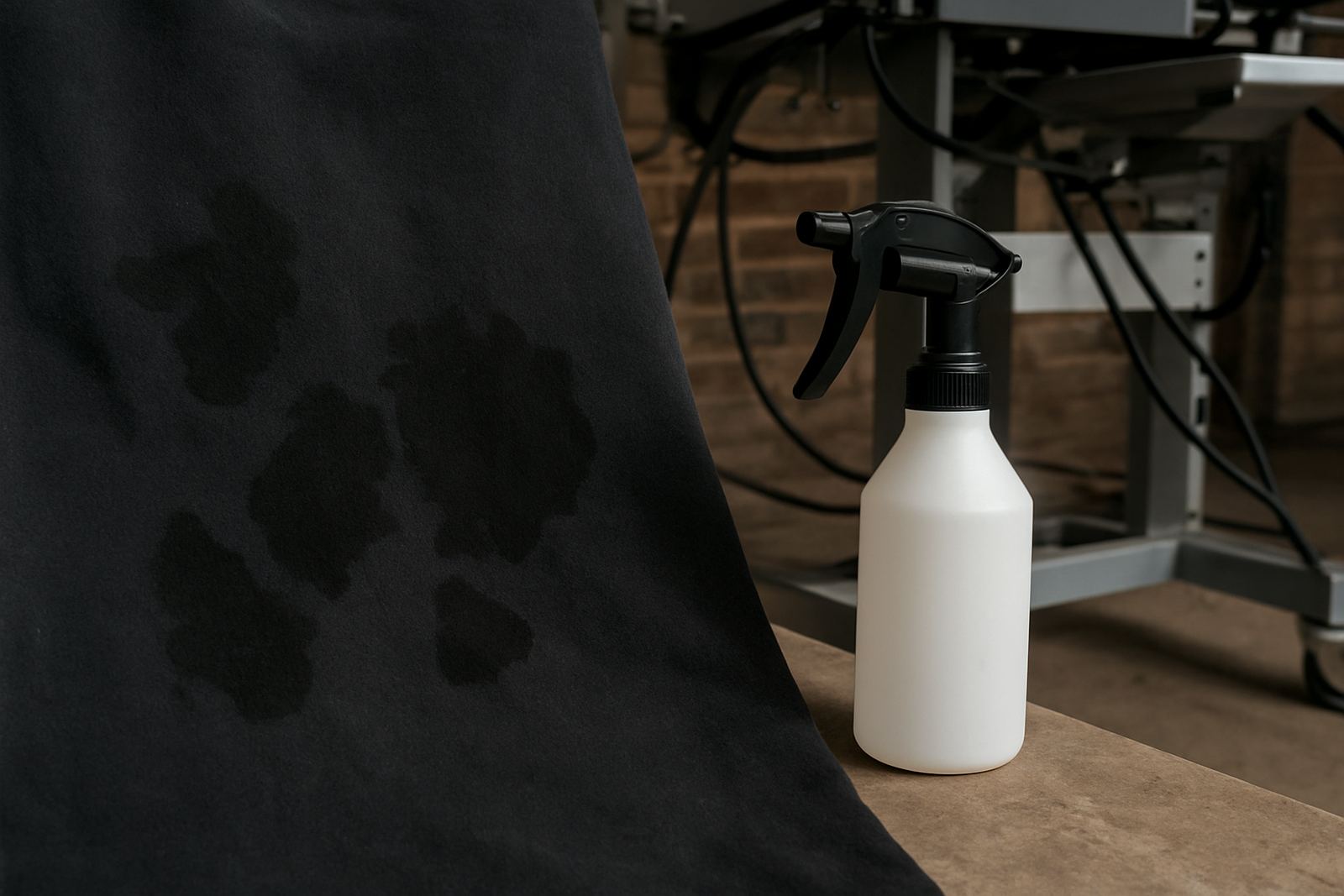
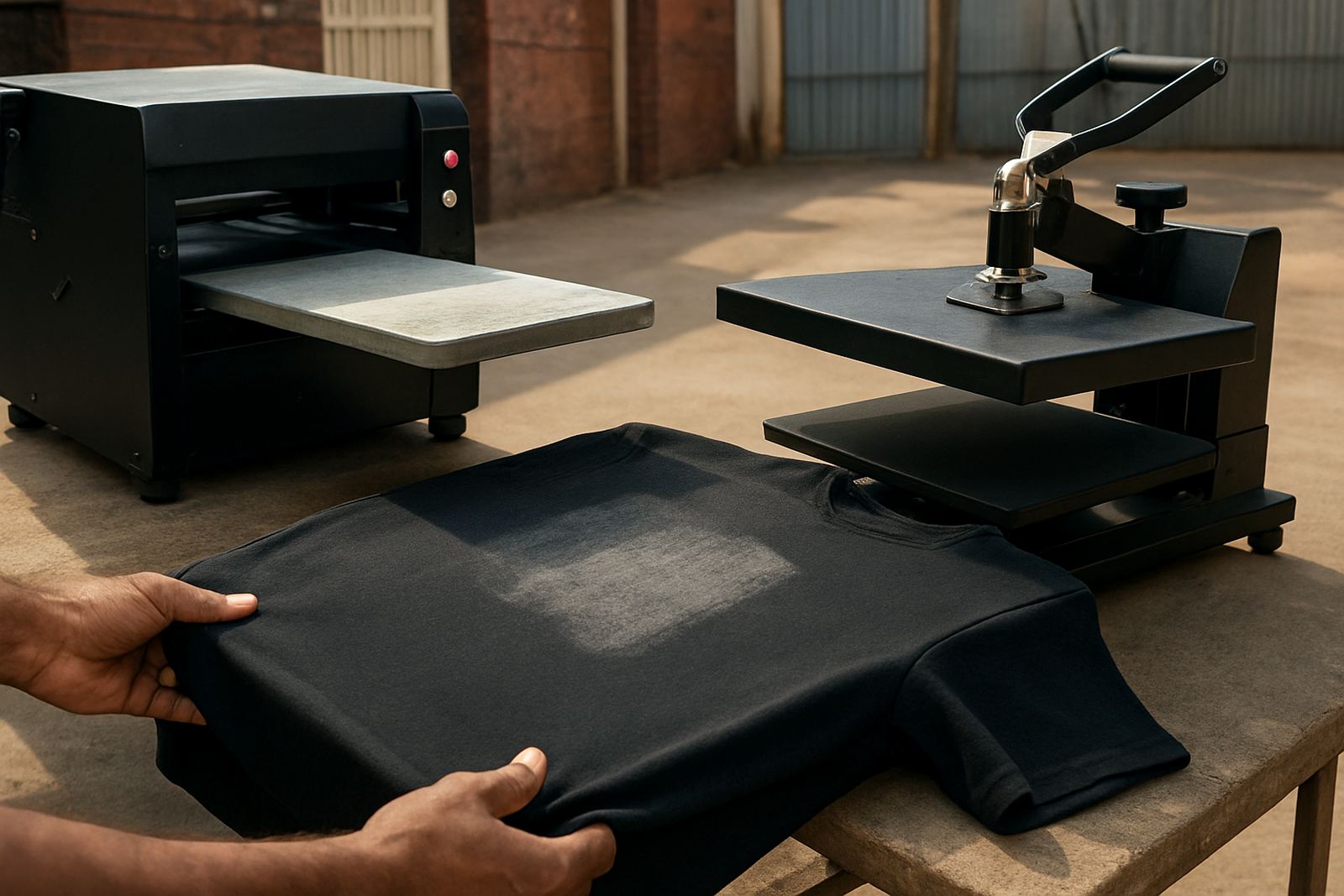
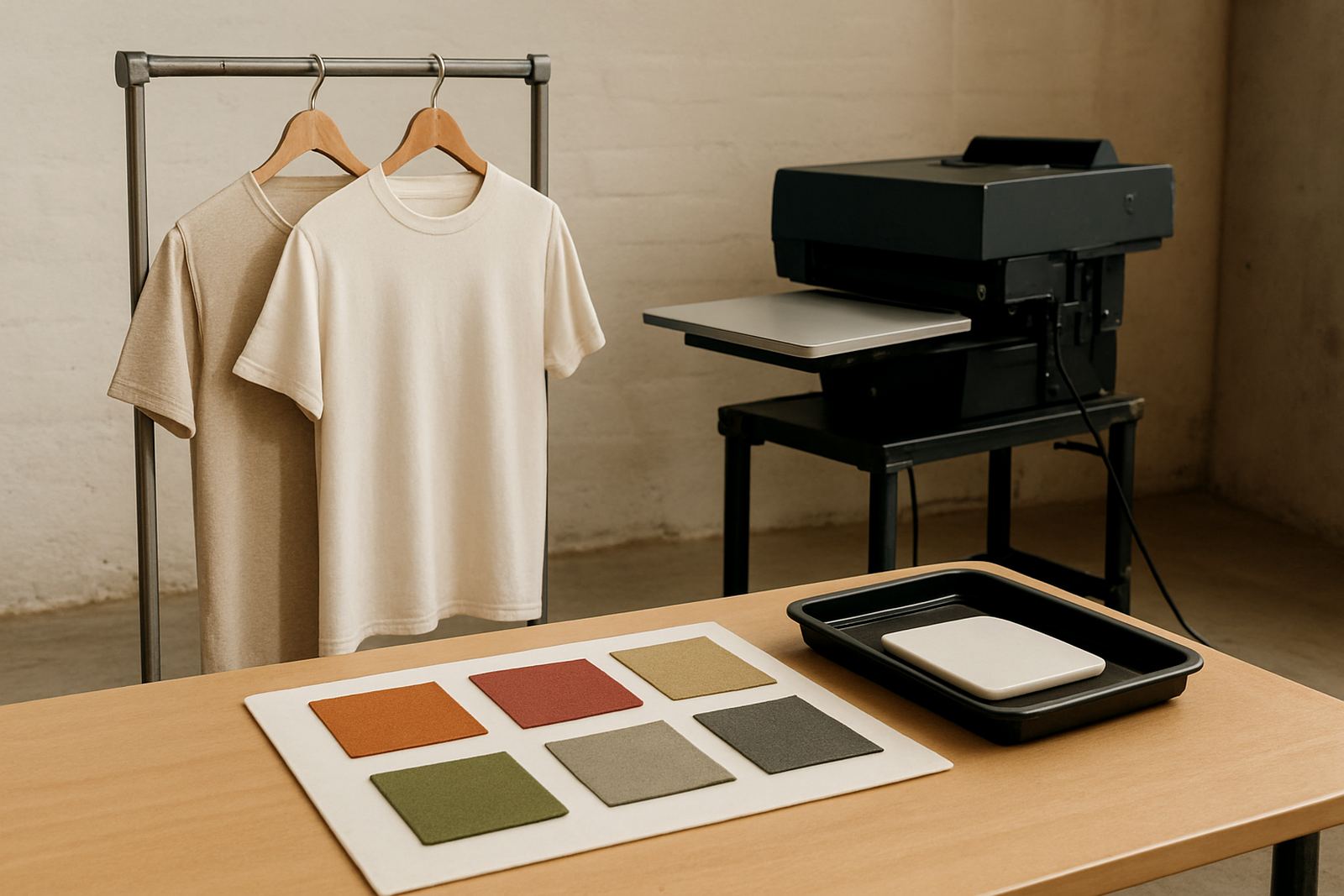
Pretreatment affects colour, hand feel and wash performance, so it is worth treating as a controlled step, not a quick splash-and-go job. In dry inland conditions like Pretoria East or Midrand, spray pattern and drying time can shift through the day. Near the coast, humidity can change how the garment dries and how the pretreat sits on the fabric.
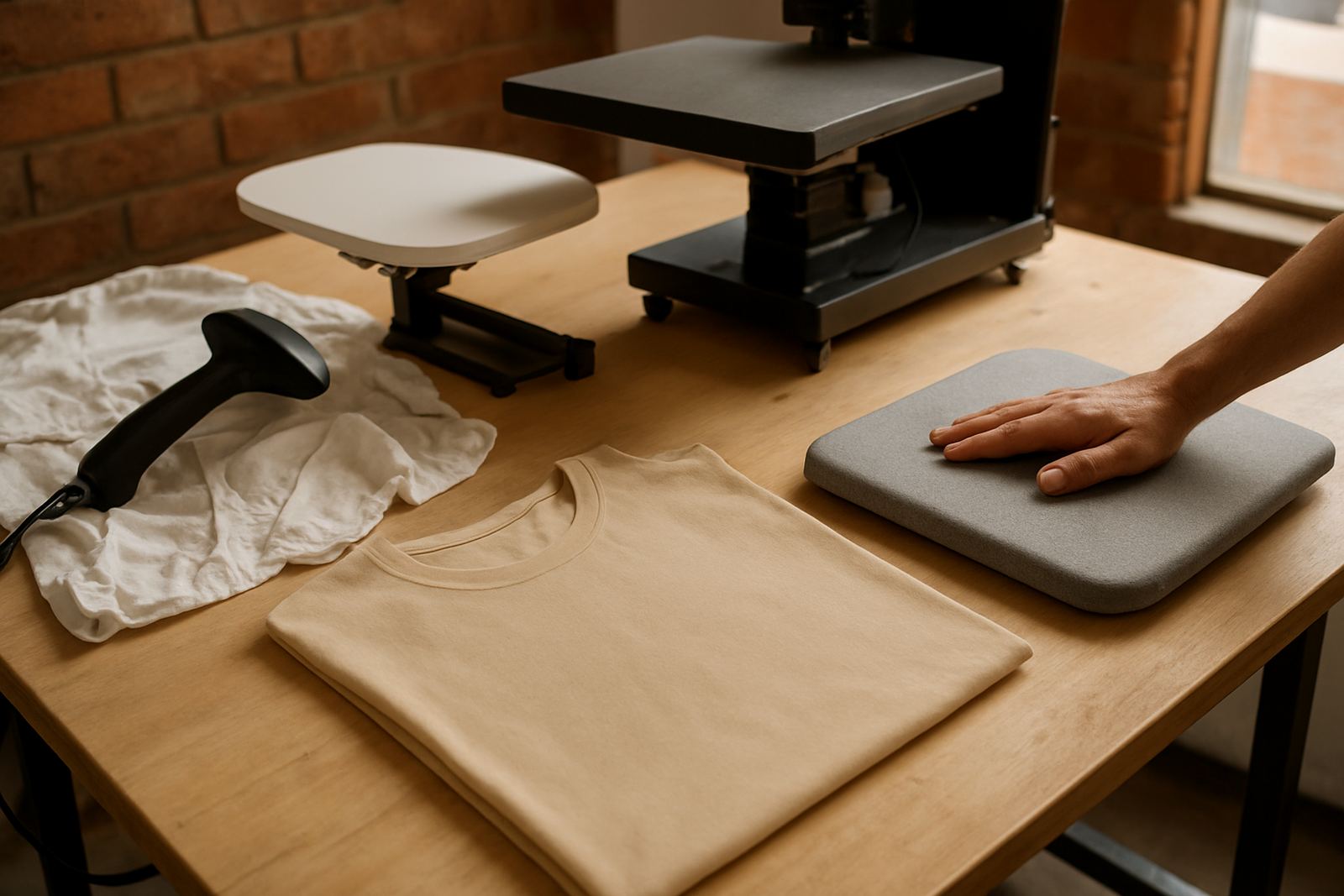
Keep the workflow simple enough for operators to repeat under pressure. Measure your coat area, watch the temperature of the curing stage and keep records for each fabric type. That way, when a customer brings a new blend or a seasonal style, you have a starting point instead of guessing.
- Use a consistent spray pattern and record the garment weight or fabric type.
- Dry pretreat evenly before printing, not just on the surface.
- Test new garments in small quantities before bulk production.
- Keep the pretreat area clean to avoid clogging and overspray.
Print Quality Checks Before You Run a Full Batch
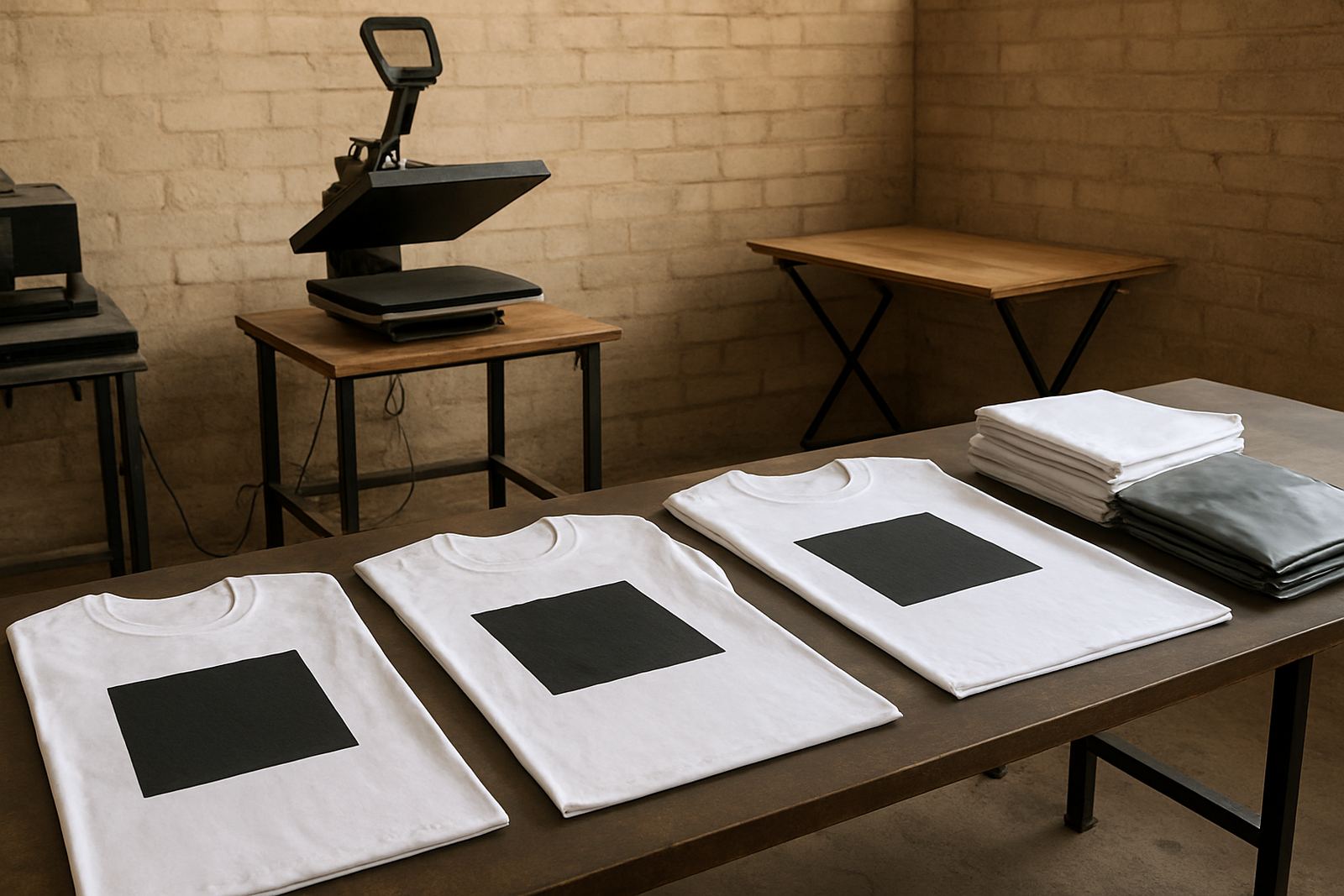
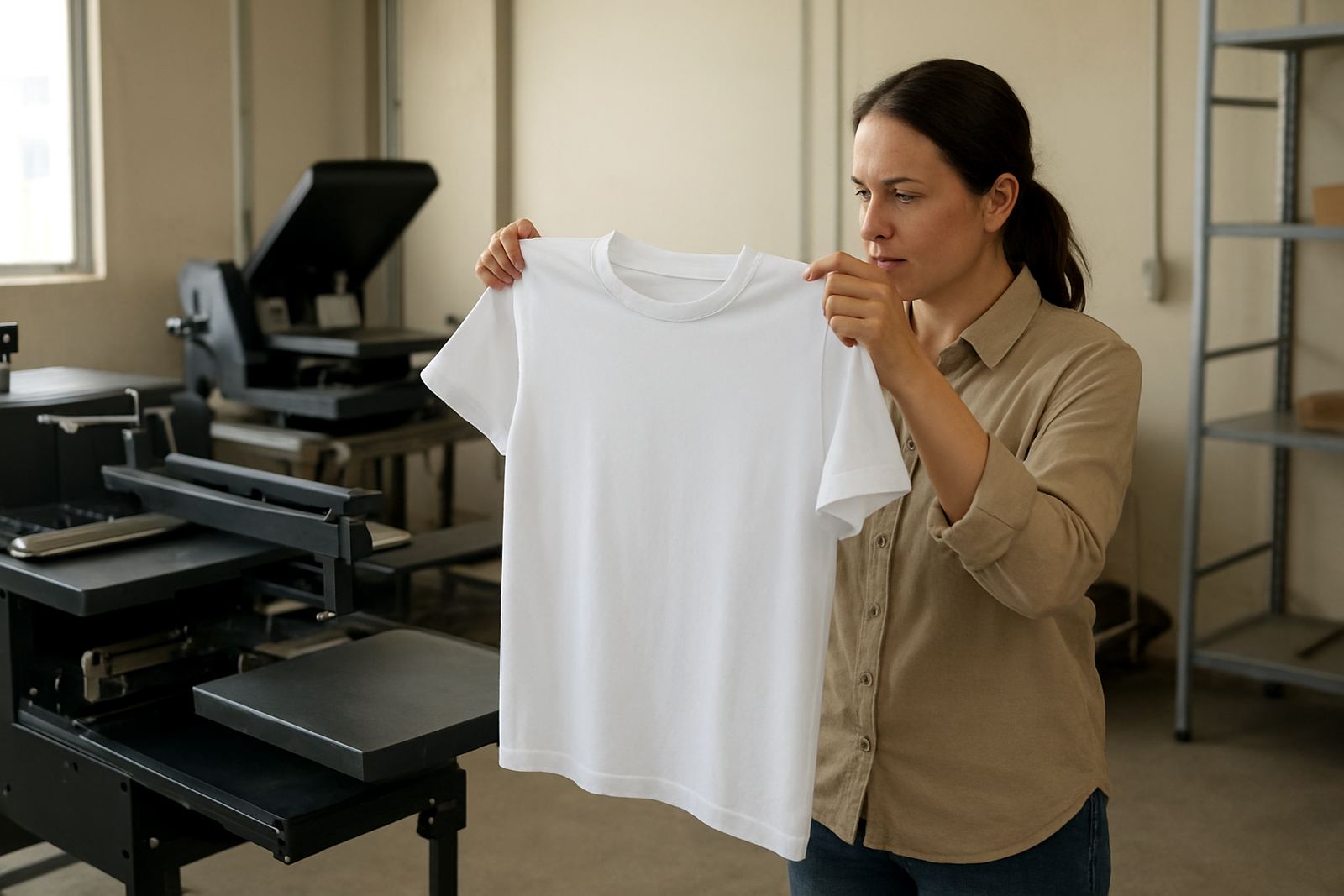
A solid sample saves money. Before a large run, check alignment, ink laydown, platen fit and how the fabric behaves after curing. This matters even more when the order includes different garment colours or fabric blends, because one setting may not suit every piece. Shops in Sandton, Randburg and the East Rand often work on tight turnaround, so a ten minute check can prevent a costly reprint.
Look closely at fine text, edge crispness and coverage in solid blocks. If the print is drifting or the underbase looks uneven, do not push ahead and hope for the best. Small corrections early in the job usually hold the line for the rest of the order, and the final result looks cleaner to the client.
- Run a sample on the exact garment type before release.
- Inspect the first three prints for placement and colour balance.
- Check for ghosting, banding or moisture issues after curing.
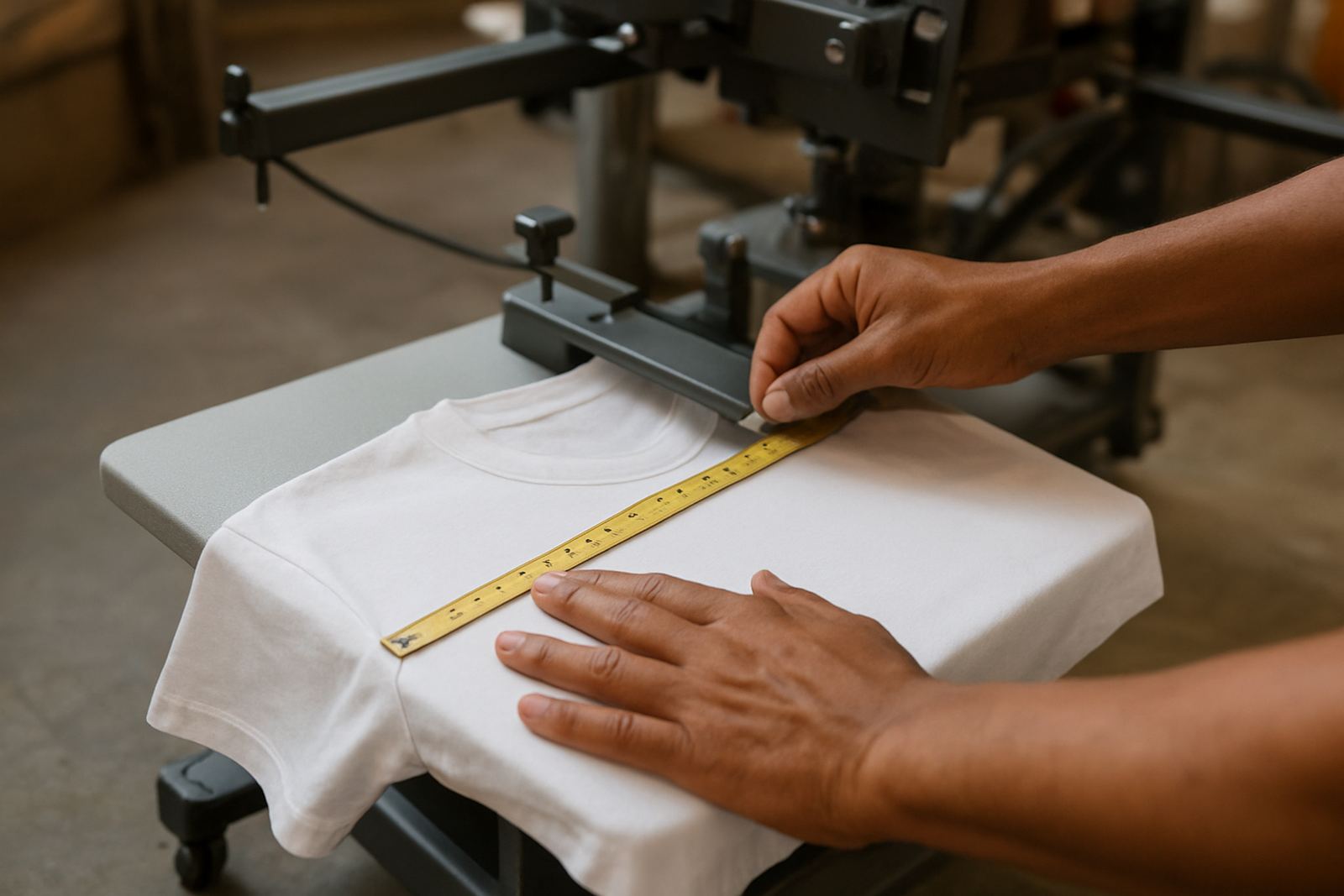
- Confirm the print area still lines up after platen changes.
Operator Training That Keeps Production Steady
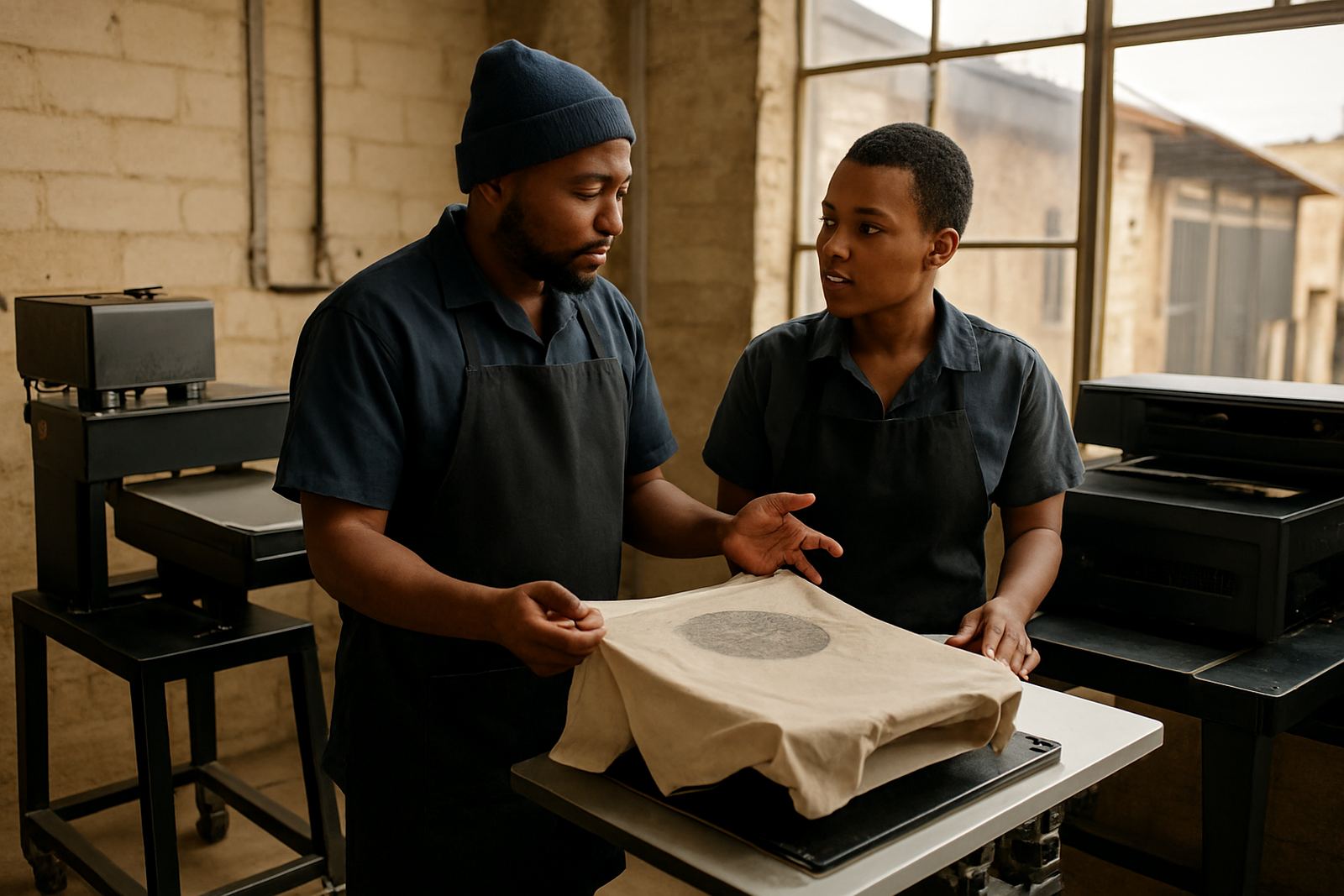
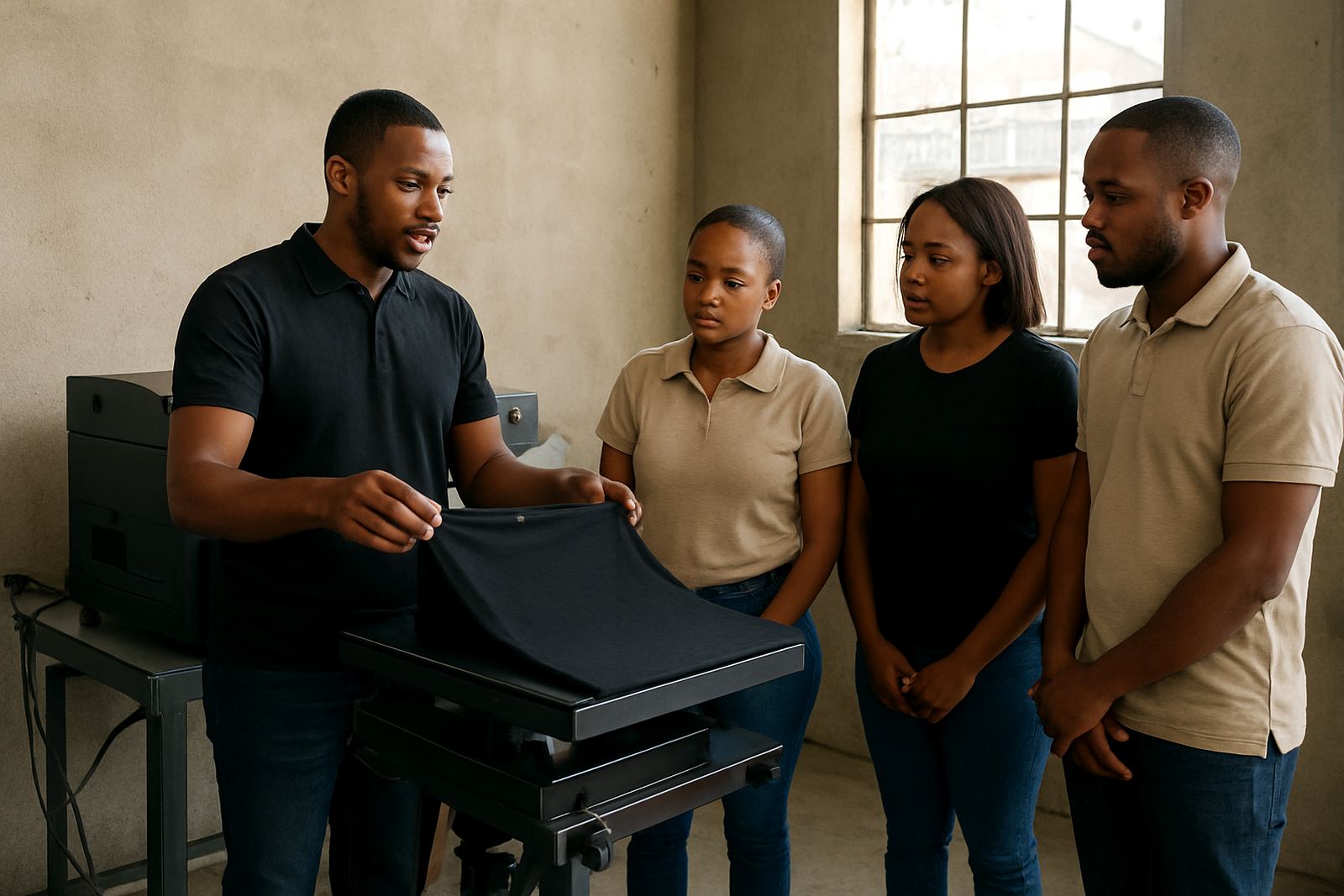
Good operators know more than how to press a button. They understand garment loading, platen selection, basic fault finding and how to keep the workflow moving when load-shedding, transport delays or power interruptions disrupt the day. Training should be practical and tied to the actual jobs your team runs, not just a generic classroom session.
We find that a short hands-on session often does more for output than a long talk. Once the team understands the steps and the reasons behind them, they work faster with fewer mistakes and less waste.
- Teach one loading method for each common garment type.
- Show operators how to spot misalignment before printing.
- Build a simple checklist for start-up, changeover and end-of-day shut down.
- Include backup steps for outages and interrupted curing cycles.
Planning for Growth Without Losing Control
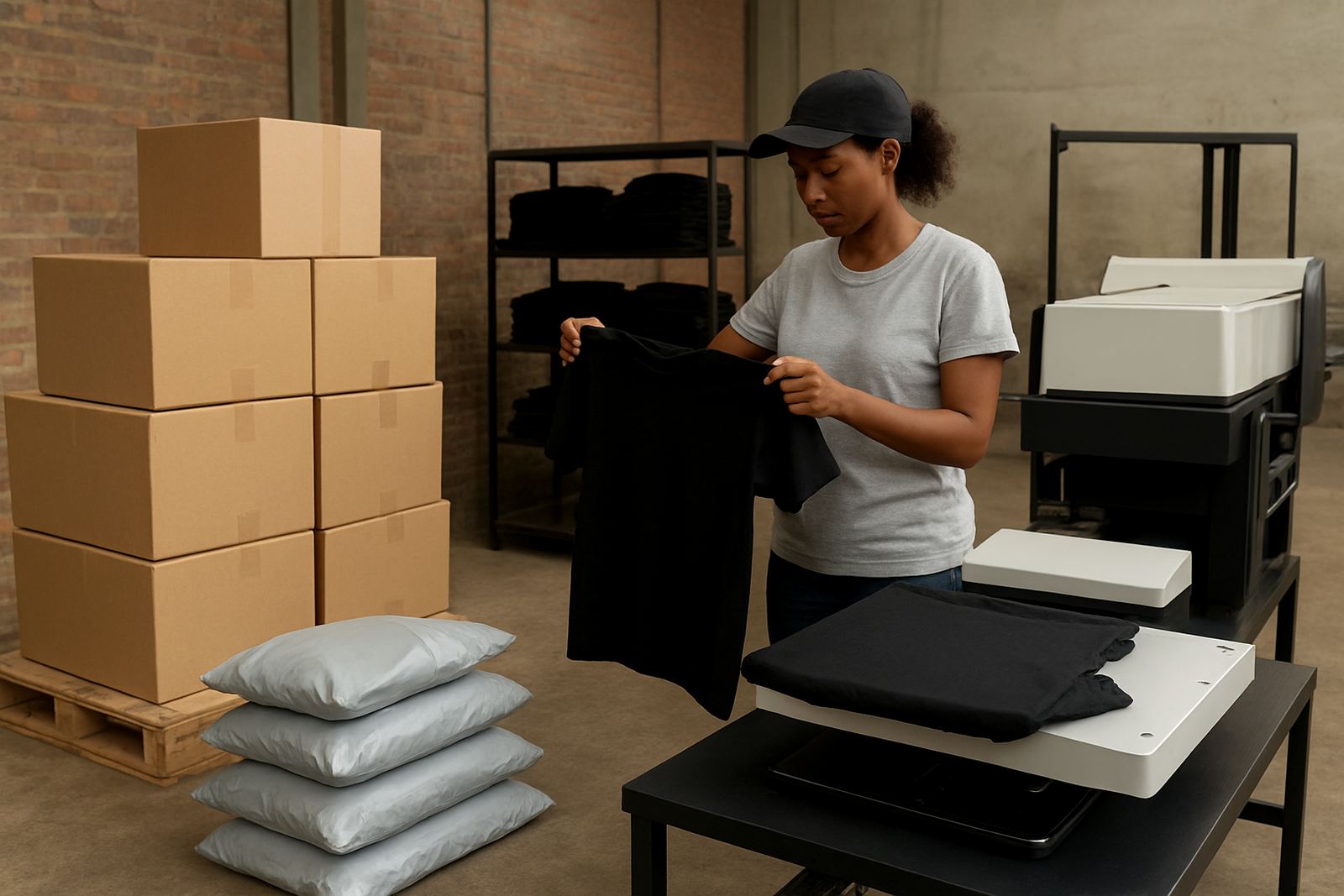
As orders grow, the pressure on layout, stock handling and job sequencing grows too. A small shop in Crown Mines may start with a few custom tees a day, then suddenly take on teamwear, promotions and repeat client work. At that stage, the question is not only how to print more, but how to keep the same standard while doing it.
That is where workflow review and production scaling help. It is worth mapping where garments arrive, where they are treated, how they move to print and where finished stock waits for packing. If the movement is clumsy, the whole day feels slower. A cleaner flow supports better use of time and less handling damage.
When to Use Remote Help or an Onsite Visit
Some issues are simple to talk through, others need hands-on attention. If a platen sits incorrectly, a hoop is not matching the garment size, or the print keeps drifting from job to job, a remote troubleshooting session can help narrow the cause. For setup changes, seasonal reconfiguration or a new shop plan, an onsite support visit gives a clearer picture of the full process.
South African print shops often work with limited space, mixed stock and tight deadlines. Practical support should respect that reality. Whether you are in Durban, Centurion or the East Rand, the goal is the same: get the line running properly and keep it there.
- Use remote support for repeat faults and workflow questions.
- Book onsite help for new equipment, layout changes or recurring misalignment.
- Ask for sample testing when switching garments or pretreat methods.
- Review your production flow before peak seasons and campaign periods.