
Start Every Handover With the Job Card, Not Memory
The fastest way to lose consistency is to rely on someone saying, “I’ll remember what we did.” A clean handover begins with a written job card that shows the garment type, fabric blend, print size, platen used, pretreat amount and curing time. If you are printing cotton tees at 180 gsm in Midrand and then switching to polycotton hoodies for a Pretoria East order, the settings cannot be guessed from habit.
Keep the card near the machine, not in a drawer. The operator coming on shift should be able to see what has already been done and what still needs checking. That includes whether the platen was changed, whether the hoop was tensioned correctly, and whether there were any test prints that came out too dry or too heavy.
In shops where more than one person handles production, a simple written handover reduces arguments later. It also helps when load-shedding cuts a shift short and the next operator has to restart with a half-finished batch. A clear note saves time and stops repeat mistakes.
Use the Same Setup Points on Every Platen and Hoop
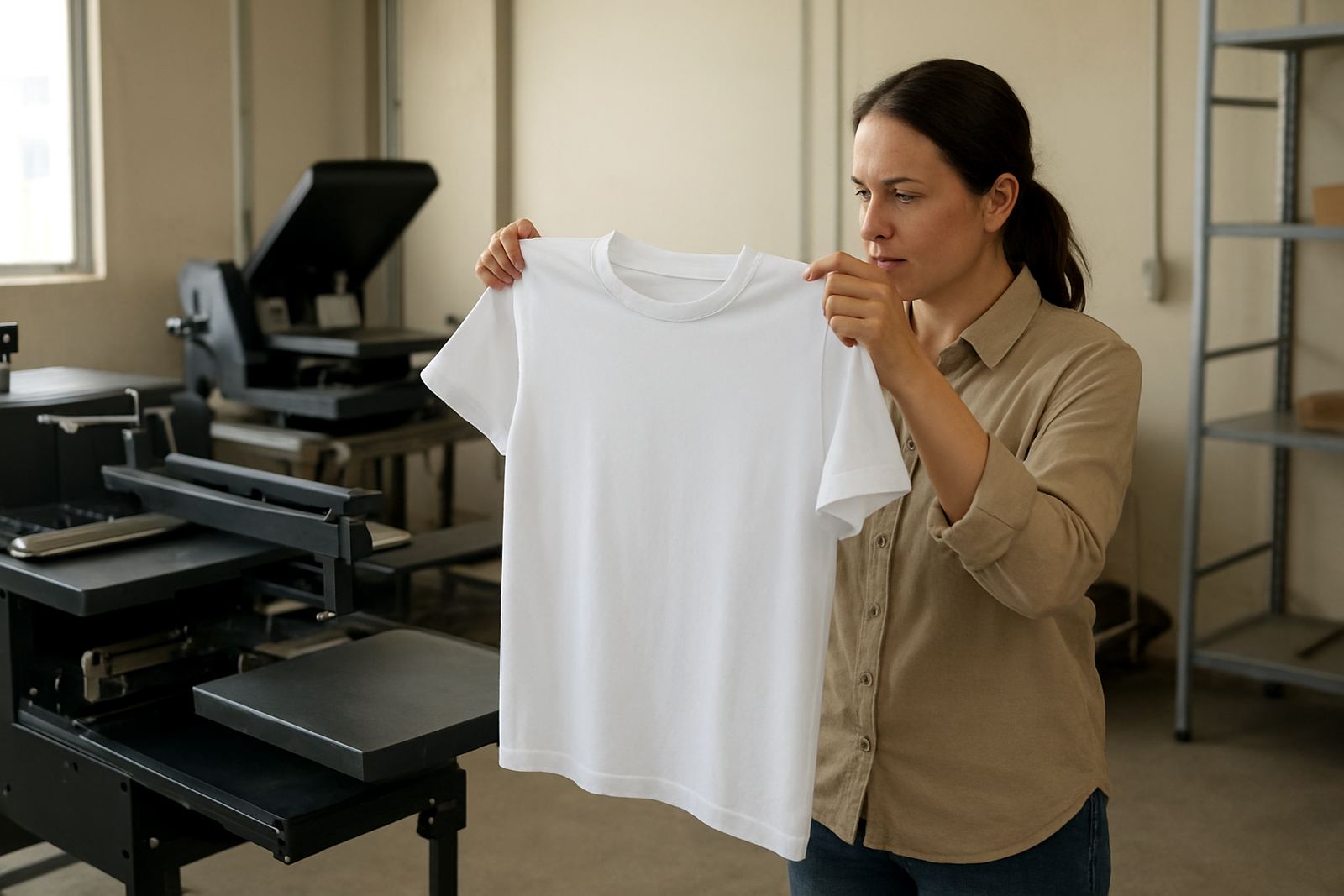
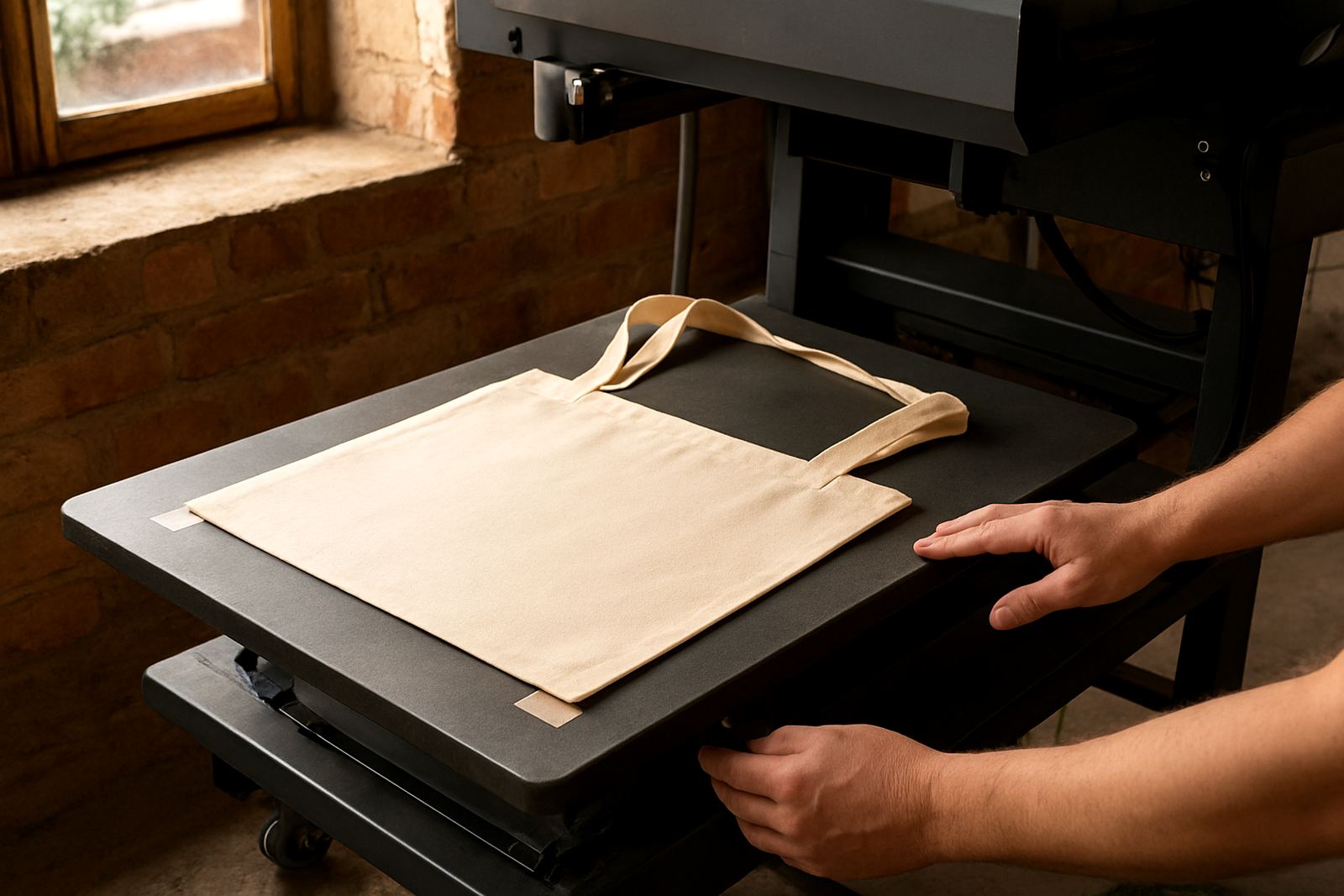
If each operator loads the garment a different way, your print placement will wander. For DTG work, the garment should sit in the same reference position every time. The neckline, side seam and shoulder line should line up with the same marks on the platen or hoop. That matters whether you are printing in Randburg on a small run of 20 shirts or handling a larger promotional order in Crown Mines.
Train staff to check these points before every job:
- Centre mark aligned to the collar or garment fold
- Fabric pulled flat, with no twist at the hem
- Sleeves tucked away so they do not catch the platen edge
- Hoop tension even, with no loose corners
- Platen size matches the garment size and print area
Once the team uses the same setup points, the printed image lands in the same place from shift to shift. That means fewer reprints and less wasted pretreat, ink and blank garments. It also makes it easier to train new operators because they are following a repeatable method, not learning three different habits at once.
Record Pretreat, Curing and Environmental Changes
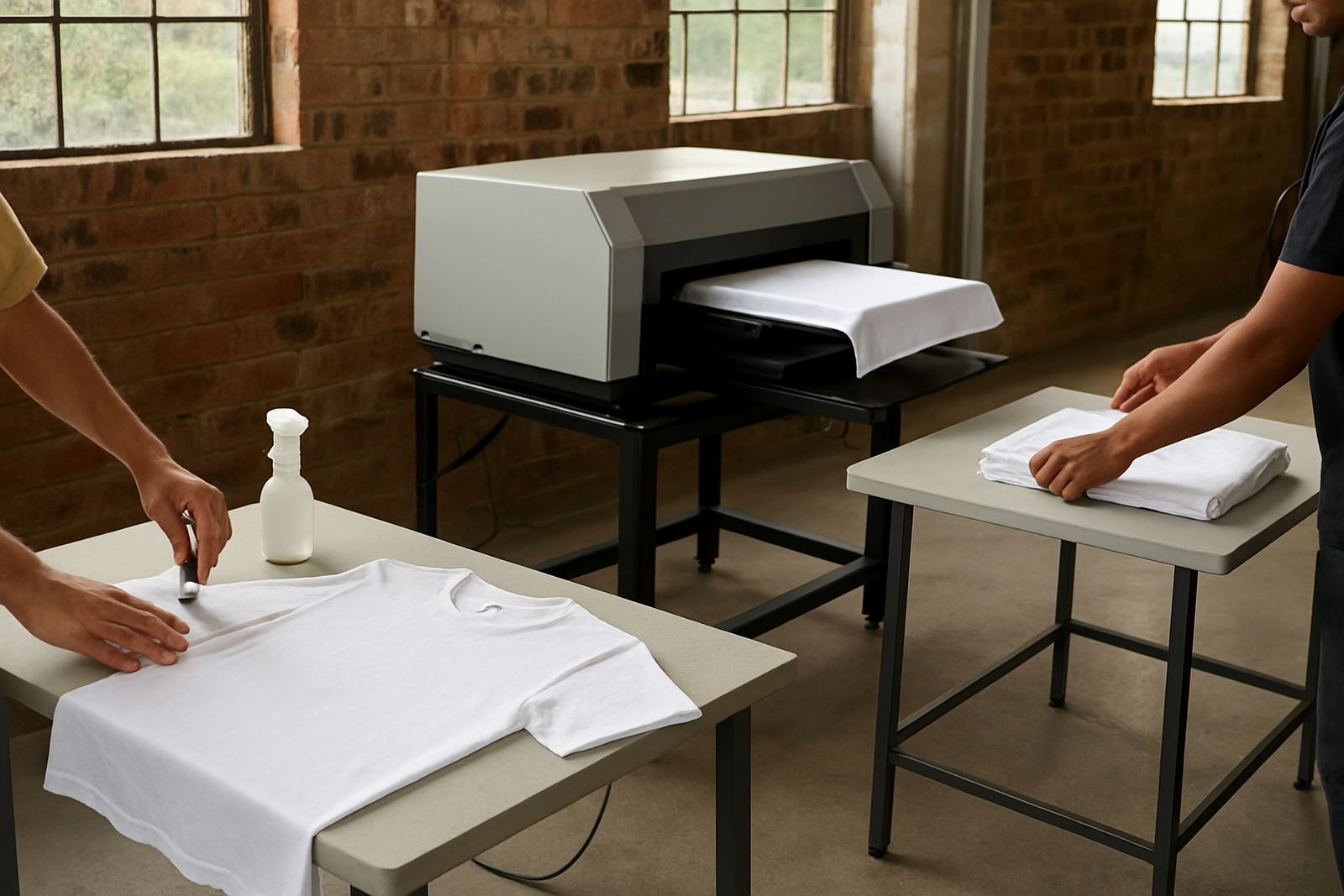
Pretreat is often where one shift does things differently from another without meaning to. Too much pretreat can leave marks, while too little can make whites look dull or colours bleed. The handover should note the garment type, how many sprays or grams were applied, and whether the shirt was allowed to dry fully before printing.
In Johannesburg, winter air can be dry, while Durban humidity can change how quickly a pretreat layer behaves before curing. If the shop changes from a dry inland morning to a damp afternoon, the next operator needs to know. The same is true when a job is moved after a power cut, because a cold platen or paused heater can affect the finish. Small notes matter here, not just the main numbers.
Keep a short log for:
- Pretreat volume and spray pattern
- Drying time before the print starts
- Heat press or curing settings used
- Room conditions if they changed during the shift
- Any test shirt kept aside for comparison
This kind of record makes it easier to repeat a good result later and to explain why a batch looked different. It is also useful when troubleshooting with remote support or during an onsite visit, because there is something concrete to work from.
Hand Over the Small Problems Before They Become Batch Waste
A shift handover is not only for finished jobs. It should also pass on the small issues that can turn into waste if nobody spots them early. A platen that sits slightly out of level, a hoop that slips under pressure, or a garment that keeps shifting during loading can all cause the same faint misprint again and again.
Before the next operator takes over, note any of these warnings:
- Machine drift or unusual movement during printing
- Ink strike-through or uneven white underbase
- Fabric puckering at the edge of the platen
- Flashing or curing that took longer than normal
- Any operator adjustment that worked for one job but not another
That warning list is especially useful in shops scaling up for a season peak or a sports event order. If one person has already found the problem, the next person does not have to rediscover it by scrapping ten shirts. It keeps the production line calmer and gives the team a better chance of finishing on time.
Make the Handover Part of End-of-Shift Discipline
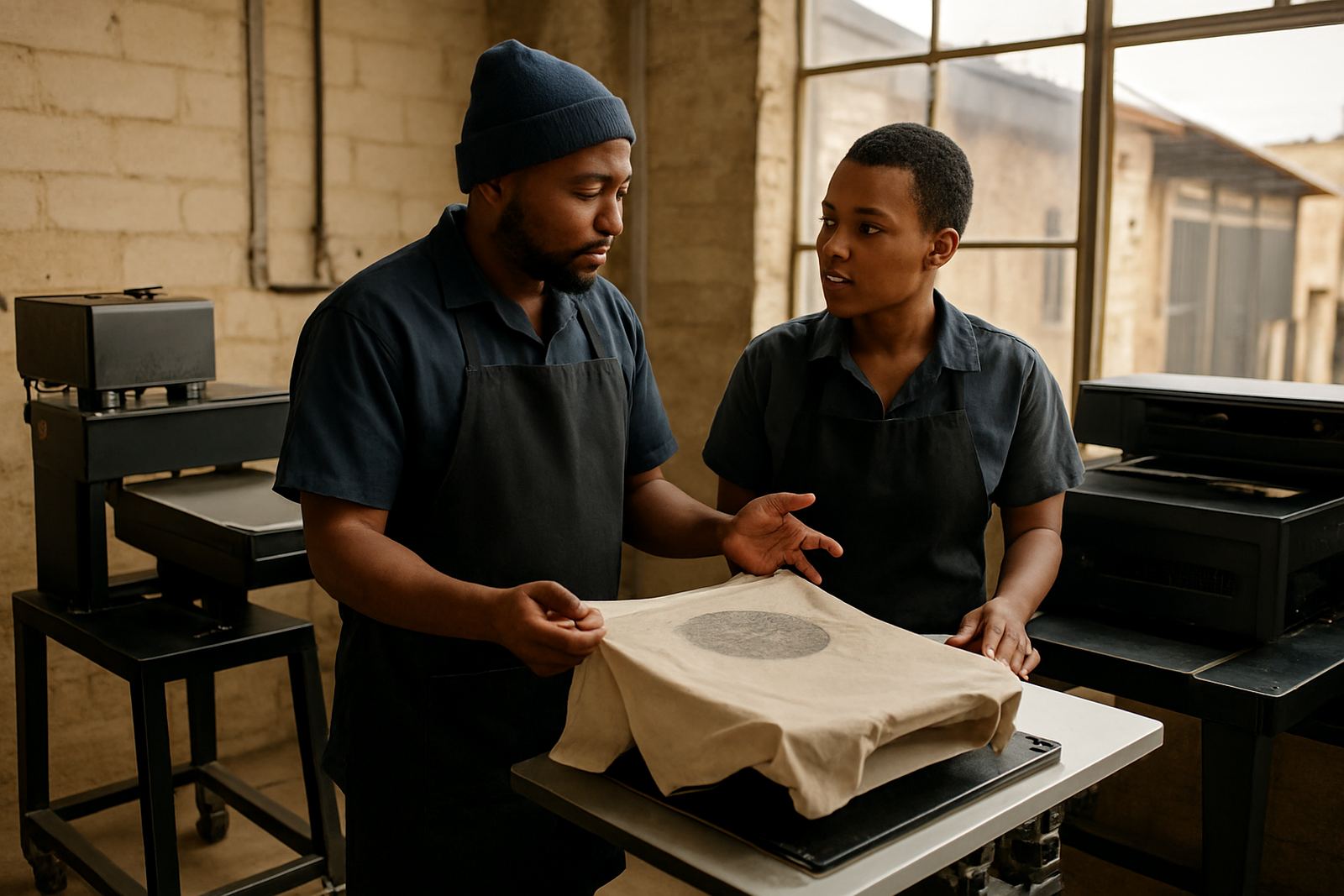
A good handover should be built into the end of every shift, not left for when someone has spare time. Ten minutes is often enough if the team knows what must be covered. One person talks through the job status while the incoming operator checks the platen, the printer condition and the remaining garments. The point is to confirm, not to chat loosely over what happened during the day.
A practical handover routine can look like this:
- Finished jobs counted and labelled
- Pending jobs marked by size, colour and quantity
- Settings recorded for each garment type
- Test print or sample kept with the job card
- Any support issue passed to the right person
At DTGrip, we often see better print consistency when the team treats handover like part of production, not admin. In Crown Mines, for example, a shop doing promotional tees for a Sandton client can lose quality if the night operator guesses the setup from memory. The same shop can hold quality steady if the day shift leaves clear notes, the platen choice and pretreat details are written down, and the next person starts from facts instead of guesswork.
Train Operators to Read the Print, Not Just Run the Machine
The best shift handover is easier when every operator understands what they are looking at. Training should cover more than button pressing. Operators need to know how to spot a dry print, a heavy pretreat patch, a slight image shift, or an undercured finish before the shirts leave the bench.
That is why ongoing training matters in shops with multiple operators. One person may be good with setup, another with curing, and another with sample testing. If they all speak the same production language, the handover becomes shorter and more accurate. It also helps when a supervisor is not on site and the team has to solve a problem on the floor.
For growing print rooms, the goal is simple: every shift should leave the next one with a clean starting point. The garment count, the platen size, the pretreat notes and the print result should all tell the same story. When that happens, the team spends less time fixing yesterday and more time finishing today.