
Why light shirts slow down in busy shops
Light shirts often look easy to print on, yet they can cause more slowdowns than heavier garments. The fabric shifts more easily, the print area shows every misalignment, and if the pretreat is not even, the first press can leave marks that slow the whole batch down.
In a Johannesburg workshop, the pressure on turnaround is real. Shops in Crown Mines, Sandton and Midrand often need same day work for events, retail orders and school runs, so a few extra seconds per shirt becomes a real cost. Speed only helps if the print stays clean, centred and repeatable.
For light garments, the aim is not to rush. The aim is to remove avoidable handling steps. That usually means choosing the right platen size, reducing repositioning and making sure operators can work with the same setup all day.
Choose the platen size that matches the job
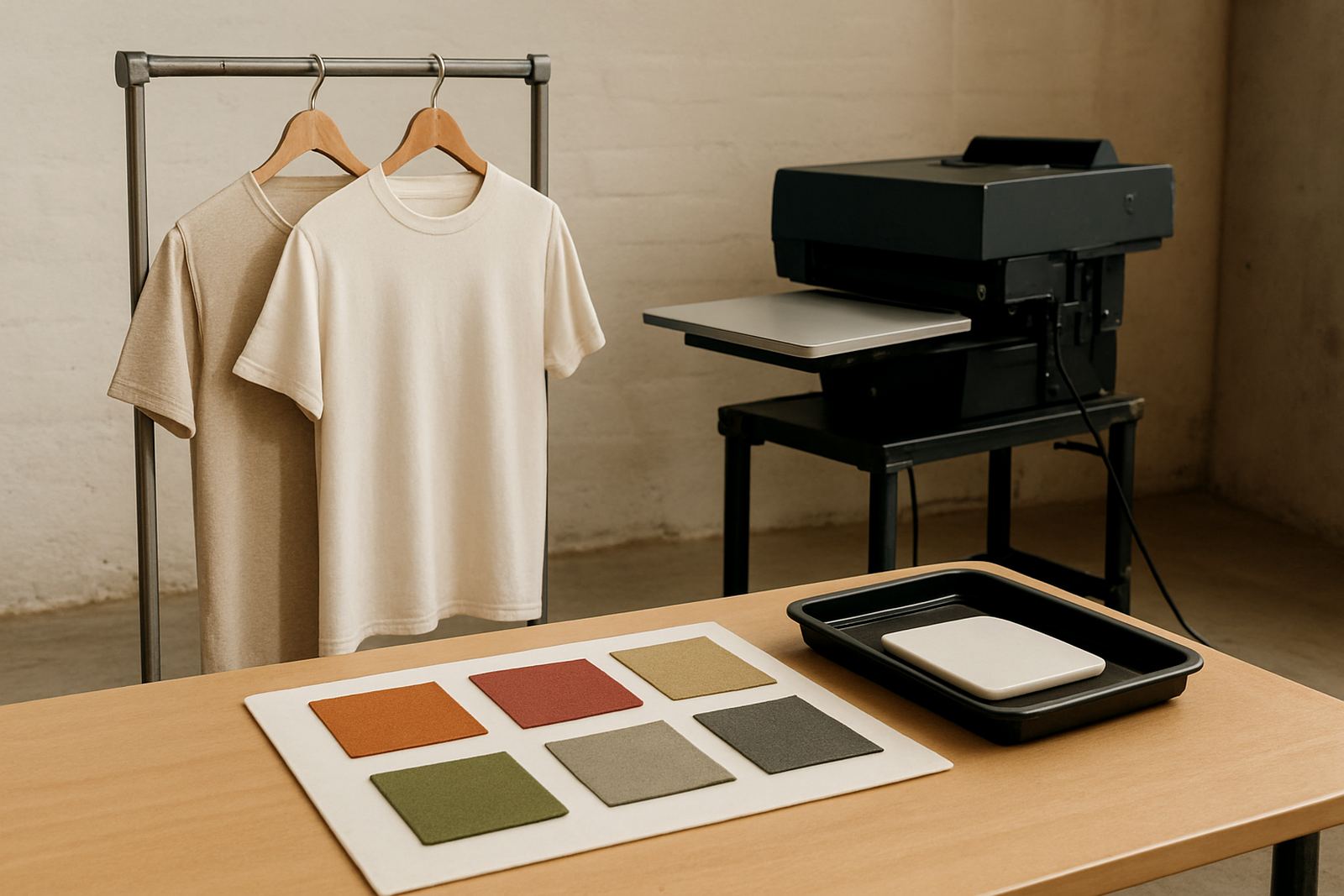
Oversized platens can slow an operator down because the shirt has to be spread out more carefully before each print. A platen that matches the garment size makes loading easier and keeps the print zone where it should be. On light tees, that often means having a few platen sizes ready rather than forcing every job onto one board.
Shops handling mixed orders in Pretoria East or Centurion usually benefit from a simple platen plan. Keep the most used sizes within arm's reach and label each one clearly, so operators do not waste time searching or guessing.
- Use smaller platens for fitted tees and youth garments.
- Keep a standard adult size for bulk promotional work.
- Set aside a larger platen for oversized garments or special placement.
- Check that the garment sits square before the press closes.
A good platen setup also helps with consistency on thin cotton and polycotton. When the shirt sits flat from the start, there is less lifting at the seams and less need for correction after the print.
Pretreat control makes the biggest difference
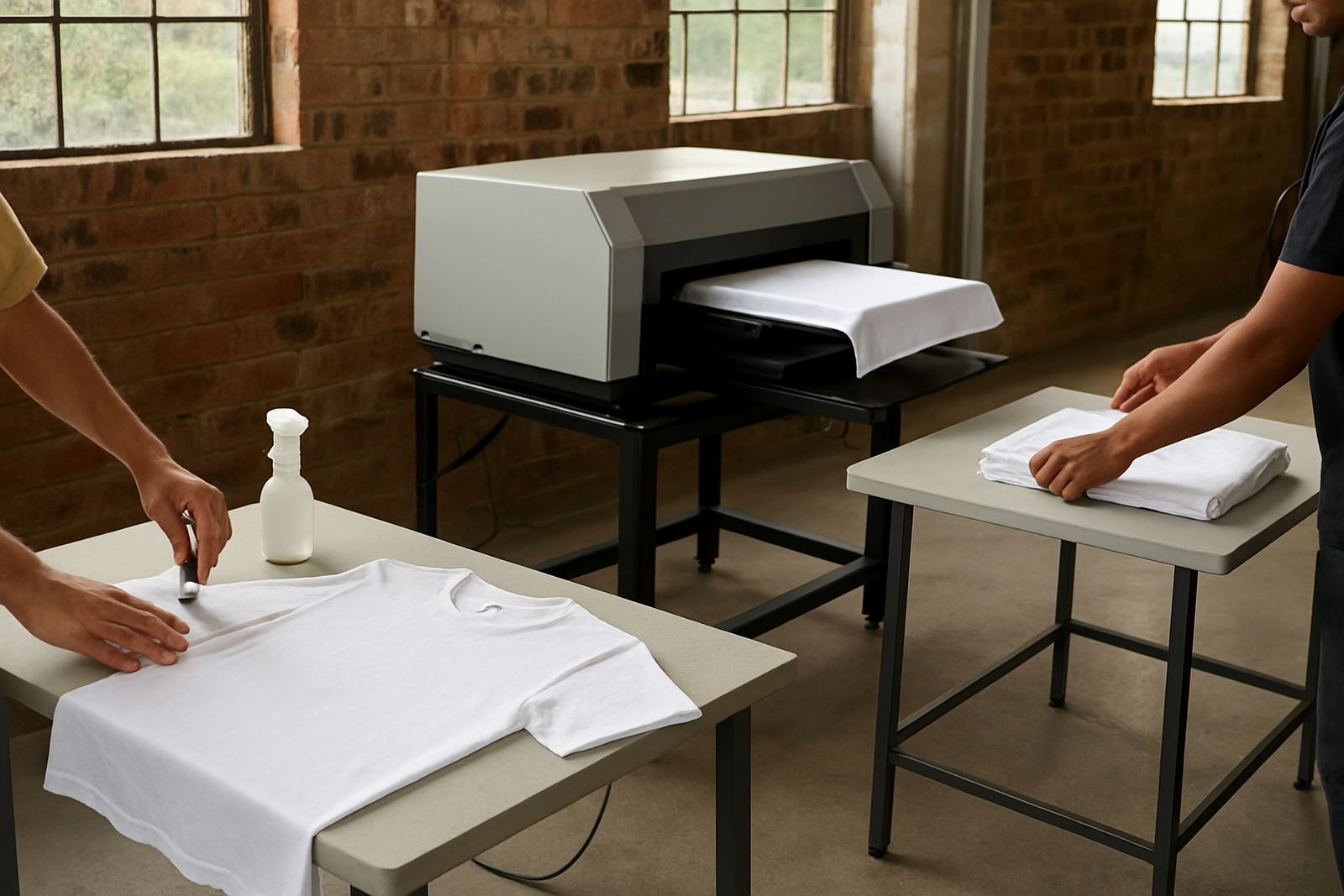
Pretreat on light garments can speed you up or slow you down depending on how well it is controlled. Too much liquid means more drying time and more chance of visible staining. Too little means weak colour and extra handling later. A predictable workflow matters more than fancy equipment.
Keep the pretreat pattern consistent from garment to garment. Operators should know how many passes to apply, how far to keep the nozzle, and how long each shirt needs to dry before printing. In humid conditions near Durban, this matters even more because drying times can shift during the day, especially in summer.
- Measure pretreat the same way for every batch.
- Keep the spray area clean so overspray does not build up.
- Separate wet pretreat shirts from ready-to-print shirts.
- Test new fabric types before a bulk job, not halfway through.
Where shops are scaling up, a pretreat workflow review can cut a lot of wasted time. The goal is simple: each operator should know what comes next without stopping to ask.
Train the operator, not just the machine
Speed on light shirts depends a lot on the person loading the garment. If the operator needs to recheck every alignment line or adjust every collar by hand, the production line will drag. Training should cover the small habits that save time, like folding shirts consistently, using placement marks and closing the press in the same motion each time.
A good training session should be practical, not theoretical. A team in Randburg or East Rand may already know how to print, but still lose time because each person has a slightly different routine. Once everyone uses the same steps, the output becomes steadier and the shop can plan better for courier cut offs and next-day dispatch.
Useful training topics include:
- Correct platen loading and garment smoothing.
- Print alignment checks before every run.
- How to spot pretreat marks before curing.
- When to stop and reset instead of forcing a bad shirt through.
That last point matters. A minute spent correcting the setup is often cheaper than replacing a shirt and reprinting the job.
Sample testing keeps the batch moving
Light garments vary more than many shops expect. A shirt that prints well on Monday may behave differently on another supplier, another cut or another fibre mix. That is why sample testing should be part of the production routine, not something reserved for special jobs.
Test one or two garments from the batch before the full run starts. Check how the pretreat dries, how the first print sits on the fabric and whether the colours stay even after pressing. If the sample is right, the rest of the batch can move without hesitation.
For shops serving fashion labels and promotional orders from Johannesburg to Pretoria, sample testing also protects margins. It prevents large batches from being held back by a avoidable issue that could have been seen on the first shirt.
A Crown Mines workflow that saves minutes all day
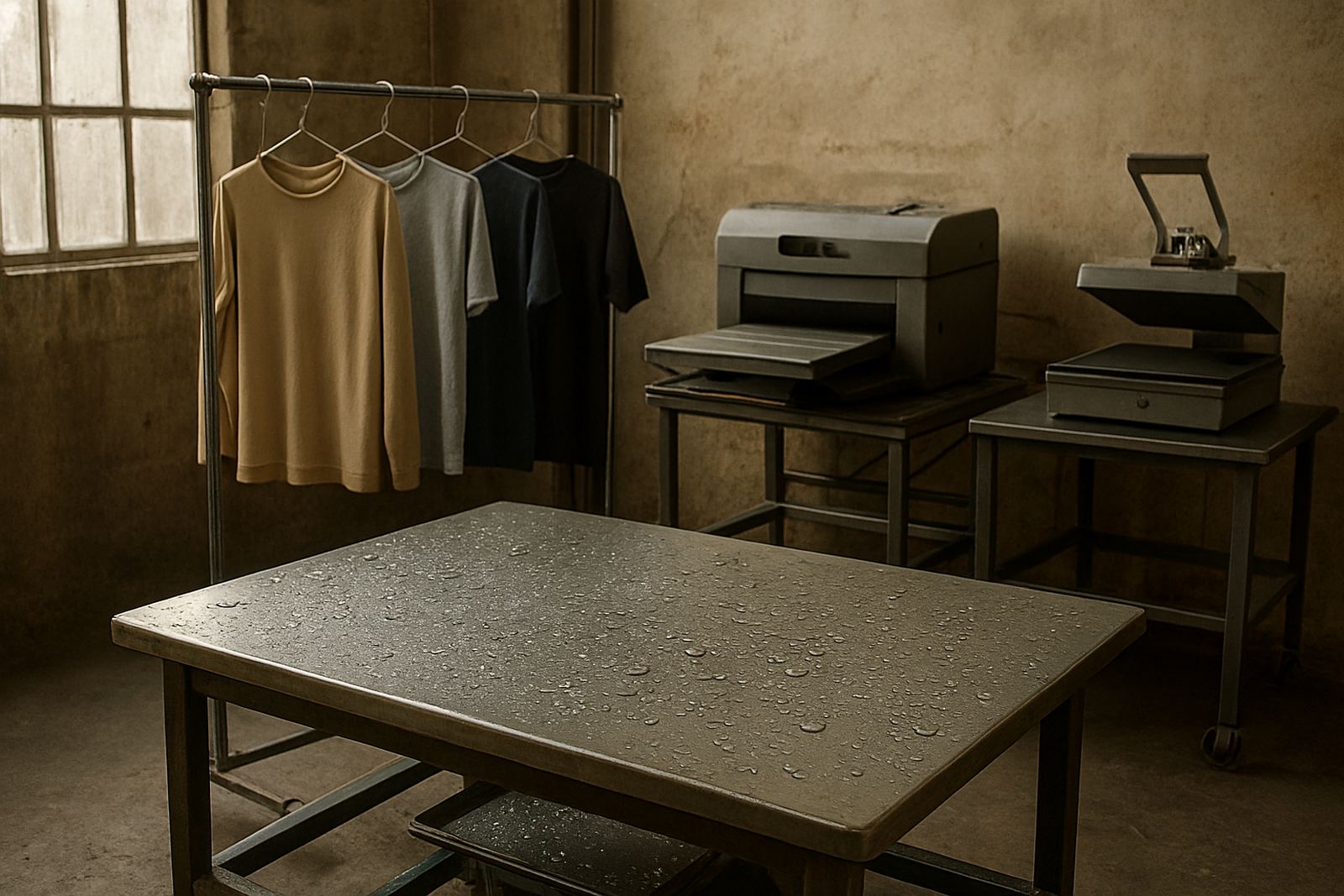
In a Crown Mines production room, the difference between a slow day and a strong one often comes down to layout. If the pretreat area, press and curing space are too far apart, operators spend the whole day walking. If the most used platens are packed away, they lose time on every order.
A practical layout for light shirt speed would keep the loading point close to the pretreat area, with finished garments moving in one direction only. The less a shirt is handled, the faster it leaves the floor. That also helps on load-shedding days, when every restart and reset costs time and patience.
One local shop we worked with cut its light tee turnaround by reorganising the platen sizes, assigning one operator to pretreat only, and using a simple checklist at the press. Nothing dramatic, just fewer stops and fewer second guesses. The result was steadier output, better consistency and less rework on the busy Monday rush.
Keep production steady when orders jump
Light shirt work often spikes around launches, sports events and month-end campaigns. When the order book jumps, the shop that already has a clear system can scale without chaos. That means setting up the right platens, keeping a spare kit ready and knowing when to adjust the workflow before the pressure hits.
If your team handles mixed volumes across Sandton, Midrand, Centurion or further out to Durban, production scaling should be planned before the next rush. A remote troubleshooting session or onsite support visit can help identify bottlenecks in setup, alignment or drying before they start affecting turnaround. The aim is to keep the line moving with less stress and no surprises.
Speed on light shirts is not about rushing the press. It is about removing the things that slow the press down. When the platen, pretreat and operator routine all work together, the shop can print faster and still send out shirts that look right first time.