
Why Moisture Changes the Print Before Ink Even Lands
When a garment carries extra moisture, the fibres behave differently under the platen and under heat. The surface can feel dry to the touch but still hold dampness inside the weave, especially after washing, overnight storage, or a cold morning in a corrugated store room. That hidden moisture affects how pretreatment spreads and how the ink sits on the fabric.
In DTG work, consistency depends on the garment being in the same condition from one job to the next. A shirt that is slightly damp will often need more time on the heat press, may show uneven colour, and can leave a softer, less defined print edge. On darker garments, the problem is often more obvious because the white underbase does not cure evenly and the final print can look flat or chalky.
What High Humidity Does in Johannesburg and Coastal Areas
Johannesburg winters can be dry outdoors, but workshop conditions change quickly when doors are open for deliveries, washing is done nearby, or stock is stored against a cool concrete wall. In Durban and other coastal areas, humidity stays high for longer periods, so garments absorb moisture from the air even when they have not been washed. That makes pretreat behaviour less predictable.
- Garments may need longer pre-press times before pretreatment or printing
- Stored stock can feel dry on top but still hold moisture in the fold lines
- Ink may spread slightly more on a damp surface, reducing detail
- White prints can cure unevenly if the fibre release is inconsistent
For shops working across seasonal changes, moisture control is not a once-off fix. It needs to be part of daily workflow, from receiving stock to final curing. A rainy week in Midrand or a humid stretch in Durban can change the behaviour of the same fabric batch pretty fast.
Signs Your Garments Are Too Damp for Reliable DTG Prep
Most print shops spot the issue only after a few poor prints. The warning signs are usually there earlier, but they get mistaken for ink, pretreatment or operator error. If one batch keeps behaving differently from the next, moisture is worth checking first.
- Garments feel cool after pre-press instead of warm and dry
- Pretreatment beads or sits unevenly on the fabric
- Prints dry slower than usual after curing
- Fine detail softens around edges on cotton blends
- Dark garments show inconsistent white coverage
Sometimes the clue is as simple as a stack of tees that sat overnight in a closed box after a delivery. In a Crown Mines workshop, that can happen even in winter, because temperature changes between loading bays, packing areas and the press station are enough to trap moisture in the cloth.
Practical Ways to Keep Moisture Under Control
Good moisture control does not need expensive gear, but it does need routine. The aim is to keep garments in a stable condition before you pretreat, press or print. If your shop handles fashion runs, promo stock, or rush orders for events, consistency matters more than ever.
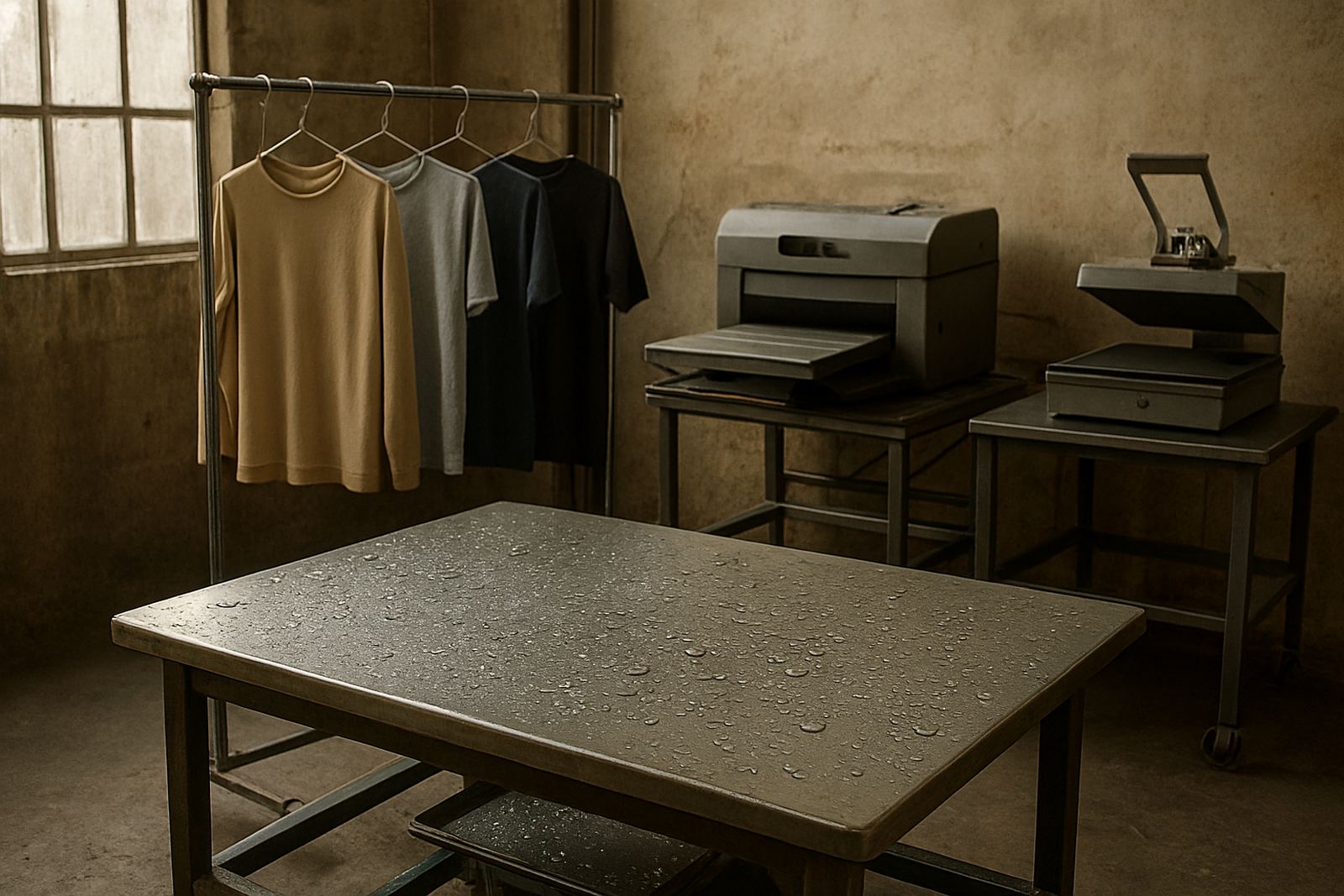
- Store blank garments off the floor and away from exterior walls
- Open cartons early enough to let stock acclimatise to the room
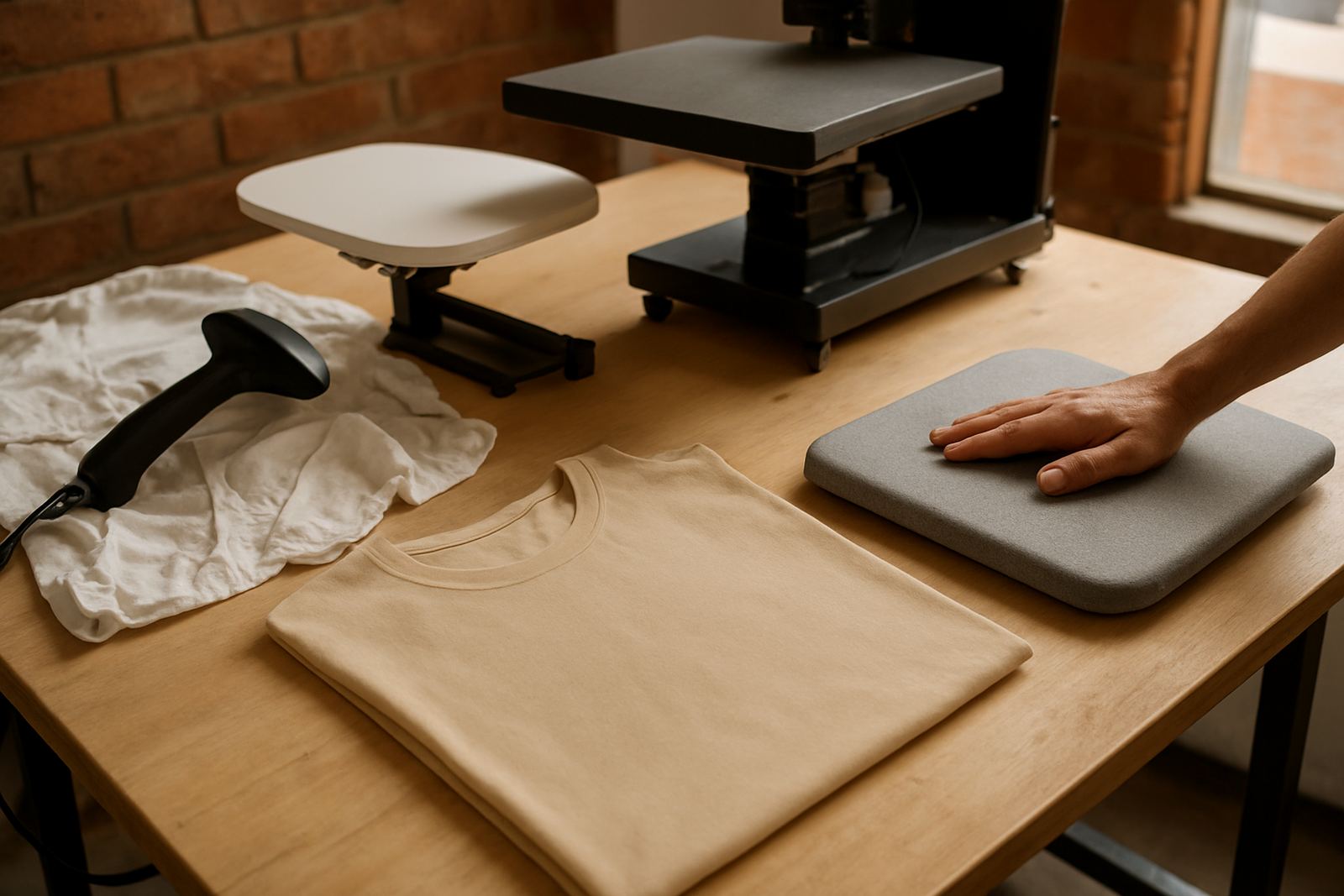
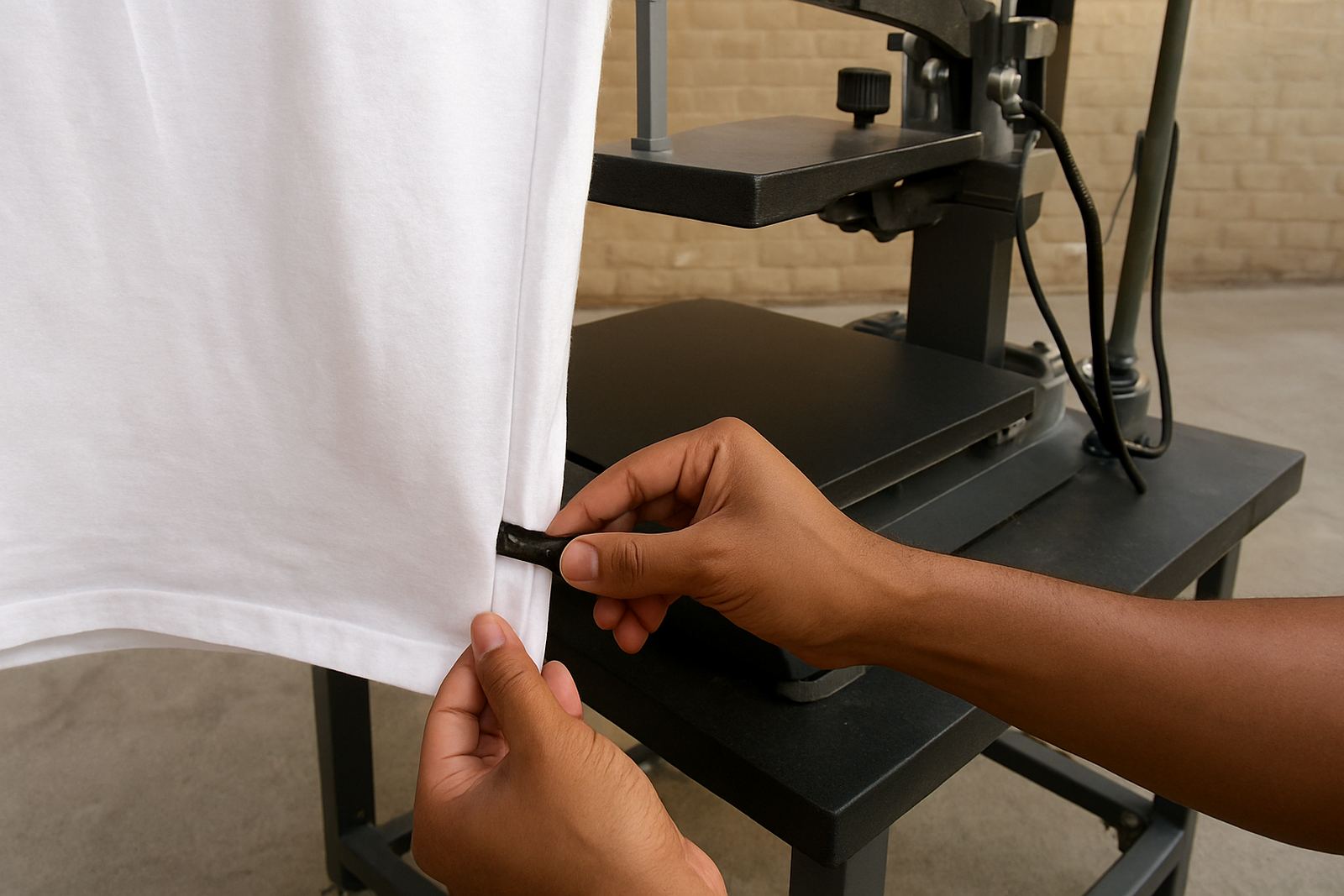
- Pre-press each garment long enough to remove hidden dampness
- Keep washed garments separate from dry stock
- Use a simple humidity check in the print area when conditions change
A practical workflow helps. For example, a Centurion shop printing school event shirts may receive a mixed batch on Monday, pretreat on Tuesday and print on Wednesday. If the shirts remain bagged for too long, moisture can build up in the pile. Breaking the stock into smaller groups and warming each garment before pretreating keeps the finish much more even.
How Moisture Affects Pretreatment and Curing
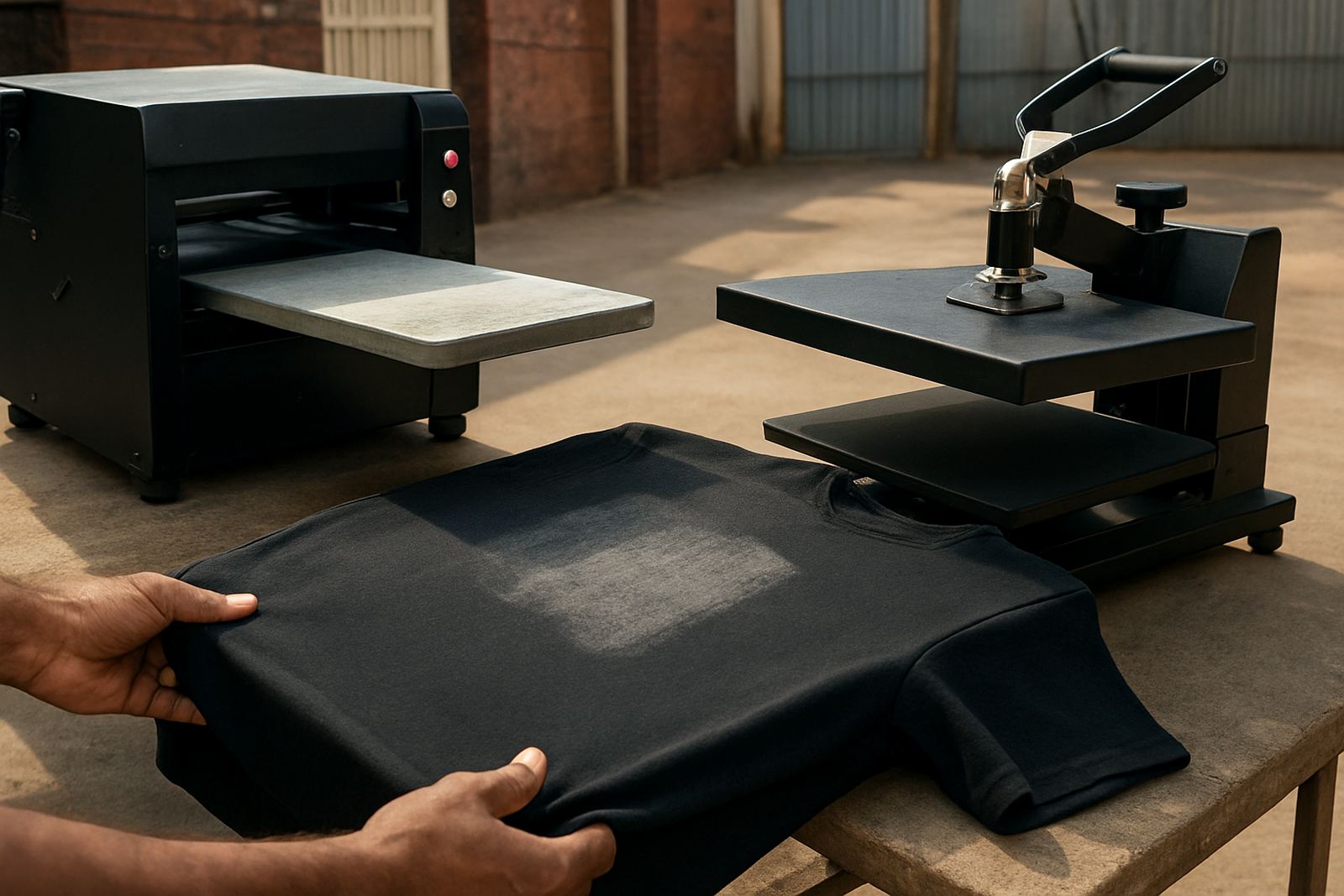
Pretreatment is designed to sit on the fabric in a controlled way. If the garment is damp, the liquid can spread beyond the target area or soak deeper into the fibres than expected. That changes the print surface and can make the result feel heavier than it should. The same garment may also need more heat to cure properly, which increases the chance of scorching or creating shine on sensitive fabrics.
Curing is where many shops lose time. A shirt that looks ready may still hold moisture inside the weave, so the first flash or heat cycle only dries the top layer. The print then seems fine for a moment, but later shows problems such as wash loss, uneven feel or reduced opacity. On a busy production floor, that means reprints, rework and slower turnaround.
A Local Example from a Busy Print Floor
A shop in Randburg handling promotional garments for a corporate run can get caught out by weather and storage at the same time. The stock arrives on a wet morning, sits near an open shutter door, then moves straight to pretreatment. The operator follows the same settings as usual, but the prints come out patchy and the white underbase looks thin in places. The problem is not the printer, it is the garment condition.
Once the team adjusts the workflow, the difference is immediate. They let the cartons settle indoors, pre-press a bit longer, and run a small sample before production starts. That small pause saves material and avoids sending weak prints into a client order. For shops serving Sandton, Pretoria East and the East Rand, this kind of check can be the difference between a clean job and a rework day.