

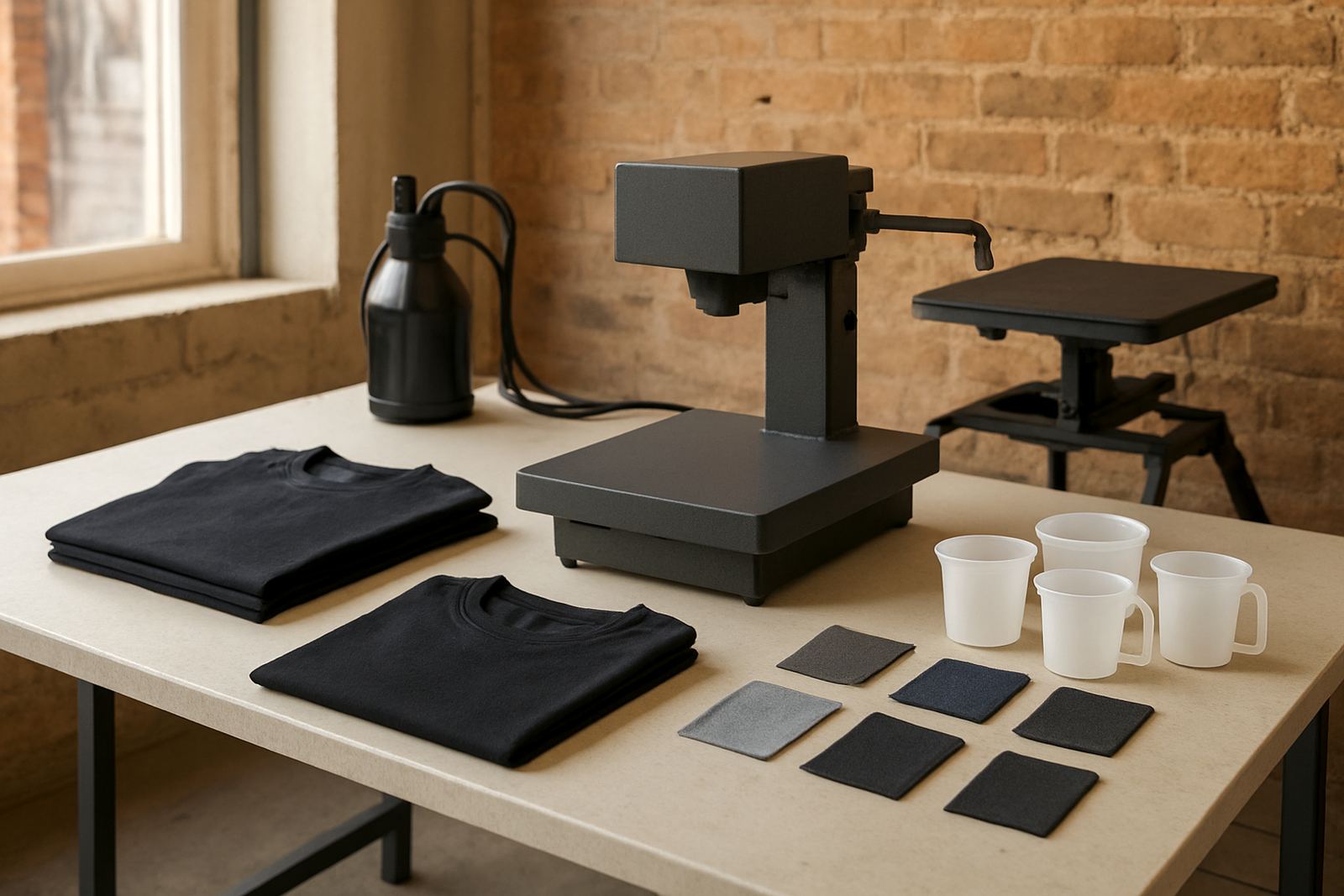
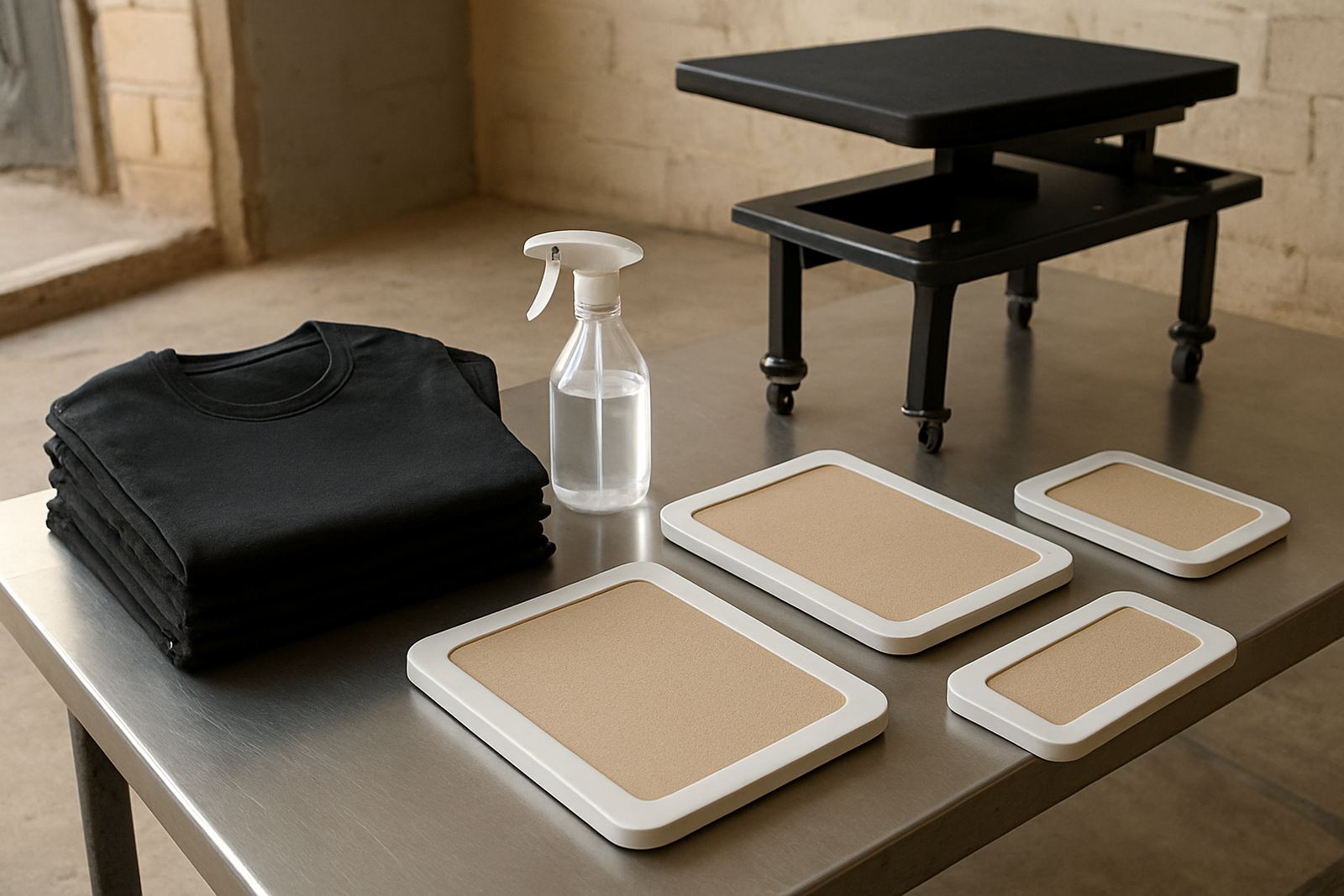
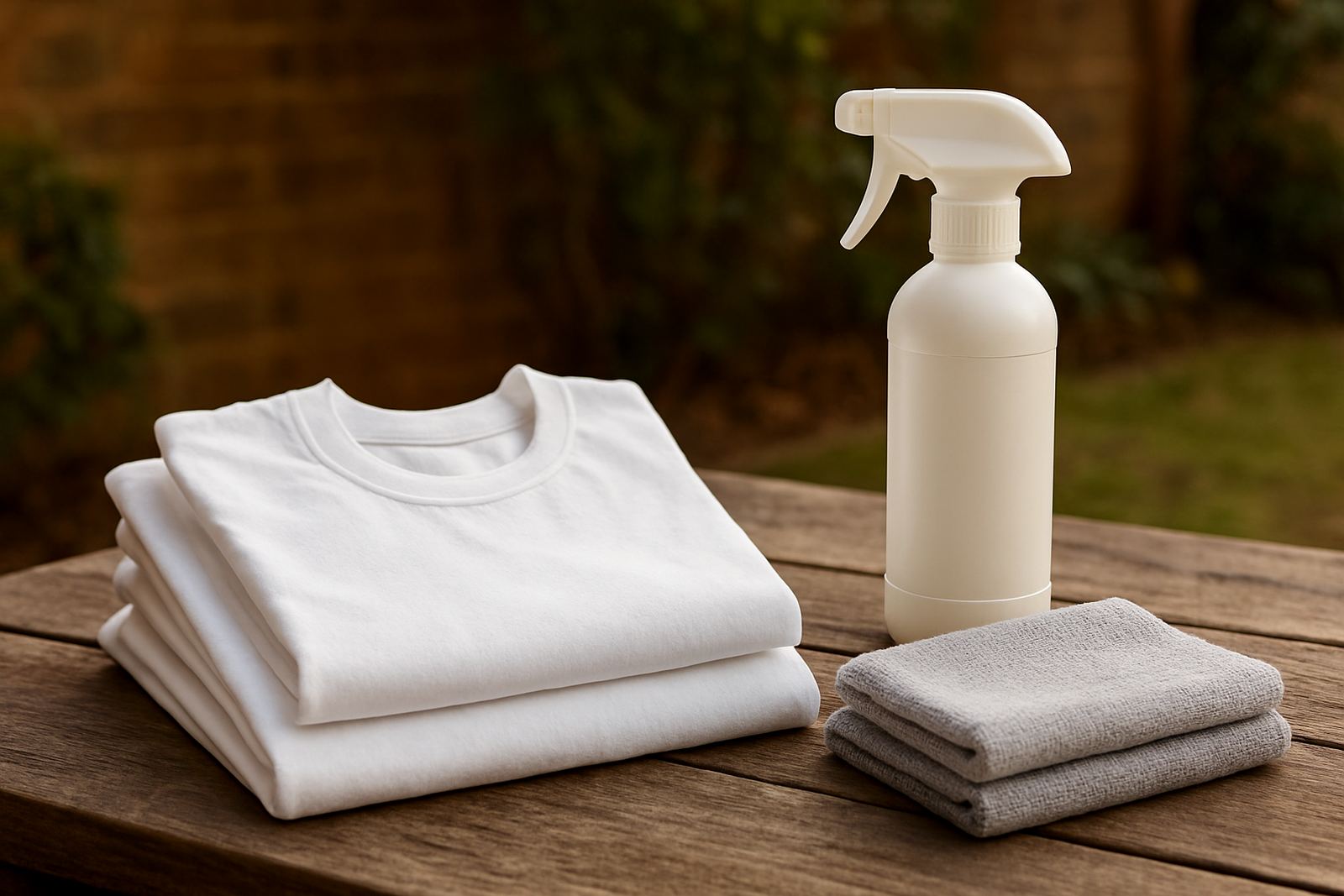
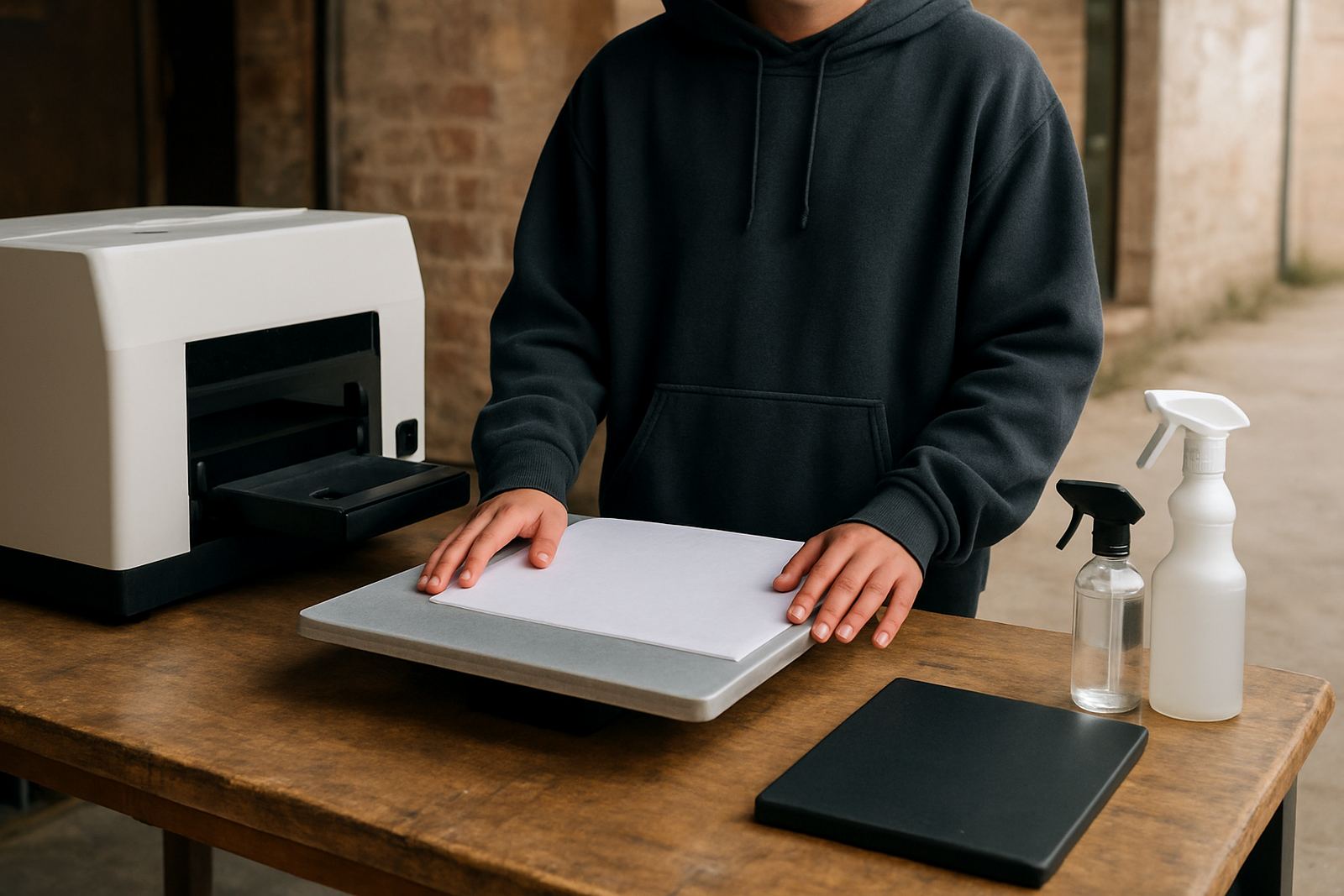
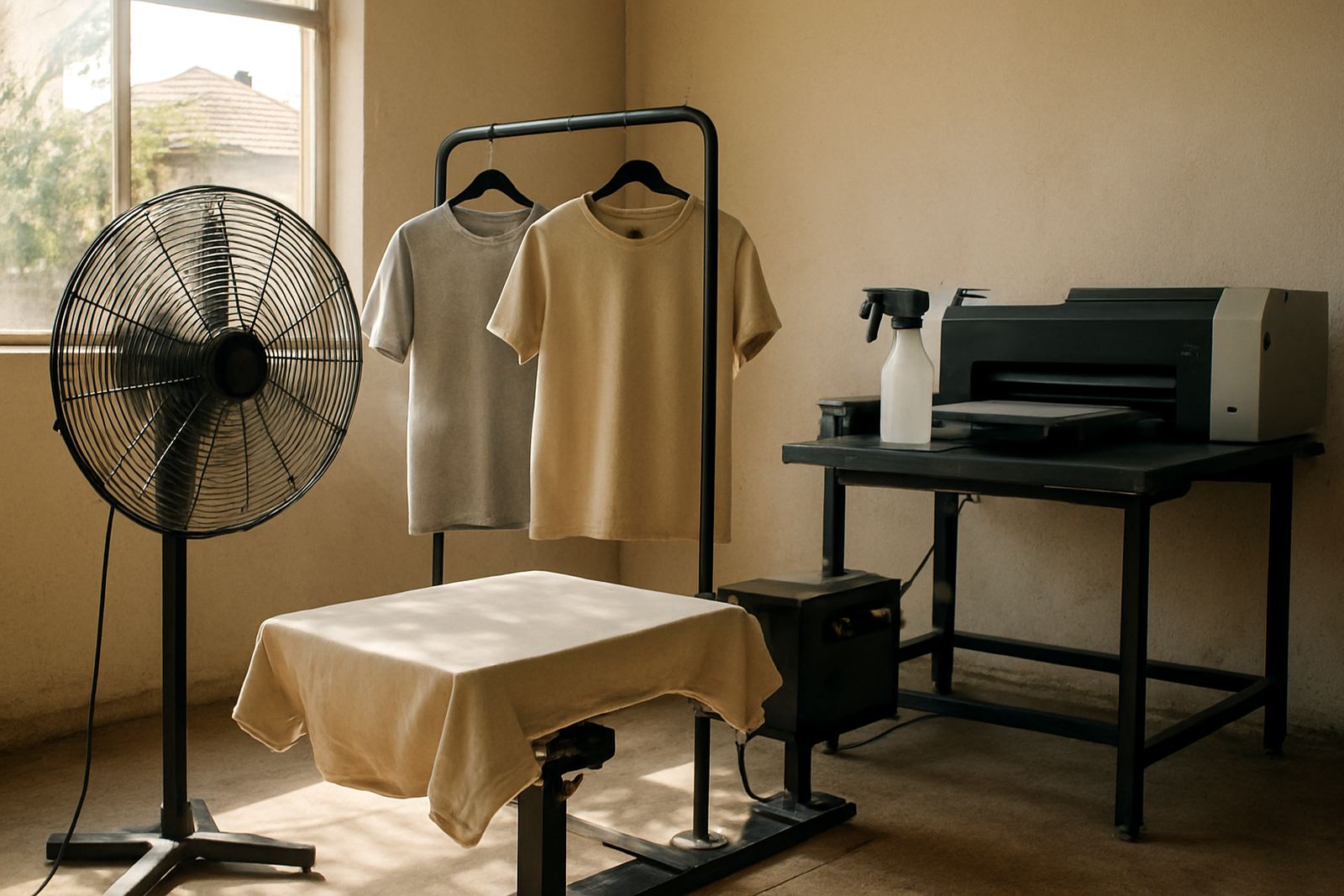
How to choose the right pretreat method
Not every garment needs the same pretreat approach. A light tee for a 1-colour promo run, a dark hoodie with a large front print, and a high-cotton premium shirt all need different coverage, drying and press settings if you want sharp colour and solid wash performance.
Start with the fabric, then look at ink load, garment colour and how the order will be finished. If your shop handles mixed batches in Johannesburg, Pretoria or Durban, a simple decision process saves time and keeps operators from guessing at the press.
Guides for fabric type and garment colour
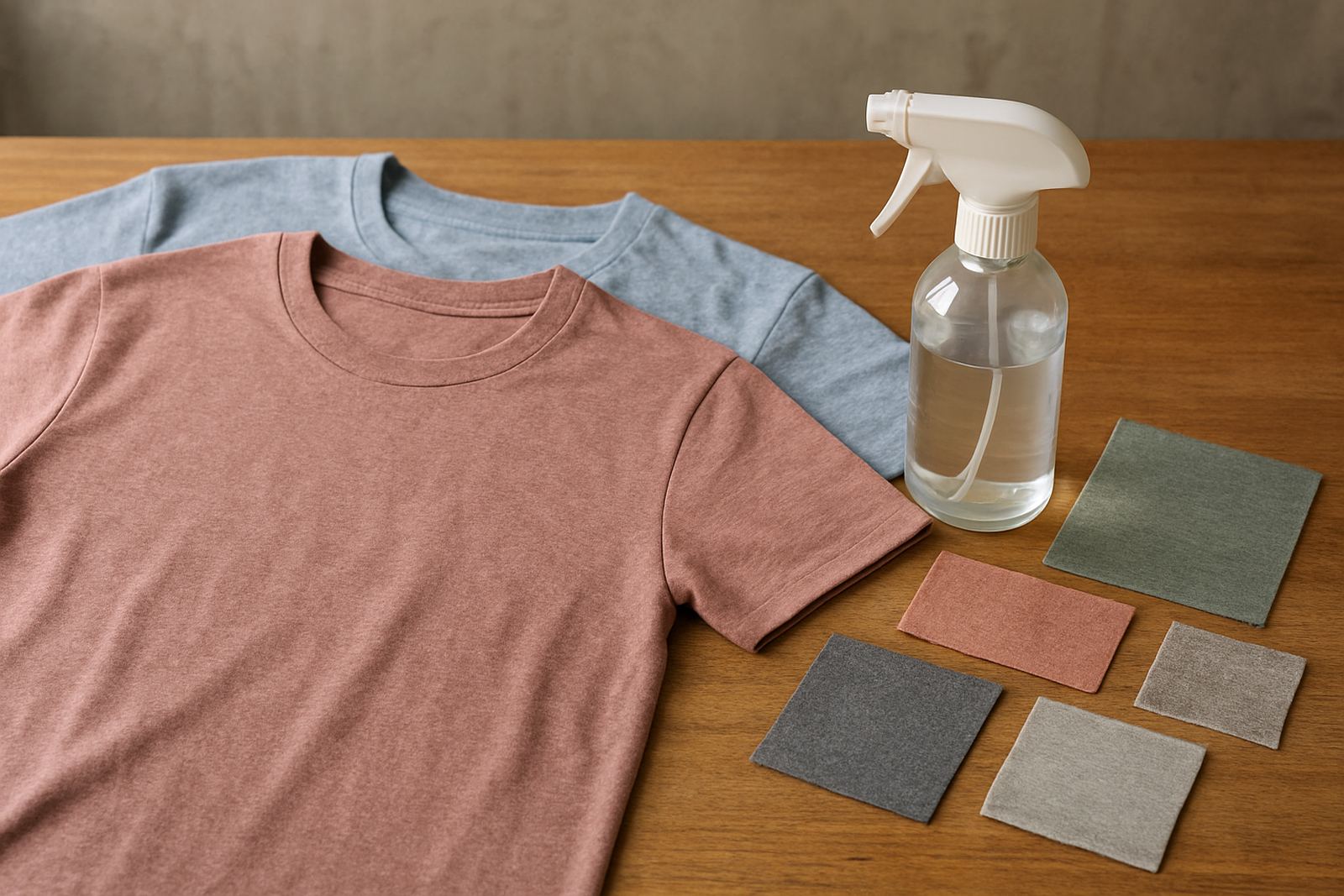
Fabric content changes how pretreat sits on the garment and how the print cures. Cotton usually takes a more direct approach, while poly blends need closer control so the coating does not leave marks or affect hand feel. Dark garments often need a fuller pretreat layer than light garments, especially where white underbase work is involved.
- 100% cotton: useful for strong colour hold and cleaner detail on everyday tees
- Cotton rich blends: good for fashion and promo work where softness matters
- Dark garments: usually need tighter coverage and even spray pattern
- Light garments: often need a lighter application to avoid stiff patches
Pretreat setup for busy workshop production
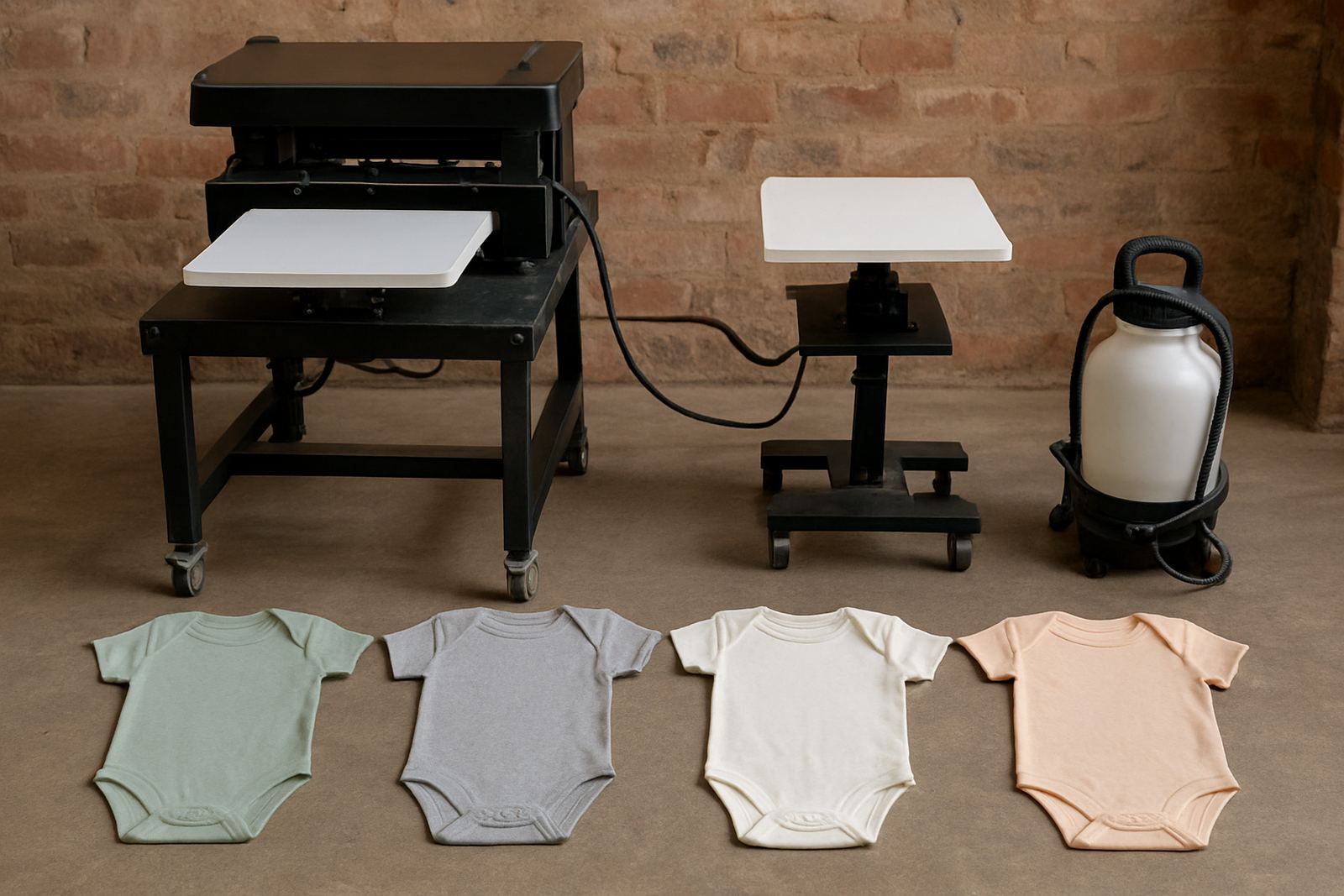
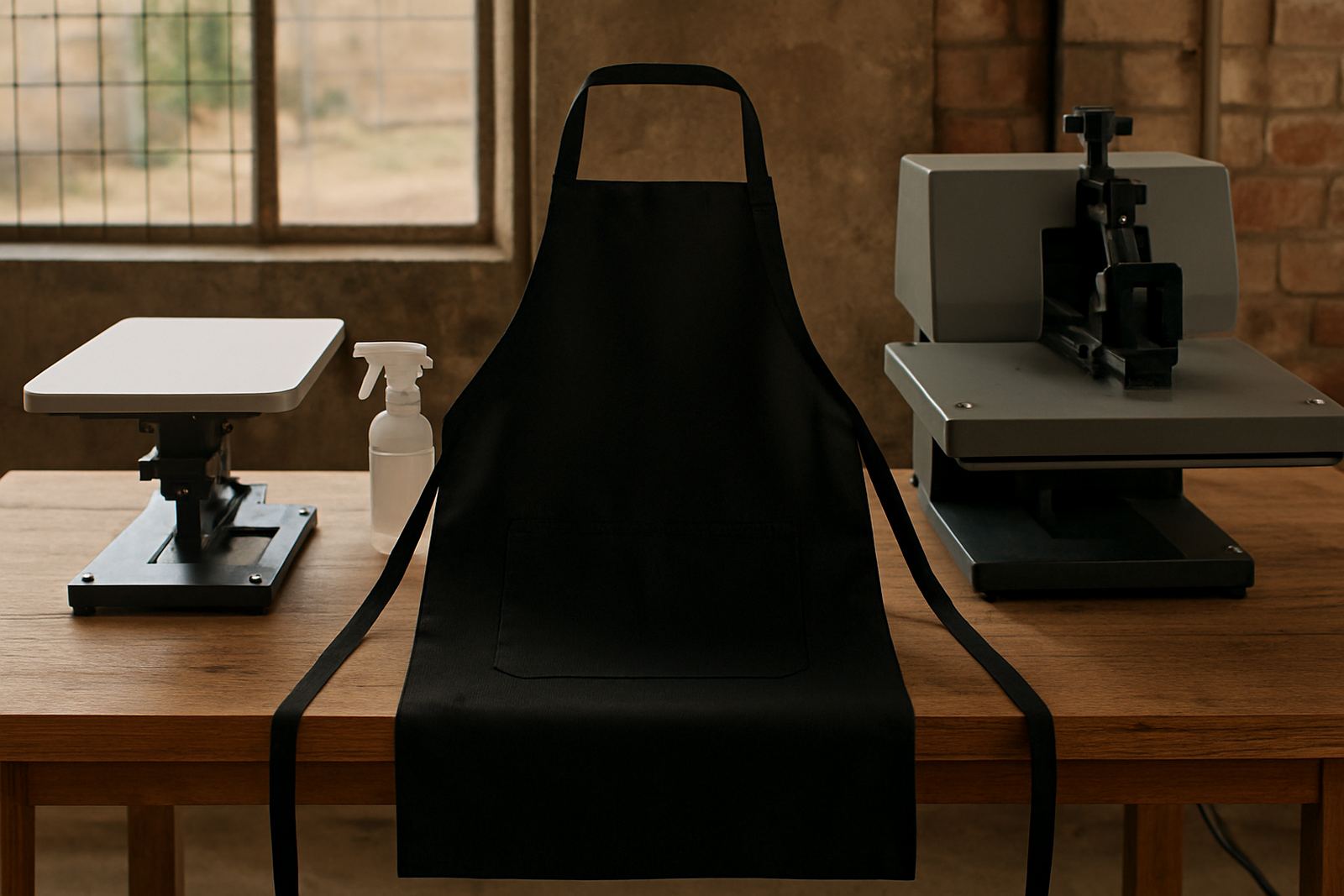
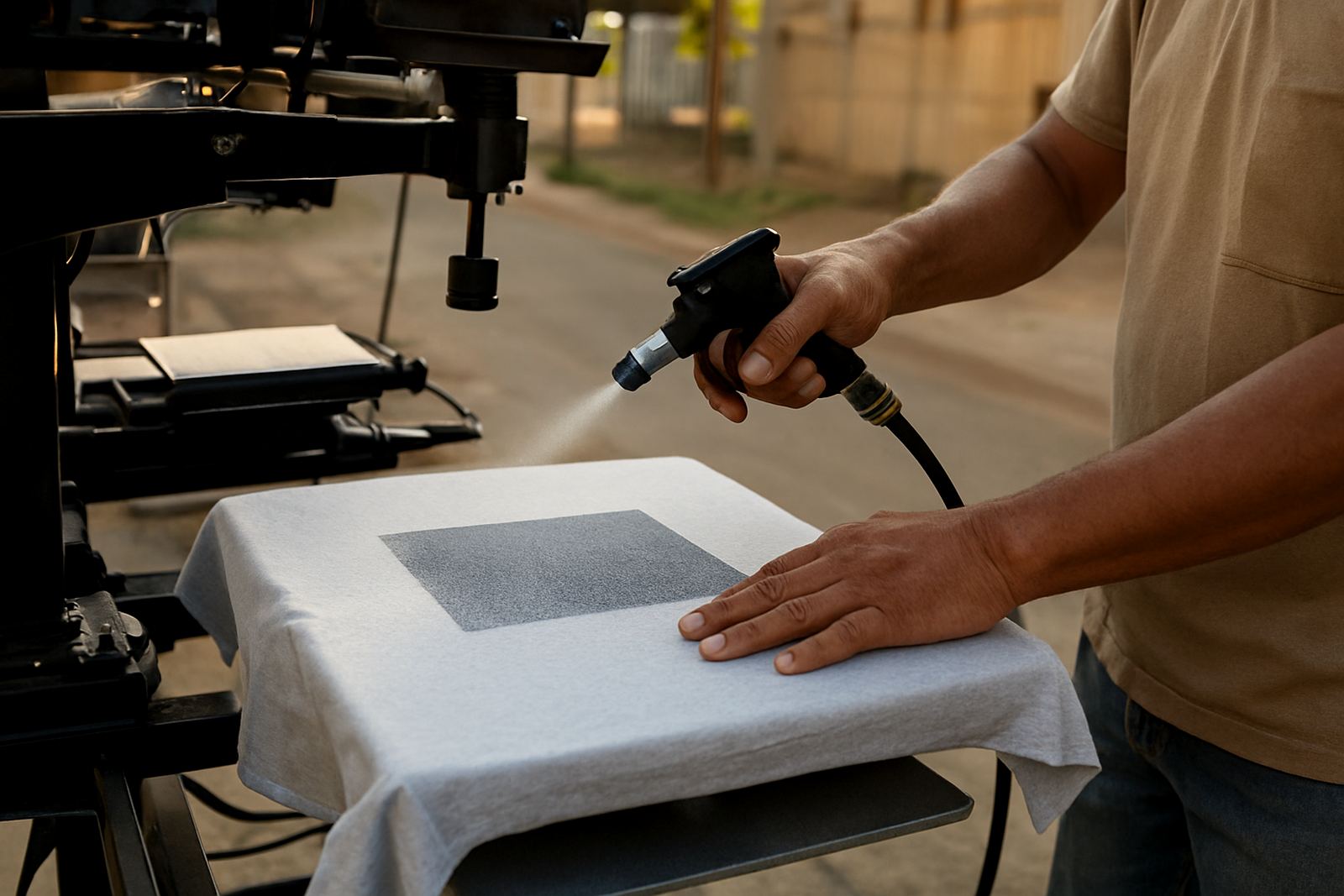
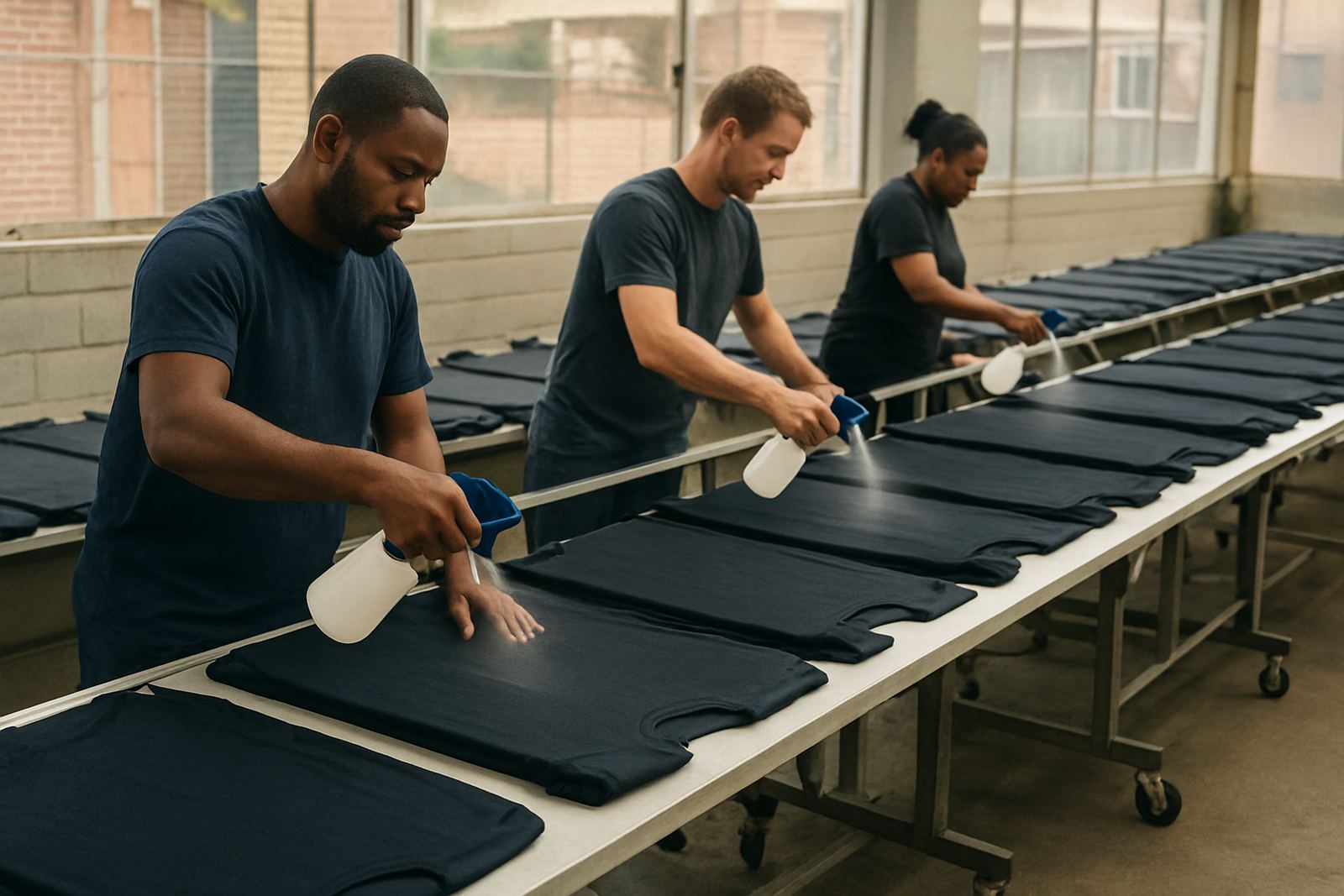
In a busy shop, pretreat is not only about the liquid itself, it is about how the whole workflow is arranged. That includes garment loading, spray consistency, drying method, platen size and how the operator checks for overspray or missed corners before the shirt goes to print.
Many print shops in Crown Mines, Randburg and Midrand work on mixed day sheets, so a repeatable workflow helps reduce waste. It also makes it easier to train new staff, especially when orders switch between small custom runs and larger repeat batches.
- Keep one spray method for each main fabric group
- Label settings for dark, light and blend garments
- Check nozzle condition before each shift
- Dry fully before printing to avoid patching and dull results
Common pretreat problems and how to spot them
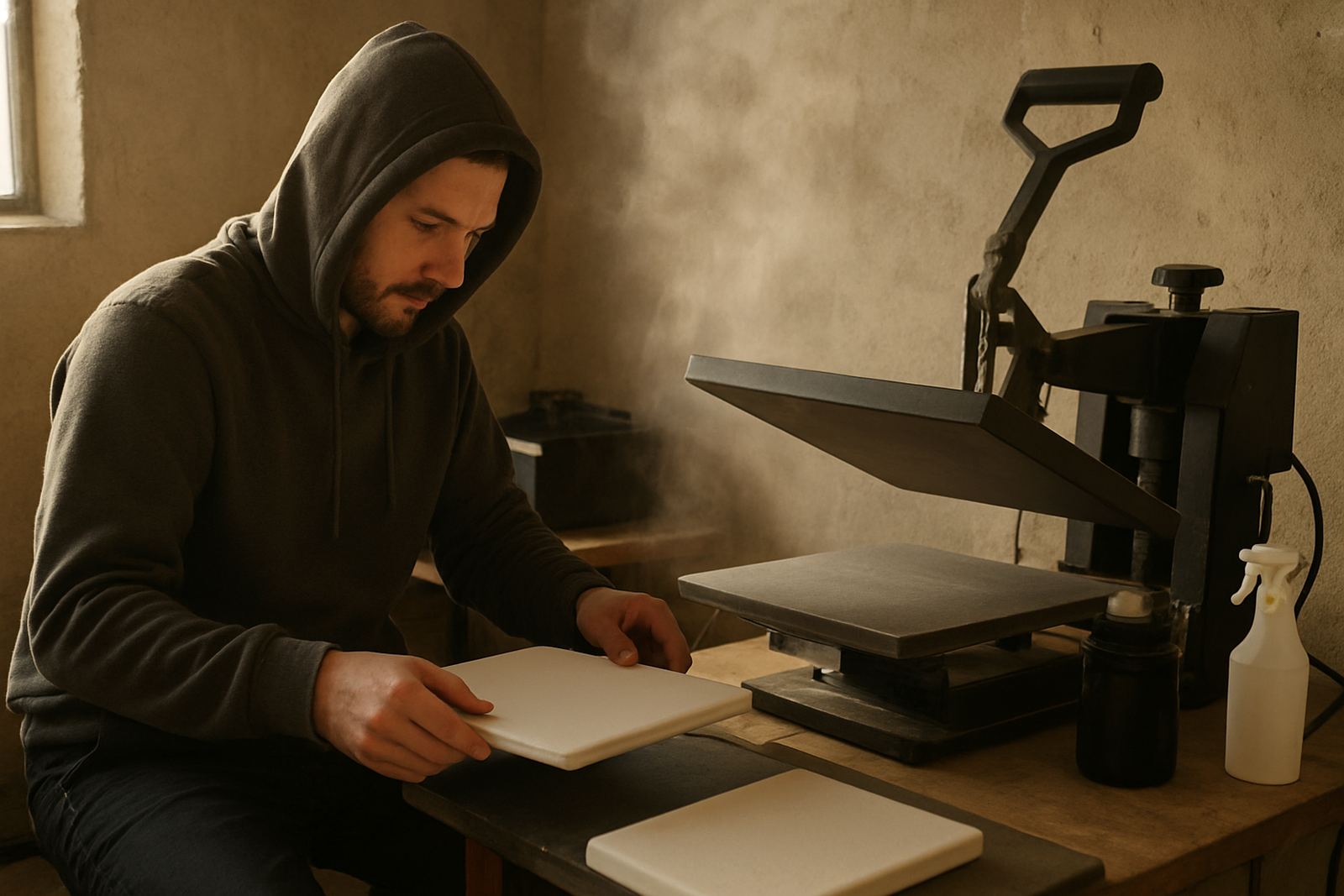
Most pretreat problems show up before the garment reaches the final cure. Uneven spray can leave blotches, too much liquid can stiffen the print area, and poor drying can cause steam marks or a muddy finish. In coastal areas like Durban, extra humidity can slow drying and make the same settings behave differently from week to week.
If the print edge looks fuzzy or the ink sits on top instead of biting into the fabric, the pretreat step needs attention. A simple workflow review often picks up issues like blocked nozzles, wrong platen choice or operators moving too fast between garments.
When to use sample testing before full runs
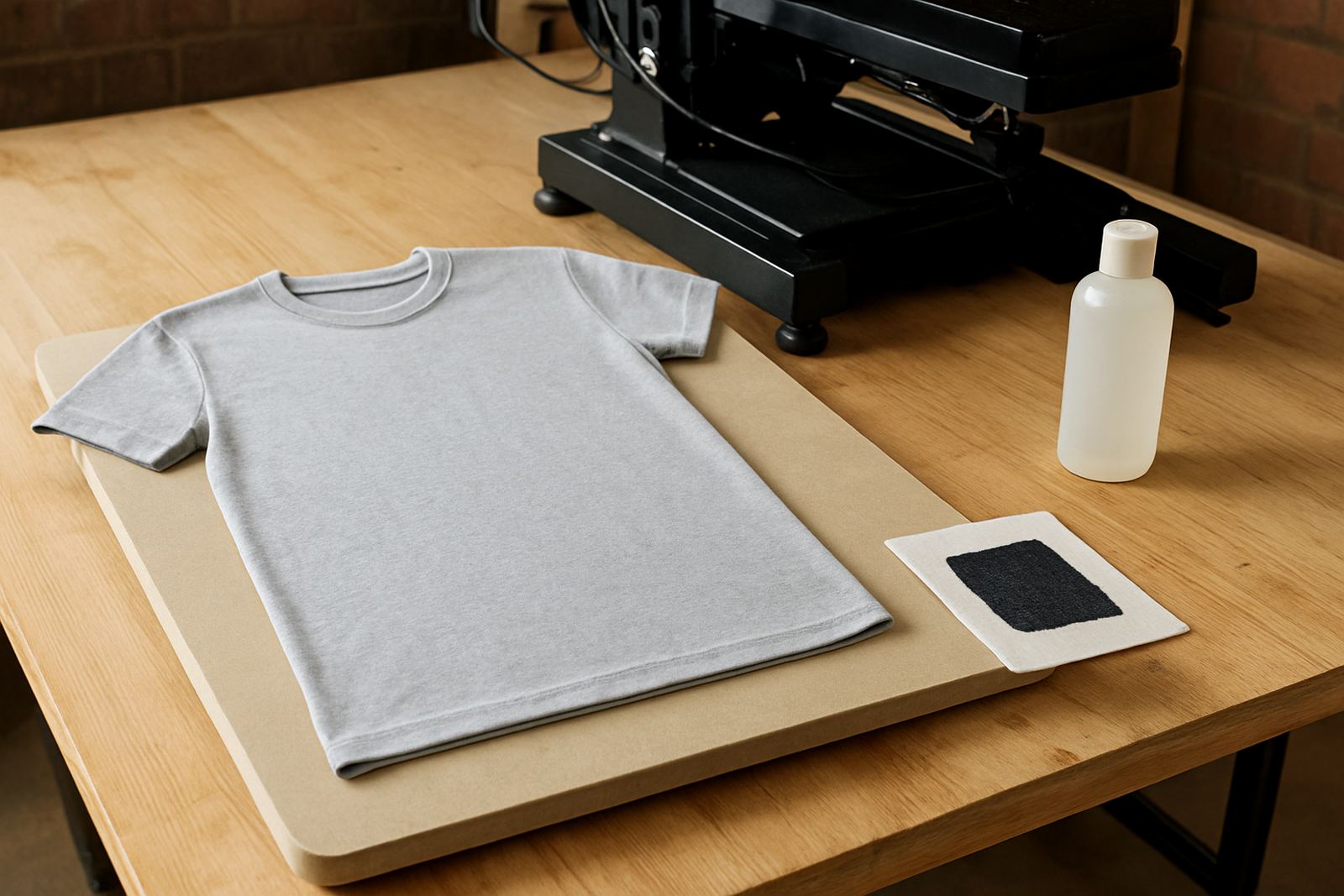
Sample testing is worth it whenever a shop is changing garment supplier, switching from cotton to blends, or taking on a new corporate order with strict colour expectations. One test piece can save a full batch from being reworked, especially when the order has a tight deadline.
Use sample tests to confirm spray amount, drying time, hand feel and wash behaviour. If your team is scaling production in Pretoria East or Sandton, this step helps lock in settings before you commit to a larger run.
- New fabric supplier or new shade of garment
- Large bulk order with repeat reorders expected
- Seasonal work where storage humidity changes outcomes
- Operator handover or training on a new workflow
Getting the right advice for your shop
These guides are written for print shops that need direct, workshop-friendly advice. Whether you are planning a new setup, adjusting a pretreat workflow, or dealing with inconsistent results after load-shedding, the aim is to help you make practical decisions with less trial and error.
If you need help choosing the right path for your garments, order mix and production space, our team can assist with sample testing, operator training, print alignment help and remote troubleshooting. We work with shops across Johannesburg, Centurion, the East Rand and further afield, with next-day courier available nationwide.