
Why babywear needs a different pretreat setup
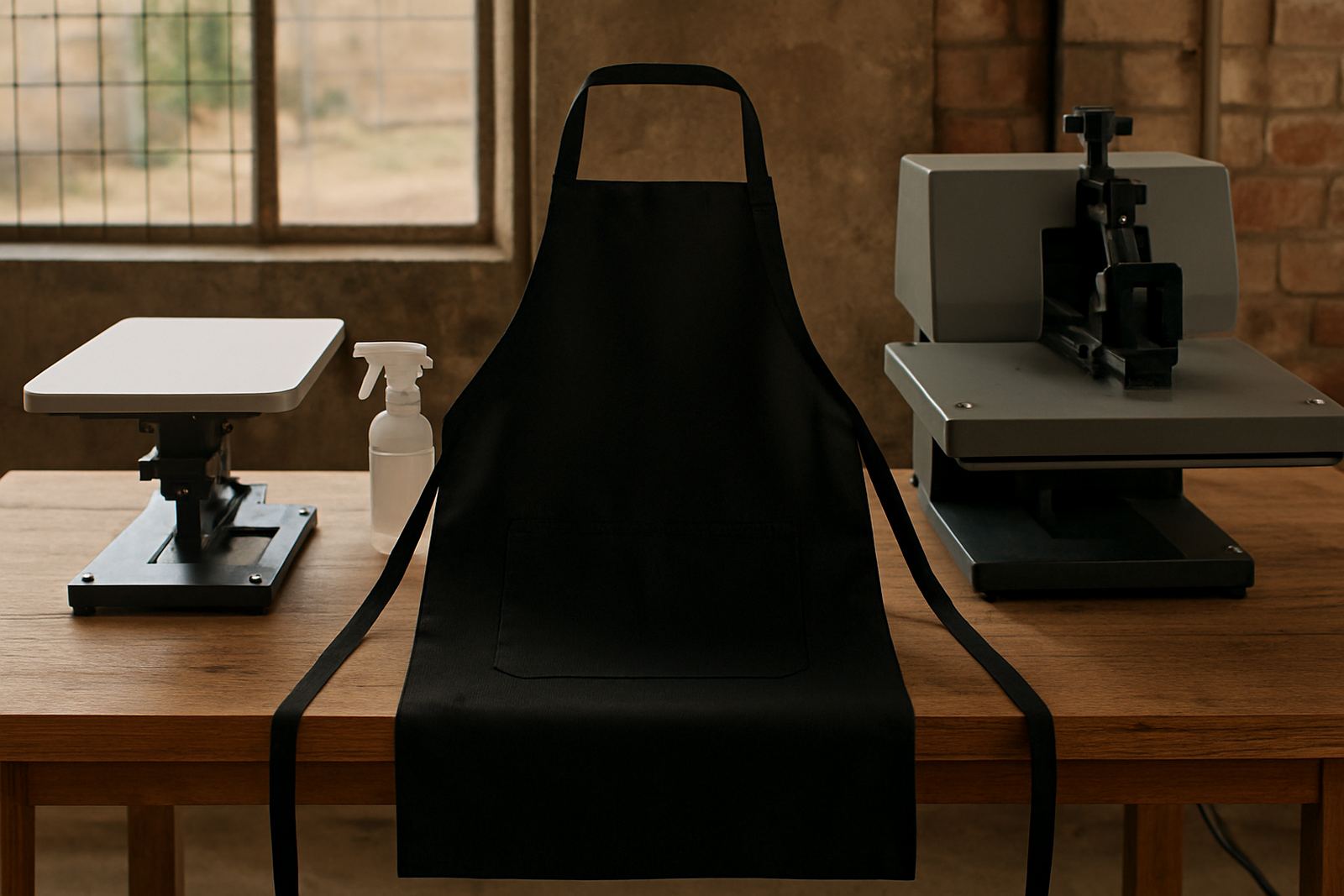
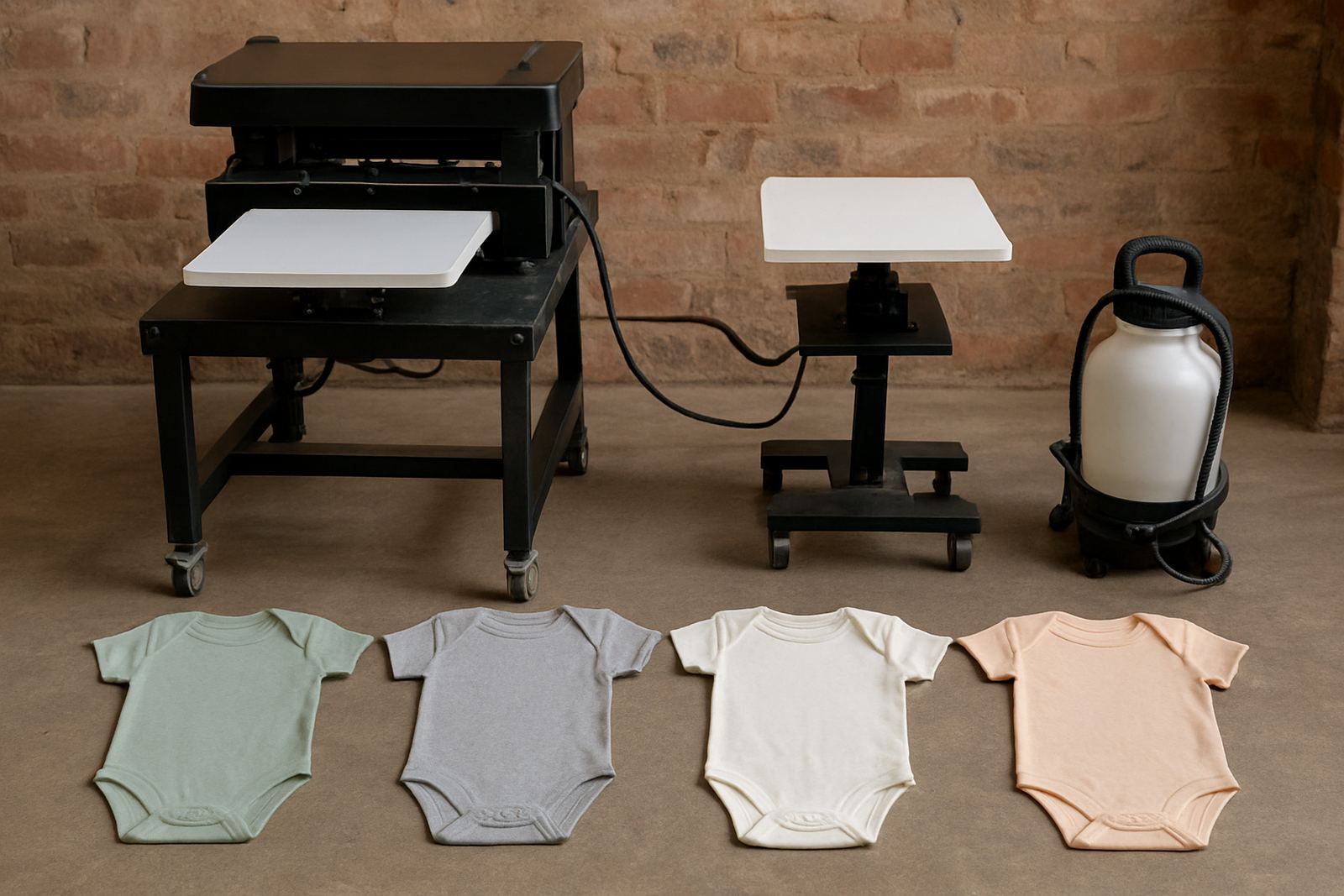
Baby grows, rompers and small tees often look simple to print, but they are less forgiving than standard garments. The print area is tight, the fabric can shift easily, and many babywear items have narrow seams, snaps, folds or ribbing that affect platen choice and spray coverage. If your pretreat is too heavy, the ink can sit on the surface and feel stiff. Too light, and the print may wash out or lose detail after a few cycles.
For shops in Johannesburg, Pretoria East or the East Rand, the biggest issue is consistency when jobs move fast. A good babywear workflow keeps the garment flat, the spray even, and the garment aligned the same way every time. That matters whether you are running a small batch for a boutique in Sandton or a bigger promotional order going out to Durban by courier.
Choose the right platen and loading position
Smaller garments should sit on a platen that supports the print zone without stretching the fabric. If the garment is pulled too hard over the edges, the neckline or side seams can distort and the artwork will shift once the shirt relaxes. Use the smallest platen that still gives full support under the print area, and check that snaps, poppers or shoulder edges are not sitting under pressure points.
- Centre the print zone before you spray pretreat.
- Keep seams outside the spray path where possible.
- Use a flat loading method so the chest panel stays even.
- Check that the garment is not twisted at the side seam or hem.
For babywear, the load should be neat and repeatable. A small change in position can move the print off centre by several millimetres, which is enough to show on a tiny front chest print.
Pretreat amounts for small print areas
Babywear usually needs less pretreat than adult cotton tees. The goal is a light, even coat over the print area only, not the whole shirt. Over-saturation can leave ring marks, cause stiffness, and make drying slower, which is risky when you are working in a load-shedding window and need to keep production moving.
Start with a test on your normal fabric types, then standardise the amount by size and garment type. A good rule is to apply only enough to support the image area and not the full front panel unless the design truly needs it. On lighter garments, too much pretreat can show through after pressing or leave a patchy shine.
- Use the same spray pass count for each size.
- Weigh or measure the application so operators do not guess.
- Keep the spray pattern tight and even across the design area.
- Blot or inspect any overspray before drying.
If the garment has a brushed or textured finish, adjust the pretreat and test again. What works on a plain cotton bodysuit may not suit a blend or softer knit, so sample testing is worth the time.
Drying and pressing without scorching babywear
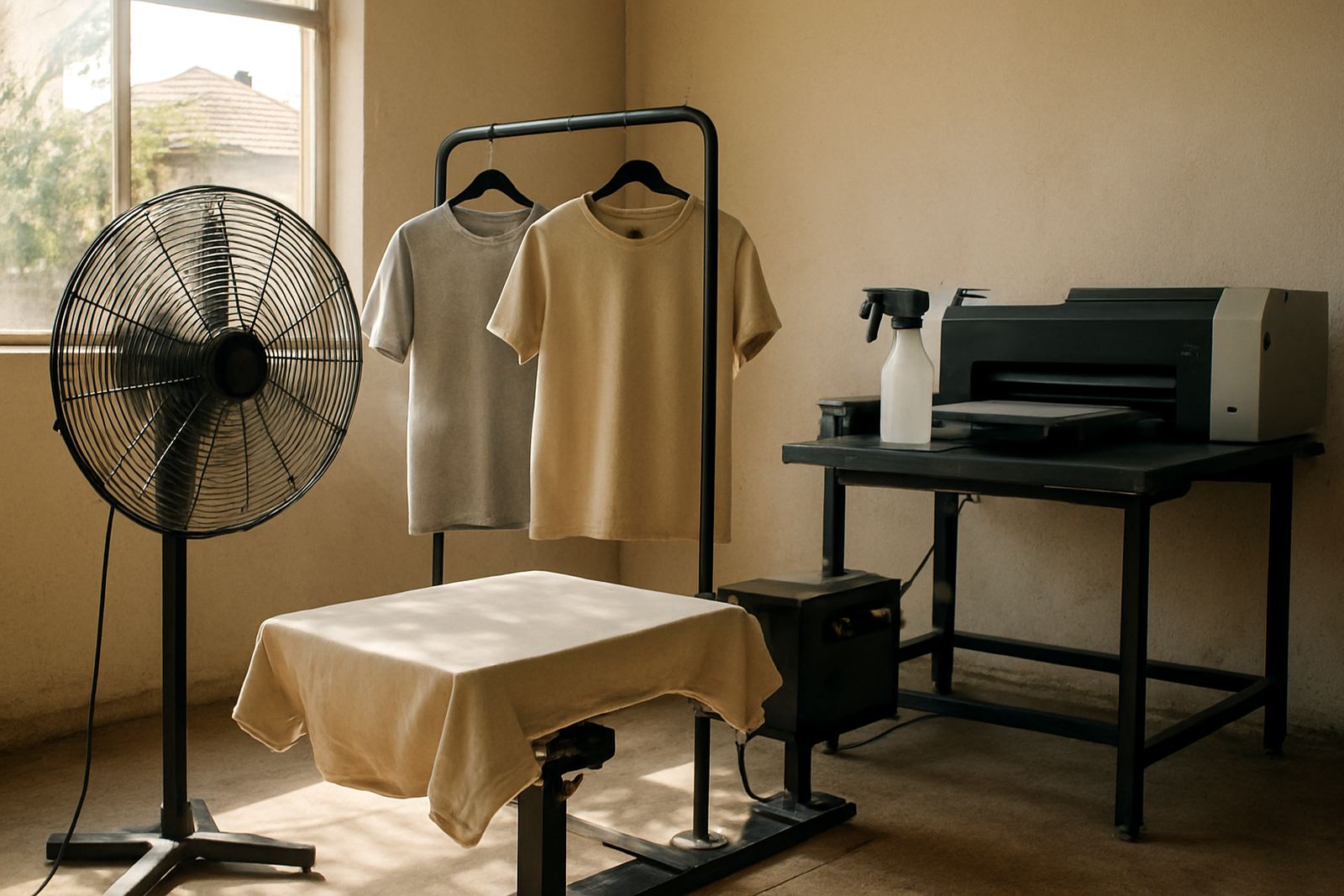
Babywear fabrics are often thinner than adult garments, so drying and curing must be controlled carefully. High heat can leave shiny marks, warp ribbing or make the garment feel hard. Use a lower press setting where possible and watch the dwell time closely. Shorter, controlled drying is better than trying to force the job through one hot cycle.
If you are using a heat press, check the top layer before pressing the print. The fabric should be fully dry, but not overheated. On some jobs, a second short press is safer than one long press. That simple change can save a lot of rework, especially when you are handling mixed fabric lots from suppliers in Gauteng or KwaZulu-Natal.
Keep a small test stack by the station so operators can check for shine, shrinkage and colour shift before starting the main run. A quick check now is better than finding a batch of marked garments after packing.
Common issues on small garments and how to prevent them
Most babywear faults come from movement, over-application or rushed setup. If the print looks washed out, the pretreat may be uneven or the load may have shifted under the platen. If the garment feels stiff, the spray amount is probably too heavy. If you see edge marks, the platen may be too large for the garment size.
- Ghosting: clamp or tape the garment consistently and keep it flat.
- Stiff hand feel: reduce pretreat volume and recheck drying.
- Uneven colour: confirm spray coverage and garment placement.
- Fabric shine: lower heat or shorten press time.
It helps to keep a short fault log beside the machine. When the same issue appears again, the notes show whether the problem came from the garment, the press settings or the operator setup. That saves time and keeps the next batch cleaner.
Quality checklist for babywear production
Before a job goes into full production, run through a simple checklist. This is especially useful for smaller shops that print in batches between customer collections, or for teams managing seasonal spikes in babywear orders. A few minutes of checking can prevent a whole tray of rejects.
- Correct platen selected for the garment size.
- Print area marked and centred.
- Pretreat applied only where needed.
- Garment fully dry before printing.
- Fabric checked for seams, snaps and folds.
- First sample approved before the batch starts.
If your team is training new operators, keep this list near the pretreat station and the press. The more repeatable the process, the easier it is to handle mixed orders without mix-ups. That matters when orders are going out to shops in Randburg, Centurion or Pretoria East on a tight turnround.
When to get support on setup or workflow
Some babywear problems are not about the garment itself but about the whole production flow. If your print alignment changes between shifts, or if the pretreat station is slowing the line, it may be time to review your layout, loading order and operator steps. A shop that handles babywear alongside adult apparel may also need a seasonal reconfiguration when order sizes change.
DTGrip works with print shops from Crown Mines and Sandton through to Durban, with next-day courier delivery nationwide for equipment and setup support where needed. For live issues, remote troubleshooting can help identify whether the fault sits in the platen, pretreat method or pressing stage. Onsite support visits, sample testing and operator training are also useful when you are scaling up or adding new garment types. Small garments need careful handling, but once the workflow is set, they can be some of the cleanest jobs in the shop.