

Start With the Fabric and the Print Method
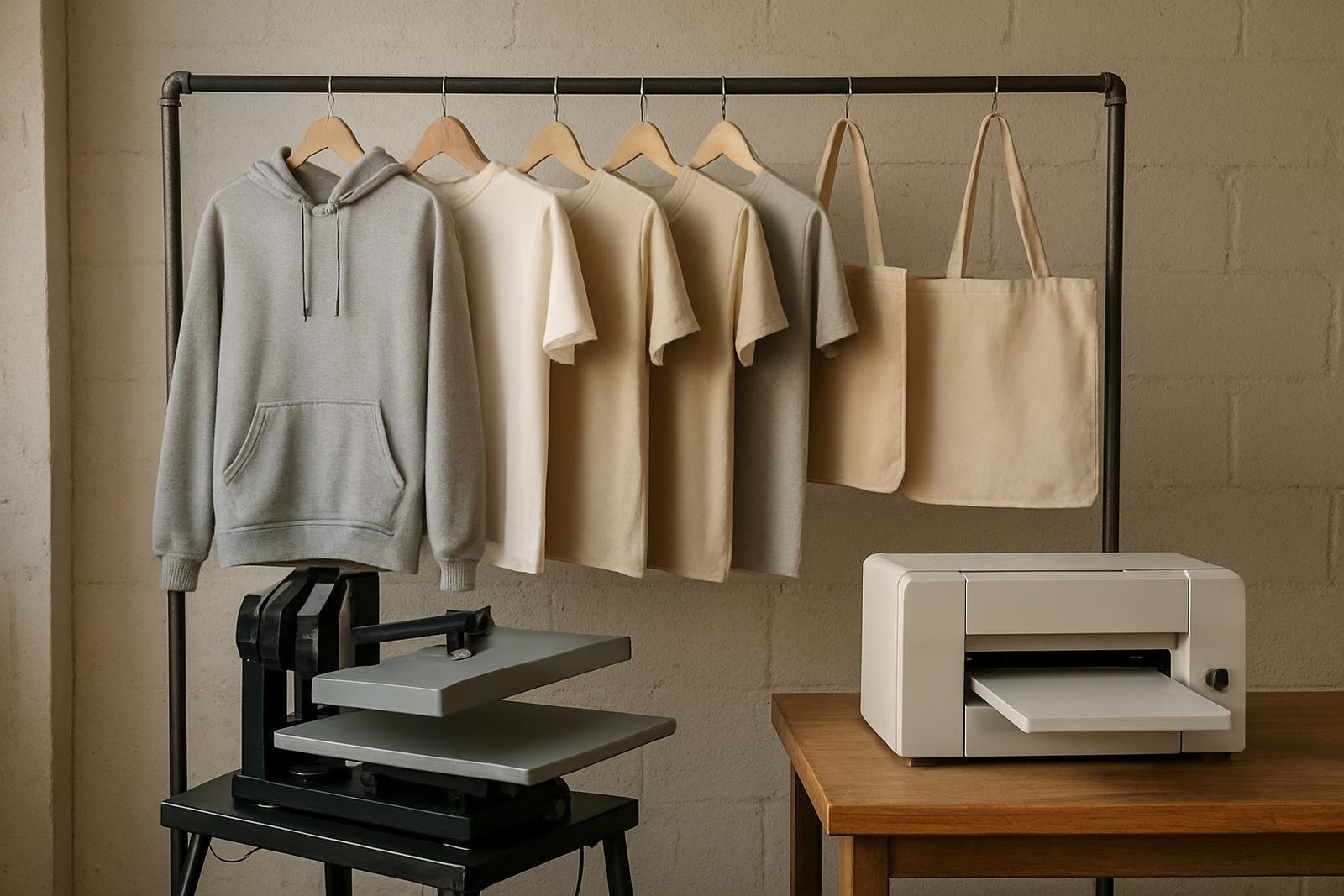
Before you choose a platen or hoop, look at the garment itself. Cotton, polyester, blends, fleece and stretch fabrics all behave differently under heat, pressure and pretreatment, so the right setup can save time and improve print consistency. In Johannesburg, where many shops run mixed daily orders, the fastest way to keep production moving is to match the garment type to the right support surface from the start.
If you print across fashion, promo wear and custom team orders, the same press settings wont suit every item. A lightweight tee needs a different approach from a heavy hoodie or a structured cap, especially when operators are working around load-shedding shifts, weekend rushes and courier cut-off times.
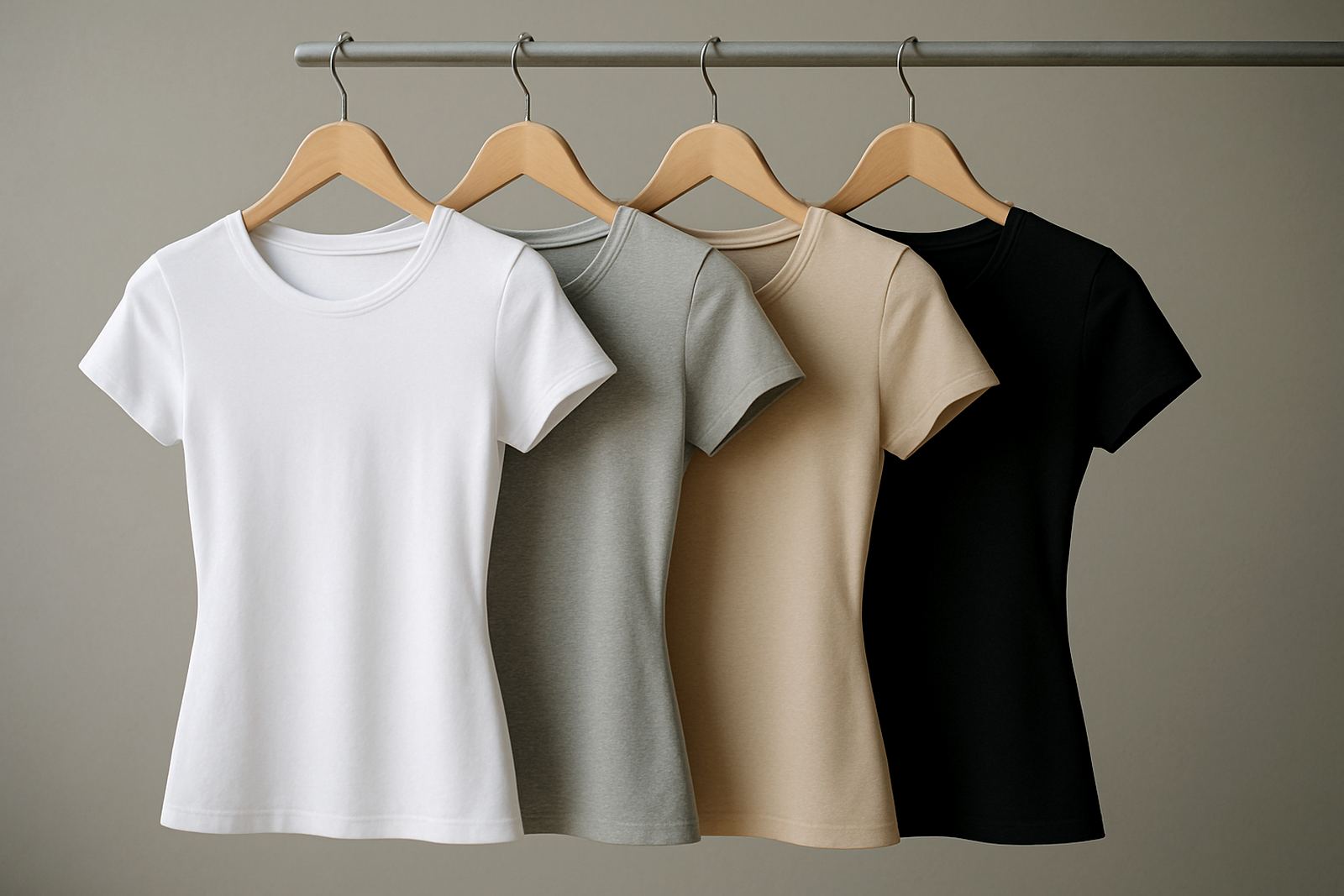
T Shirts, Vests and Everyday Promotional Wear
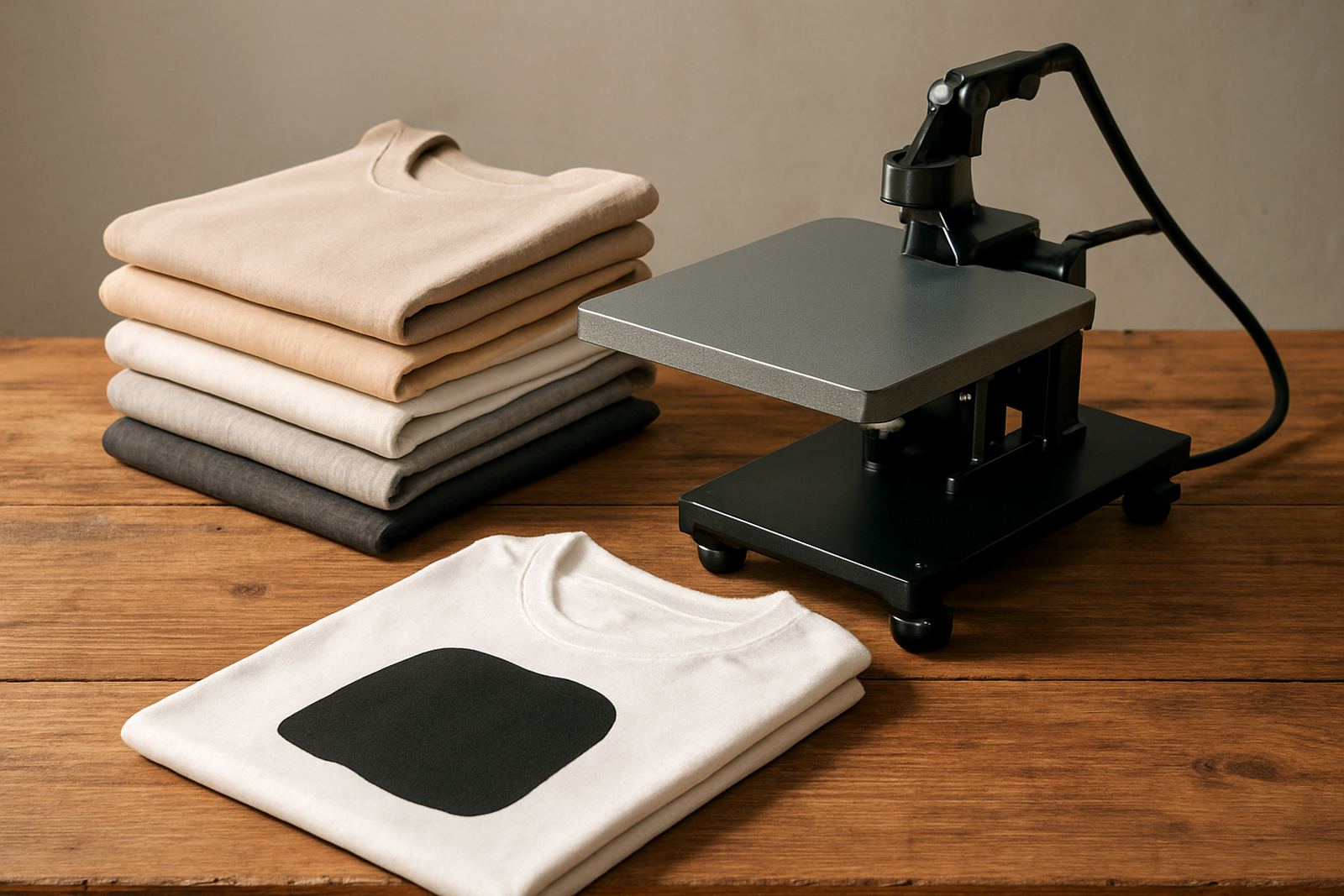
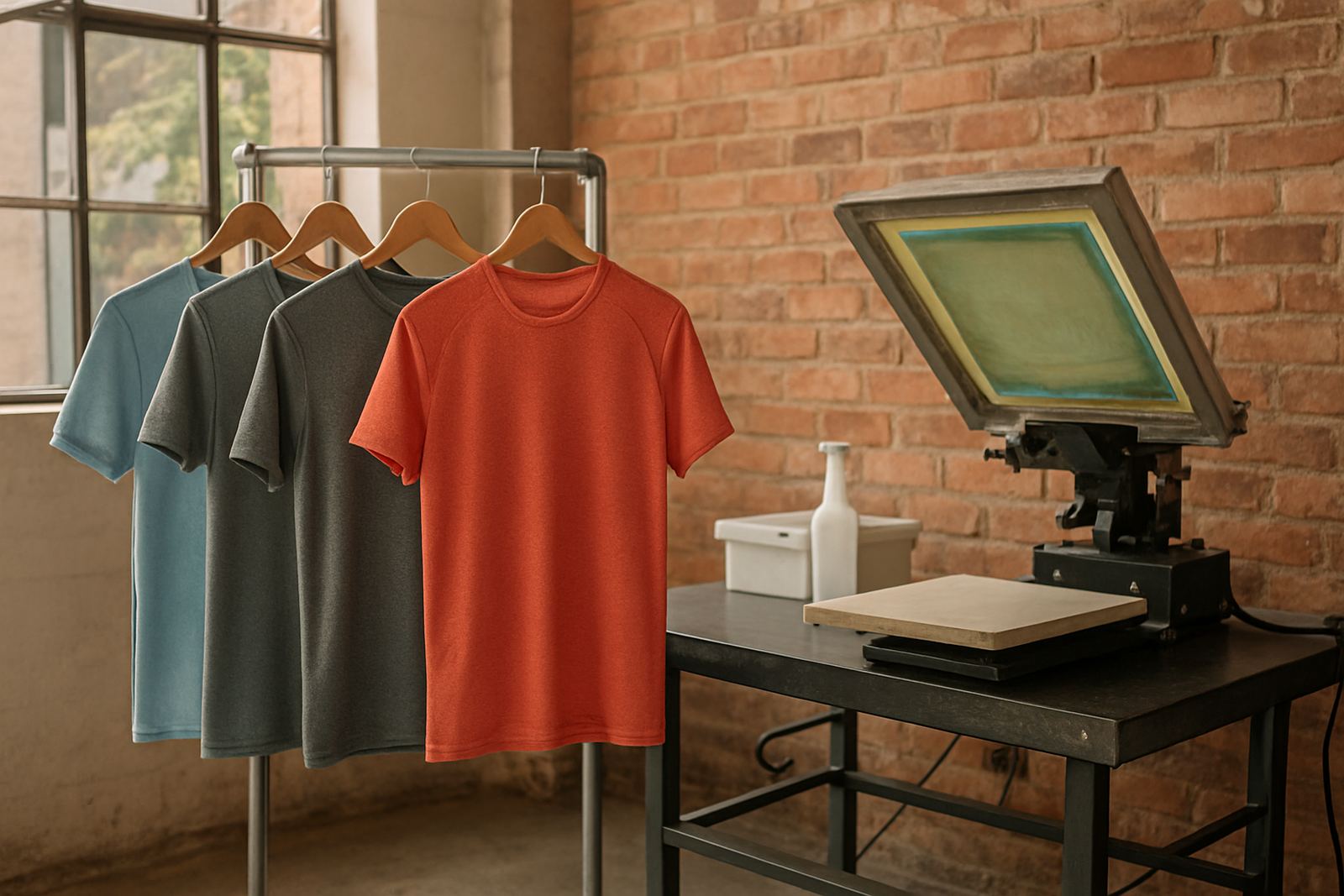
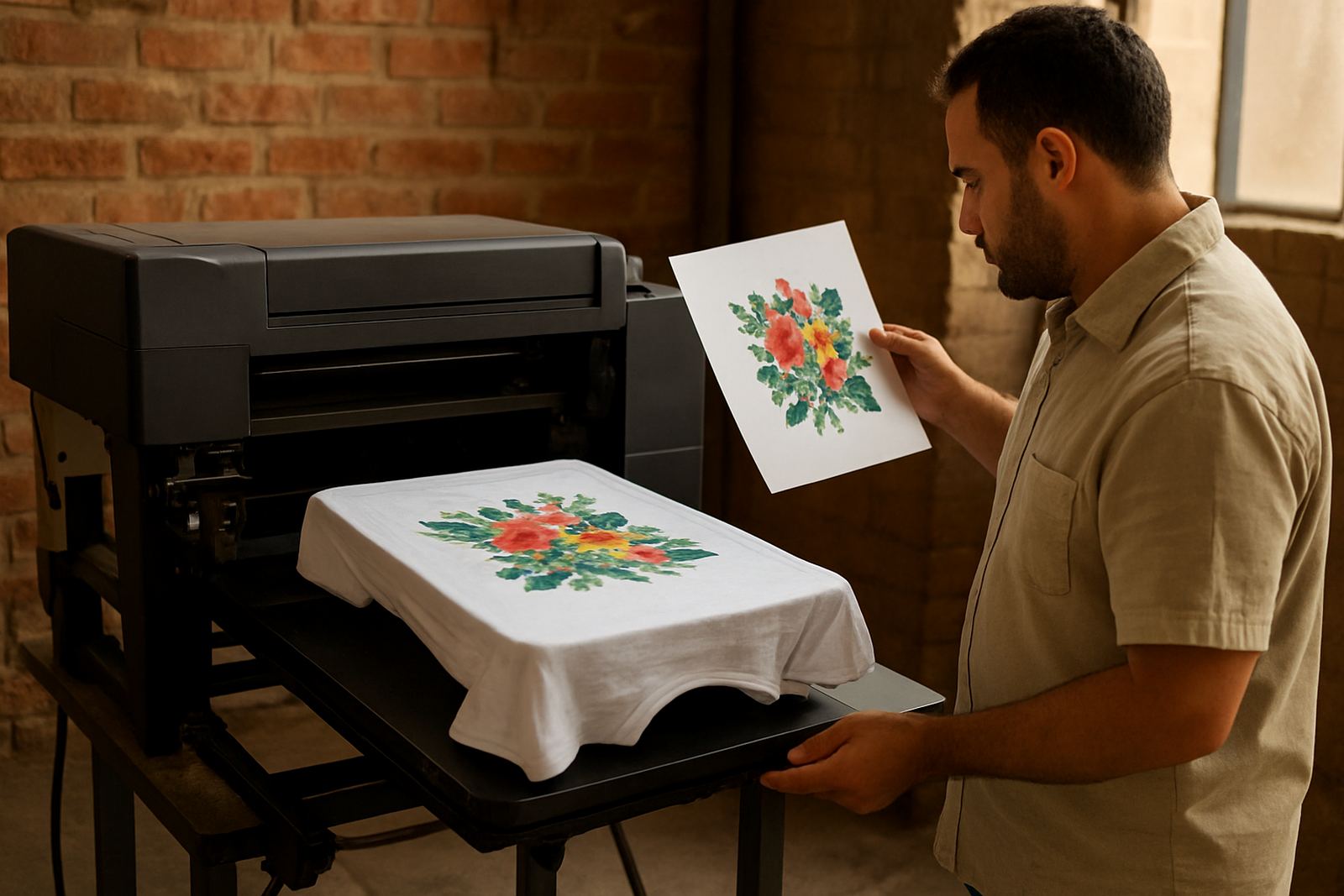
Flat garments are usually the easiest to run, but they still need the right platen size and a clean loading method. For T shirts, vests and event wear, a stable platen helps keep the print area level and reduces shifting during alignment. That matters when you are doing short runs for promotions, schools, churches or sports clubs and every garment must look the same.
- Choose a platen that suits the print zone, not just the garment size.
- Keep the fabric smooth and dry before pretreatment and printing.
- Use sample testing for new blends, colours and supplier batches.
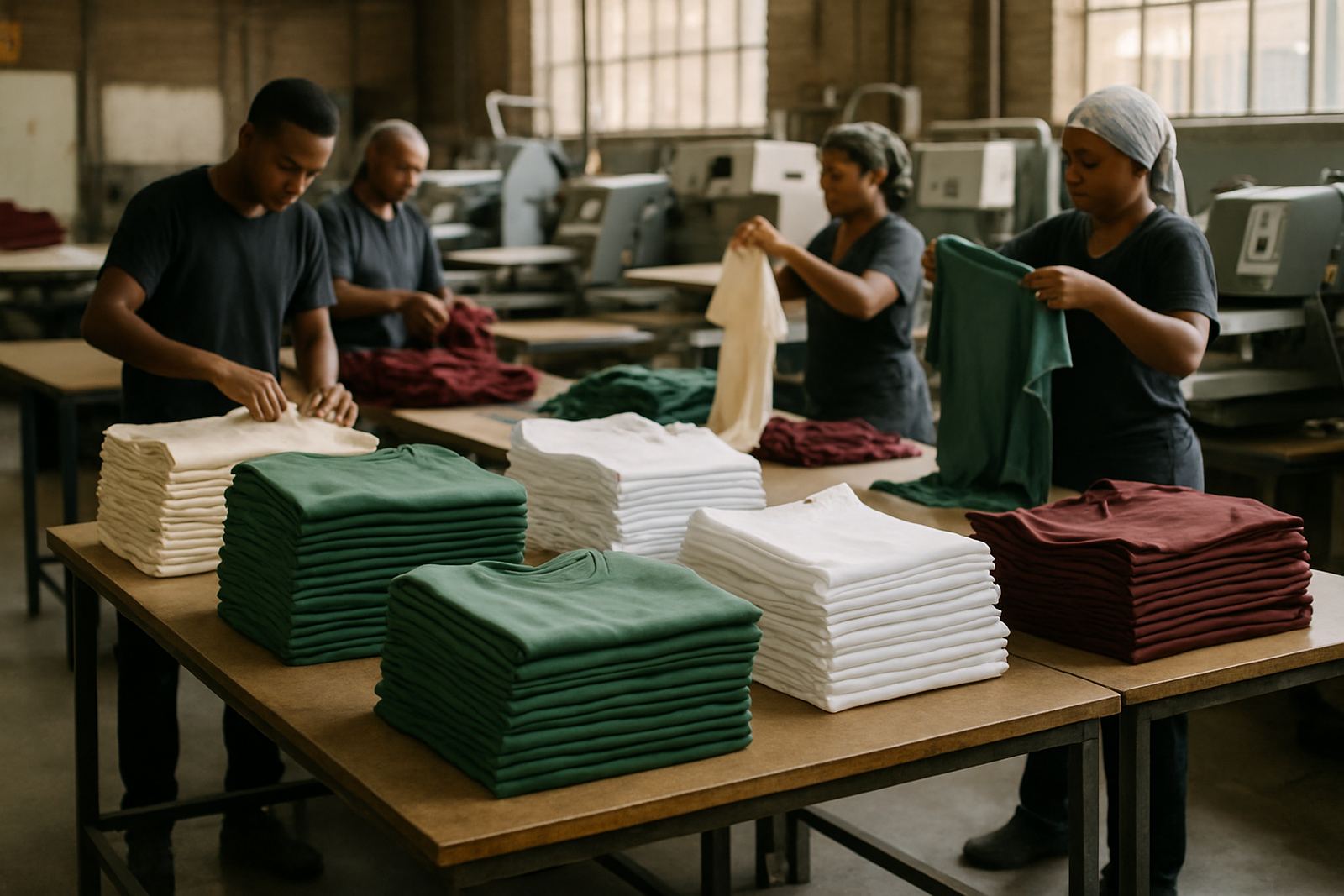
For workwear and promo tees, consistency is the main goal. A small setting change can affect edge sharpness, wash feel and the final finish, so many print shops keep a few platen options on hand for different shirt sizes and body cuts.
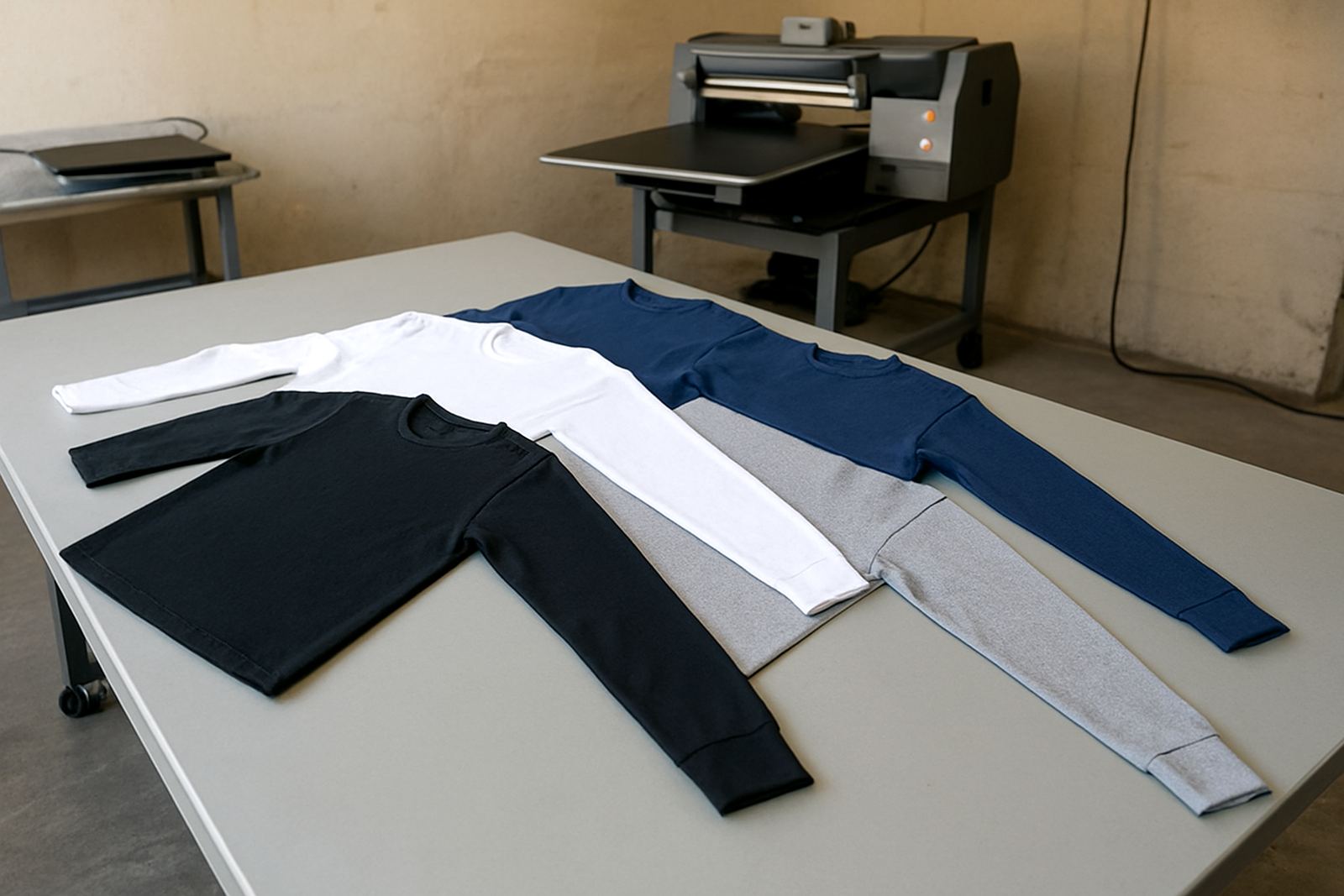
Hoodies, Sweats and Bulky Winter Garments
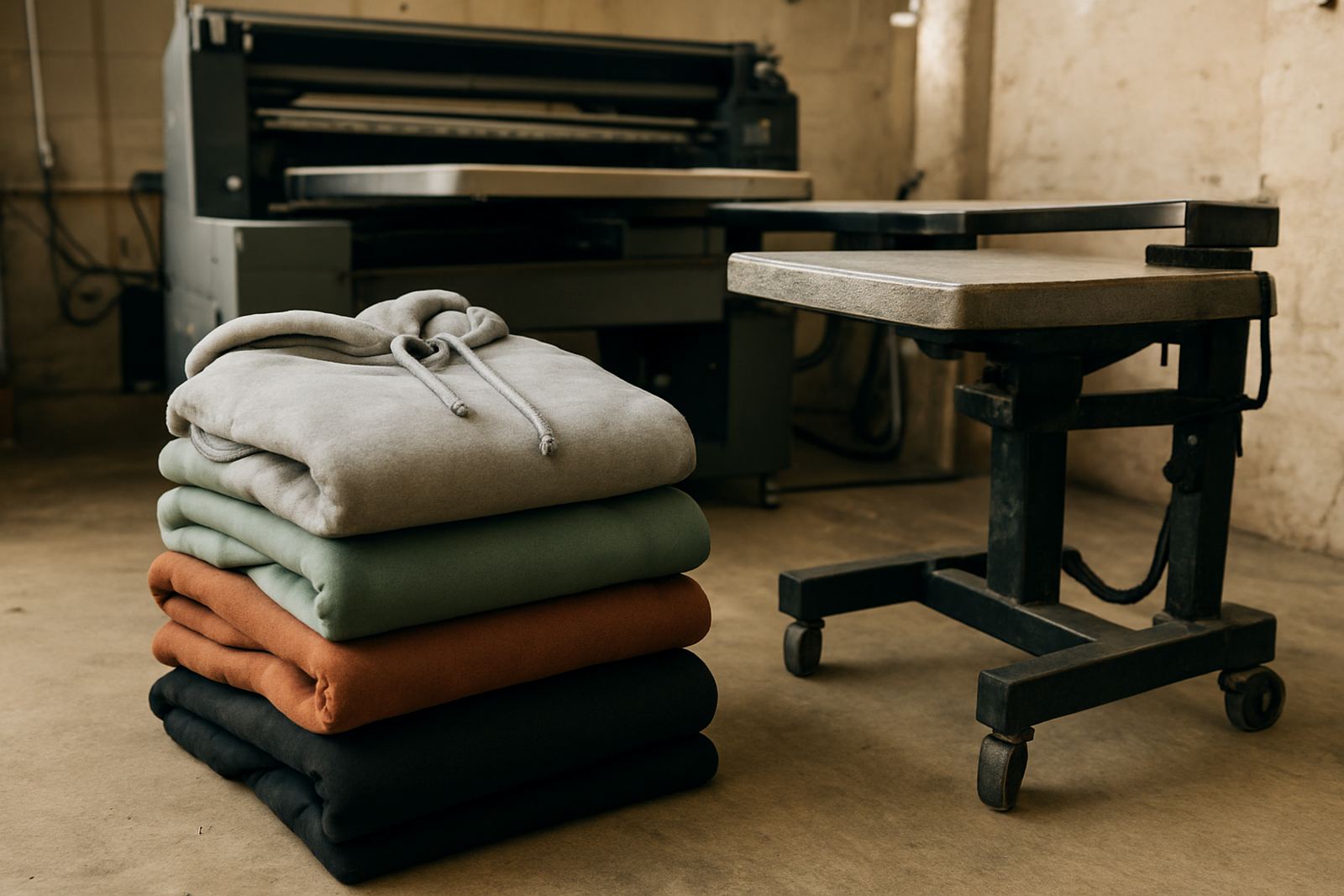
Thicker garments need more clearance and better support around seams, pockets and zips. Hoodies and sweatshirts are common in Gauteng and coastal areas alike, especially in winter, and they can create lift at the chest or front pouch if the platen setup is too flat. A properly matched platen helps the garment sit correctly, which improves placement and lowers the risk of ghosting or uneven pressure.
These jobs often need a slower, more careful workflow. If you are printing in Pretoria East, Randburg or Midrand, it is worth planning the load order so operators can keep bulky items moving without holding up the rest of production.
- Use support that keeps seams and pouch areas out of the print zone.
- Test pretreat coverage on heavier cotton or fleece before a full run.
- Allow extra cooling time if your shop handles back to back press work.
Caps, Headwear and Small Format Work
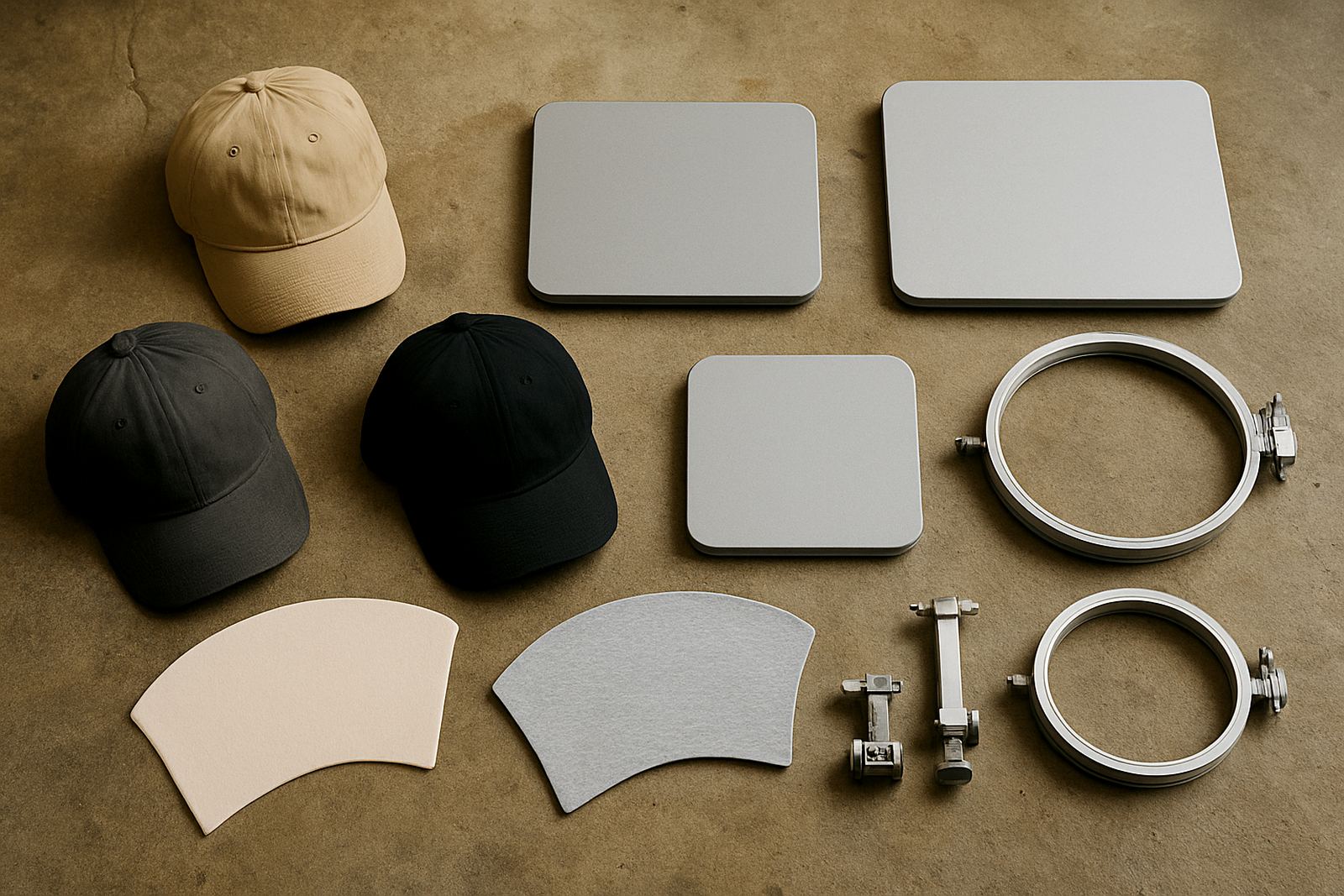
Caps and other shaped items need a different setup from flat apparel. The print area is smaller, the surface curves and the operator has less room for error. A dedicated hoop or support setup can help keep the item secure for printing, embroidery prep or testing, especially where repeat placement matters across a batch.
Small format work is common in brand activation orders, school events and retail add ons. Shops in Crown Mines and the East Rand often handle these items alongside larger garment runs, so a tidy workflow saves time and reduces waste. It also helps when staff are training new operators and need a repeatable loading method.
Tote Bags, Aprons and Flat Accessories
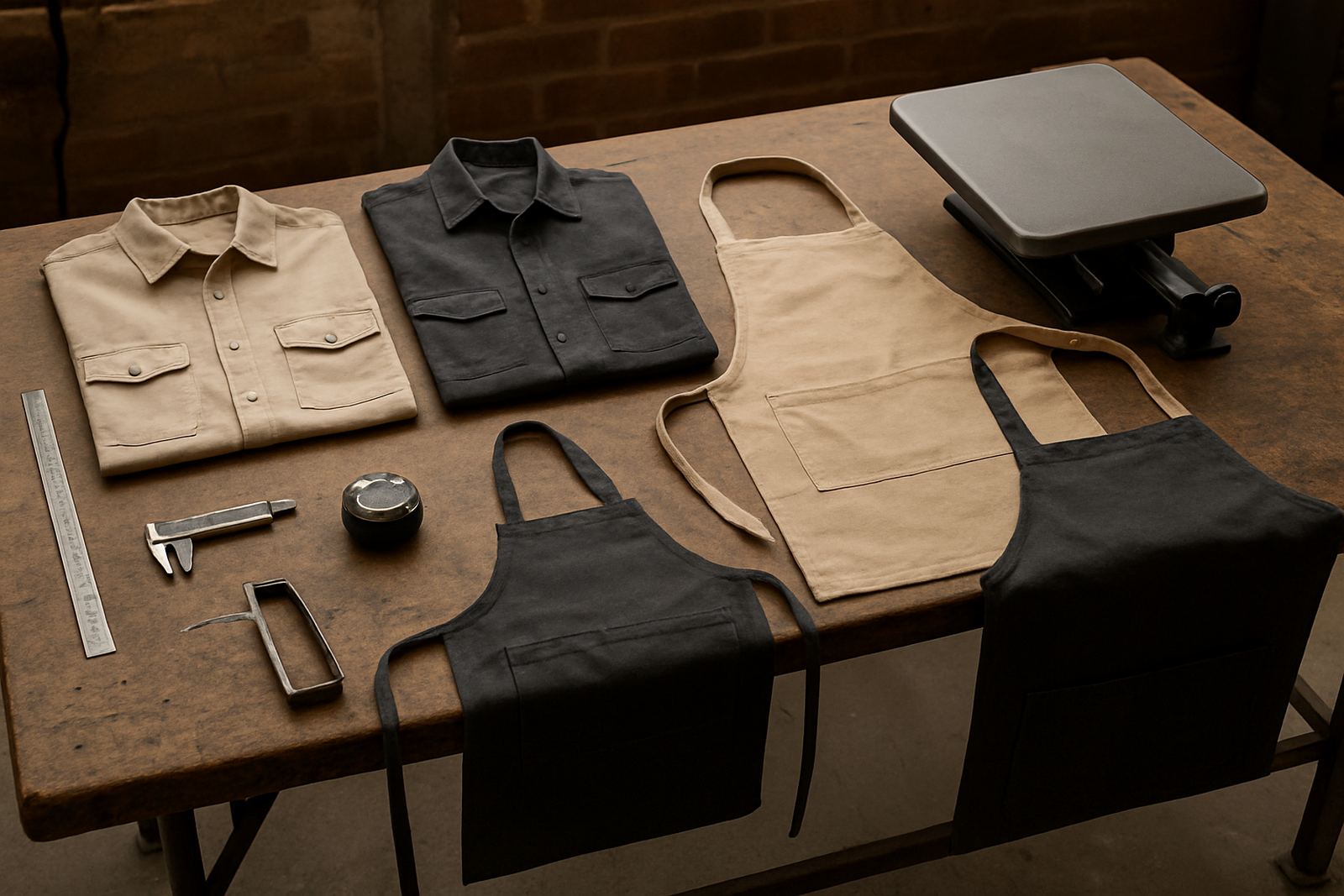
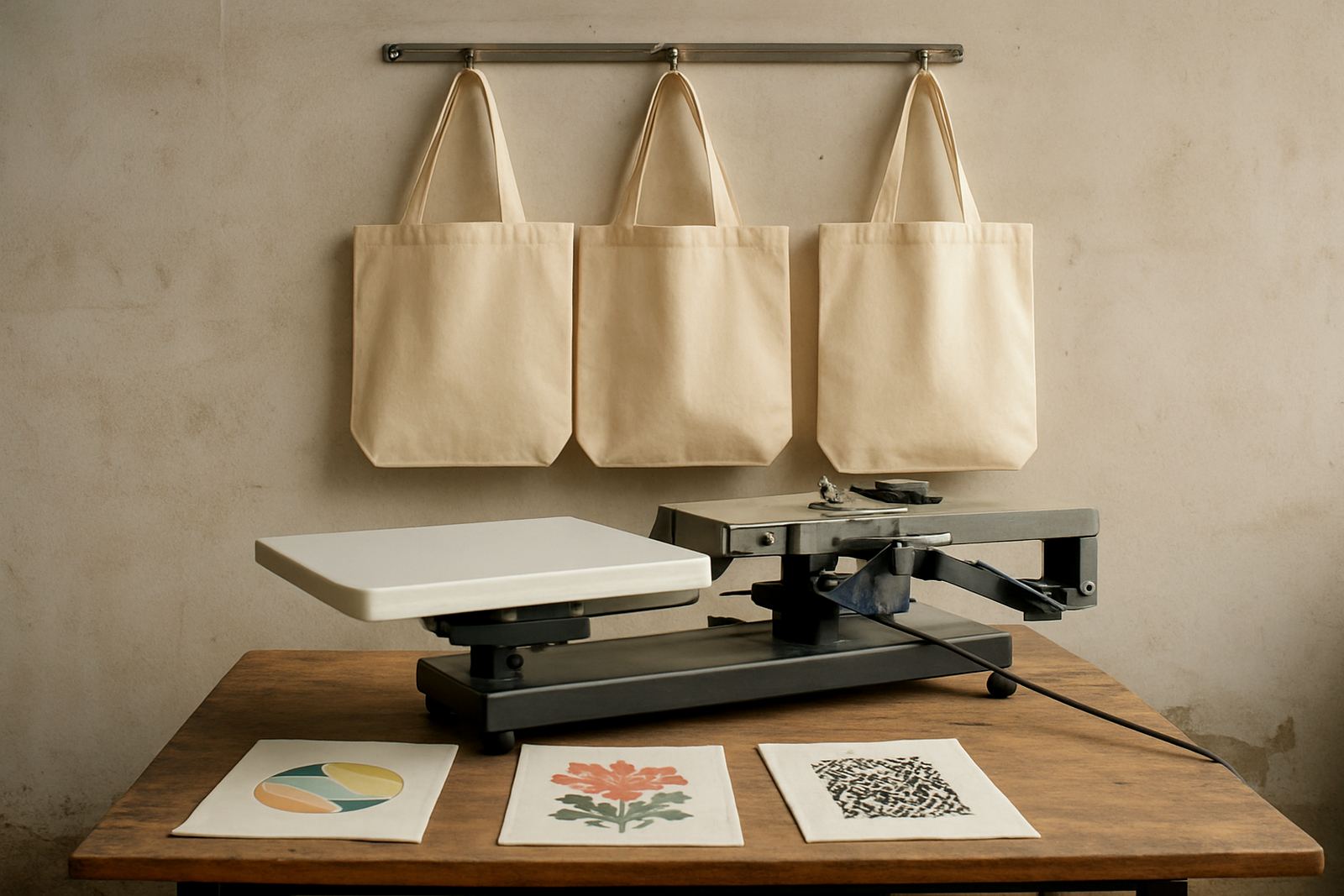
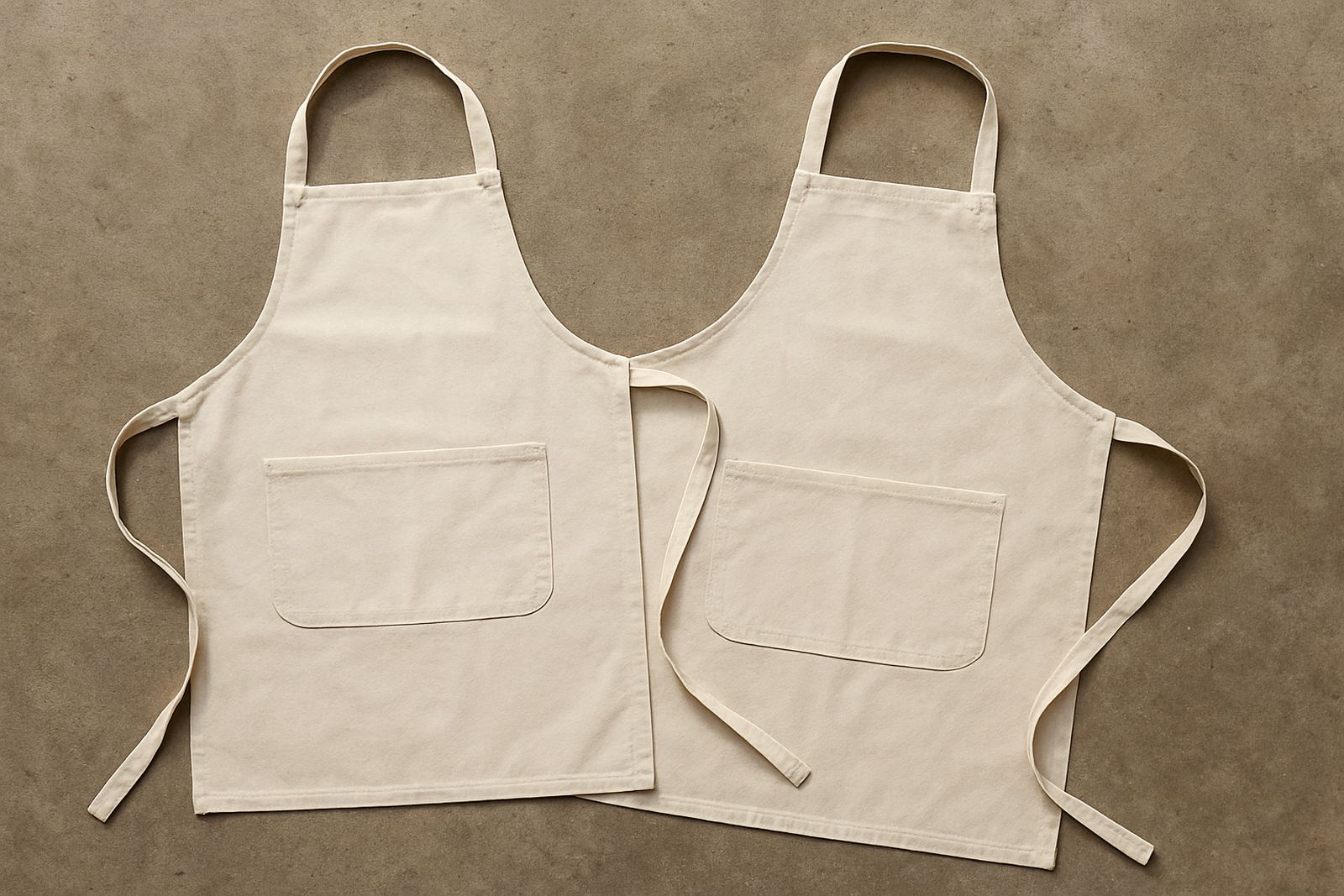
Tote bags, aprons and similar accessories are useful products because they are flat, practical and easy to add into a mixed production day. They still need the right support, though, because straps, pockets and folds can interfere with print positioning. A clean platen and careful pretreat workflow make a big difference on natural fibres and blended fabrics.
These items often move through shops that do corporate packs, restaurant wear and retail gifting. In Durban coastal humidity can affect storage and drying, so keeping accessories clean, dry and well stacked before printing is a sensible habit, not just a nice to have.
- Check for seams, ties and folded edges before loading.
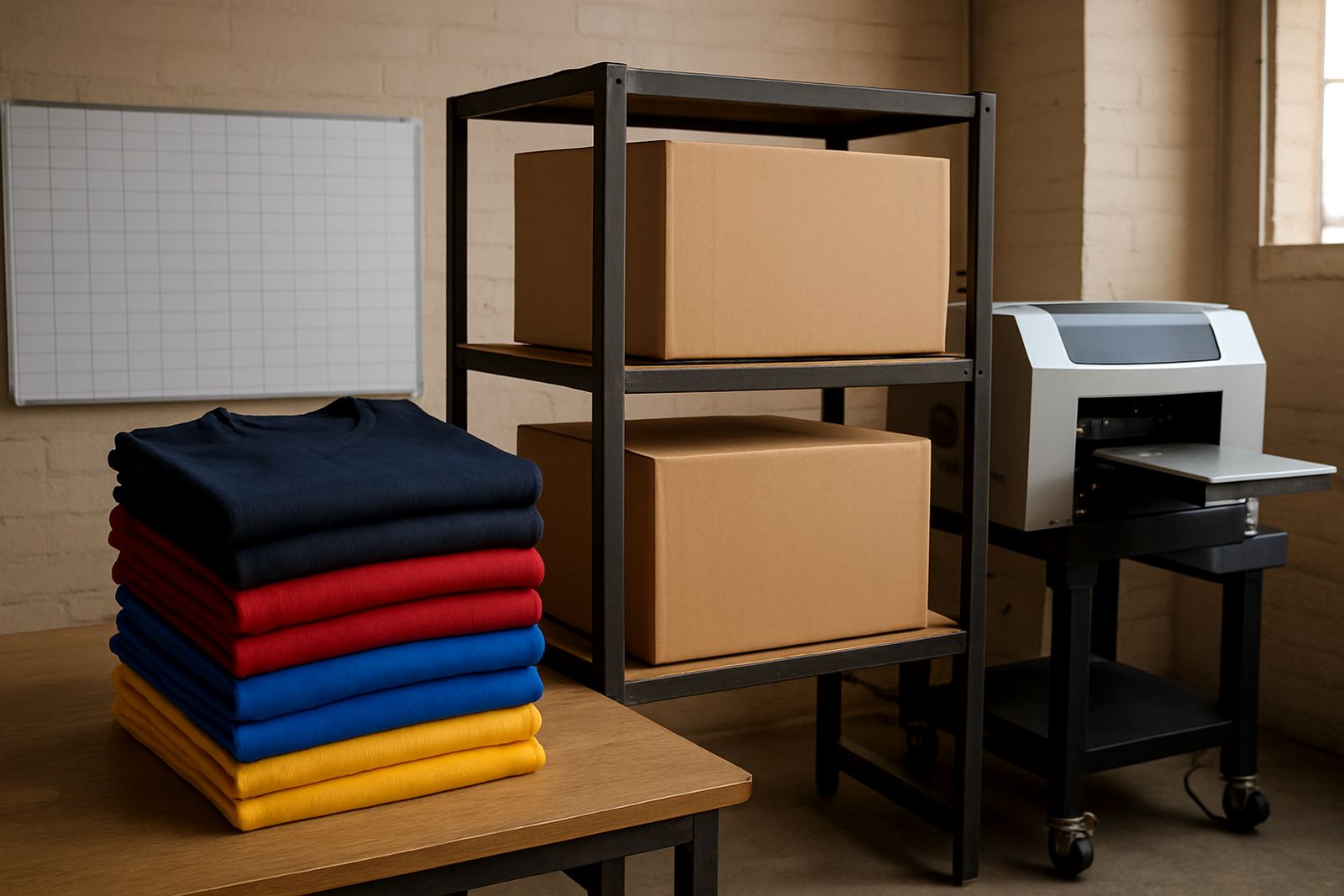
- Store untreated stock away from damp areas and open floors.
- Use sample testing when switching between canvas, cotton and polycotton.
Kidswear, Stretch Fabrics and Specialty Fits
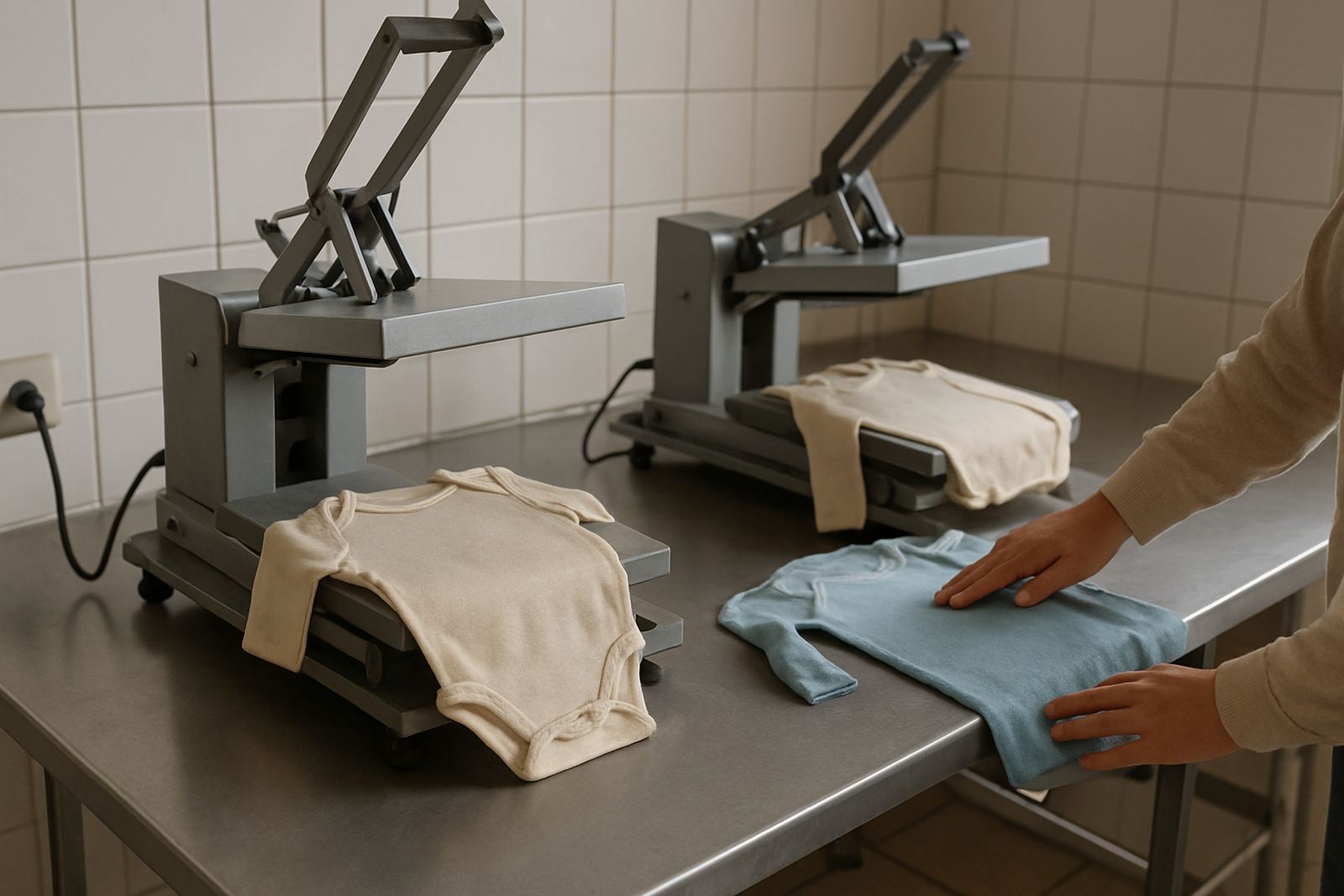
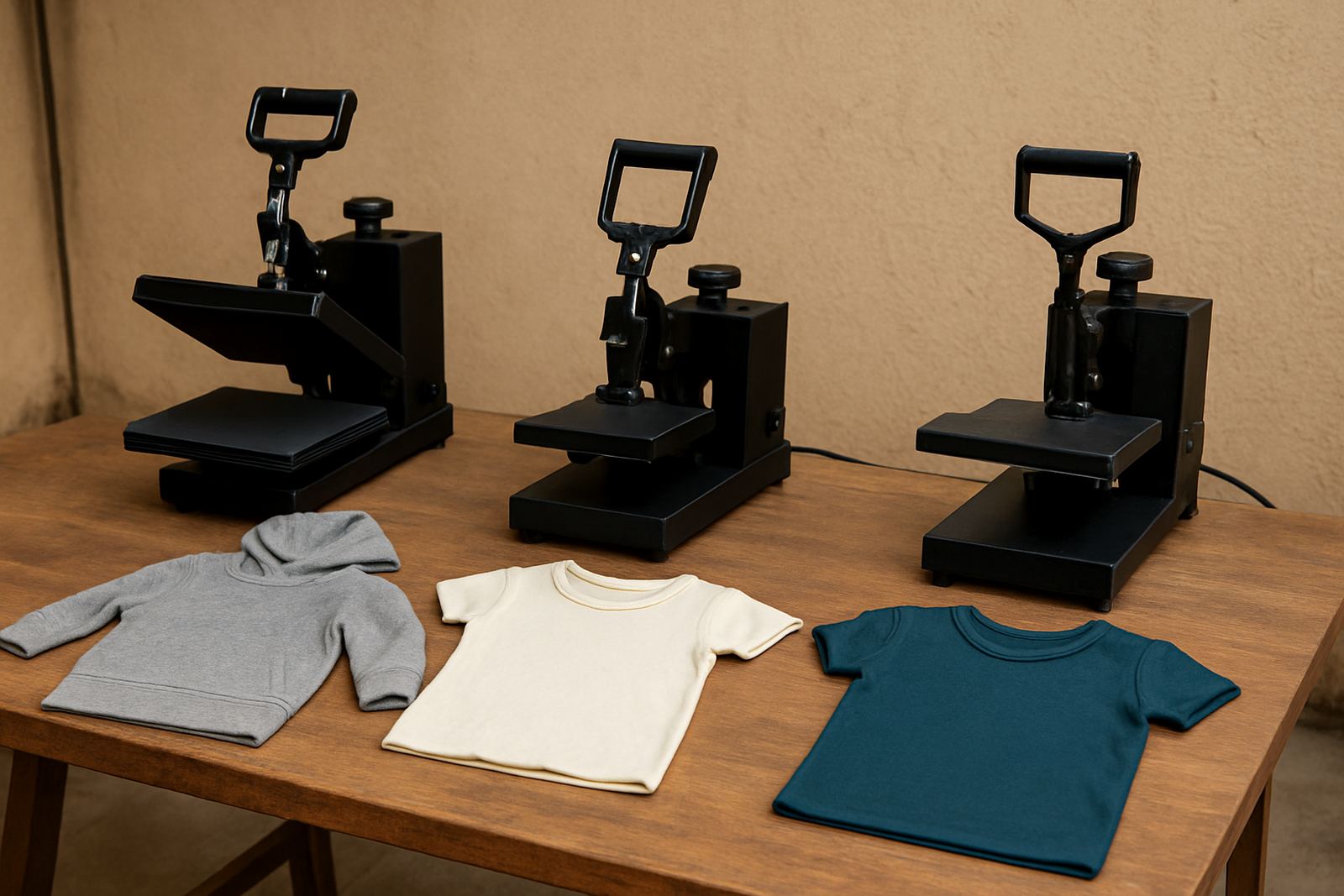
Smaller garments and stretch items need careful handling because they can move more easily during setup. Kidswear, leggings, fitted tops and fashion pieces often need lighter pressure and better alignment. If the garment stretches too much, the print can distort after curing, so the operator must work with the item rather than force it onto the platen.
For shops serving boutique labels or custom fashion brands, this is where workflow review pays off. A small adjustment in platen choice, loading method or pretreat sequence can improve consistency across the whole order, and it can reduce reprints too.
How to Choose the Right Setup for Your Shop
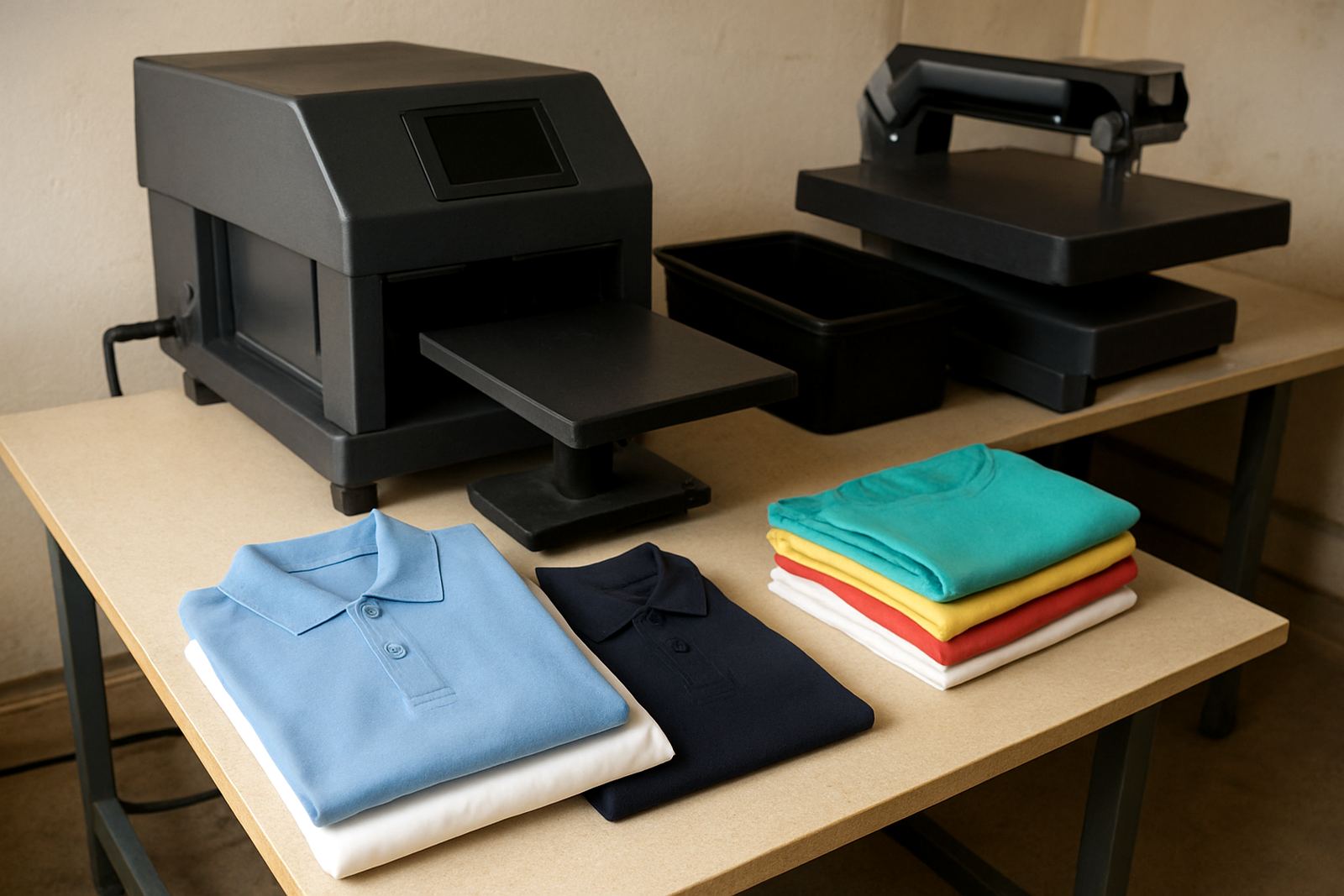
The best garment setup depends on your volume, the mix of items and how your team works day to day. A print shop in Centurion may need fast turnover for uniforms and events, while a shop in Sandton or Randburg may focus more on fashion pieces and short runs. If you are scaling production, it helps to review your most common garment types first, then build the platen and hoop mix around those orders.
DTGrip supports shops with platen installation, hoop setup, pretreat workflow, operator training, sample testing and remote troubleshooting, with next-day courier to print shops nationwide. Whether you are planning a new shop, reconfiguring for seasonal demand or tightening up your current line, the aim is the same: fewer handling errors and more reliable results across every garment type.