
School Wear Jobs Need Repeatable Setups
School wear work usually comes in bursts. One week it is a single local primary school ordering house colours for a fund-raiser, the next week it is 300 sport shirts for a winter tournament and a small batch of staff tops. The problem is not only volume, it is consistency across youth sizes, mixed fabrics and repeat orders that must match last term's print. In Johannesburg, especially for shops serving Crown Mines, Randburg, Sandton and Midrand, that means a setup that can be switched quickly without losing registration or ink quality.
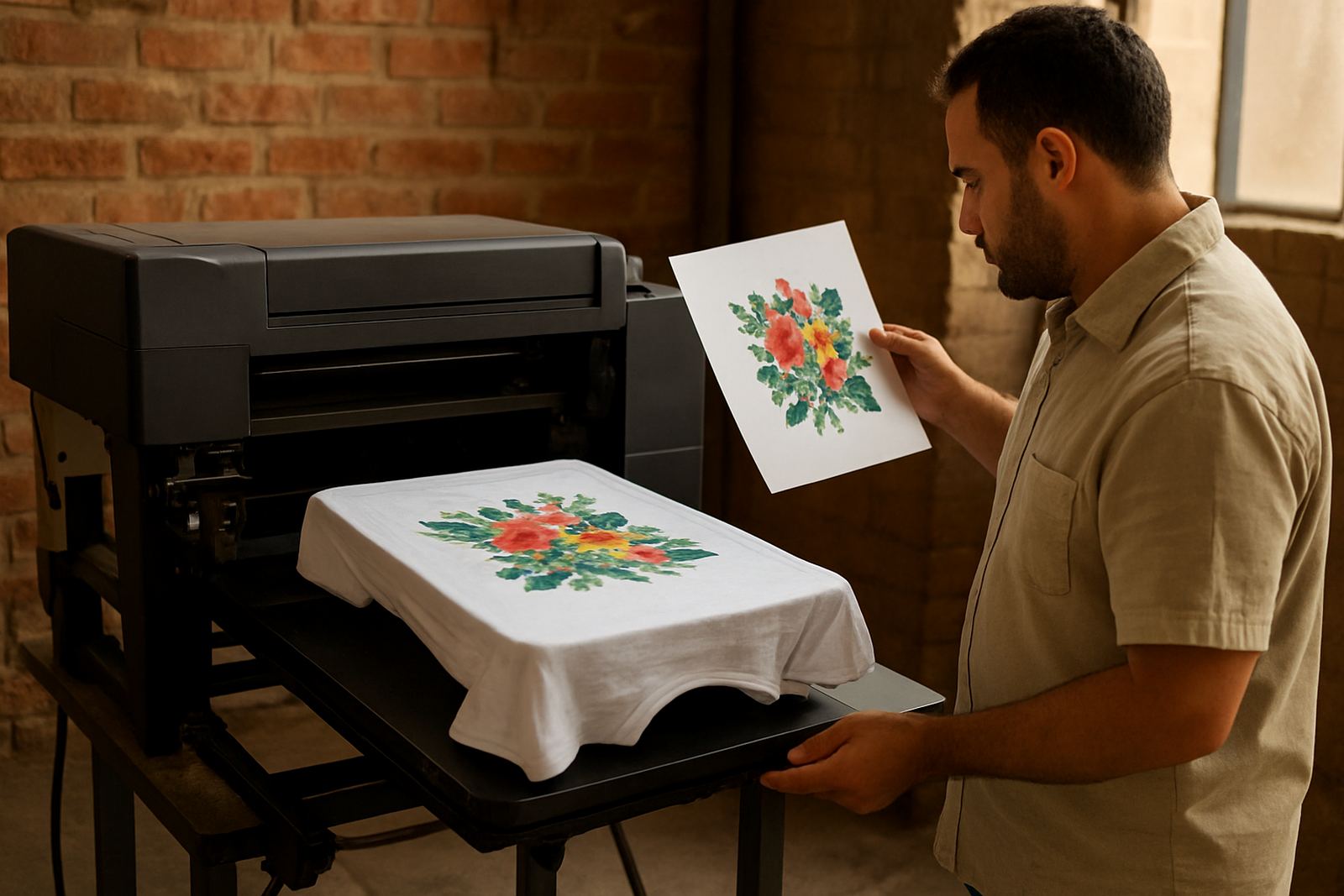
DTGrip supports print shops that need practical tools for these jobs. Our platen and hoop solutions help you hold smaller garments properly, while pretreatment kits assist with clean curing on cotton-rich school items and blended fabrics. For school wear, the aim is simple: fewer misprints, less wastage and a cleaner finish on every run.
Typical Equipment For Uniform And Youth Runs
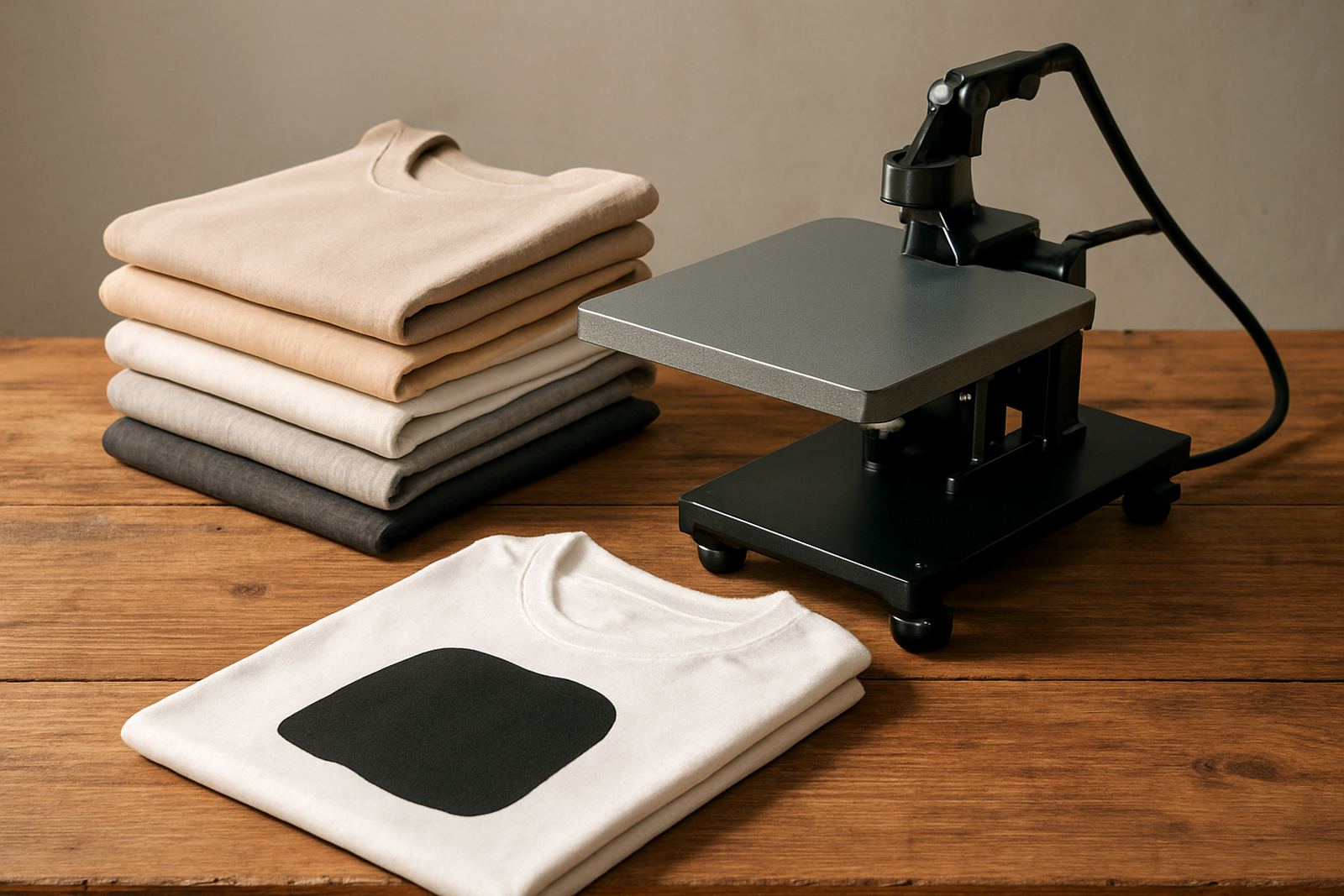
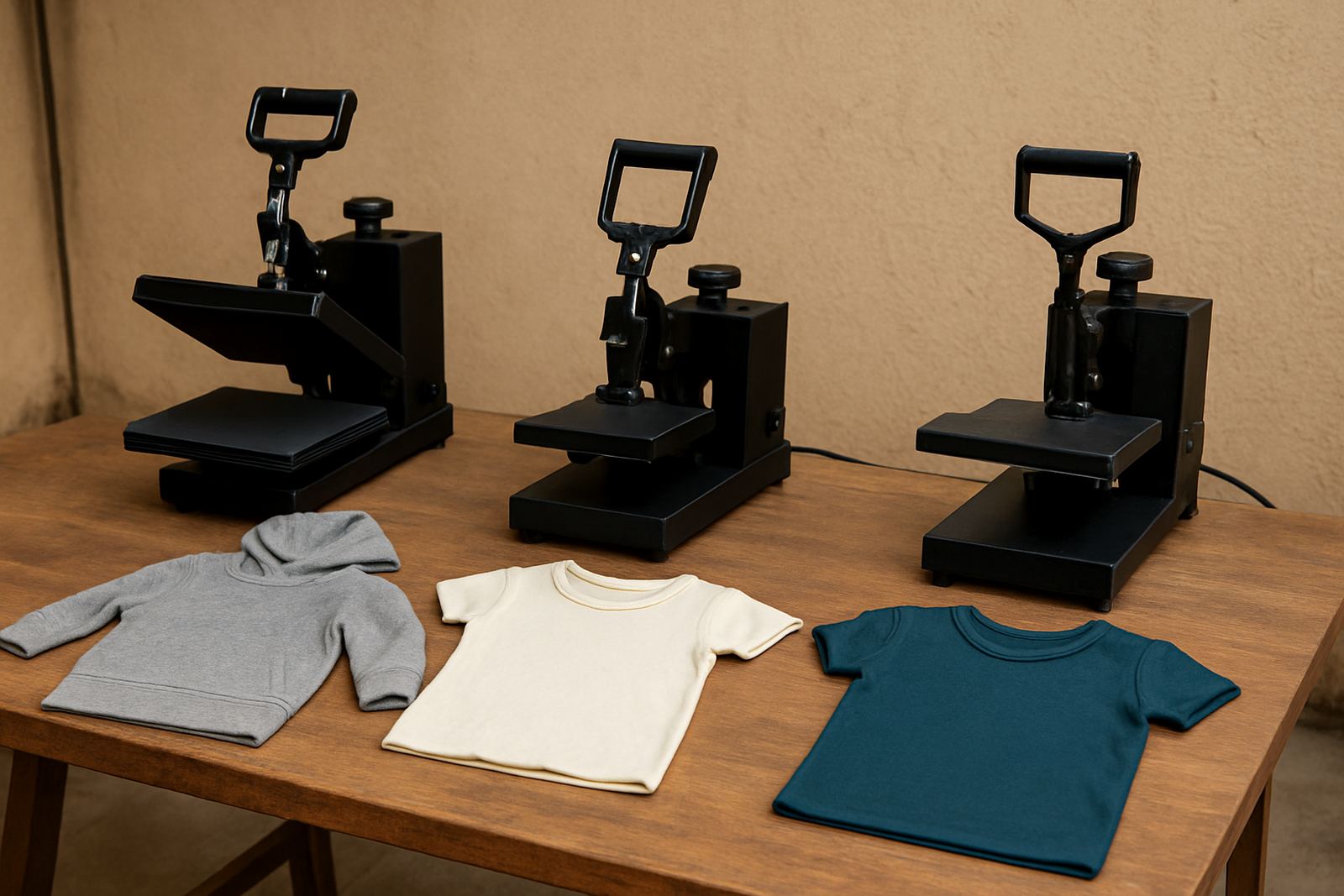
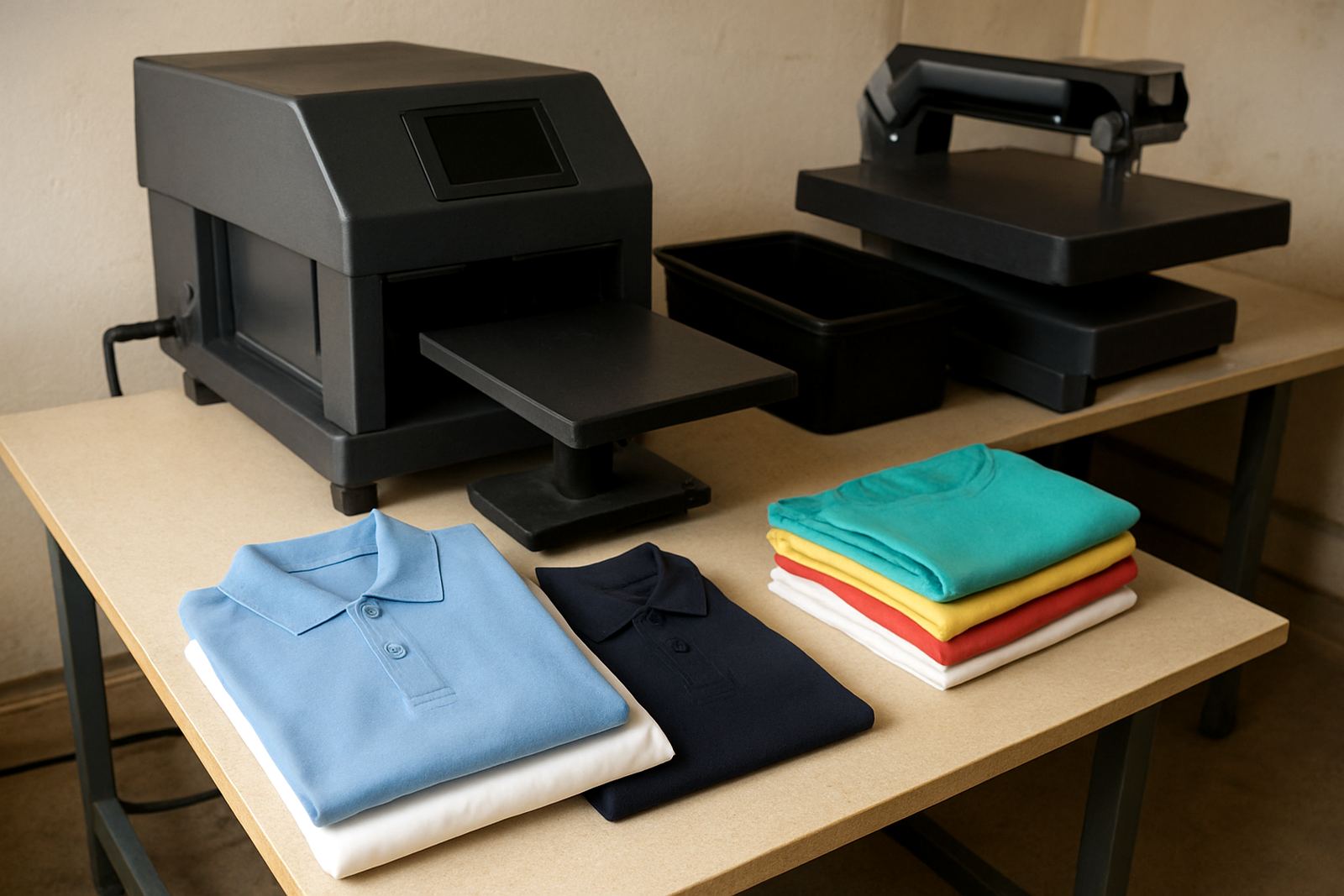
A school wear production line often uses several platen sizes in the same week. Youth tees, PE tops, hoodies, golf shirts and aprons each behave differently under the printer. Smaller platens help with chest prints on child sizes, while wider boards suit larger staff garments or winter hoodies. For caps, bags and side panels, hoop setup matters because the fabric must sit flat without stretching the garment out of shape.
- Youth platens for small tees and short sleeve uniforms
- Standard platens for adult-sized staff tops and sports shirts
- Specialty hoops for sleeves, bags and side prints
- Pretreat kit for dark garments and strong white prints
- Alignment guides for repeat logos and name placements
When the same school order is repeated each term, keeping the platen set-up documented saves time. A workshop in Pretoria East or Centurion may need one layout for small kids sizes and another for high school items, especially if the school changes supplier or fabric weight mid-year.
Layout Planning For Mixed Size School Orders
School wear is rarely one garment type. A single order can include T-shirts, tracksuits, peak caps and bags, each with different print positions. That is why layout planning matters before the first print starts. Check where the logo sits on each size range, then mark the platen positions and print height so the design lands in the same place across every carton. This helps with repeat local runs and avoids rework when the same school calls back two weeks later for extra stock.
For busy shops in East Rand or Durban, production flow should move from sort, to pretreat, to alignment and then to final cure in one steady line. If garments are packed too closely the operator wastes time searching for sizes. If pretreat is done too wet, the print may ghost or cure unevenly. A good workflow keeps youth sizes separate from adult pieces and makes it easier to switch between winter fleece and summer cotton without slowing the whole shop down.
- Group garments by size before pretreating
- Keep logo positions written down for each school
- Use test garments when a new fabric blend arrives
- Allow proper curing time in humid coastal conditions
Common Mistakes On Uniform Runs
One of the most common mistakes is using a platen that is too large for a child size shirt. The garment shifts, the print sits off centre and the result looks untidy. Another issue is skipping sample testing on new fabric batches. School suppliers often change material mixes without warning, so what worked on one delivery may not hold the same way on the next. That is where sample testing and operator training make a real difference.
Another problem is underestimating load-shedding and workshop interruptions. If a printer is left mid-cycle during a power cut, the workflow can be thrown off and pretreat or ink curing may need to be checked again. Shops in Johannesburg and Pretoria often need a simple restart routine so the team knows exactly what to do after an outage. It also helps to keep backup alignment notes and a clean, dry storage area for platen accessories, because dust and moisture can affect repeat jobs.
Not every school wear order is big enough to justify a full changeover. Sometimes a small reconfiguration is enough, but only if the operator knows which platens, hoops and settings to swap. A minor typo in the order note or a missed size line can cost time and ink, so the team should always verify the garment list before production starts.
Budget Ranges For School Wear Print Shops
Budgeting for school wear work depends on how many sizes you print and how often you repeat the same logo. A basic starter setup for one to two garment types may cost from about R3 500 to R8 500, usually covering essential platens and a small pretreat kit. A more flexible setup for mixed youth and adult runs can sit between R9 000 and R18 000, especially if you need several platen sizes, hoop options and better alignment support.
For shops planning to service multiple schools in Gauteng, it is worth allowing budget for training and workflow review as well. That can reduce waste fast, particularly if your team is still learning how to handle lighter fabrics, winter hoodies or repeat name prints. The real cost is often not the equipment itself, but the time lost to reprints and off-centre garments.
- Starter school wear setup: R3 500 to R8 500
- Mixed-size production setup: R9 000 to R18 000
- Training and workflow review: budget separately
- Onsite support visit: useful for larger or busier shops
How DTGrip Supports Local School Wear Production
DTGrip works with print shops from Crown Mines to Sandton, Randburg, Midrand, Pretoria East, Centurion, East Rand and Durban, with next-day courier to print businesses nationwide. Our team can help with platen installation, hoop setup, pretreat workflow, operator training, print alignment help and seasonal reconfiguration when the school calendar shifts from summer uniform to winter wear. If your shop is scaling up or opening a new schoolwear line, we can also review the production flow before you commit to extra stock.
Thabo Mokoena leads the business with support from Ayesha Naidoo, Sipho Dlamini, Lerato Molefe, Johan Smit and Zanele Khumalo. That means you get advice from people who understand workshop pressure, not just product names. If you are handling repeat local runs for uniforms, house shirts or sports tops, the goal is to keep your prints straight, your turnaround quick and your team confident on every order.