Small Garments Need Tight Control
Pet apparel is usually a small order line, but it can take more time than standard tees if the setup is wrong. Boutique buyers and gift outlets often want printed pet shirts, bandanas, harness covers and seasonal items in short runs, with clean placement and no staining on light fabrics. In Johannesburg, Cape Town or Durban, the same garment can behave differently once humidity, fabric stretch and curing conditions change, so the job needs a controlled process from the first sample.
For this work, the main challenge is not print size only. It is keeping the garment flat, holding it in the same position every time, and avoiding heat marks on elastic, trims and synthetic blends. A good small-format setup reduces waste and helps you quote with confidence when the order is for 20 pieces today and 80 next month.
- Short runs for boutique shelves and gift stores
- Mixed fabrics such as cotton, polycotton and stretch blends
- Small print areas that still need accurate placement
- Cleaner results on collars, arm openings and curved seams
Typical Equipment For Pet Garments
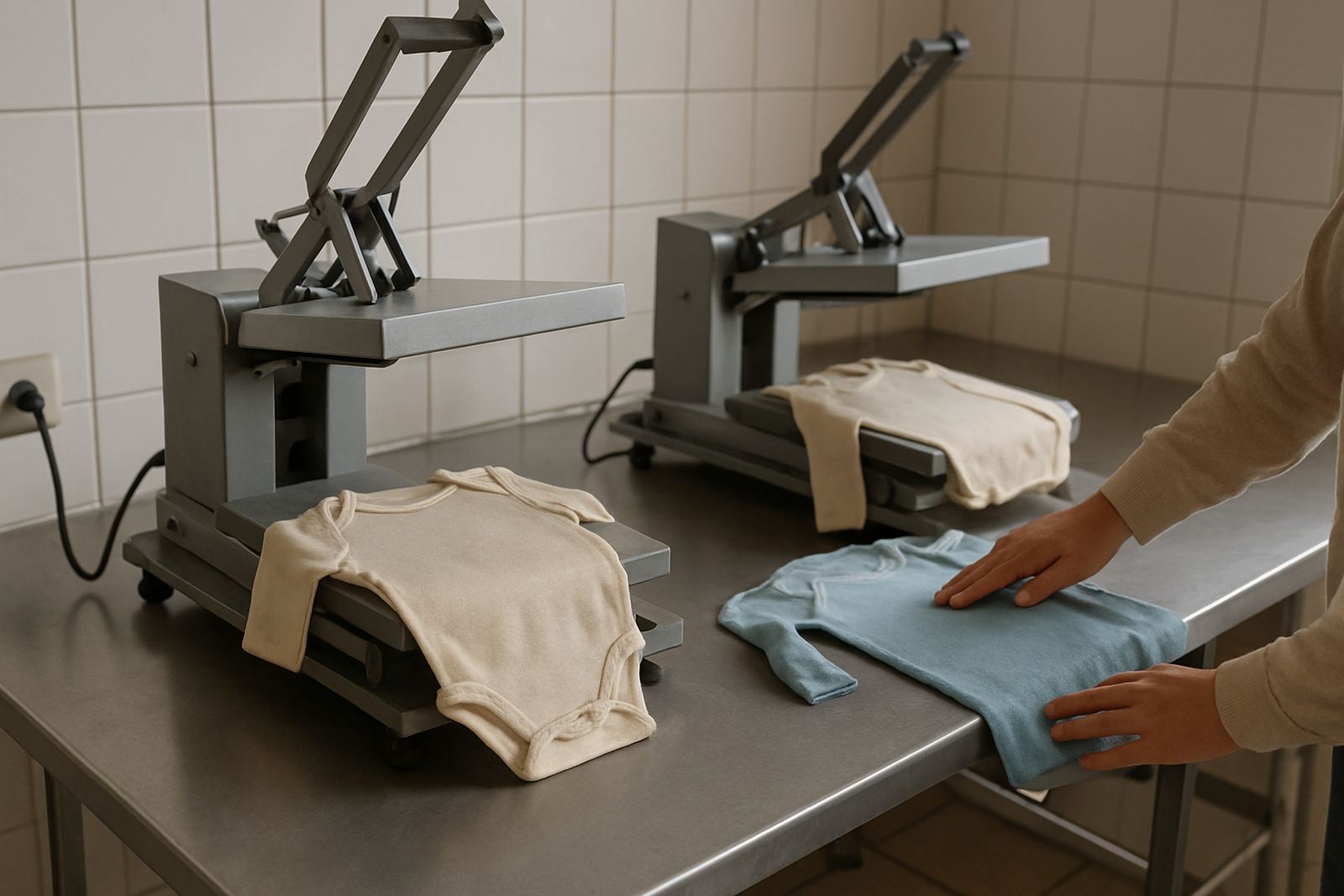
A practical pet apparel setup usually combines smaller platens, garment holding accessories and pretreatment gear for white or light-colour prints. The aim is to support different sizes without forcing the operator to improvise with packing foam or folded towels. That may work once, but it slows the line and leads to uneven pressure.
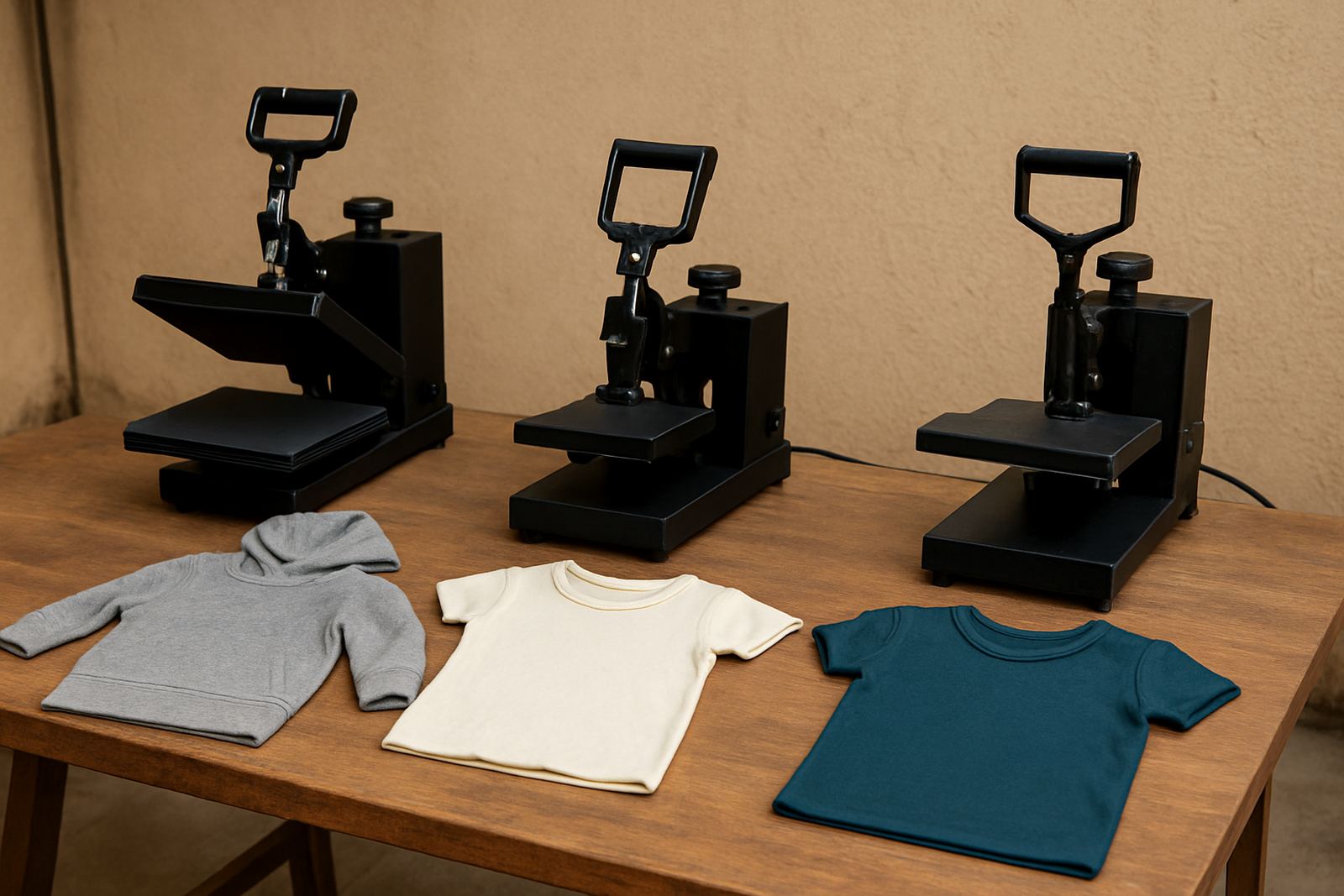
DTGrip supplies direct-to-garment printer platens, hoops and pretreatment kits that suit short garments and shaped items. For pet apparel, the most useful pieces are the smaller platens for chest panels, accessory platens for narrow sections, and hoops where you need a stable hold for repeat placement. If you print on coated or blended items, a reliable pretreat workflow matters just as much as the platen size.
- Small-format platens for chest, back and side panels
- Hoops for repeatable alignment on thinner garments
- Pretreatment kits for cotton and light blends
- Heat press accessories for even curing on small areas
- Cleaning and support items for daily operator use
For shops in coastal areas like Durban or the East Rand where moisture can affect fabric handling, storing pretreat materials properly and keeping the print room dry makes a real difference. A small change in fibre feel can shift the print outcome more than people expect.
Layout Planning For Short Runs And Sample Orders
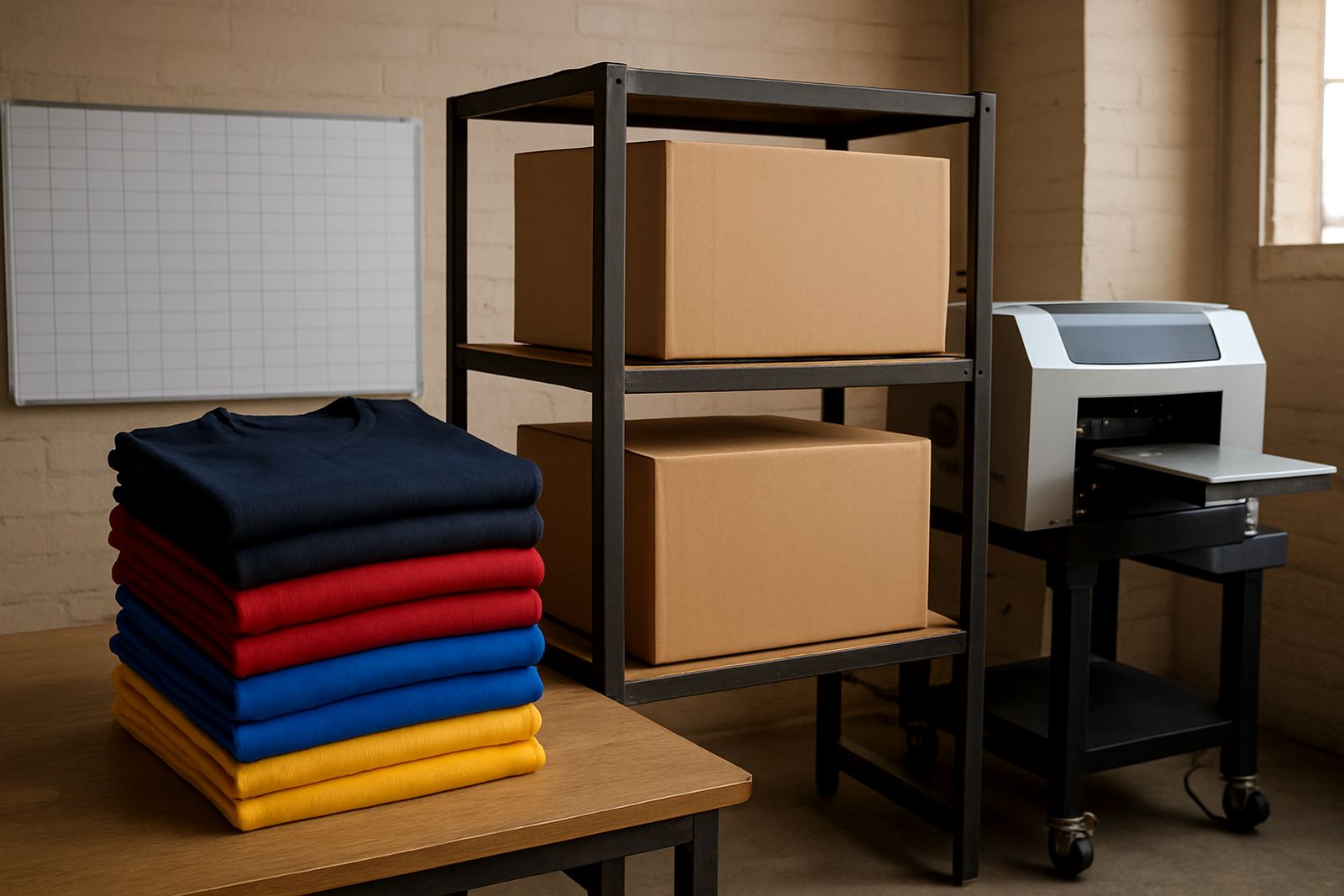
Pet apparel work benefits from a simple, repeatable layout. Keep the smallest garments near the print station, pretreat zone and curing area so the operator is not walking across the shop with half-finished pieces. In Crown Mines or Sandton, where floor space can be tight, a compact line saves time and reduces handling marks.
If you are adding pet apparel to an existing garment decoration shop, the best starting point is often one dedicated station rather than mixing it into a general adult apparel line. This helps with operator training and keeps the correct platen or hoop close at hand. It also makes seasonal work easier, especially when Christmas, pet expos or spring promotions create sudden demand.
- Keep small garments in one identified work area
- Separate pretreat, print and cure steps where possible
- Use labelled platens for different sizes and breeds of garment
- Plan for quick changeovers between sample runs and production runs
- Leave space for drying racks or staging tables if you do sample testing
For new shop planning, a sensible layout also accounts for power interruptions. During load-shedding, the operator should still be able to prep garments, stage prints and keep finished items organised without confusion. That way the shop can restart cleanly when power returns, rather than losing time finding which piece belongs to which order.
Common Mistakes With Pet Apparel Jobs
The biggest mistake is treating pet apparel like a scaled-down T-shirt job. The garment shape is different, the print area is often smaller, and the tolerance for crooked placement is lower because the item is novelty retail stock. A print that looks acceptable on a human tee can look off-centre on a pet shirt by 10 mm.
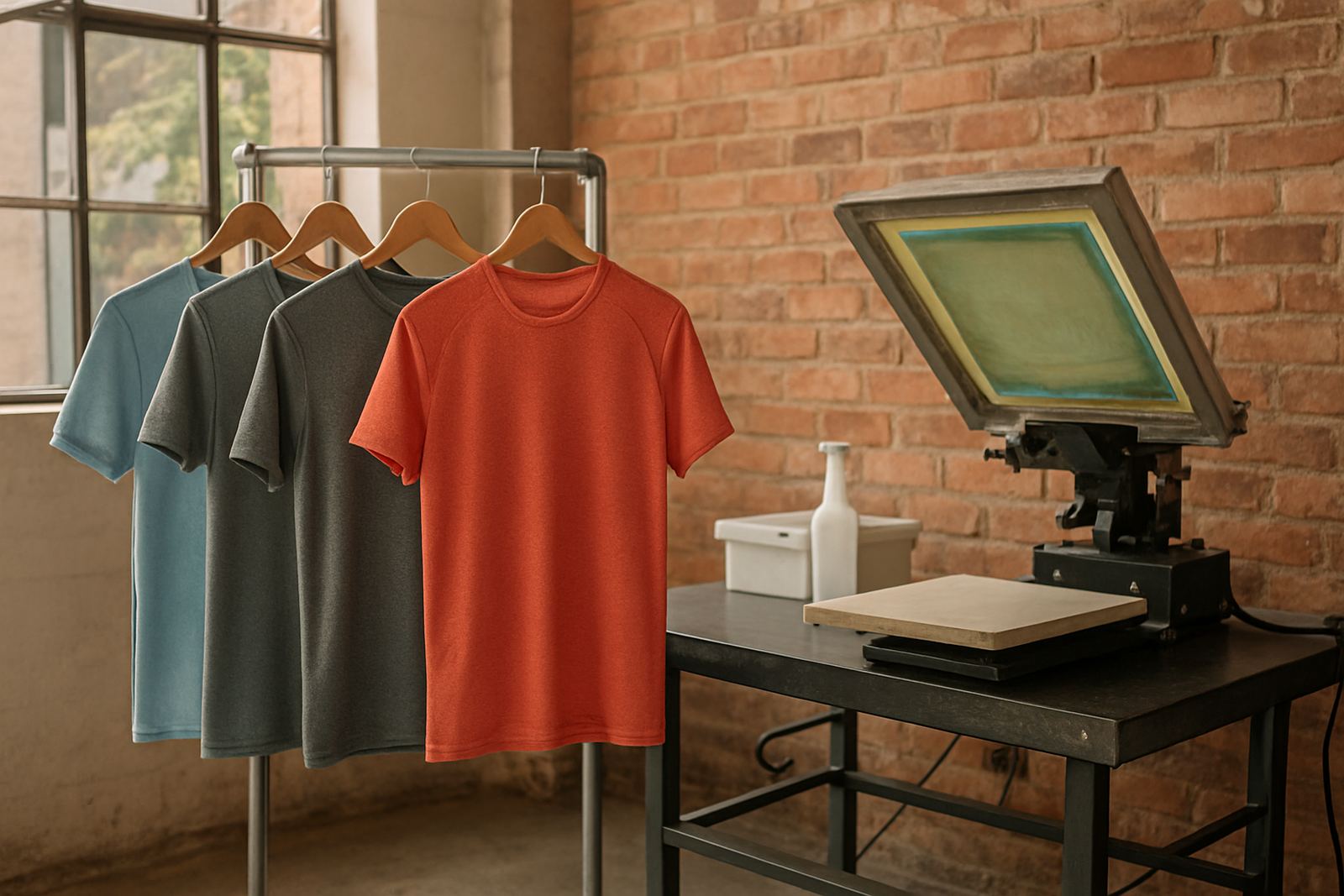
Another common issue is over-pretreating or using the wrong coverage on small garments. Excess liquid can pool near seams or show through light fabric, especially on thin items. Too much heat can also deform elastic trims or leave shiny marks. In many cases, a simple workflow review catches the problem before it turns into spoilage.
- Using one oversized platen for every pet garment
- Ignoring seam lines and curved edges during alignment
- Overheating small synthetic sections
- Not testing on each fabric type before the full run
- Mixing sample settings with production settings
We also see shops skip operator training because the orders are small. That is where mistakes start. A team member may be careful, but if they do not know how to position the item or choose the right pretreat setting, the result becomes inconsistent and the reprint cost climbs quickly.
Budget Ranges For Setup And Expansion
For a basic pet apparel support setup, many South African shops start with a modest spend and add pieces as demand grows. The usual entry point for platens, hoops and pretreat support can range from about R8,000 to R25,000 depending on how many sizes you need to handle and whether you are replacing worn parts or setting up a new station.
A more complete small-format package, with multiple platens, practical workflow accessories and training support, can sit in the region of R25,000 to R65,000. Shops that need seasonal reconfiguration, sample testing and production scaling advice should budget a little more, especially if they are working across several garment types or expanding into gift outlet supply. The right spend is usually less about buying everything at once and more about getting the first station right.
If you are in Pretoria East, Centurion or Midrand, courier delivery usually keeps downtime low. For shops in Durban or further afield, remote troubleshooting can help you adjust the setup before stock piles up. A careful first order often costs less than fixing a poor layout after the season starts.
Support That Fits Local Print Shops
DTGrip works with garment decoration businesses from Crown Mines to Randburg, East Rand, Pretoria East and Durban, with next-day courier to print shops nationwide where possible. The focus is practical support: correct platen installation, hoop setup, pretreat workflow, operator training and print alignment help for real production conditions, not ideal conditions.
For pet apparel, that means helping you choose the right small-format kit, check your sequence, and plan for the kind of orders boutiques actually place. If you need an onsite support visit, remote troubleshooting or a production scaling review, our team can help you shape a setup that matches your floor space and your monthly volume. It is better to spend an hour on setup than lose a whole batch because a collar seam threw off the print.
- Platen Installation
- Hoop Setup
- Pretreat Workflow
- Operator Training
- Print Alignment Help
- Workflow Review