When Activewear Starts Causing Print Problems
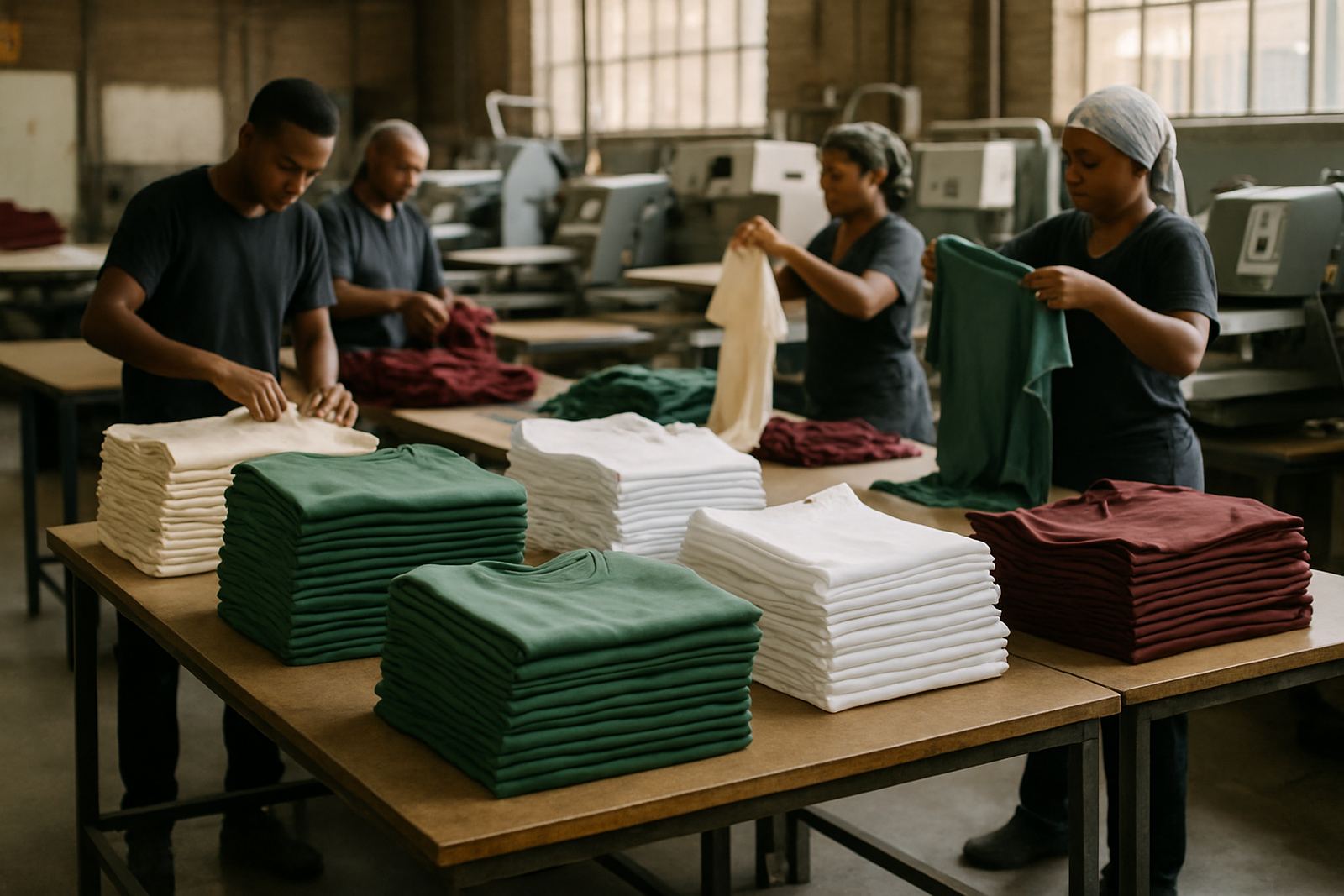
Sports apparel jobs often arrive in mixed batches, with T-shirts, singlets, leggings and rugby training tops all needing slightly different handling. A shop in Crown Mines or Midrand may print 20 units one day and 300 the next, so the setup has to cope with fast changeovers without losing alignment. If the fabric stretches while loading, or if the print area shifts after pretreating, the result is usually misplacement, blurred edges or a logo that sits too high on the chest.
For this kind of work, the client situation is usually the same: a growing print shop wants cleaner output, less waste and fewer reprints on tricky fabrics. Sportswear buyers are quick to spot poor finishing, especially on sponsor logos and team names. That is why the platen choice, hoop fit and pretreat method all matter before the first shirt even reaches the press.
Typical Equipment Set For Sportswear Jobs
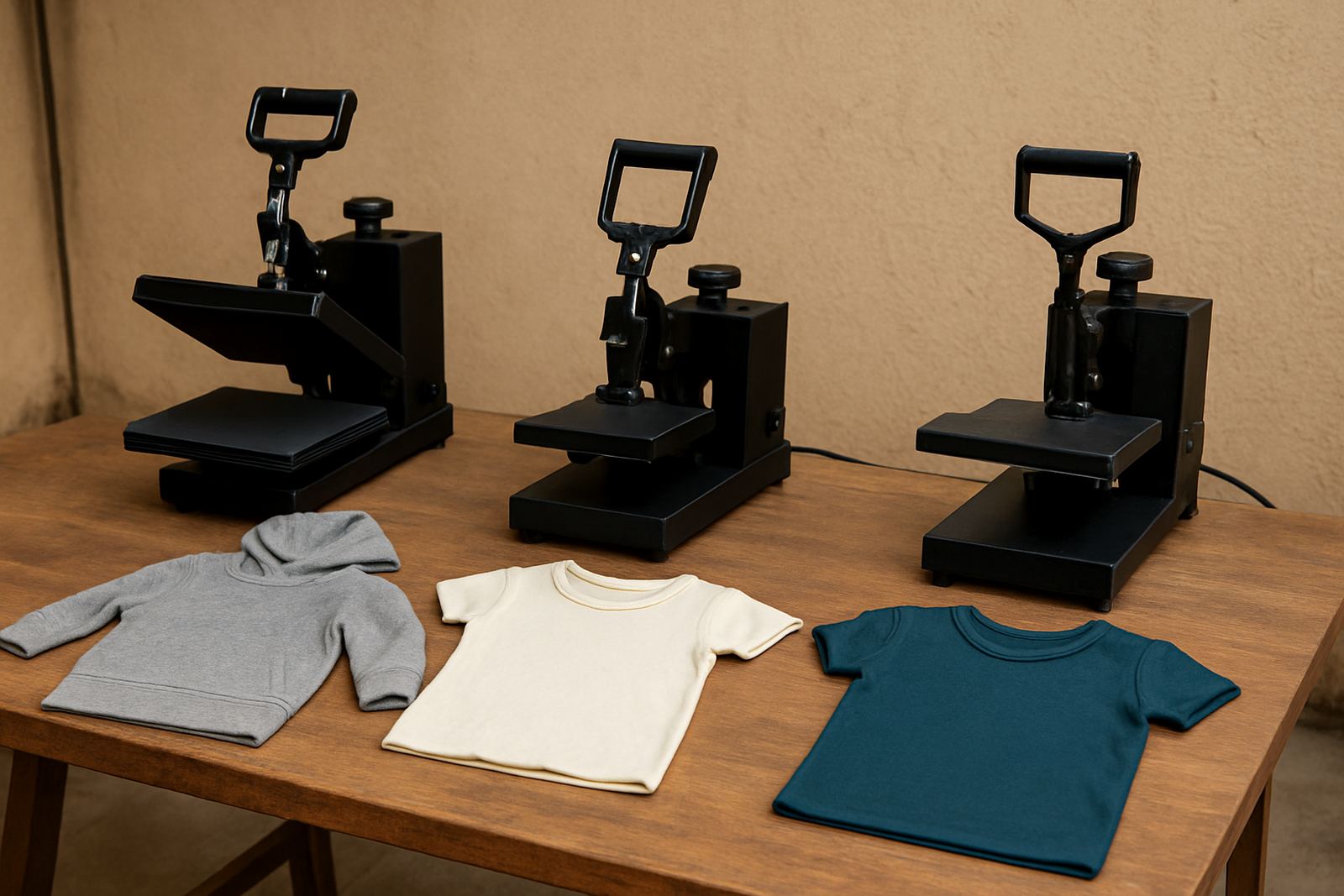
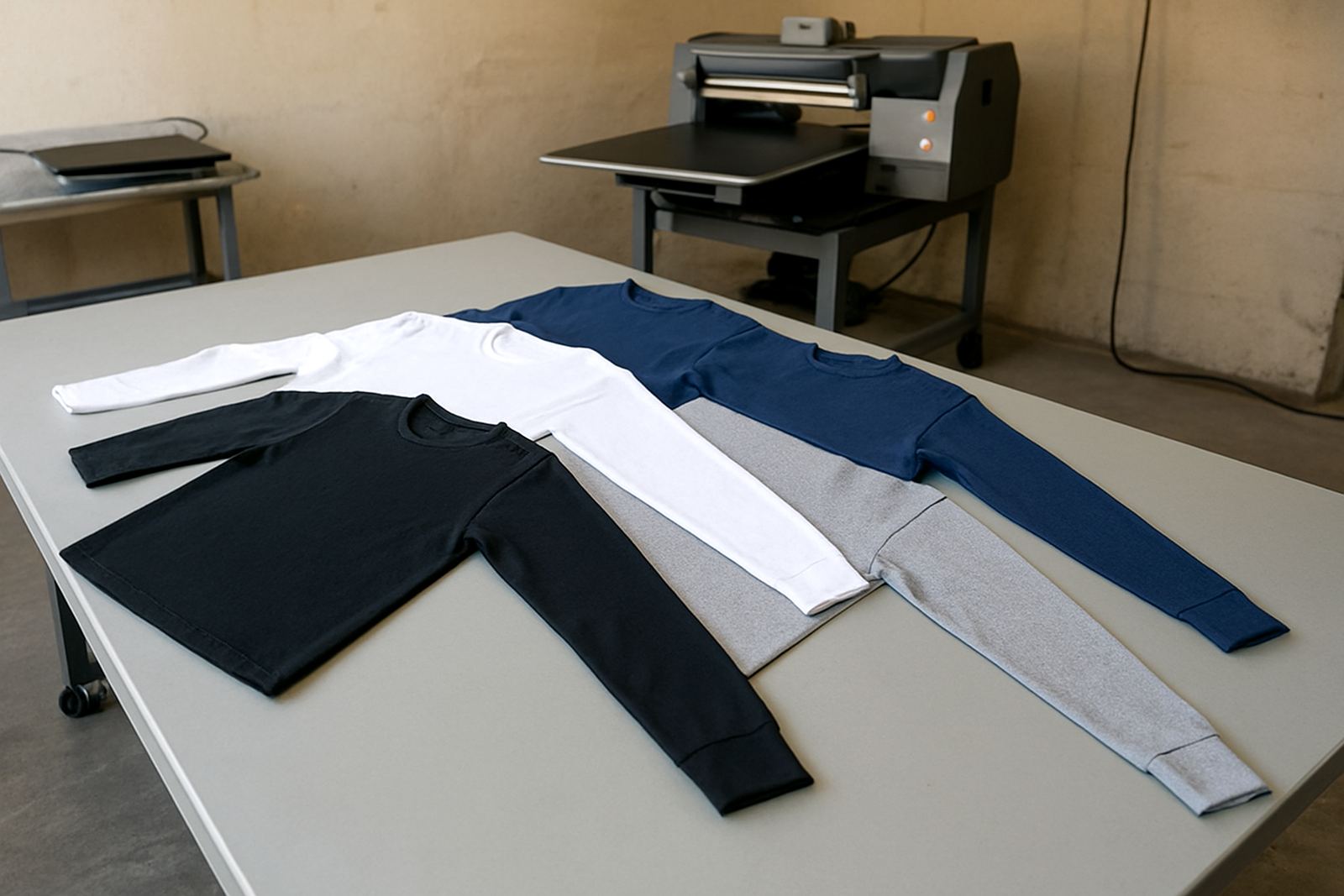
A sports apparel workflow usually needs more than one platen size, plus hoops for items that need firm tension before print. DTGrip supports shops that handle everything from youth soccer tops to adult compression garments, and the equipment must suit both flat and shaped items. A shop serving Sandton, Randburg or Pretoria East may keep a core set for fast turnaround, then add specialist sizes as the customer base grows.
Common equipment for this use case includes:
- Small and medium platens for chest logos, sleeve marks and tag-style prints
- Large platens for front and back artwork on jerseys and training shirts
- Hoops for stretch fabrics that tend to move during loading
- Pretreatment kits for darker garments and select synthetic blends
- Positioning aids for left chest, back neck and sleeve placements
When the job mix includes promotional sportswear, club kits and retail activewear, the right setup saves time across the full day not only on one order.
Layout Advice For Small Shops And Busy Production Floors
In Johannesburg workshops space is usually tight, so the layout has to reduce walking and keep the press area clear. A practical arrangement places the loading area close to the press, pretreat station slightly away from dust and lint, and finished stock near packing. If the shop also handles embroidery or heat transfer work, keep sports apparel away from high traffic paths where garments can pick up oil, dust or moisture.
For new shop planning, we normally advise that activewear jobs get their own pre-check space. That means a table for measuring print zones, a rack for sorted sizes and a shelf for platens by use. It sounds simple but it cuts avoidable errors. One missed size check can throw off an entire run of club shirts and cost a full afternoon.
- Keep the biggest platen close to the main press to avoid lifting bulky garments twice
- Store hoops flat and labelled by size so operators do not guess
- Separate pretreatment from garment packing to avoid damp transfers
- Leave enough room for load-shedding backups like battery lights and safe cable runs
Common Mistakes With Performance Fabrics
Performance fabrics punish small mistakes. Too much pretreat can leave patchy marks or stiff areas, while too little can cause weak colour and poor wash durability. Stretch fabric also moves under pressure, so if the platen is not the right fit the print area can creep out of position by a few millimetres. On sportswear, that is enough to make a team order look untidy.
Another common issue is rushing the workflow during peak season. Schools, clubs and promotional buyers often place urgent orders before events and holidays, and that is when operators skip sample testing. We usually recommend a sample test on each new fabric type, especially if the batch includes moisture-wicking polyesters or blended items with a soft hand feel. It costs a little upfront but saves far more than a full reprint. Some shops also forget to recheck positioning after seasonal reconfiguration, which is a problem when winter rugby kit changes over to summer running wear.
Budget Ranges For Sports Apparel Setup In Rand
A sports apparel setup can be built in stages, which helps smaller print shops manage cash flow. A basic entry-level support package for activewear work may start around R3,500 to R8,500, depending on the number of platens and hoops needed. A more complete setup for a shop handling regular teamwear and promotional sportswear usually sits between R9,000 and R24,000. Larger production floors that want multiple platen sizes, workflow support and staff training may budget from R25,000 upwards.
Those figures change with the number of garment types, the level of production and whether onsite support is needed in areas like Durban, Centurion or the East Rand. For many clients, the better question is not what is the cheapest option, but what setup will reduce waste over the next 12 months. A small improvement in alignment and pretreat consistency can pay for itself quickly when the order book is full.
How DTGrip Supports Local Print Shops
DTGrip works with print shops from Crown Mines through to outlying areas like Sandton, Randburg, Midrand and Pretoria East, with next-day courier available nationwide for most orders. The support process covers platen installation, hoop setup, pretreat workflow, operator training and print alignment help. If a shop is scaling up for sports club work or building a new activewear line, we can also review the layout and advise on production flow.
For shops that need help beyond the initial supply, remote troubleshooting and onsite support visits are available where practical. That is useful when a business is dealing with a run of tricky fabric, a new operator, or a sudden seasonal order from a school or sports club. The aim is to keep the process simple enough for daily use and strict enough to give repeatable results. When the work is done properly, the shirts come off cleaner and the team wastes less time correcting avoidable mistakes.