When promotional shirt orders start piling up
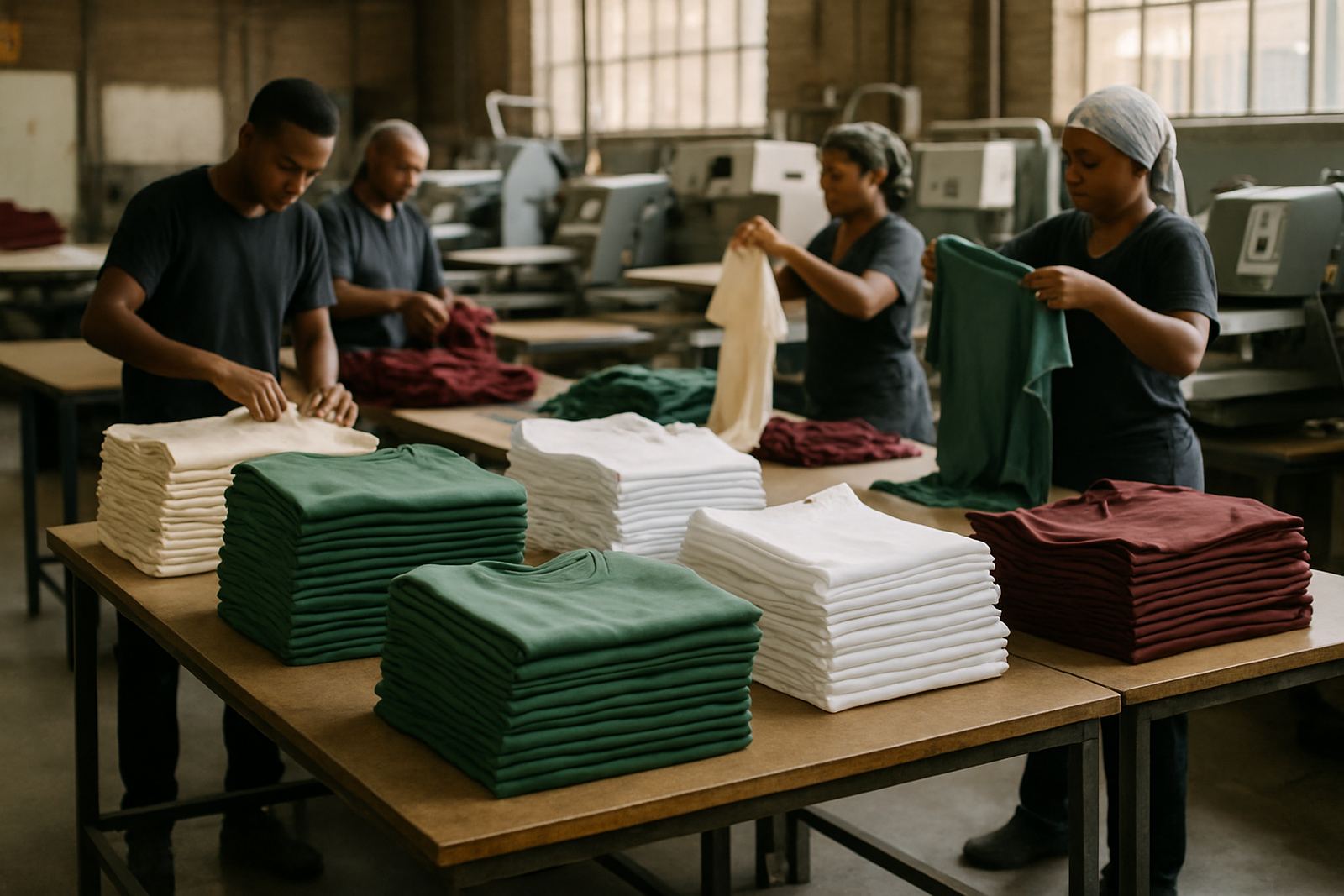
Promotional shirt jobs usually come in waves. One week it is 80 cotton tees for a school event, the next it is 500 mixed-size shirts for a roadshow or staff campaign. The pressure is not only on the printer, but on the whole prep line as well. Shirts must be loaded the same way every time, platen height must stay consistent and the pretreat stage has to be controlled or the print quality shifts from piece to piece.
For shops in Crown Mines, Sandton, Randburg, Midrand, Pretoria East, Centurion, the East Rand and Durban, the main issue is repeatability. If your team is still adjusting every garment by hand or using the wrong platen for the size range, the job slows down very quickly. That is where proper platens, hoops and pretreatment equipment matter. They cut down on wasted motion and help the operator keep pace when load-shedding, staff changes or late artwork updates put time under pressure.
- Best suited to cotton promotional shirts, polycotton blends and mixed size runs
- Useful when you need the same front print position across multiple boxes
- Helpful for shops handling reorders and quick turnarounds
Typical setup for a shirt production line
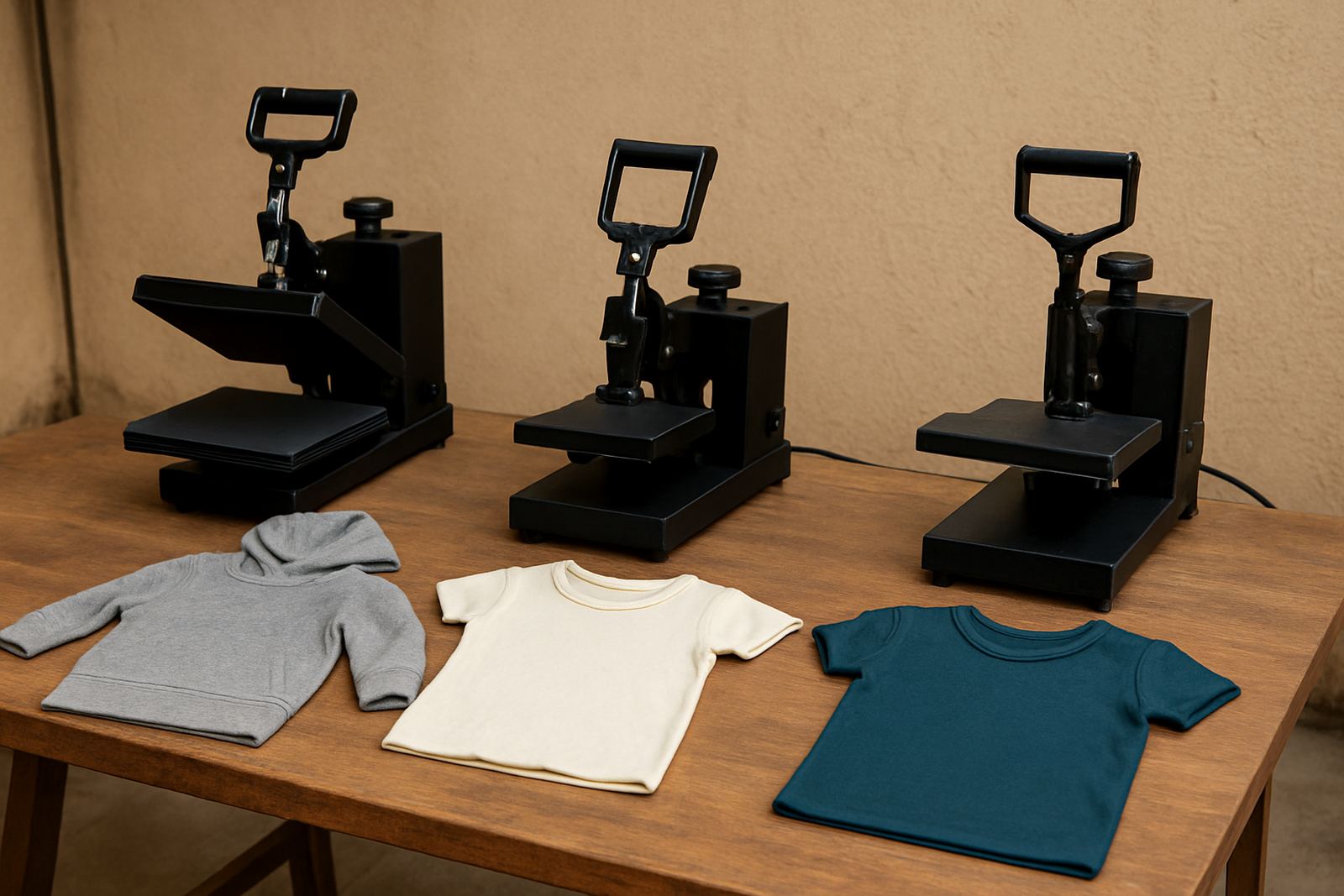
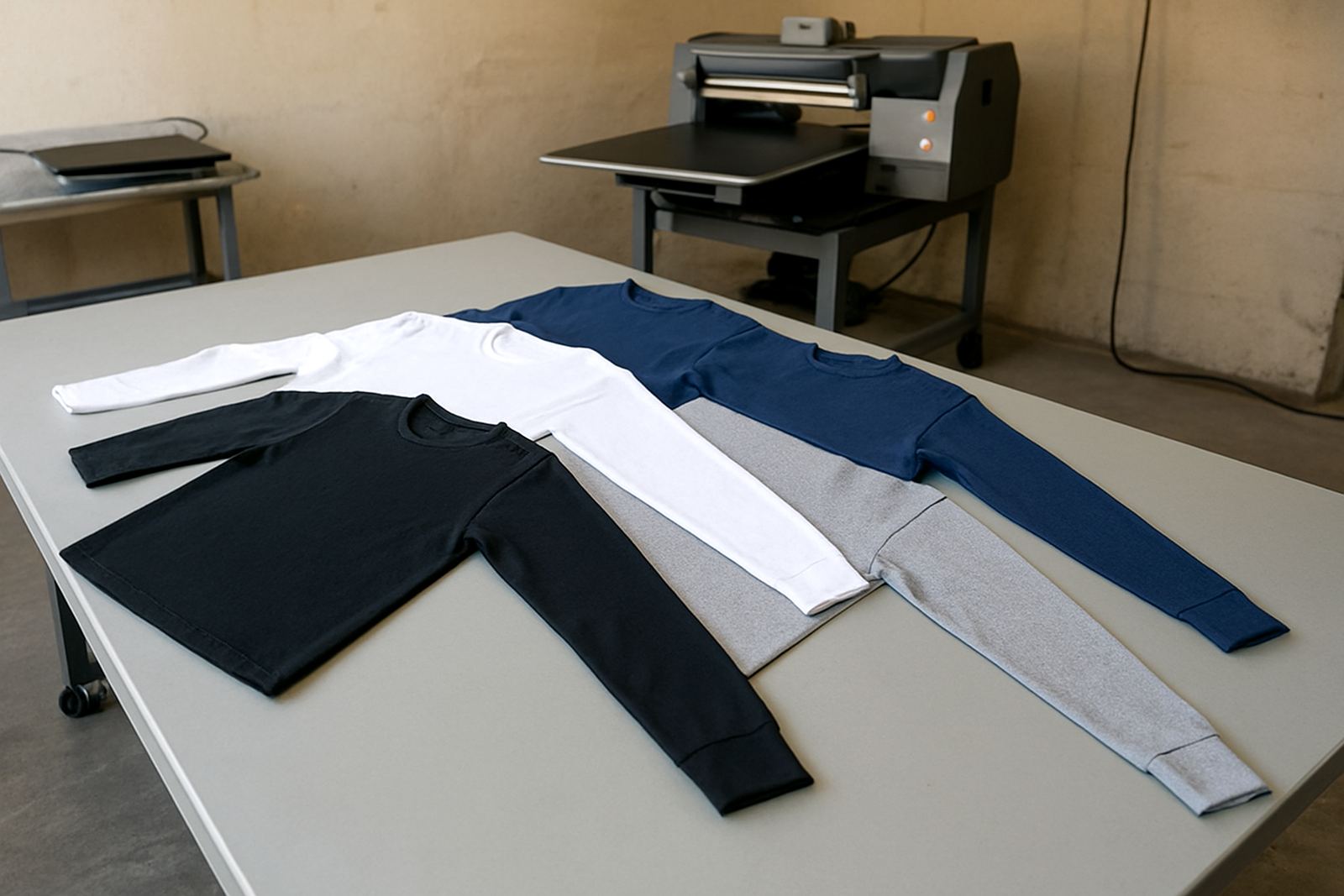
A practical promotional shirt line usually starts with a platen that matches the garment size range. Smaller campaign tees often need one platen for adult mediums and larges, while youth sizes and ladies cuts may need narrower support for cleaner placement. If your shop also prints sleeve logos or left chest marks, extra platens help the operator switch without remeasuring every time.
Hoops are useful when the print area needs firm tension before pretreatment or print placement. They keep the fabric flat, which matters on softer knit garments that stretch when handled too roughly. A steady pretreat workflow is just as important. Too much liquid can leave marks and too little can affect opacity, especially on dark promotional shirts. In humid coastal conditions, drying time may need a little extra care. Johannesburg shops have their own issue too, especially when winter mornings are dry and the afternoon gets busy, so the setup must stay predictable.
- Platen options for front, back, sleeve and youth garments
- Hoops for controlled tension during setup and alignment
- Pretreatment kits for even application before curing or printing
Layout advice that saves time on every box
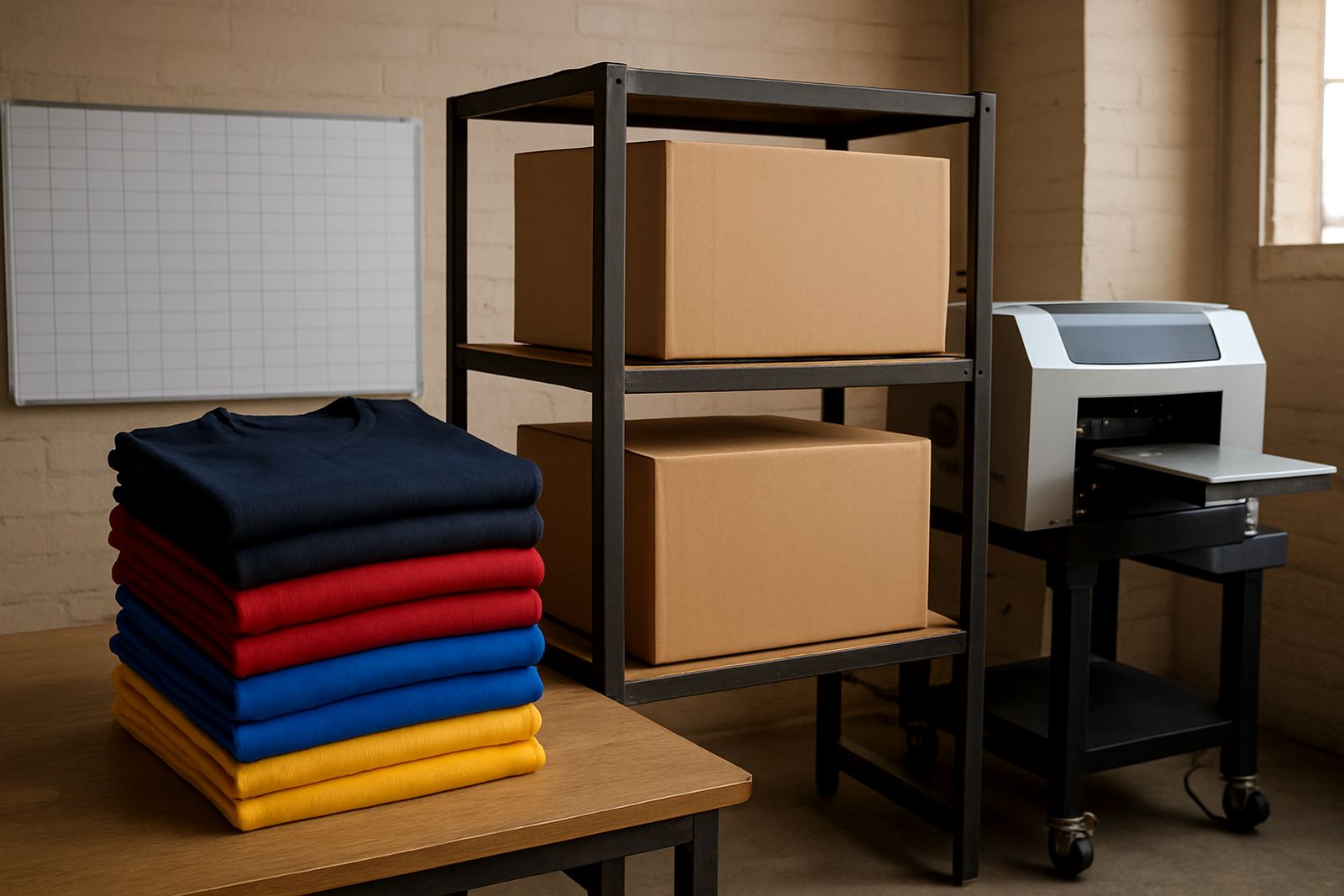
Promotional shirt work becomes much easier when the physical layout is planned around movement, not only around the printer. Keep incoming blanks near the prep point, then place pretreat, loading and finishing stations in a straight line where possible. If staff must carry shirts across the room for each step, you lose time and increase handling marks. A simple flow also helps when a small team is working under deadline.
For new shop planning in Crown Mines or a second line in Centurion, think about where the operator stands, where cartons are stored and how finished work leaves the area. Leave space for heat pressing, curing and packing. It is also worth planning for power interruptions. If your workflow depends on a clean restart after load-shedding, keep essential items grouped together so the team can resume without searching for the next stage. That little bit of order makes a real difference when a municipal outage or a courier deadline lands on the same day.
DTGrip supports shop owners with production scaling, seasonal reconfiguration and workflow review. That may mean changing platen sizes for a summer campaign, shifting the pretreat station closer to the printer or setting up a better layout for bulk repeat orders.
Common mistakes on promotional shirt runs
The biggest mistake is trying to make one platen do every job. That often leads to poor placement, more handling and uneven results on small and large garments. Another common problem is rushing pretreatment without checking fabric type. A cotton shirt, a cotton-rich blend and a synthetic mix do not always behave the same way. If the setup is copied from one garment to the next without checking, quality drifts fast.
Another issue is training. When new staff are left to guess where the shirt should sit, print positions move slightly from box to box and the customer notices. Misalignment becomes expensive on larger runs because every error repeats. Shops also get caught when they skip sample testing. It only takes one test shirt to show whether the platen is the right size, whether the pretreat is even and whether the print position is set correctly.
- Using one platen for too many shirt sizes
- Over-applying or under-applying pretreat
- Skipping sample tests before a full run
- Not training staff on placement and repeat loading
Budget ranges for a proper promotional shirt setup
Budget depends on the size of the shop and the volume you want to handle. A small promotional run setup with a few platens and a basic pretreat workflow can start in the lower tens of thousands of Rand. Shops that need a wider range of shirt sizes, extra hoops and more structured operator support should budget higher. Once you add workflow improvements, sample testing and onsite support, the investment goes up but the time savings are usually clear within busy season.
For a growing print shop in Johannesburg or Pretoria East, a sensible range to plan for is often somewhere between R15,000 and R75,000, depending on how much of the line needs upgrading. Larger production teams, especially those handling regular contract work, may spend more if they are standardising several stations at once. DTGrip can help with a practical plan based on your current output, staff numbers and the types of shirts you print most often.
Orders are shipped by next-day courier to print shops nationwide from Crown Mines, with support available for onsite visits, remote troubleshooting and training where needed.