
When long sleeves become a production problem
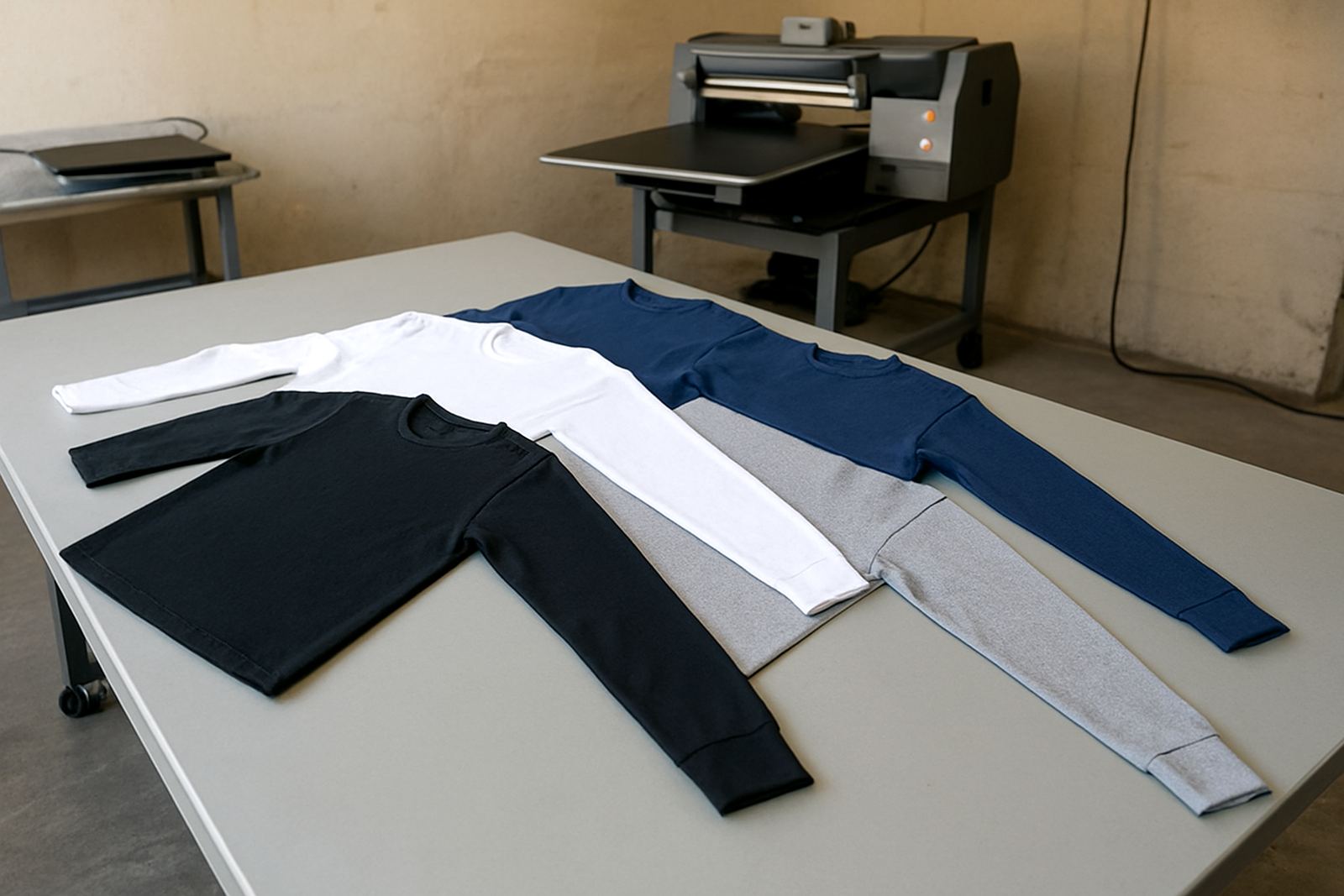
Long sleeves sound simple until the shirt is on the platen and the sleeve wants to drag, crease or sit off line. That is usually where print shops start seeing wasted blanks, crooked chest prints and extra handling time. For garment decorators working in Johannesburg, Pretoria, Durban or the East Rand, this shows up most on winter ranges, corporate wear, schoolwear and promotional tops with narrow cuffs.
The main issue is fabric control. A longer sleeve changes the balance of the garment, especially on heavier cotton, poly cotton and brushed fleece. If the body sits correctly but the sleeve is hanging loose, the print head clearance and artwork position can both move. In practical terms, the job needs a platen or hoop setup that holds the shirt flat without forcing the seam into the print zone.
For a small shop doing 20 to 40 garments a day, the problem is often speed. For a larger operator, it is repeatability. Either way, long sleeves need a set-up that makes the sleeve predictable from the first print to the last.
Typical platen and hoop set-up for sleeve work
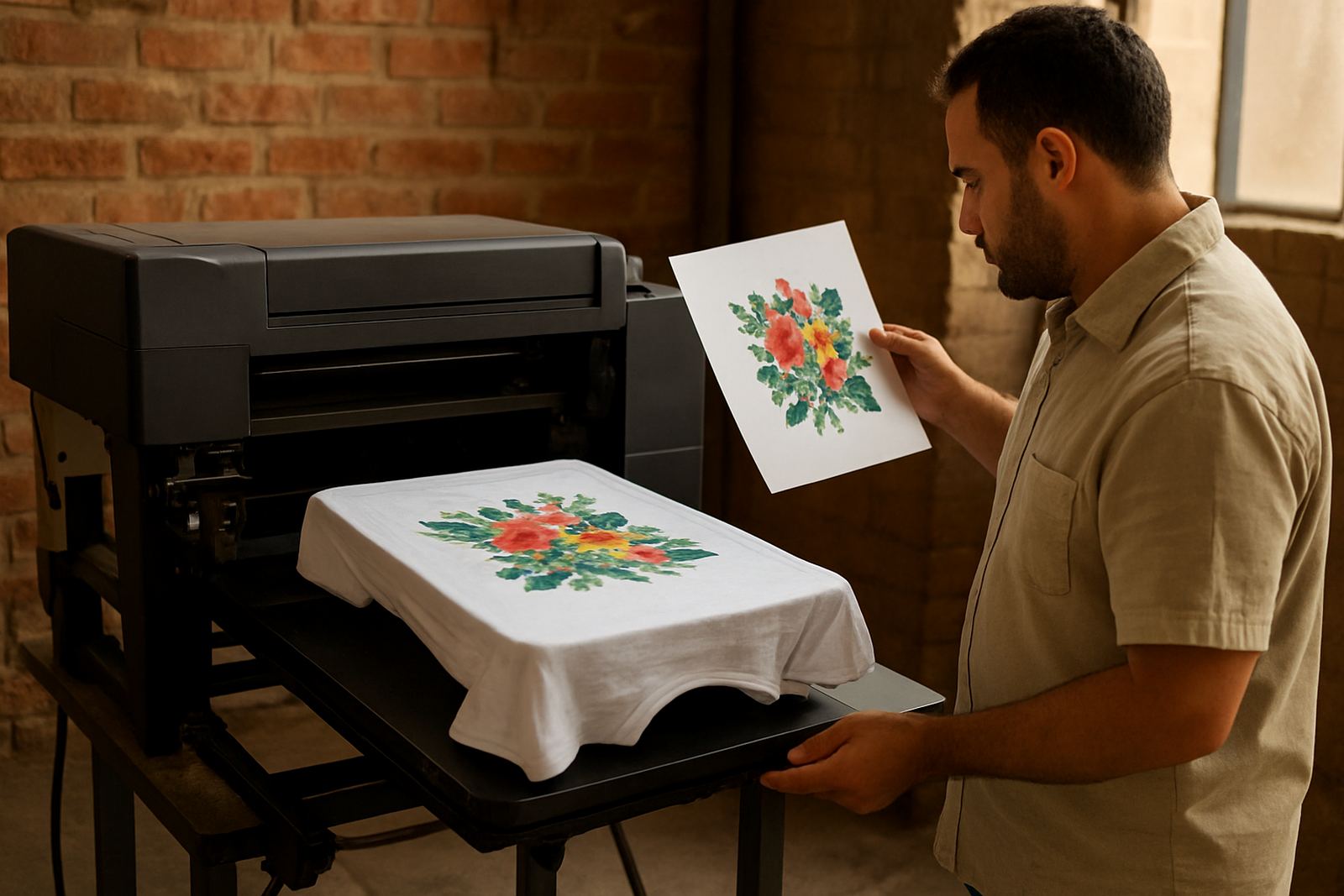
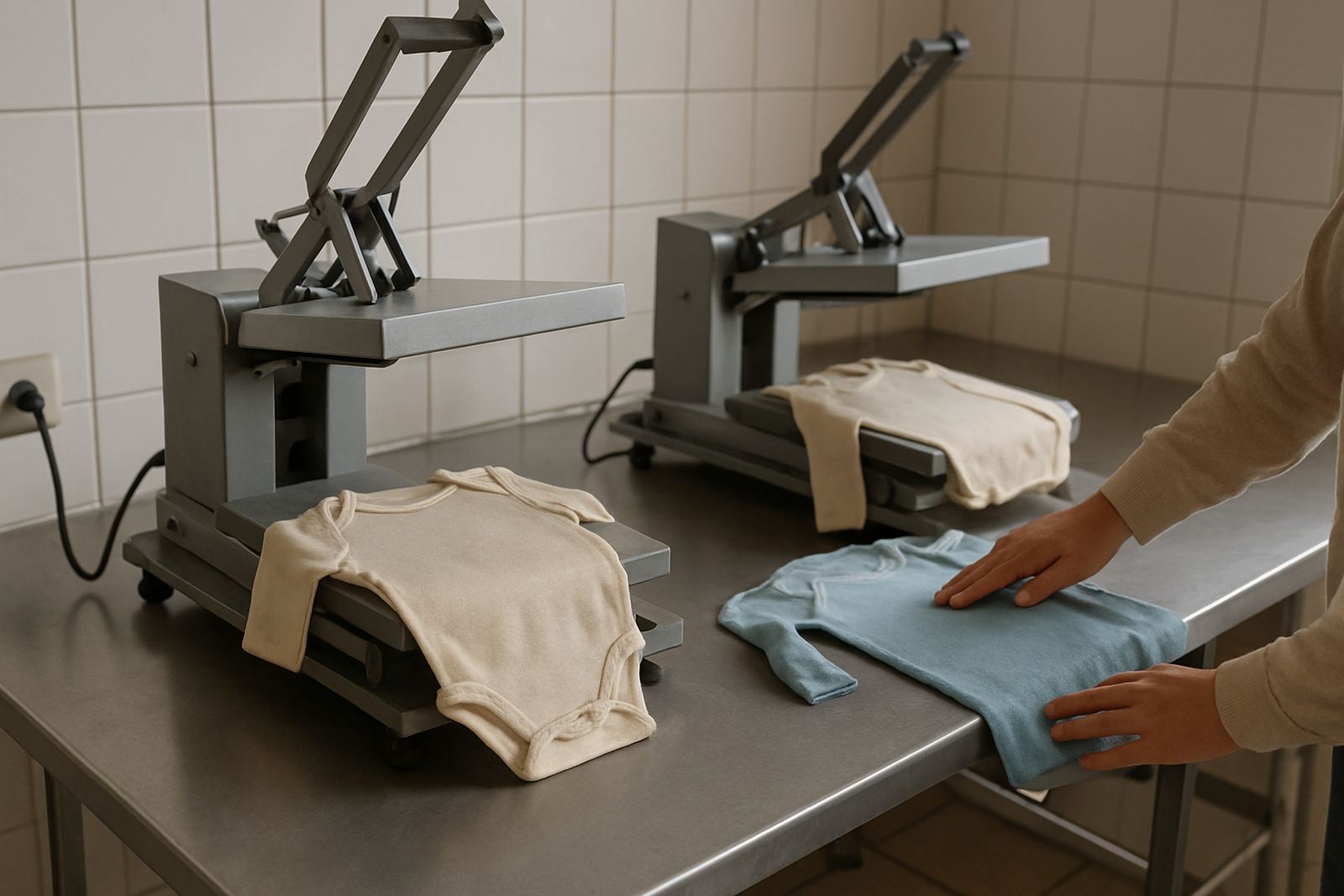
Long sleeve production usually needs a mix of platens and hoops, depending on the garment type and print area. A standard body platen can still be used for the main front or back print, but sleeve-specific work needs smaller supports so the fabric does not bunch up. In many shops, the right mix includes a narrow sleeve platen, a body platen with good garment control, and hoops or clamps for pretreat and alignment.
For most printers, the set-up also needs a clean workflow around pretreatment. Long sleeves are easy to overspray if the cuff, shoulder and side seam are not managed properly. That is why a good pretreat station matters almost as much as the platen itself. It saves time, reduces overspill and helps the print sit evenly on the fabric. A workshop in Crown Mines can often test the garment type first, then match the platen size and support method before the shop commits to full production.
- Narrow sleeve platen for left and right sleeve prints
- Body platen for chest, back and larger artwork panels
- Hoops or clamps for holding fabric flat during pretreat and placement
- Heat-resistant covers and guides for repeat positioning
- Drying and curing space with enough clearance for longer garments
How to plan the layout around longer garments
Long sleeve work is not only about the platen. It also changes the layout of the room. The operator needs space to slide garments on and off without catching the sleeves on equipment edges, tables or heat sources. If the workshop is small, a poor layout leads to snagging and crooked placement, especially when one person is running both pretreat and printing.
We normally advise shops to check the full path of the garment. That includes unpacking, inspection, pretreat, drying, loading, alignment, print, curing and folding. If the sleeve is long enough to hang below the table line, then the support height and nearby clearance become important. In some Durban and coastal jobs, humidity also affects how long garments stay open and ready for print, so the workflow needs a bit more room and less waiting around.
- Keep a clear loading side with enough room for the sleeve to hang free
- Place pretreat and drying steps close together to cut handling time
- Mark alignment points for chest, sleeve and upper arm positions
- Separate finished garments from wet or heat-sensitive stock
- Allow space for load-shedding backup so jobs do not stall mid run
Common mistakes that slow down sleeve printing
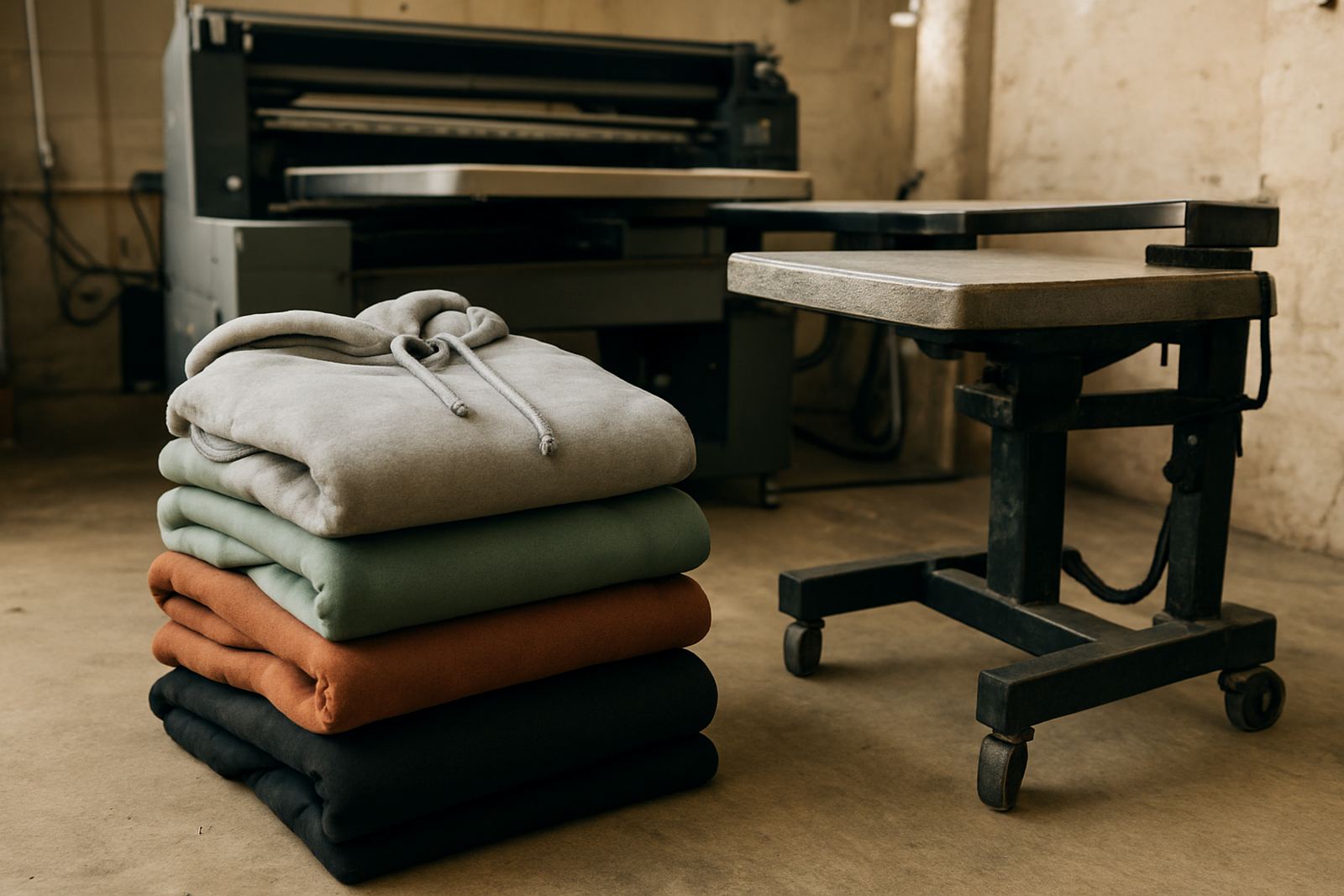
The biggest mistake is trying to use one setup for every garment. A short sleeve tee, a long sleeve polo and a fleece hoodie all behave differently. If the same platen and placement method is used across all of them, quality drops fast. Another common issue is overloading the garment onto the platen, which lifts the seam and pushes the print area off centre. You then spend time reworking each piece, and that hits profit.
Another problem is ignoring fabric weight. A light long sleeve knit will move very differently from a thicker winter top. If the support is too soft, the garment sags. If it is too hard, the fabric can mark or shift. Operators also sometimes skip a test print on a new style, which is risky when dealing with school logos, event stock or a repeat corporate run. One misplaced sleeve can turn a whole batch into seconds.
Good training helps here. Once the team knows how to handle the garment from pretreat to alignment, the process becomes far more stable and the press no longer fights the fabric.
Budget ranges for a long sleeve workflow
Budget depends on how many sleeve positions you print and how much of the process needs to be improved. A shop looking only for better sleeve support may spend from about R3 500 to R9 000 on a basic platen and hoop combination. If the setup also needs pretreat workflow support, better alignment tools and operator training, many shops plan for R10 000 to R25 000. For a more complete production upgrade with multiple platen sizes and onsite setup help, budgets can move into the R25 000 to R60 000 range.
It is worth spending correctly the first time, because sleeves are where bad handling shows quickly. A cheap fix often costs more in wasted blanks, reprints and time. For shops in Sandton, Randburg, Midrand or Centurion, the usual question is not whether sleeve work is possible, but whether the current setup can keep up when orders increase in winter or ahead of campaign season.
DTGrip supplies from Crown Mines with next-day courier to print shops nationwide, so a shop does not have to wait weeks for a small improvement. That helps when production is already under pressure and the line cannot stop for long.
Support for busy print shops and growing teams
Long sleeve work often sits between custom jobs and repeat production. One week it is staff wear, the next it is fashion runs or event stock. That is why the support needs to be practical. DTGrip works with print shops on platen installation, hoop setup, pretreat workflow, print alignment help, workflow review, sample testing, seasonal reconfiguration, remote troubleshooting, onsite support visit, new shop planning and production scaling.
Our team in Crown Mines includes Thabo Mokoena, Ayesha Naidoo, Sipho Dlamini, Lerato Molefe, Johan Smit and Zanele Khumalo. That means the shop can get help with the technical side, the production side and the training side without having to guess its way through long sleeve jobs. For printers in Pretoria East, the East Rand, Durban and the wider Johannesburg area, that support is especially useful when a new garment range comes in and the current method no longer fits.
With the right platen, the right hoop and a clear workflow, long sleeves stop being awkward and start becoming routine.