When a single shirt must still look production-ready
Custom one-off work usually starts with a customer who needs one item, or maybe two, and still expects the same finish as a larger run. That can be a birthday shirt, a sample for a fashion label, a staff shirt for a new site, or a last-minute promo request that lands late on a Thursday. In Johannesburg and across the country, these jobs often need to move quickly because the client is waiting, the courier is already booked, or the event is the next morning.
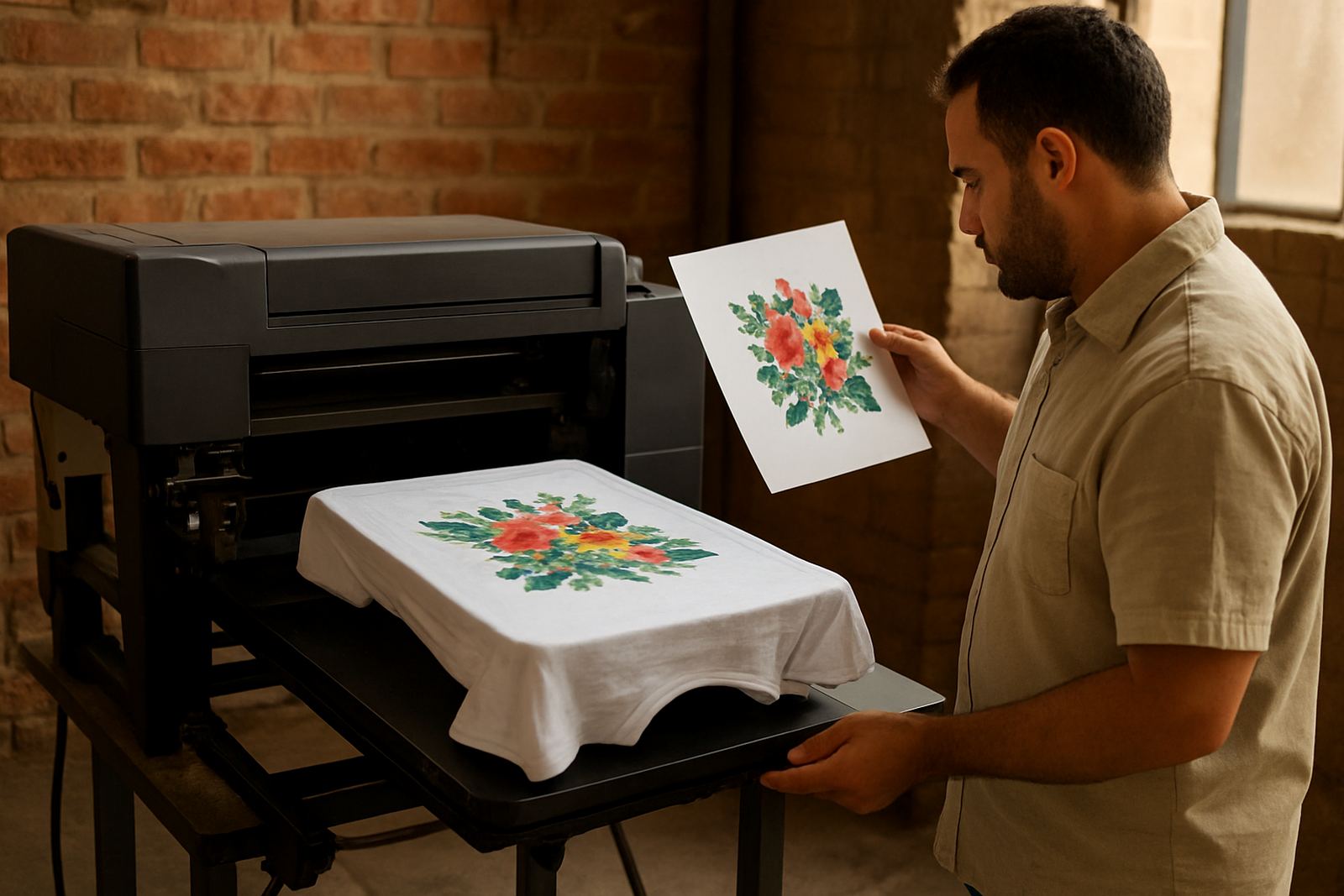
For this kind of work, the setup has to be flexible. You may be printing on a small infant garment one hour and a larger adult tee the next. If the platen is awkward, the hoop takes too long to fit, or the pretreat is inconsistent, the whole job starts costing more than the garment itself. A good one-off workflow keeps changeovers short, protects the fabric, and gives you repeatable print placement even when the order size is tiny.
- Single garments with mixed sizes and fabric types
- Sample prints for fashion, branding or approval
- Rush jobs with limited time for setup changes
- Custom gifting, school events and promotional items
Typical equipment set for one-off garment work
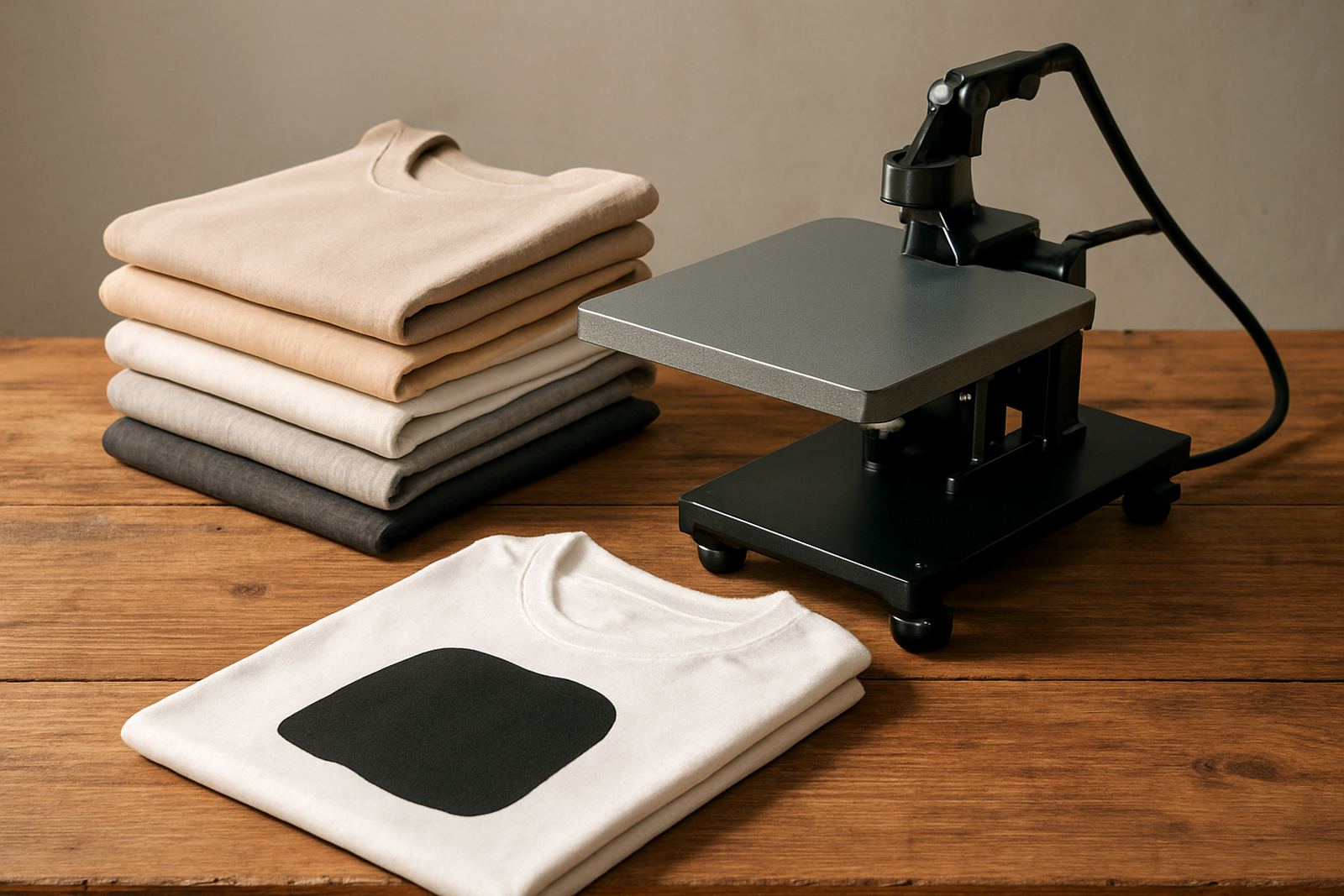
Most shops handling one-off DTG jobs use a smaller set of platens plus a few specialised options for sleeves, youth sizes and hard-to-fit garments. The aim is not to fill the workshop with every size under the sun, but to keep the right pieces on hand so you are not forcing a shirt onto the wrong board. DTGrip supplies direct-to-garment printer platens, hoops and pretreatment kits that suit these quick-turnaround jobs.
A practical set-up often includes a standard adult platen, a youth platen, a few compact options for baby grows or narrow fronts, and a separate support board for special placements. If your work includes hoodies, tote bags or thicker cotton blends, you may also need tooling that holds the fabric flat without lifting at the edges. In humid coastal areas like Durban, pretreatment handling matters even more because damp fabric and long drying times can slow the line. In winter in Gauteng, static and dry air can also affect placement, so the workshop must be set up for both conditions.
- Standard adult platen for general one-off tees
- Youth and small-garment platens for smaller prints
- Hoops for stable placement on harder-to-handle garments
- Pretreatment kit for consistent coating before printing
How to plan the layout for fast swaps and fewer errors
One-off work is easiest when the press area is arranged around movement, not storage. Keep the most used platen sizes close to the printer and the heat press, with pretreat materials nearby but out of the way of dust and overspray. If your team is working in Crown Mines, Sandton or Randburg, where space can be tight and rent is not cheap, a compact layout with clear handover points saves time every day.
The surface height, access to power and the distance between pretreat, drying and printing should all be checked before you buy extra equipment. Shops in Midrand or Pretoria East often have a bit more room, but that does not mean the line can be messy. A well planned one-off corner should let one person prep the garment while another sets the platen, with no crossing paths and no waiting around. If your business is scaling, the same logic helps when you add a second printer later.
- Place the printer, press and pretreat area in a straight working line
- Keep small platens and hoops in clearly marked storage
- Allow enough room for garment loading without bumping other stations
- Set up backup power for load-shedding so drying and printing do not stop mid-job
Common mistakes that slow down one-off production
The biggest mistakes usually come from treating a one-off job like a standard run. If the platen is too large, the shirt shifts and print placement drifts. If the hoop is not matched to the garment, the fabric wrinkles near the print area. If pretreatment is rushed, the print can look patchy or wash down too quickly. These issues are small on paper but they become expensive when you are only printing one item and there is no second chance.
Another common issue is ignoring the type of fabric. Polyester blends, heavyweight cotton and textured garments each behave differently under heat and pressure. A one-size-fits-all setting can work once, then fail on the very next order. Shops also forget to check curing time after a quick sample test, especially when they are busy or trying to meet a courier cut-off. That is where support from a practical local team helps, because the process needs to work in real shop conditions, not just on a spec sheet.
- Using a platen that is too big for the garment
- Pretreating unevenly or not allowing enough drying time
- Forgetting fabric differences between cotton, blends and synthetics
- Skipping sample tests before client approval
Budget ranges for flexible one-off setups in Rand
Budget depends on how many garment types you want to handle and how fast you need to switch between them. For a small shop doing occasional one-off work, a basic platen and hoop set-up with a starter pretreat kit may begin around R3,500 to R8,000. A broader kit for mixed garment sizes, more stable alignment and quicker workflow can land between R9,000 and R18,000, depending on the mix of tooling. If you are adding support for special items, training, or seasonal reconfiguration, the spend will rise with the level of complexity.
For print shops in Johannesburg, Pretoria, Durban and the East Rand, it is often better to buy the pieces that remove bottlenecks first, then add the extras later. That keeps cash flow under control and avoids equipment sitting unused on a shelf. If you are planning a new shop or scaling production, it is also worth comparing the cost of manual handling against the time lost on each changeover. A few minutes saved on each one-off can add up quickly over a month.
DTGrip works from Crown Mines, Johannesburg and offers next-day courier to print shops nationwide, with practical help for setup and use. Clients reach the team through the enquiry form on the contact page, and support can be arranged for on-site visits, remote troubleshooting or workflow review when needed.
Support for setup, training and small production changes
Custom one-off work improves when the team knows exactly how to prep the garment, load the platen and keep the print centred. That is why setup help matters just as much as the hardware. DTGrip can assist with platen installation, hoop setup, pretreat workflow, operator training, print alignment help, sample testing and workflow review. For shops that take on seasonal work, school orders or branded giveaways, this support helps the line stay organised when the mix changes from week to week.
If your shop is in Sandton, Randburg, Midrand, Pretoria East, Centurion, the East Rand or Durban, the practical approach is the same: match the equipment to the job, keep the workflow simple, and test before full production. One-off jobs do not need complicated systems. They need reliable tools, clear spacing and a team that can change over quickly without second guessing the setup.
In many cases the right answer is not more equipment, it is better matched equipment. That means fewer reprints, less garment waste and a steadier finish on those single garments that still need to look professional.