When caps and panels need special handling
Caps, front panels and curved fabric sections behave differently from flat tees or hoodies. The material pulls in odd directions, seams can lift, and a small shift during loading can throw the print out by a few millimetres. In busy shops this shows up as off-centre logos, broken outlines and wasted garments, especially when staff are moving fast between jobs.
For print shops in Johannesburg, Pretoria East, Randburg or Durban, this use case often comes up with promotional caps, teamwear, school events and short-run branded merchandise. You need a setup that keeps the panel stable while still allowing quick changeovers between sizes and shapes. If the front of the item is not supported properly, pretreatment spreads unevenly and the print head can leave marks where the surface dips.
The right platen or hoop does more than hold fabric. It gives the operator a repeatable position, helps with alignment and cuts down on trial prints. That matters when you are working under load-shedding pressure, trying to keep turnaround times tight and still maintain a neat finish.
Typical equipment set for shaped jobs
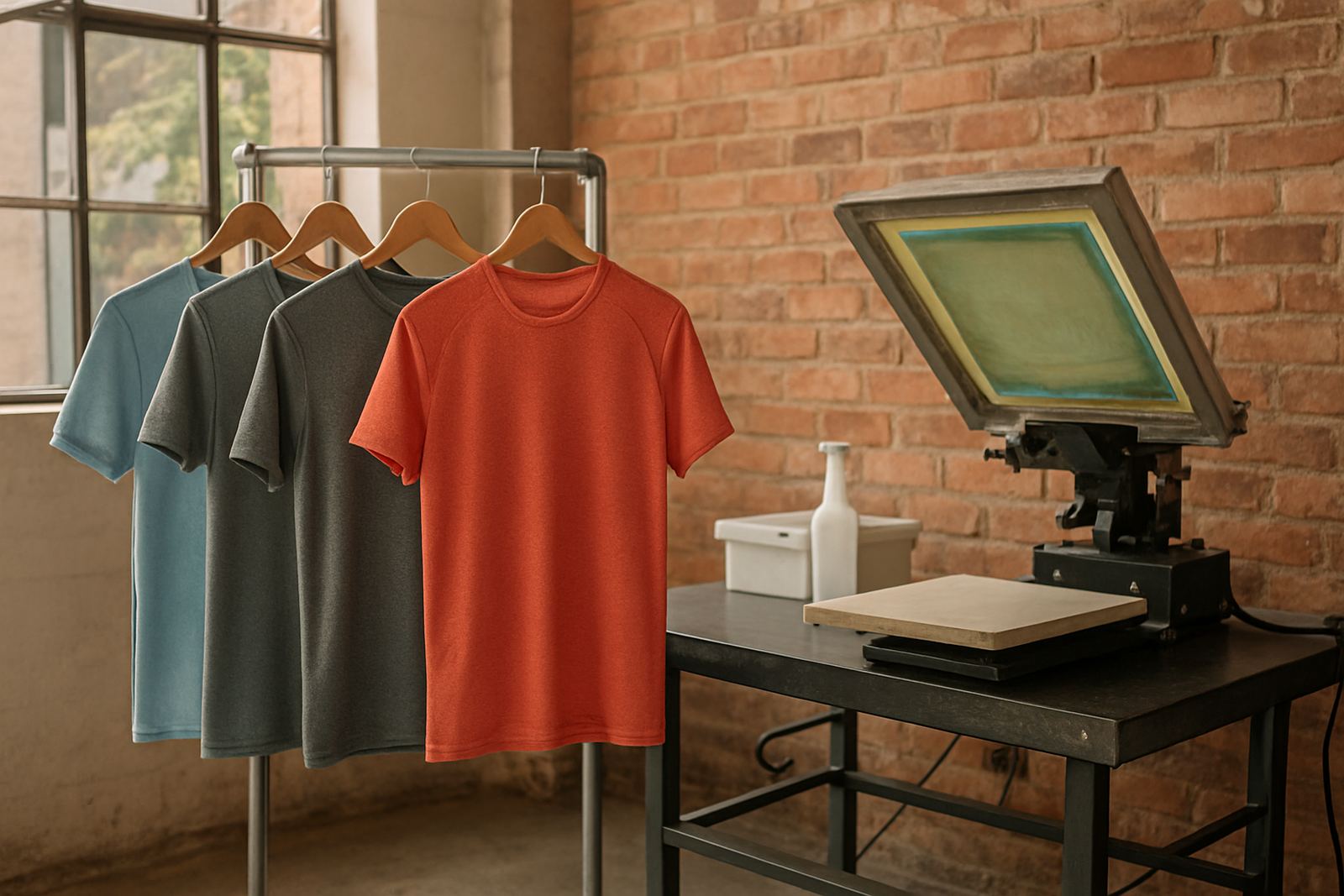
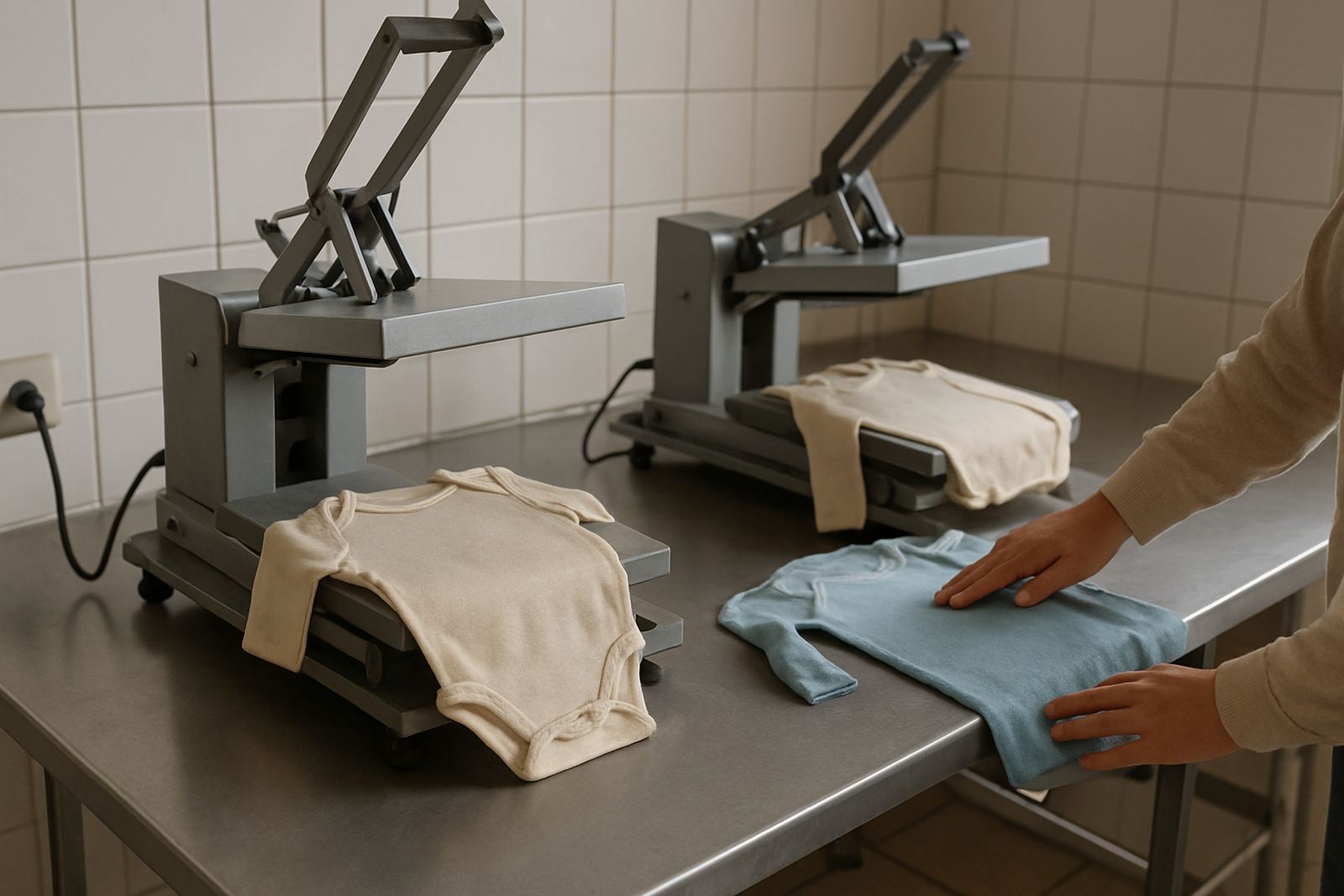
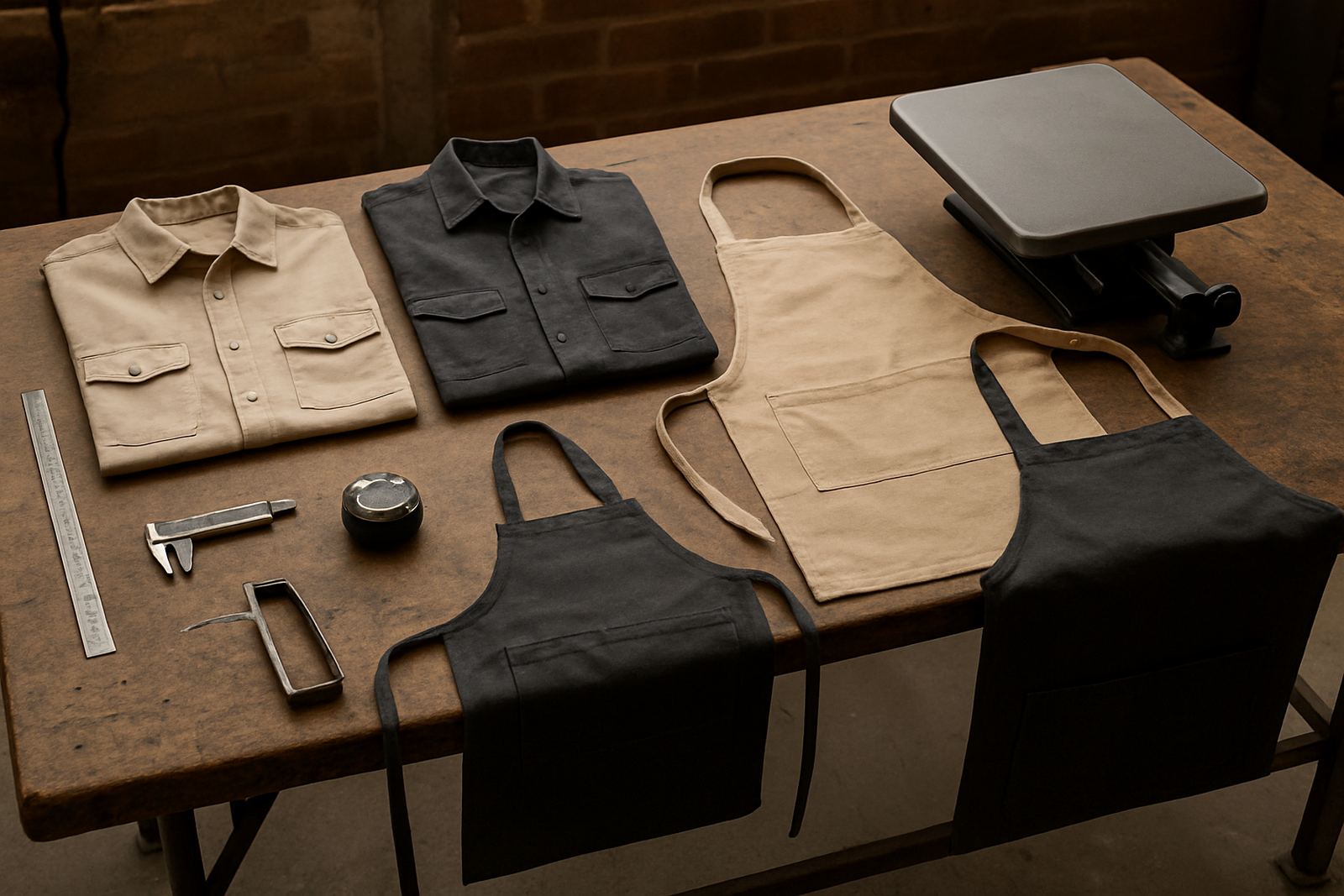
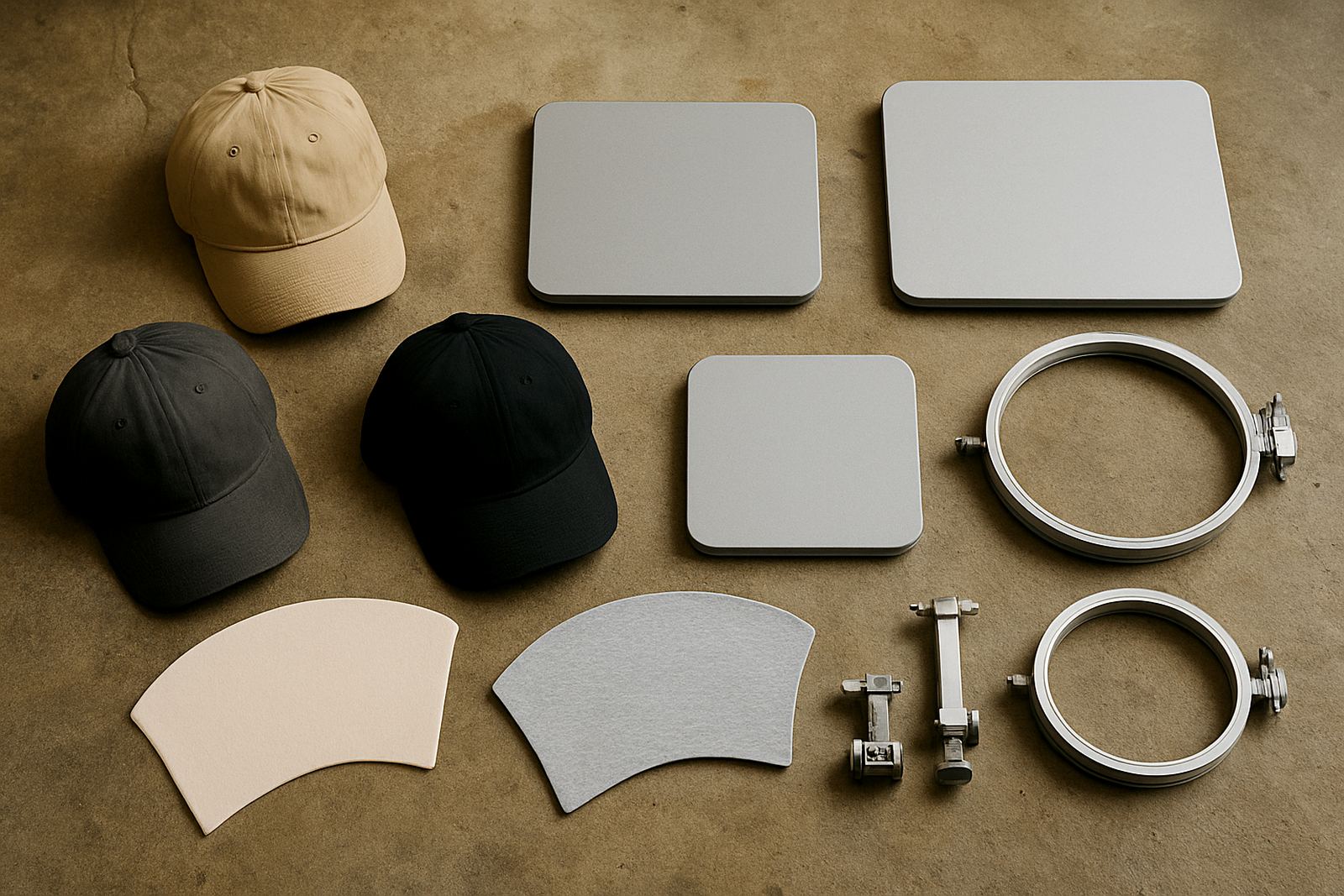
Most cap and panel work starts with a shaped support surface, a matching hoop or clamp system, and a pretreatment workflow suited to the fabric type. Some shops also add a compact press area for preheating and finishing, plus a clean storage spot for small parts so nothing gets bent or mixed up during a rush. If the shop does mixed production, keep the cap and panel setup separate from standard garment platens so operators do not waste time changing and rechecking settings.
On the consumables side, pretreat liquid, lint rollers, heat-resistant tape and cleaning cloths are usually part of the daily kit. A small test board or sample section is useful too, because shaped items often need a different spray amount or drying time than flat garments. That small step saves a lot of rework, especially with light colours where overspray can leave a mark.
- Shaped platen or panel support for curved front sections
- Cap hoop or tension frame for firm positioning
- Pretreat kit matched to the fabric weight and colour
- Heat press for preheating and curing support
- Alignment marks or jig points for repeat placement
For smaller studios in Midrand or the East Rand, a basic setup can start around R4,500 to R9,000 depending on the number of support pieces and pretreat items needed. A more complete production setup with multiple sizes and workshop aids can run from about R12,000 to R28,000.
Layout planning for repeatable results
Good planning starts with the job mix. If most of your orders are promotional caps, place the cap support near the printer and keep the finishing area close by. If you also handle panels for jackets, gym wear or workwear, plan a small route from pretreat to dry to print so the fabric does not pick up dust or moisture. In humid areas like Durban, this matters even more because damp fabric can change how the coating sits and how the print cures.
Shop layout should make it easy for one operator to load, check and print without walking across the room. Keep the tools that are used on every job within arm's reach, and keep the seasonal items together. A lot of shops reconfigure for December promotions or school events, then forget to reset the work area in January. That is where misalignment starts, along with lost time and a fair bit of frustration.
- Leave enough counter space for loading and inspection
- Keep pretreat and drying in the same workflow zone
- Mark platen positions clearly for each cap or panel size
- Store spares near the printer, not in another room
- Allow room for operator movement and heat-safe handling
For a growing shop, a sensible planning budget is often R7,500 to R15,000 for the first round of layout changes, excluding the printer itself. That usually covers support equipment, small fittings, and the kind of practical changes that make the line easier to run every day.
Common mistakes that waste time and stock
The most common mistake is using a support piece that is too flat or too broad for the shape being printed. The fabric lifts at the edge, the image stretches and the operator keeps adjusting by eye. Another problem is over-pretreating a small section, which can leave a shiny patch or bleed into the seams. On caps, people also forget that the crown shape changes depending on whether the item is structured or soft fronted, so the same setting will not suit every style.
Some shops rush the drying stage and move straight into print while the surface is still damp. That leads to fuzzy edges and poor wash performance, which is exactly what you do not want on repeat orders for schools, events or retail labels. Also watch for hoop tension that is too loose. If the panel slips even slightly during loading, your alignment is off before the first pass starts.
DTG work on shaped items rewards patience and a fixed routine. A short setup checklist helps more than guesswork, and once the operator gets used to the process the results become far more consistent. It's worth slowing down at the start rather than throwing away stock later.
Budget ranges for South African print shops
Budget depends on how often you print shaped items and how many sizes you need to cover. A small shop doing occasional cap or panel work can usually start with one or two support pieces, a basic pretreat kit and a simple alignment routine. That keeps the entry cost manageable while still improving the finish. If the work is frequent, it pays to add spare parts and a second support size so there is no delay when orders pile up.
Typical spending bands for this use case are often:
- Entry setup for light use: R4,500 to R9,000
- Working setup for regular jobs: R9,500 to R18,000
- Broader workshop setup with spares and training: R18,000 to R28,000
For shops in Sandton, Crown Mines or Centurion, the extra cost is usually justified by lower spoilage and faster turnarounds. If you are handling municipal or corporate orders with strict deadlines, one failed print can cost more than the right support kit ever will. Planning for the right budget upfront also helps when you are scaling production and need to keep the team moving without bottlenecks.
Support for workshops, training and rollout
DTGrip supports print shops that need help with installation, workflow review, sample testing and training for operators. If your team is setting up a new section for caps and panels, a practical walkthrough can save time on day one. The focus is usually on fitting the right support, checking print position, setting up pretreat steps and making sure the line works under real production conditions, not just on a test table.
We also assist with seasonal reconfiguration, production scaling and remote troubleshooting for shops in Johannesburg, Pretoria East, Randburg, Midrand, East Rand and Durban. For some clients, that means tightening up one process. For others, it means turning a side service into a proper income stream. Either way, the aim is a cleaner workflow, fewer misprints and a setup that your staff can repeat without confusion.
If you need shaped support for caps and panels, the enquiry form on our contact page is the simplest way to start. Send through the job type, fabric mix and order size, and the right setup can be matched to your shop's daily work.