
Why workwear tops need a different print setup
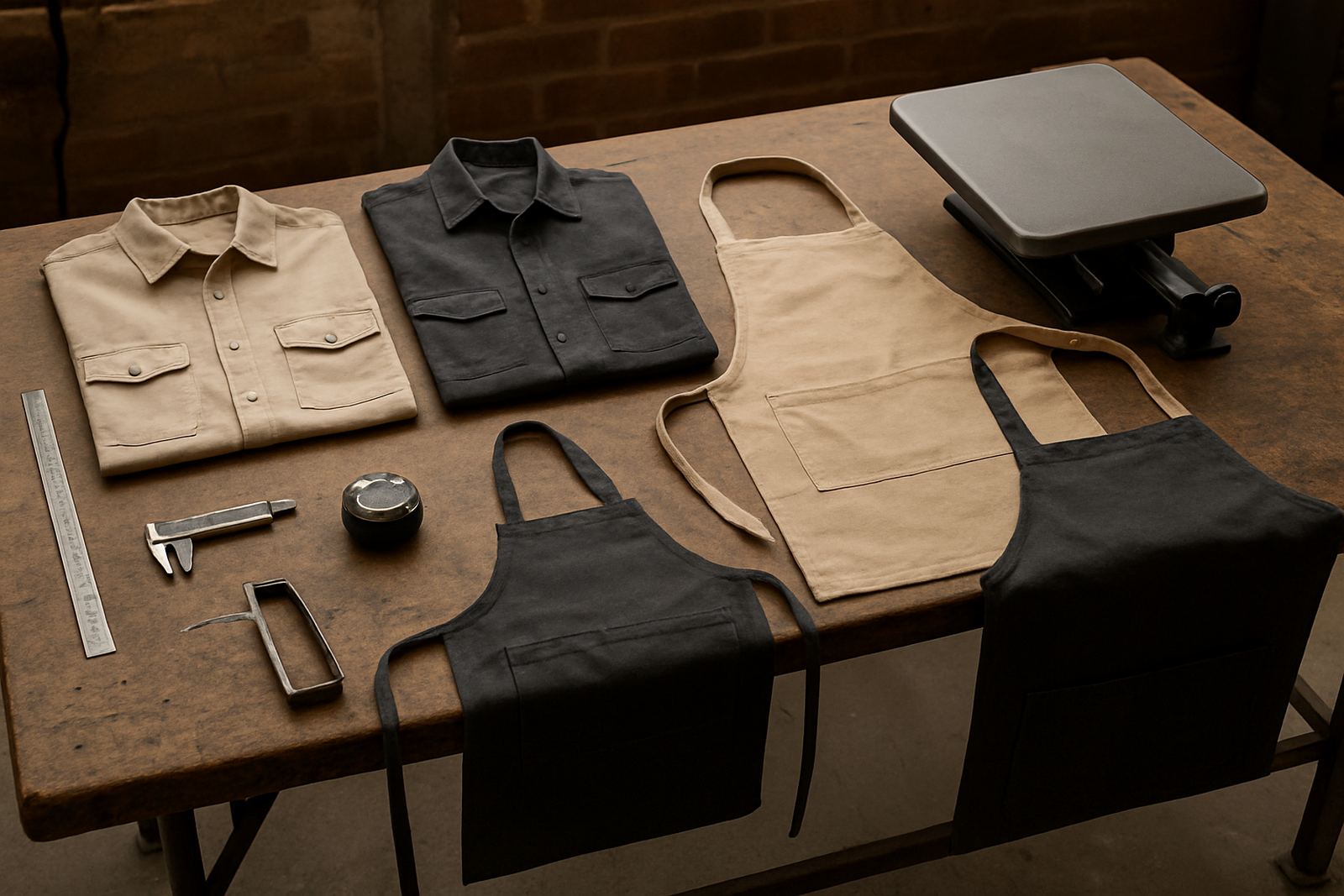
Workwear tops are not handled like standard T shirts. You are usually dealing with thicker cotton, polycotton blends, brushed fleece, hi-vis fabrics and garments with heavy side seams, chest pockets, zips, panels or rib trims. That changes how the garment sits on the platen and how the print area behaves when the press closes.
In Johannesburg, Pretoria East and the East Rand, many print shops take on corporate uniforms, security wear, construction tops and hospitality clothing that must hold up to hard use and repeated washing. If the garment is not loaded square, the print can sit too close to a seam or pull unevenly as the fabric stretches. That is where the right platen size and setup save time.
For workwear production, the goal is consistency. A good setup reduces misprints, protects the garment and keeps the operator moving. It also helps when you are running mixed sizes in one batch, because small changes in shape can affect alignment more than people expect.
Typical equipment set for heavier garments
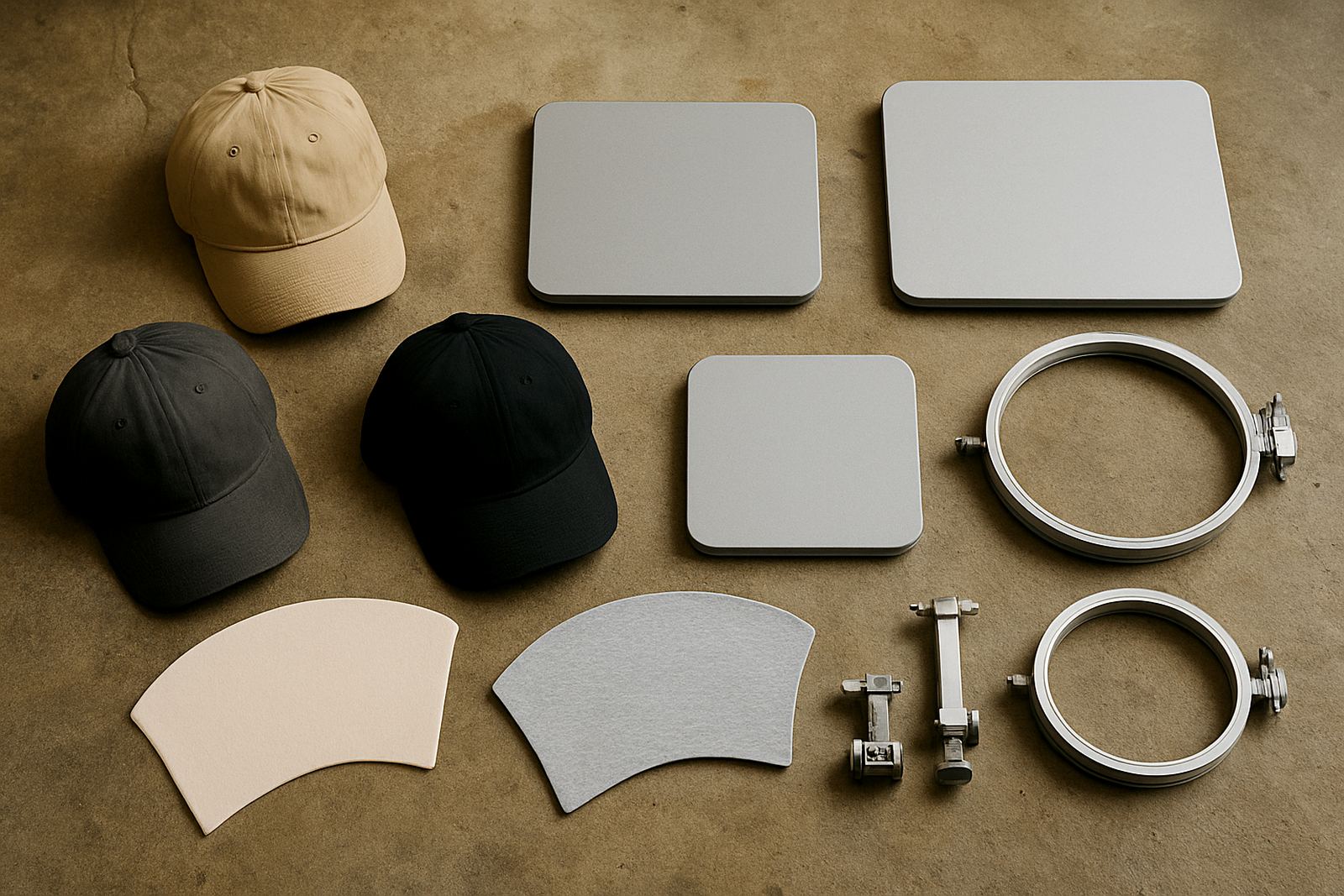
Most workwear shops need a practical mix of platens, hoops and pretreat tools rather than one all-purpose solution. The right combination depends on whether you print on polo tops, rugby shirts, hoodies, chef jackets or fleece-lined garments. For heavier tops, a firmer platen gives better support and helps keep seams out of the print zone.
Common setups include standard adult platens, youth sizes, sleeve platens for branding down the arm and narrower platens for smaller front prints. For some items, hooping support is useful when the garment needs to sit flat before the print stage. Pretreat kits matter when the fabric has higher fibre content or needs more even ink adhesion after wash testing.
- Adult and large-size platens for chest, back and full-front prints
- Narrow platens for logos, left-chest marks and sleeve branding
- Hoops for keeping stretch garments and soft tops stable
- Pretreat application tools for cotton-rich and blended fabrics
- Cleaning and alignment tools for daily workshop use
For shops in Randburg, Midrand and Centurion, where production can be split between sampling and volume work, a flexible set-up is often better than buying oversized equipment that does not match the actual garment range.
Planning the layout around seam placement and garment flow
Workwear tops take more planning at the station level. You want the operator to load the garment quickly, check the seams and reach the press without twisting the shirt. If the work table is too low or the platen area is cramped, the garment tends to shift and the print sits off centre. That becomes expensive when you are handling branded uniforms for a full team.
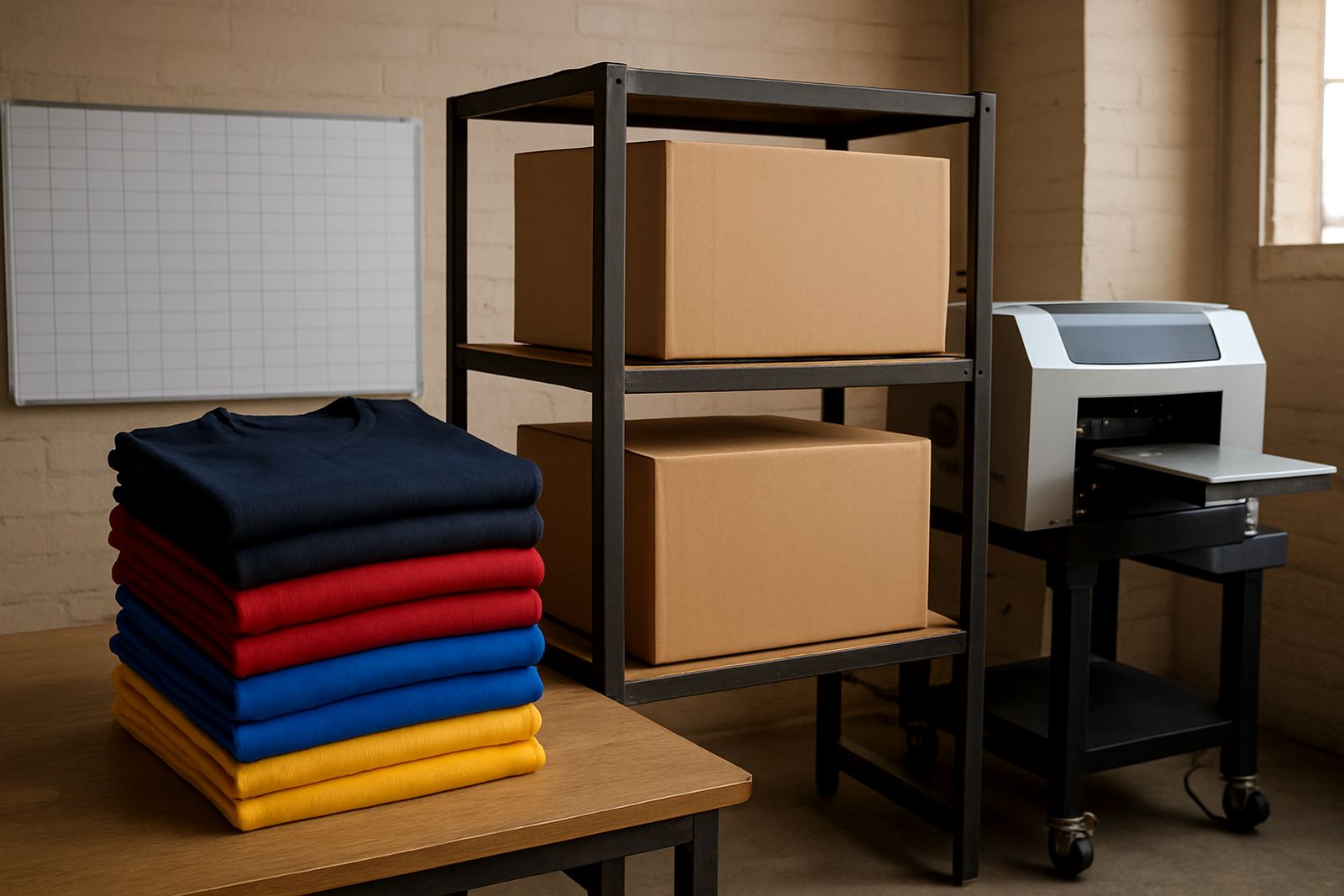
A practical layout usually starts with a clear loading point, then a staging area for sorted sizes and a dry, clean space for pretreat or finishing. In coastal areas such as Durban, humidity can affect pretreat drying times, so airflow matters. In load-shedding periods, many shops also need a plan for keeping workflow moving when part of the line is down. That can mean a manual backup process or a smaller batch system that reduces wasted garments.
- Keep size sorting close to the press to reduce handling time
- Mark left-chest and back-print positions on the station
- Leave enough space for bulkier garments and layered trims
- Separate pretreat, pressing and curing areas where possible
Small layout changes often improve output more than buying another machine, especially when the shop is handling mixed garment types in one day.
Common mistakes with workwear printing
The most common problem is assuming a workwear top behaves like a light cotton tee. It does not. Thick seams can create pressure points, zips can block even contact and pockets can throw off the print position if they are not accounted for. Another issue is using too much pretreat or applying it unevenly, which leaves patchy print results and longer drying times.
We also see shops trying to use a platen that is too small for the garment size, or too large for a smaller front print. That makes the fabric float and creates misalignment. On fleece and heavier blends, the print area can show a collar shift or side pull if the garment is not squared before pressing. It is a small detail, but it saves a lot of rework.
Another mistake is skipping sample testing on new fabric types. A corporate order for security tops, for example, may look like a standard run but the dye, weave and finish can vary between batches. Testing one or two samples first is usually cheaper than replacing a full order.
Budget ranges for a workwear tops setup
For a small shop in Crown Mines or Sandton starting with workwear branding, a basic support setup can begin around R4 500 to R12 000, depending on the platen sizes and the number of accessories needed. This usually covers a practical entry-level set for standard tops, plus some alignment and handling tools.
A more capable setup for mixed garment sizes, sleeve branding and pretreat support often sits between R12 000 and R35 000. Shops that do repeat corporate work, school uniforms or contract runs may need additional platens, hoops and workflow aids to keep production moving without bottlenecks. If you are scaling output in Pretoria East, Centurion or the East Rand, it is often better to buy in stages and match the kit to the garments you actually print most often.
For a full workstation review, installation help and operator training, the budget can go higher depending on the number of stations and the amount of on-site support required. The point is not to overspend upfront, but to choose equipment that suits the garment mix, the daily volume and the way your team works.
How DTGrip supports print shops nationwide
DTGrip is based in Crown Mines, Johannesburg and supports print shops across South Africa with next-day courier delivery to many areas, including Sandton, Randburg, Midrand, Pretoria East, Centurion, the East Rand and Durban. That makes it easier to get the right platen or pretreat item in place without waiting through a long production break.
Support goes beyond supplying equipment. The team can assist with platen installation, hoop setup, print alignment help, workflow review, sample testing, seasonal reconfiguration and remote troubleshooting. For shops that are taking on more uniforms or moving into thicker garments, onsite support visits and production scaling advice can help the team avoid wasted stock and slow turnaround.
The DTGrip team includes Thabo Mokoena, Ayesha Naidoo, Sipho Dlamini, Lerato Molefe, Johan Smit and Zanele Khumalo. If your print room is struggling with heavy seams, awkward collar shapes or slow loading, the enquiry form is the place to start.
When to ask for training or a workflow review
If your operators are still adjusting by eye, or if each batch needs a different setup, it is time for a workflow review. Workwear tops need repeatable steps because the garment shape can change from one style to the next. Training helps the team understand which platen to use, how to position seams and when a sample should be tested before the full run starts.
Training is also useful when a shop is adding new staff, opening a second station or taking on work from clients who expect the same result on every order. For many shops, one good session saves more than it costs because it reduces rejects, improves finish quality and keeps the production floor calmer during busy weeks. A small typo in a garment size label or a rushed loading step can throw a whole batch off.
When the workwear range starts growing, the best time to ask for help is before the backlog builds. That keeps the workflow practical, accurate and easier to repeat every day.