Why Ladies Fits Need A Different Setup
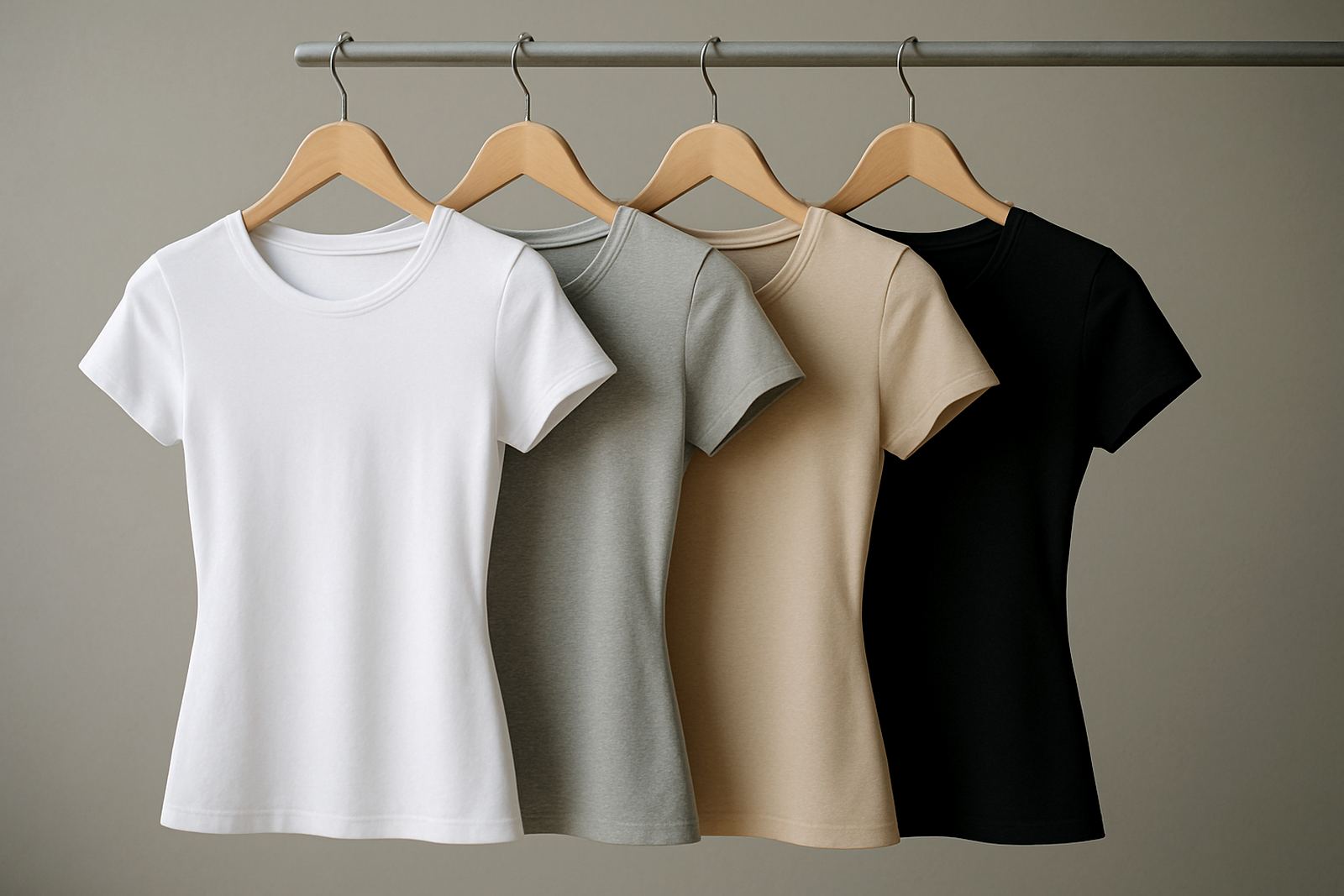
Ladies fits are not just a smaller version of a standard T shirt. The waist shape, narrower shoulders and shorter body length can change where the print sits once the garment is loaded, stretched and cured. On fitted cotton and cotton blend tops, a design that looks centred on the platen can move a few millimetres after the fabric relaxes, and that is enough to throw off the look on a front logo or chest print.
For print shops in Crown Mines, Sandton and Randburg, the biggest issue is repeatability. If you are doing schoolwear, fashion runs, boutique orders or promotional ladies tees, you need a setup that keeps the neck point, side seams and hem line in the same place every time. That is where the right platen size and a proper loading routine matter more than many shops first expect.
DTGrip works with shops that want less guesswork on fitted garments, especially where the final presentation has to look neat from a customer’s eye level. A good setup also helps when staff rotate across shifts and the job still has to come out the same, even if the operator is not the person who did the first sample.
Typical Equipment Set For Fitted Garments
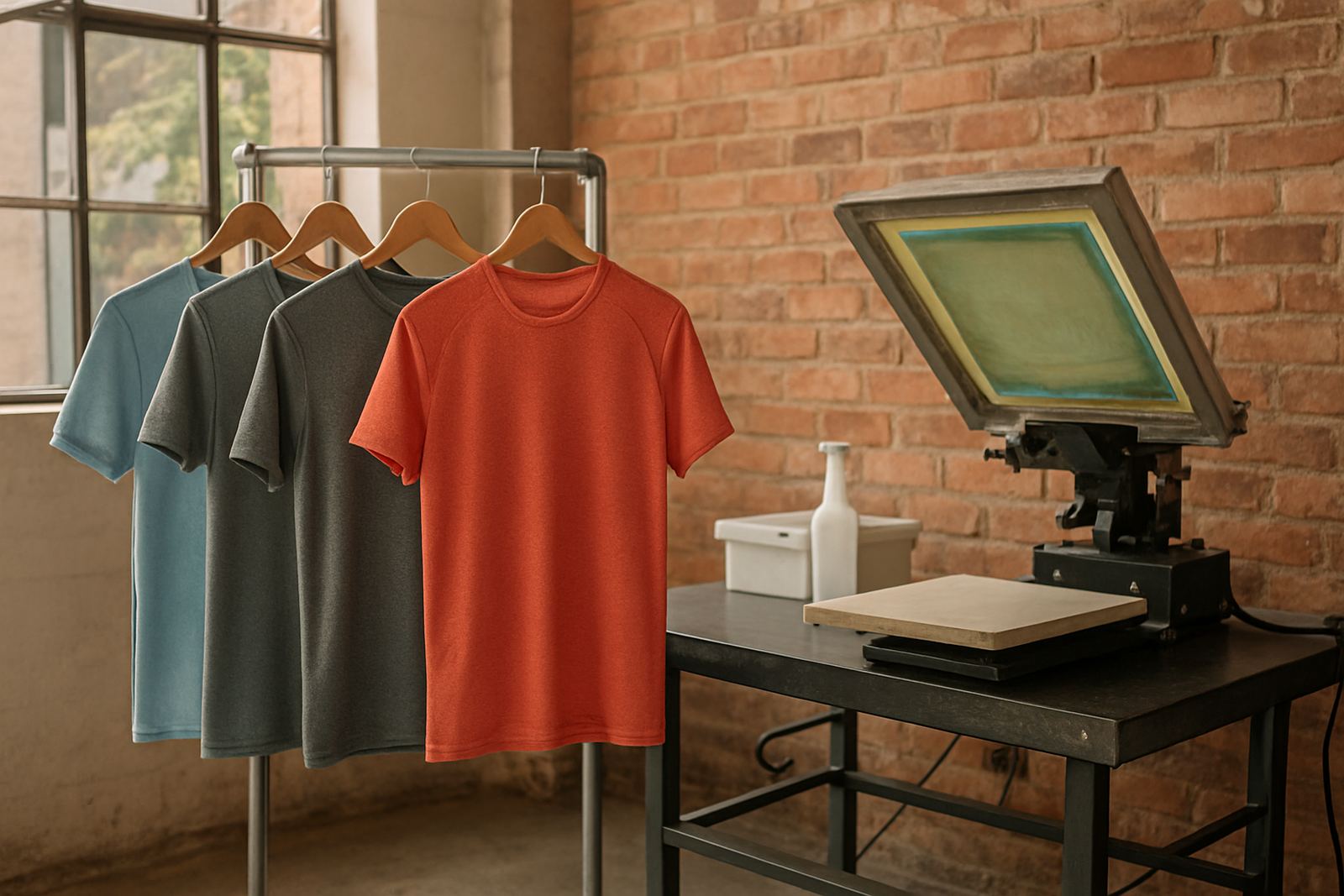
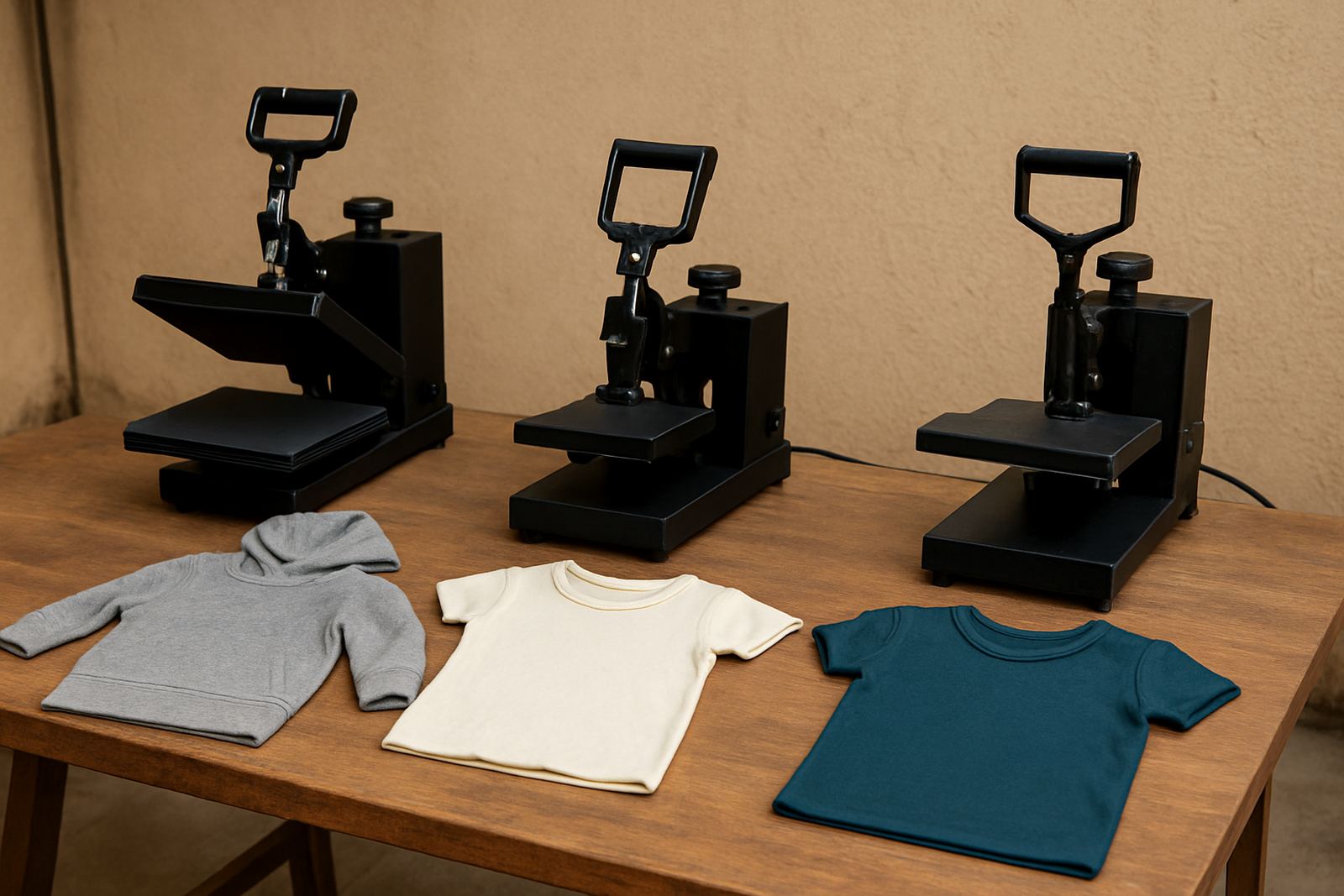
For ladies fits, most shops use a narrower platen set with a stable loading surface and a hoop or support that keeps the garment flat without over stretching it. The exact choice depends on the print size, the fabric and whether the job is a single logo, a full front graphic or a left chest placement. Shops handling mixed orders in Midrand, Centurion and Pretoria East often keep more than one platen size on hand, because one size does not suit every cut.
- Narrow or mid-size platen for fitted tees and fashion tops
- Support hoop for keeping side seams and hem line steady
- Pretreatment kit matched to the fabric type and print area
- Flat loading station with clear centre marks
- Heat press or curing routine suited to the garment weight
If you print on light fabrics, textured knits or blends with stretch, the pretreat step needs extra care. Too much liquid can mark the fabric, and too little can leave the ink sit on top in an uneven way. A tidy set of tools helps, but the method matters just as much. We see this often with shops in Durban too, where humidity can change how fabric behaves during loading and drying, so the workflow has to be steady and practical.
Layout Planning For Centring And Drape
Good layout planning starts before the garment goes onto the platen. Decide where the neckline sits, where the natural side seam line falls and how much the fabric will pull when it is placed under pressure. On ladies fits, a print that is too low can look heavy, while one that is too high can crowd the chest area and look off balance.
Use a simple loading routine and keep it the same across staff members. Mark the centre point on the platen, set a visual guide for neckline alignment and train operators to check the shoulder fall before printing. If the garment has a curved side seam or a soft drape, test on one sample first and adjust the placement rather than forcing the design to the same mark on every item.
- Check garment width before loading, not after
- Allow for drape on softer fabrics and stretch blends
- Keep neckline and chest placement notes beside the station
- Re-test after any change in fabric supplier or cut
For shops doing short runs, sample testing saves money. A single test print can show whether the top needs a slightly lower platen position or a different pretreat spread. That is cheaper than reprinting ten pieces and finding the logo sits too high. It sounds basic, but many missed jobs start with a rushed first setup.
Common Mistakes That Affect Ladies Fits
The most common mistake is treating every fitted garment like a standard unisex shirt. That leads to centred artwork that looks visually off once the shape of the garment is seen on the body. Another issue is pulling the fabric too hard to make it fit the platen, which can distort the print area and leave the logo looking narrow when the garment is released.
Another problem is inconsistent pretreating. If the spray is too heavy in one pass and too light in the next, the print can cure unevenly and lose sharpness around fine text or detail. This becomes more obvious on dark ladies fits, where the contrast has to be clean and the print must sit well on the fabric. We also see shops skip alignment checks when they are busy, then blame the garment when the issue is really in the setup.
In coastal areas such as Durban, keeping pretreat kit sealed and stored correctly helps avoid moisture related issues. In Gauteng, load-shedding can interrupt prep, so it helps to have a clear restart routine for curing, drying and batch tracking. A stable workflow is worth more than rushing through a queue and having to rework items later.
Budget Ranges For A Ladies Fits Setup
Budget depends on how many print stations you run and whether you need only the platen and hooping accessories, or a full workflow review with operator training. For a small shop doing ladies fits as part of a wider garment mix, a basic setup can start around R3 500 to R8 500. That covers practical entry level tools for placement and pretreat control.
For a more organised production line with multiple platen sizes, setup support and sample testing, expect roughly R9 000 to R22 000 depending on the job mix. Shops scaling production for fashion labels, promos or retail fulfilment may budget higher when they want seasonal reconfiguration, onsite support visit work and staff training included. That is often the better route if you are serving several client types from one floor.
- Basic platen and accessory setup: R3 500 to R8 500
- Multi-size workflow package: R9 000 to R22 000
- Full support with planning and training: quoted to scope
Because every shop handles different garment sizes and volumes, it is better to quote against your actual production needs than to guess. A small operation in East Rand may need a very different plan from a busy walk-in shop in Centurion or a contract printer handling reorders every week.
How DTGrip Supports Print Shops Nationwide
DTGrip is based in Crown Mines, Johannesburg and supports print shops across South Africa with next-day courier to many areas, including Sandton, Randburg, Midrand, Pretoria East, Centurion, East Rand and Durban. The team helps with platen installation, hoop setup, print alignment help, workflow review and remote troubleshooting when a shop wants a faster answer without waiting for a full site visit.
The practical side matters. Thabo Mokoena leads the business, with Ayesha Naidoo on operations, Sipho Dlamini on technical support, Lerato Molefe handling sales, Johan Smit in the workshop and Zanele Khumalo coordinating training. That mix means a shop can ask about fit, setup and production flow in one place instead of trying to solve each part separately.
If your ladies fit jobs are coming out uneven, or you are planning a new shop layout, use the enquiry form on our contact page and tell us what garments you print, what platen size you use and where the placement is drifting. We can help you choose the right approach for fitted cuts, whether you are printing five sample pieces or a weekly production run.