
Why Humidity Changes Pretreat Results
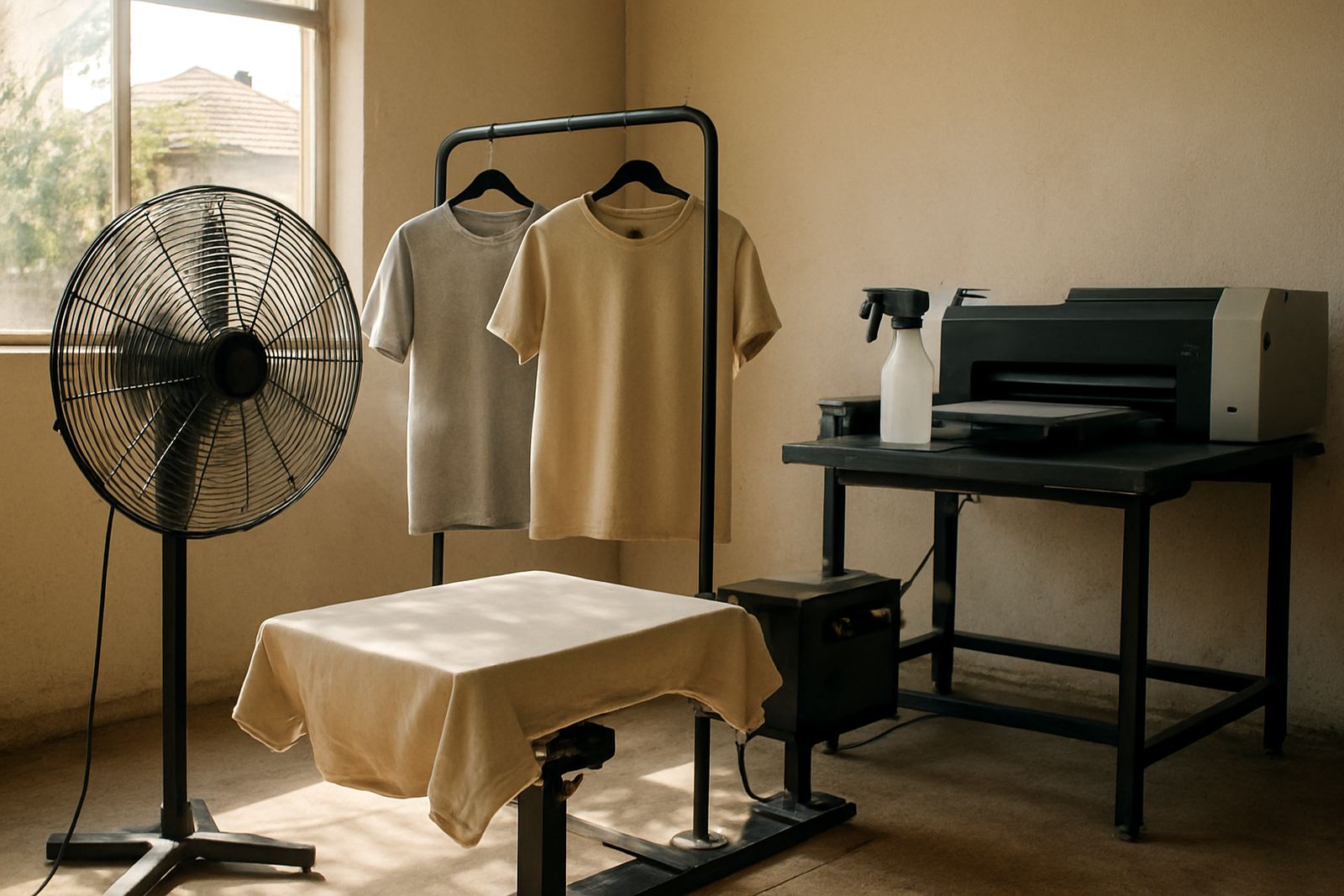
When the air is heavy with moisture, pretreatment does not dry as quickly and fabric can hold more dampness after washing or handling. That can lead to a fuzzy print edge, patchy white ink, or a finish that looks slightly dull instead of crisp. In places like Johannesburg after summer rain, and especially in coastal areas such as Durban, you need to treat drying time as part of the workflow, not an afterthought.
Humidity also affects how cotton, cotton blends and darker garments sit on the platen. If the shirt is even slightly damp, the fibres can move under heat and pressure, and you may see a shadow, uneven sheen, or poor ink laydown. A quick check before every run saves time later because reprints cost more than careful setup.
- Look for slow-drying garments after wash or steam exposure.
- Check whether your pretreatment spray beads or spreads too much.
- Watch for cockling, edge lift, or moisture trapped at seams.
- Keep one sample shirt aside for test pressing before production starts.
Set Up Your Pretreat Area For Warm Weather
Your pretreat station should be as controlled as possible. In summer, a busy room with open roller doors, extractor fan flow and wet garments coming in and out will raise moisture fast. If you are working from Crown Mines, Sandton or Midrand, the goal is to keep the room consistent through the full shift, not only at the start of the day.
Store pretreat kits in a cool, dry place and keep containers closed between use. If your workshop is near the coast or in a very humid area, avoid leaving bottles open while you prep shirts. Small changes in application can show up on the print, so measure carefully and keep your method repeatable. A towel on the bench is not enough if the room is already damp.
- Keep pretreat containers sealed until needed.
- Do not spray in front of open doors on windy afternoons.
- Pre-fold garments so they are ready for the press.
- Use a dry, clean surface for loading and off-loading shirts.
Adjust Pretreatment Application And Heat Press Time
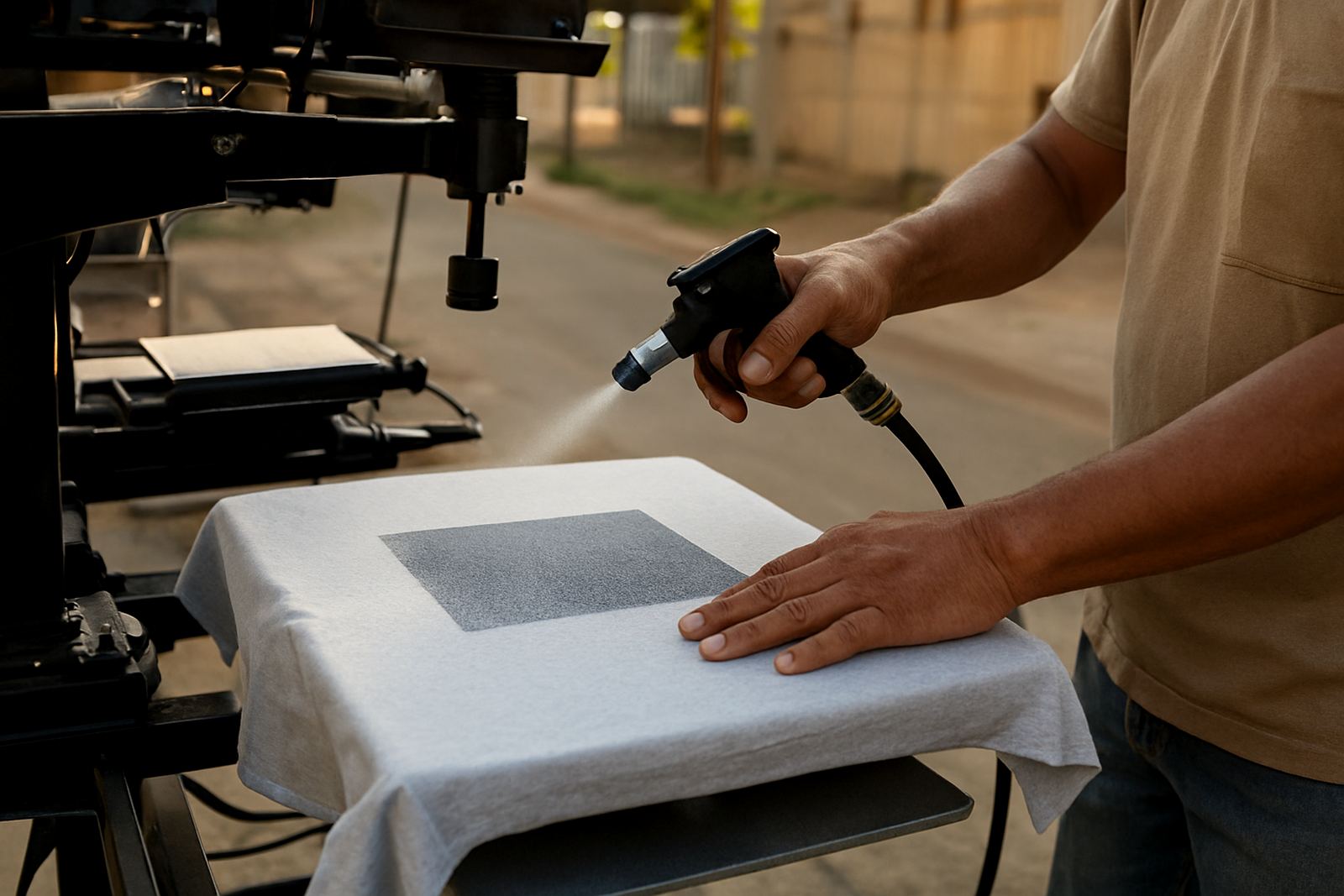
In humid conditions, you may need to reduce overspray and allow more time for the garment to settle before pressing. Too much pretreat can sit on the surface and create a hard hand feel, while too little can leave white ink looking thin. The right balance depends on fabric weight, colour and weave, so keep notes for each garment type.
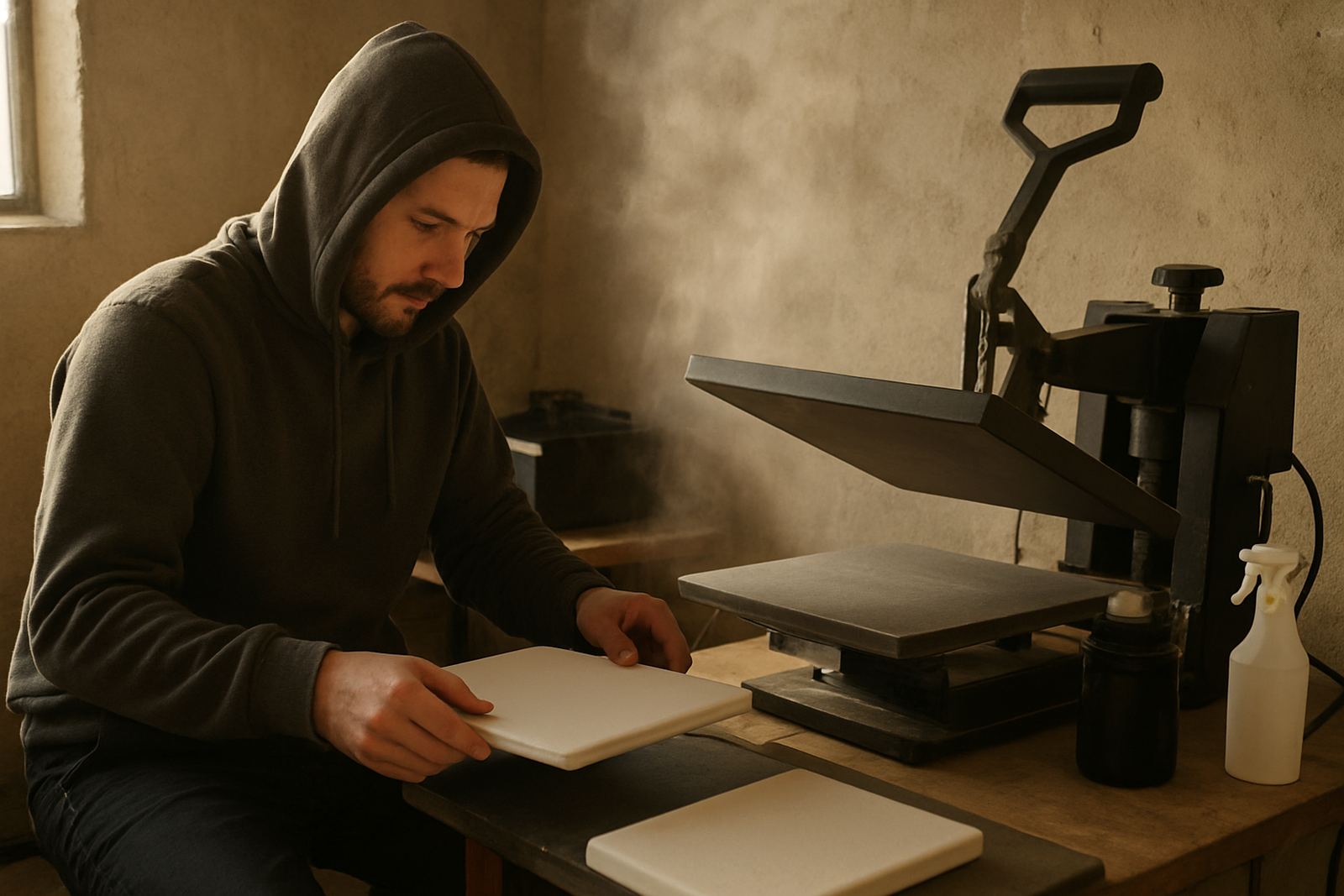
Heat pressing should be consistent. If the shirt still feels cool or slightly damp after pressing, extend the dry cycle rather than increasing pressure too much. Excess pressure can flatten the weave and make the print area look shiny. For summer runs, use a test garment first, then compare the result under proper light before you commit to the batch. It sounds simple but it saves a lot of waste.
- Use the same spray distance every time.
- Let heavier garments dry longer before pressing.
- Check the print area for shine after the first press.
- Re-test when switching from cotton to blends or darker fabric.
Use The Right Platen And Garment Handling
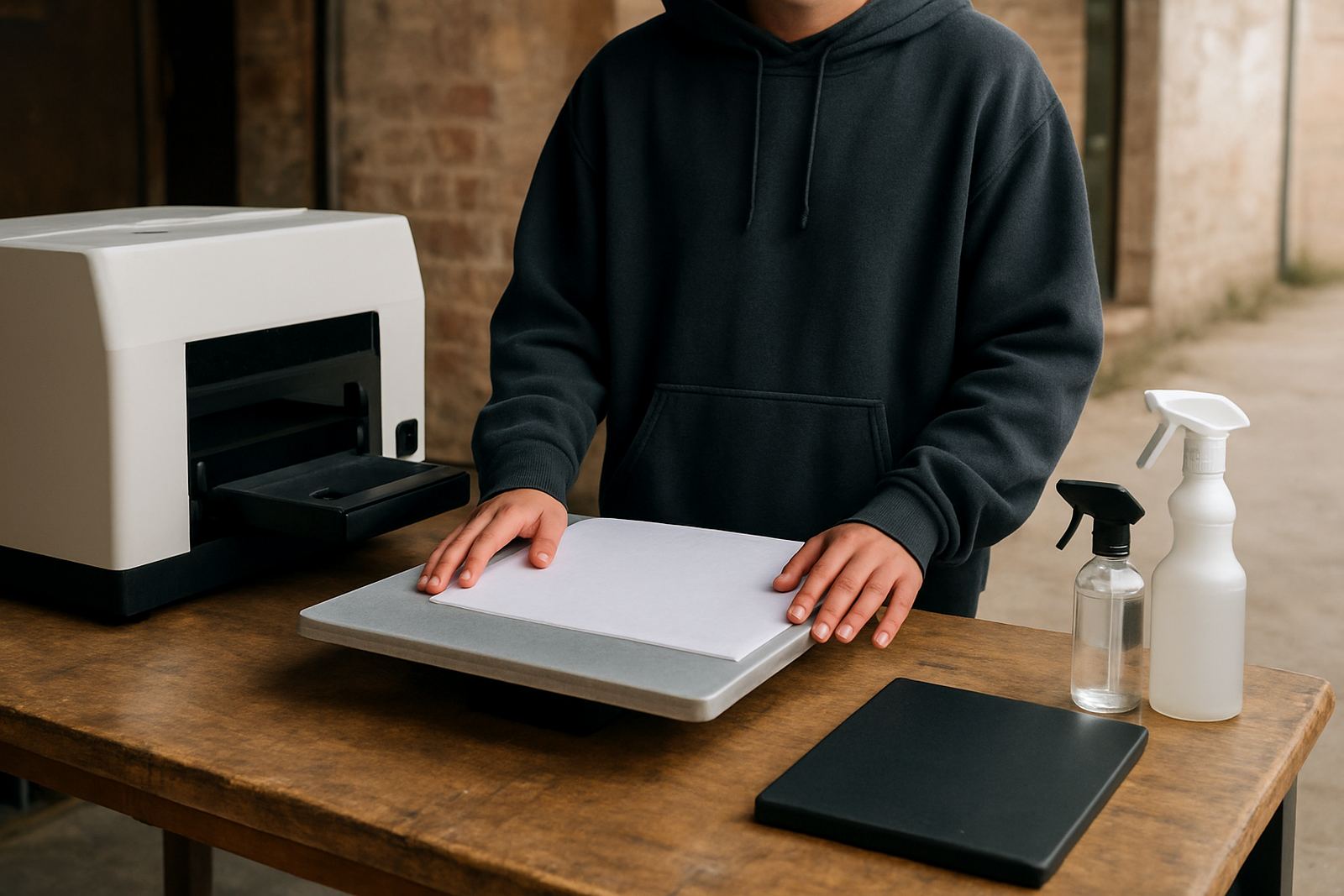
Correct platen size and stable garment loading matter even more in humid weather. If the garment shifts, the damp fabric can stretch unevenly and the print will sit off-centre. DTG shops in Pretoria East, Randburg and the East Rand often deal with mixed orders, so a proper platen setup helps keep production moving without constant re-aligning.
Make sure the shirt sits flat and the print area is supported all the way through. If you are printing smaller runs with different sizes, keep each platen clearly marked so the operator is not guessing in the middle of a rush. A clean platen surface also matters because lint mixed with moisture can affect adhesion and create tiny marks in the pretreat layer.
- Match the platen size to the garment size where possible.
- Remove lint before loading the shirt.
- Check that collars and seams are not lifting the print area.
- Keep a spare platen ready for size changes during busy periods.
Spot Common Summer Print Problems Before They Spread
Summer faults usually show up in small ways before they become a full production issue. You may see uneven white underbase, a slightly cloudy look, or prints that dry slower than normal. If the same issue appears across several shirts, the problem is often in pretreat timing, room moisture or loading method rather than the artwork file.
Use a simple check after every first sample: look at edge sharpness, colour density and feel. If the garment looks fine but the hand feel is too heavy, the pretreat amount is probably too high. If the print looks faded or speckled, you may need more drying time or a better press cycle. Keep records by fabric type so you are not starting from scratch every week.
- Cloudy finish: usually too much moisture left in the shirt.
- Faded whites: often linked to uneven pretreat coverage.
- Shiny box around print: pressure or heat may be too high.
- Rough hand feel: check application rate and drying time.
A Simple Summer Checklist For Your Next Run
Before you start a production batch, go through one quick checklist and keep it near the press. This helps staff stay consistent during hot afternoons, power interruptions or rushed courier deadlines. In Johannesburg, where load-shedding and heat can hit on the same day, a checked workflow protects your output and reduces rework.
Use the checklist below as a pre-shift routine, then adjust it for the fabric and order size. If you are scaling up or opening a second print station, standardising this list makes training easier for new operators and helps the team keep quality steady.
- Garments inspected for dampness, lint and stains.
- Pretreat bottles sealed and measured for the job.
- Platen clean, aligned and set to the right size.
- Sample pressed and checked before full production.
- Dry time recorded for today’s room conditions.
- Finished prints cooled flat before packing.
When To Call For Help Or Re-Check Your Workflow
If you keep seeing the same faults, it is worth stepping back and reviewing the full workflow. Humidity can expose small setup issues that were hidden in cooler months, especially when you switch garment types or start handling larger orders. A workflow review, onsite support visit or remote troubleshooting session can help you reset the process without losing a whole day to trial and error.
DTGrip supports print shops across Crown Mines, Sandton, Randburg, Midrand, Pretoria East, Centurion, the East Rand and Durban, with next-day courier to print shops nationwide. If you need help with pretreat workflow, sample testing, production scaling or seasonal reconfiguration, use the enquiry form on our contact page and we will take it from there.