Start With the Bag Construction Before You Open the Bottle
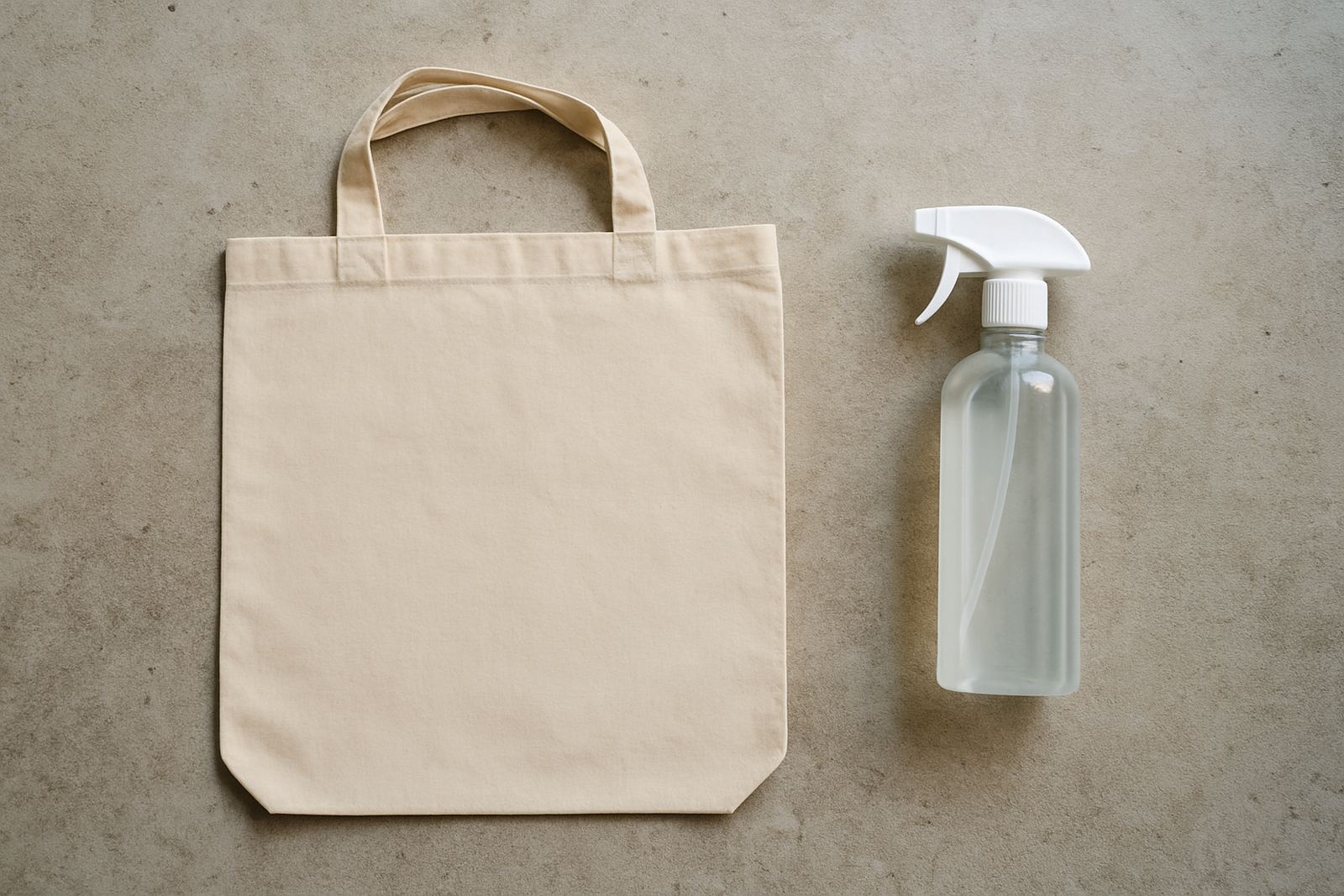
Not every tote bag behaves the same under a platen. A plain cotton bag with flat side seams is usually straightforward, while thicker promotional bags, gusseted shoppers and uncoated canvas pieces need a bit more attention before you start. Check the fabric feel, seam bulk and handle attachment points first, because those areas often push the bag unevenly against the platen.
For most shops in Johannesburg, Pretoria and the East Rand, the issue is not the print itself but how the bag sits while the pretreat is applied. If the handles are bulky or the seams are stitched close to the print zone, you need to support the bag so the spray lands only where it should. A clean prep stage saves time later, especially when orders are due before courier cut-off.
- Check fibre content and thickness before pretreating.
- Remove lint and loose threads from the print area.
- Confirm that seams and handle tape will not lift the bag off the platen.
- Use a test bag when you change supplier or fabric weight.
Position the Tote So Seams Do Not Fight the Print Area
The goal is to keep the print face flat while letting the seams and handles sit out of the way. For flat bags, place the bag so the image area is centred on the platen and the handles hang clear. If the handles are long, fold them back neatly and secure them outside the spray zone. On thicker bags, a little extra support under the seam line can stop the fabric from bowing after pretreating.
It helps to think of the bag like a small garment panel rather than a loose accessory. If one side is pulled tighter than the other, the pretreat will pool unevenly and the print may cure with a patchy finish. Take the time to smooth the front panel by hand before spraying, and make sure the bag is square to the platen edges.
- Keep the print panel flat and tension-free.
- Fold handles away from the sprayed area.
- Avoid spraying over thick seam ridges where possible.
- Recheck alignment after moving the bag onto the platen.
Apply Pretreat in a Controlled Pattern, Not a Heavy Flood
Tote bags usually need a lighter, more controlled pretreat than heavier sweatshirts or fleece items. A heavy application can travel into the seams and leave a stain line or a hard patch after curing. Use even passes and keep the spray distance consistent so the coating stays on the print face instead of soaking into the stitching.
In humid conditions, especially along the coast or in storage rooms without strong airflow, the bag may hold moisture longer than expected. That can affect your drying time and how the ink sits once printed. If your shop sees a lot of winter humidity in Durban or damp mornings in Pretoria East, adjust your workflow so pretreat does not sit wet for too long before heat pressing.
- Use light, even spray passes across the print area.
- Keep the nozzle movement steady and overlap slightly.
- Avoid soaking the corners and stitched edges.
- Mark your standard quantity by bag size so operators stay consistent.
Dry and Press Without Flattening the Wrong Parts
After pretreating, dry the bag enough to remove surface moisture before printing. If the print face is still damp, the ink can bleed or cure with a rough feel. If the bag is overpressed, the seams can imprint into the print zone and the handles may leave pressure marks that are hard to recover from.
A short, controlled press works better than a long heavy press on most tote bags. Use a cover sheet when needed, but make sure it does not trap seam impressions or shift the bag out of position. For shops working through load-shedding schedules, keep your drying method simple and repeatable so operators do not rush the step when power returns and orders stack up.
- Dry until the surface feels ready but not overheated.
- Use moderate pressure and short dwell times.
- Check that the seam line has not printed through the face.
- Let the bag cool flat before loading it to print.
Common Tote Bag Problems and How to Catch Them Early
The most common tote bag faults show up before the print is even applied. You may see overspray at the side seams, darker patches near the handles or a soft, uneven coating that changes how the ink anchors. These issues are easier to fix in setup than after a full run of 50 or 100 bags has already gone through.
When a shop starts taking more promotional bag work, it is worth running sample tests with the exact bag type the client will use. That includes the same size, stitch style and fabric blend. A sample test can reveal if the bag needs a different platen size, a changed spray distance or a smaller print zone to keep the final result clean.
- Look for mist on the seam edge after spraying.
- Check whether handle tape is causing a ridge under the print area.
- Test one bag before a full production run.
- Keep notes on spray amount, dry time and press settings.
Build a Repeatable Workflow for Smaller Shops and Busy Print Rooms
A good tote bag workflow should be simple enough for any trained operator to follow, even on a busy day. Start with inspection, then positioning, spraying, drying and a final check before print. If your team works across different shifts or you handle mixed orders for fashion, schools and promotional events, written steps help keep the result steady.
For shops growing from side-line work into regular production, a quick workflow review can reveal where time is being lost. Sometimes the issue is not the equipment at all but the way bags are stacked, stored or moved between prep and print stations. A small change in layout can make daily output smoother without adding more labour.
- Store bags flat so they do not crease at the seams.
- Keep pretreated bags separate from untreated stock.
- Train operators to confirm alignment before every print.
- Review the process whenever you change bag supplier or print size.
When to Ask for Help on Tote Bag Setup
If your tote bags are giving you frequent misprints, uneven coverage or marks around the handles, it may be time to review the full setup. That includes platen fit, pretreat workflow, operator technique and drying method. A small adjustment can make a large difference, especially when you are printing under time pressure for retail launches, events or bulk school orders.
DTGrip supports print shops from Crown Mines and across Johannesburg, with next-day courier to many sites nationwide and support in areas like Sandton, Randburg, Midrand, Pretoria East, Centurion, the East Rand and Durban. Whether you need a sample test, onsite support visit, remote troubleshooting or production scaling advice, the aim is to keep your tote bag work consistent, tidy and ready for delivery.
- Book help if seam marks keep returning.
- Ask for a workflow review when your output volume increases.
- Use sample testing when the bag style changes.
- Get training in pretreat, alignment and seasonal reconfiguration.