
Why fitted shirts throw off your print position
A fitted shirt is cut to follow the body, so the front panel is rarely flat in the same way as a standard unisex tee. The side seams pull the fabric inward, the waist narrows, and the chest area can sit higher or lower depending on size. That means a design that looks centred on the platen can shift once the shirt is pulled into shape. For printers doing fashion ranges, gymwear or promotional runs, this is where small errors turn into repeat reprints.
The trouble is not only visual. When the shirt is stretched too much over the platen, the print can distort, especially on lighter cotton blends. If the garment is not seated evenly, the neckline may twist a few millimetres and the design ends up pointing slightly off centre. It sounds minor, but on a bulk order from Sandton to Crown Mines, those little misalignments stack up fast.
- Waist shaping reduces the flat print area.
- Side seams can pull the garment off centre.
- Stretching changes the look of the artwork after curing.
Platen size must match the garment cut
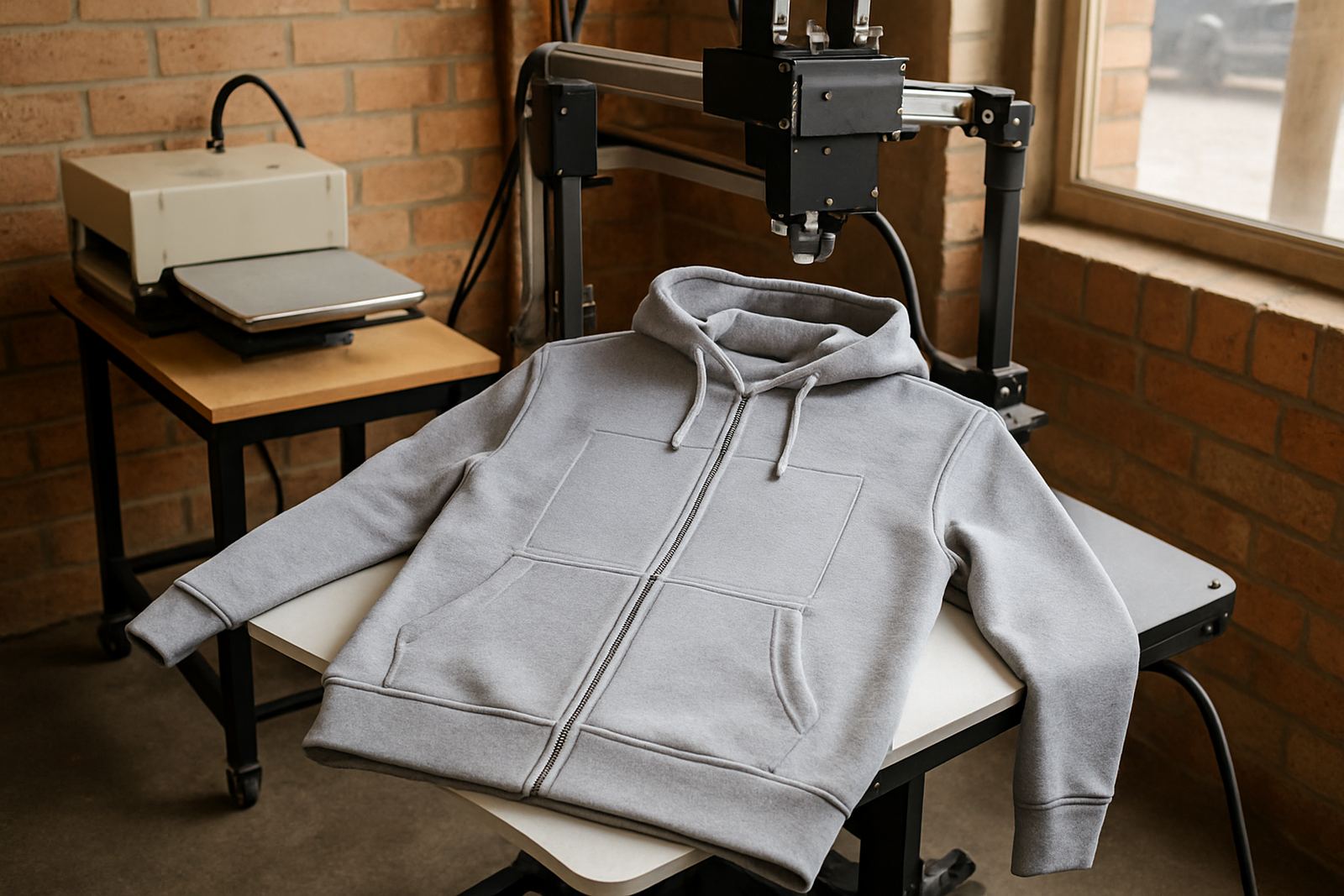
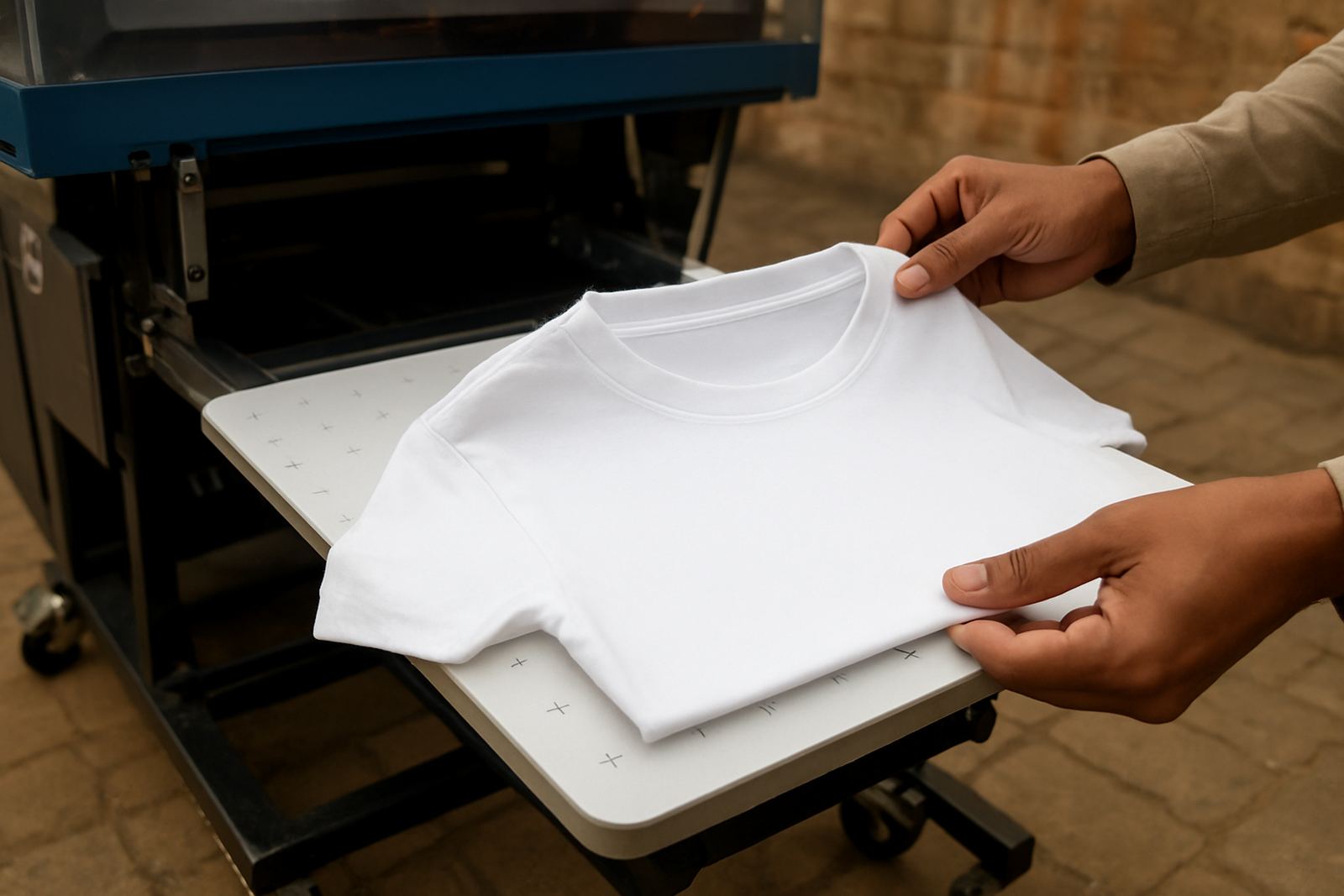
One platen does not suit every fitted shirt. A wide platen may be fine for a relaxed cut, but on a tapered ladies tee it can force the fabric to hang awkwardly at the sides. A narrower platen often gives better control because the shirt sits naturally without being over stretched. That helps with chest logos, left chest marks and front prints that need to sit cleanly above the bust line.
Shops working from Midrand to the East Rand often keep more than one platen size on hand for this reason. Smaller platens are useful for fitted garments, sleeve marks and youth sizes, while larger platens still have their place for boxier styles. The key is not to choose the biggest option, but the one that supports the garment shape with the least movement. In practice that means less fiddling at the press and better repeatability across a whole order.
- Use a narrower platen for tapered ladies fits.
- Keep a medium option for unisex garments and wider chests.
- Test the same artwork on two sizes before production starts.
How shaped seams affect placement and heat
Shaped seams are a bigger issue than many newer printers expect. A seam can create a ridge that lifts part of the shirt away from the platen, which affects pressure and sometimes the pretreat or print itself. On cotton garments this may show as a dull area near the seam, while on blends you can get slight bounce back after pressing. If the shirt is pulled too far, the seam line can also shift the print zone out by a few millimetres.
In Johannesburg winter, the dry air can make some fabrics sit differently from one day to the next, and in Durban the coastal humidity can change how the garment relaxes after loading. That is why a workshop in Crown Mines should not assume every batch behaves the same. Check seam placement, neck stretch and shoulder lay before each run. It takes an extra minute, but it saves a lot of scrap.
Simple setup habits that improve repeat jobs
Most fitted shirt problems come down to setup, not the artwork. If the shirt is loaded the same way every time, the print position becomes easier to trust. A clear loading routine also helps new operators keep production moving during peak periods, when you are handling school events, clubwear or company uniforms on tight deadlines.
Keep the workflow plain and repeatable:
- Mark a centre point on each platen so the shirt can be seated in the same place.
- Check shoulder alignment before closing the press.
- Use a ruler or simple guide for left chest and front centre positions.
- Test one garment from each size run before committing to full production.
These habits matter even more if your shop is running through load-shedding windows. When power cuts interrupt the day, operators return to work in a rush and small setup errors become more likely. A consistent loading routine helps the team pick up where they left off without guessing.
Pretreat and press pressure need adjustment for curved garments
Fitted shirts do not only need the right platen. Pretreat, pressure and press time should match the fabric and garment shape as well. If the shirt is too tight on the platen, pretreat can pool near the side seams or under the bust area, which leaves uneven coverage. Too much pressure can flatten seams and create marks that show after curing. Too little pressure and the surface may not receive an even print.
For shops in Pretoria East, Randburg and Centurion, a quick sample test is often the safest path before a large run. Use the exact garment type, not a similar one, and record the settings that work. If you find a shirt that needs a lighter load or a shorter press, keep that note near the station. Good records make seasonal reconfiguration easier when styles change from winter hoodies to summer fitted tees.
What local shops should check before a fitted shirt run
A fitted shirt job usually goes better when the shop checks the details before the first print. This is especially true for promotional orders where the same logo must sit in the same place across several sizes. In South Africa, with mixed fabric supply and different garment cuts coming through the same workshop, a little planning goes a long way.
- Confirm the garment cut and size range before quoting.
- Choose a platen that supports the shirt without stretching it.
- Test alignment on a sample before production starts.
- Review pretreat coverage and pressure on the exact fabric.
- Keep a simple reference sheet for repeat customer orders.
If your team is scaling up, remote troubleshooting and onsite support visits can help sort out loading habits, platen choices and operator training. The aim is to keep the process steady whether you are printing 20 fitted tees for a small brand in Randburg or a larger promotional order sent out nationwide.