Why zip fronts need a different approach
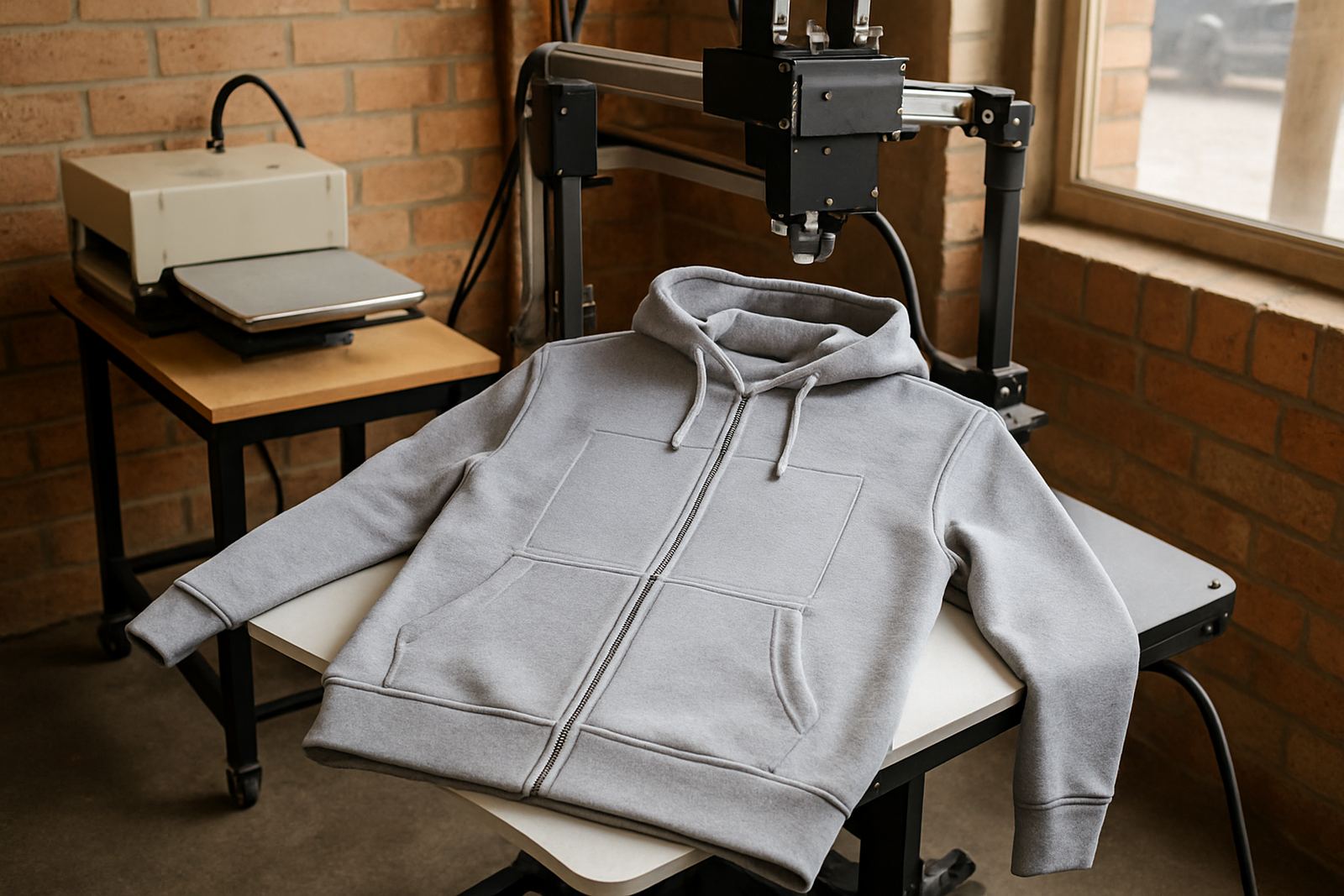
A zip hoodie is not just a shirt with a zip in the middle. The front panel shifts, the zip tape adds thickness, and pockets, seams and cords can interfere with print placement. If a shop treats it like a flat cotton tee, the result is often skewed artwork, uneven pressure or a print that sits too close to the closure.
That is why front-closure work needs a more considered setup. The garment must sit flat, the print area must be supported properly, and the operator needs a repeatable method for centring and tension. In busy shops around Johannesburg and Pretoria, that kind of repeatable setup matters because one bad run can slow the whole day.
Choose the right platen for the garment shape
The first decision is simple: select a platen that supports the print area without forcing the garment to stretch. A platen that is too large can push seams outward and create drag on the zip. A platen that is too small can leave the print area floating, which affects pressure and ink deposit.
For front zip garments, many shops use a narrower platen or a setup that lets the garment sit with the zip line split cleanly down the middle. This helps the print area stay square while keeping the hood and pockets out of the print zone. In some cases, a smaller platen also reduces the amount of prep needed before the garment goes under the printer.
- Match platen width to the available flat print zone, not the full garment width.
- Check that the garment hangs evenly on both sides of the zip.
- Keep pocket seams and ribbing outside the print path where possible.
- Test the same setup on medium and extra large sizes, since fit changes quite a bit.
Keep the zip and seams under control before printing
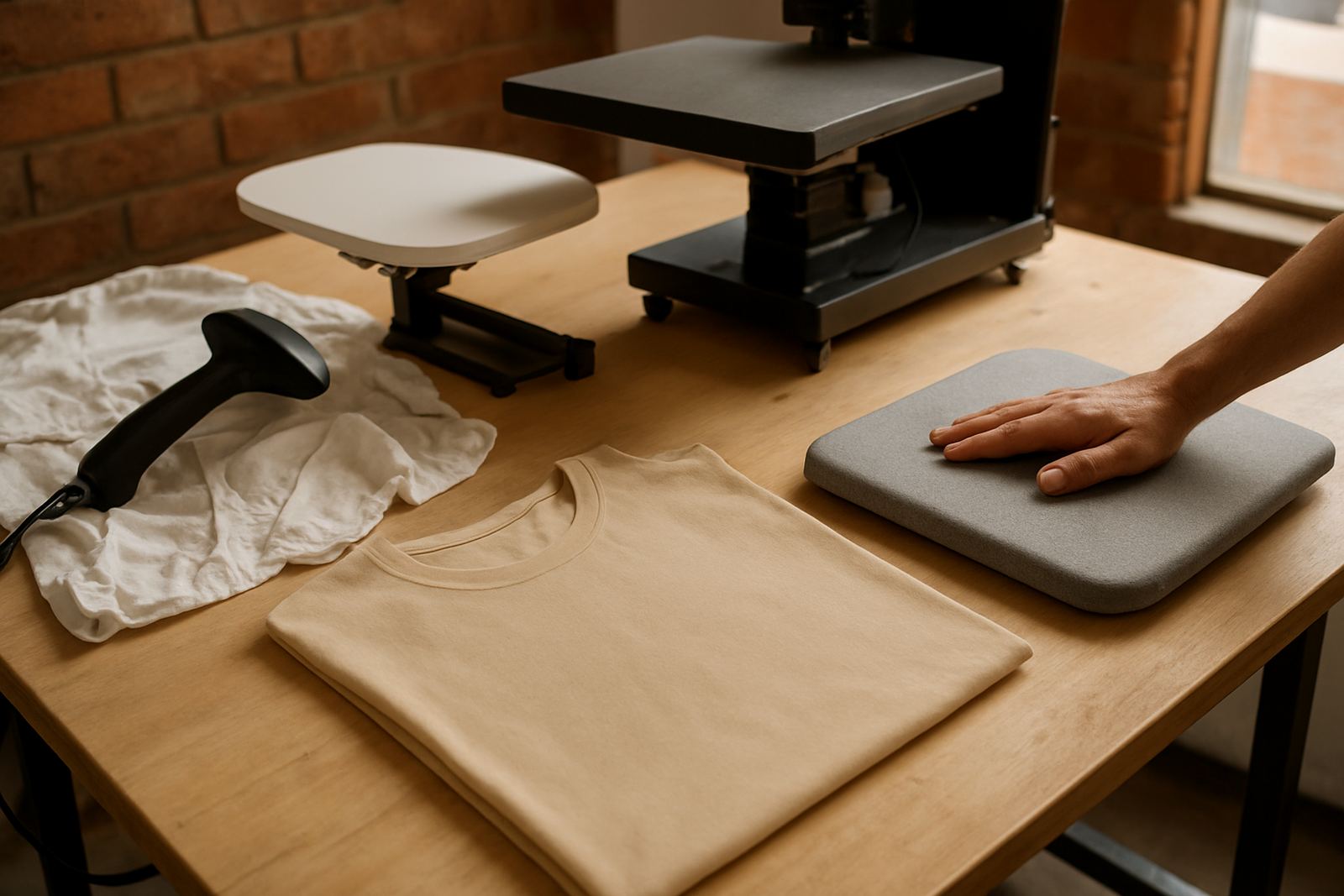
Before printing, the garment should be opened, smoothed and positioned so the zip does not pull the fabric off line. Some shops use a light pre-press to remove moisture and settle the front panel. That also helps on damp mornings in Durban or in Cape Town areas where coastal humidity can leave cotton holding more moisture than expected.
The main point is consistency. If the zip is twisted on one garment and straight on the next, your artwork position will move too. A good team member checks the collar, shoulders, zip alignment and pocket line before every run. It sounds simple but it saves a lot of reprints.
- Flatten the front panel without overstretching the knit.
- Close or partly close the zip only if the garment style allows it safely.
- Use a short pre-press to remove moisture and wrinkles.
- Check for cord ends or toggles that could sit inside the print area.
Pretreat properly for cleaner ink laydown
Front closures can create uneven pressure, so pretreatment matters even more than usual on dark garments. If the pretreat is too light, the ink can sink into the fabric and look patchy. If it is too heavy, you may get stiff handfeel, pooling or a visible spray edge near seams and zips.
A better approach is measured and repeatable application. Use the same spray pattern, the same dry time and the same heat process every time. On cotton-rich hoodies, this keeps white underbase coverage more even. On blends, it reduces the chance of haloing near the zip tape. Shops that handle schoolwear, promotional hoodies and staff apparel all benefit from a standard workflow rather than making up a new method for each job.
Plan artwork placement around the closure line
With zip fronts, the centre line is not always the best visual centre. If the print crosses the zip, the artwork can split awkwardly when the garment is worn. Many South African print shops get better results by shifting the design slightly higher or lower, depending on the garment style and the logo shape.
Simple artwork often works best. Wide designs that need perfect symmetry should be checked carefully against the actual garment size, not just the digital artwork. For a small local clothing label in Crown Mines, for example, a chest print on zip hoodies may look fine on medium sizes but sit too high on extra large pieces if the front panel measurement is ignored. A quick sample test avoids that kind of problem.
- Mark the true centre of the garment, not only the zip line.
- Adjust for size grading before the full run starts.
- Keep important detail away from seams, pockets and split areas.
- Use sample testing on one or two garments before production.
Build a faster workflow for mixed garment orders
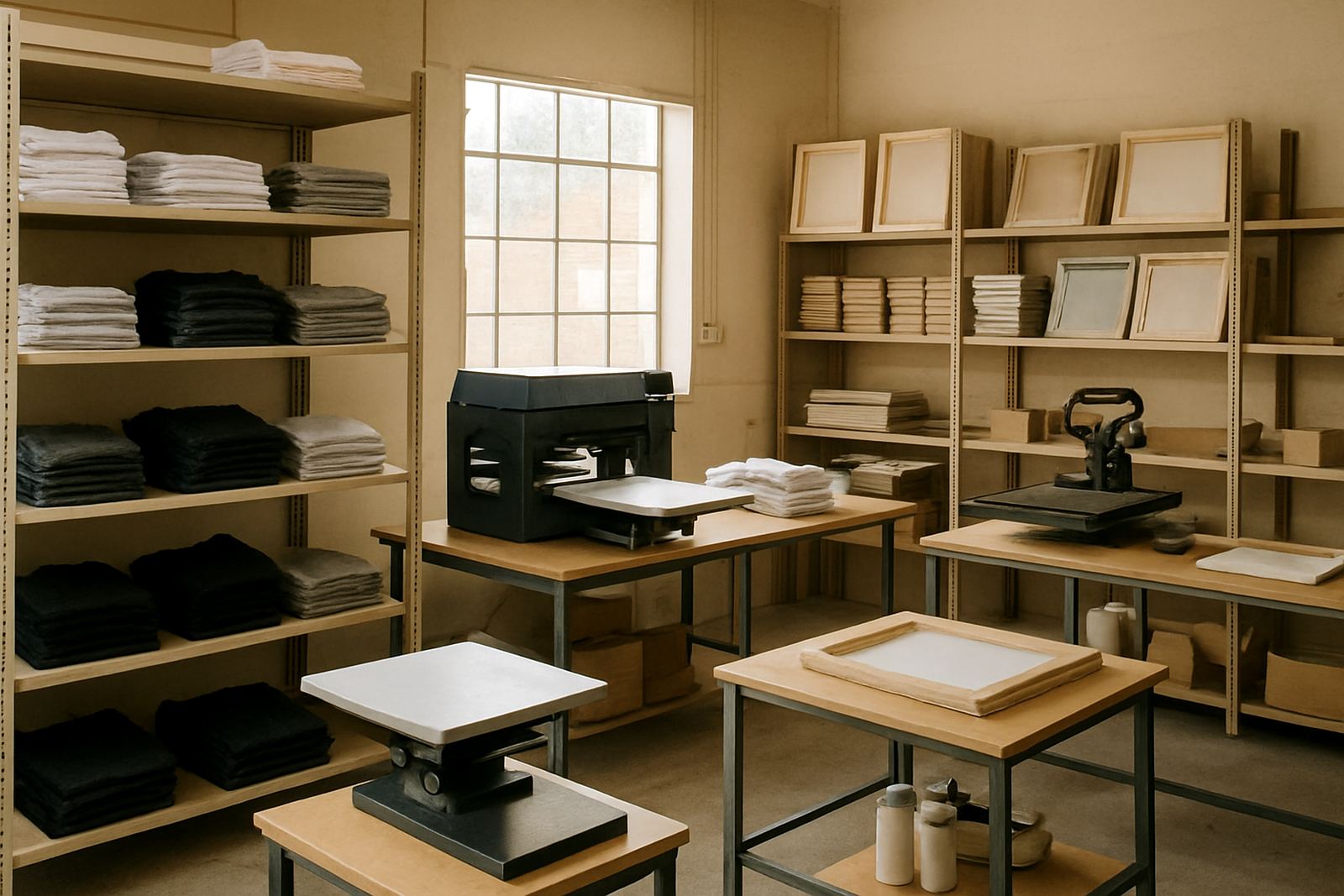
Zip hoodies often arrive in the same order as tees, vests and bags, which means the shop needs a workflow that can switch quickly. That is where proper platen setup and operator training make a real difference. If the team knows which platen to use, how to position the garment and when to pre-press, the order moves faster and with fewer errors.
For shops scaling up in Sandton, Midrand or the East Rand, the challenge is usually not demand. It is handling variety without slowing production. A seasonal rush can bring school orders, corporate hoodies and staff wear all in the same week. A clear process for loading, alignment checks and post-print handling keeps turnaround under control, even when load-shedding or courier cut-off times put extra pressure on the day.
Useful workflow checks include:
- Separate zip-front jobs from standard tee jobs on the production board.
- Keep the correct platen sizes within reach of the operator.
- Store pretreat supplies in a dry area away from workshop dust.
- Review one finished sample each morning before production starts.
When to ask for setup help or a workflow review
Some shops only need a quick adjustment. Others need a full review of how they handle front closures, especially if they are adding a new printer, taking on larger hooded garment orders or moving into mixed fabric work. A proper workflow review can highlight simple issues such as platen choice, pretreat coverage or poor garment positioning.
For a print shop in Pretoria East or Centurion, an onsite support visit can be useful when the team is changing its production mix. Remote troubleshooting also helps when a machine is running but the output is not consistent. In both cases, the aim is the same: reduce waste, improve repeatability and make sure zip front jobs do not hold up the rest of the run.
Handled well, zip hoodies are not difficult. They just need the right support, the right sequence and a few habits that every operator follows the same way every time.