When More Orders Start Exposing Small Bottlenecks
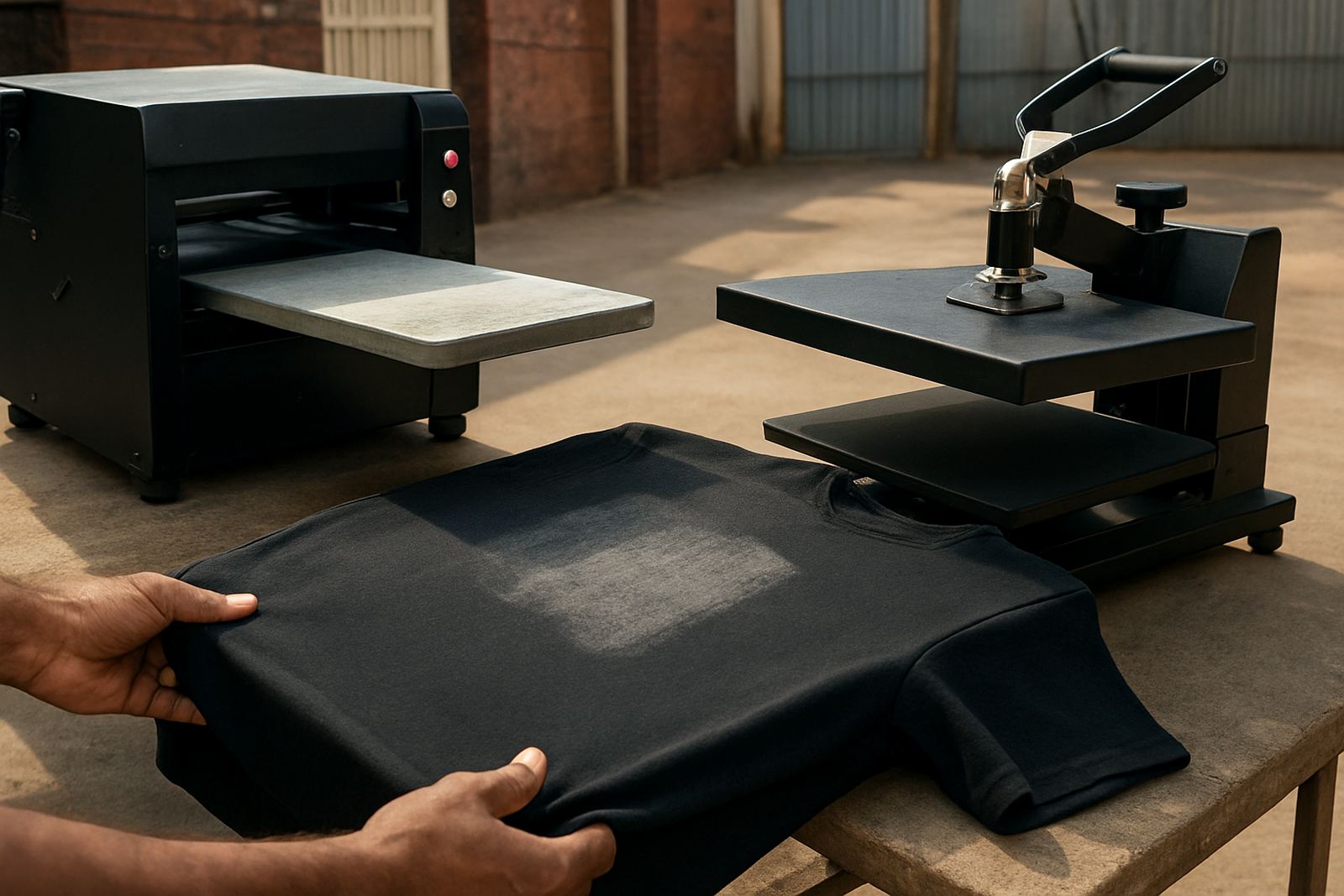
A shop usually does not feel busy all at once. It starts with a few extra reprints, then a school order, then a local brand wants a repeat run in a shorter lead time. Before long, the weak point is not the printer itself, it is the way garments are loaded, aligned, pretreatmen applied and moved through the day.
For many growing shops in Johannesburg, Pretoria and Durban, the first sign is staff spending too much time changing between garment sizes or correcting crooked placement. The second sign is inconsistency across cotton tees, hoodies, tote bags and workwear. If one operator can keep up but the next one falls behind, the setup is asking too much of the person rather than the process.
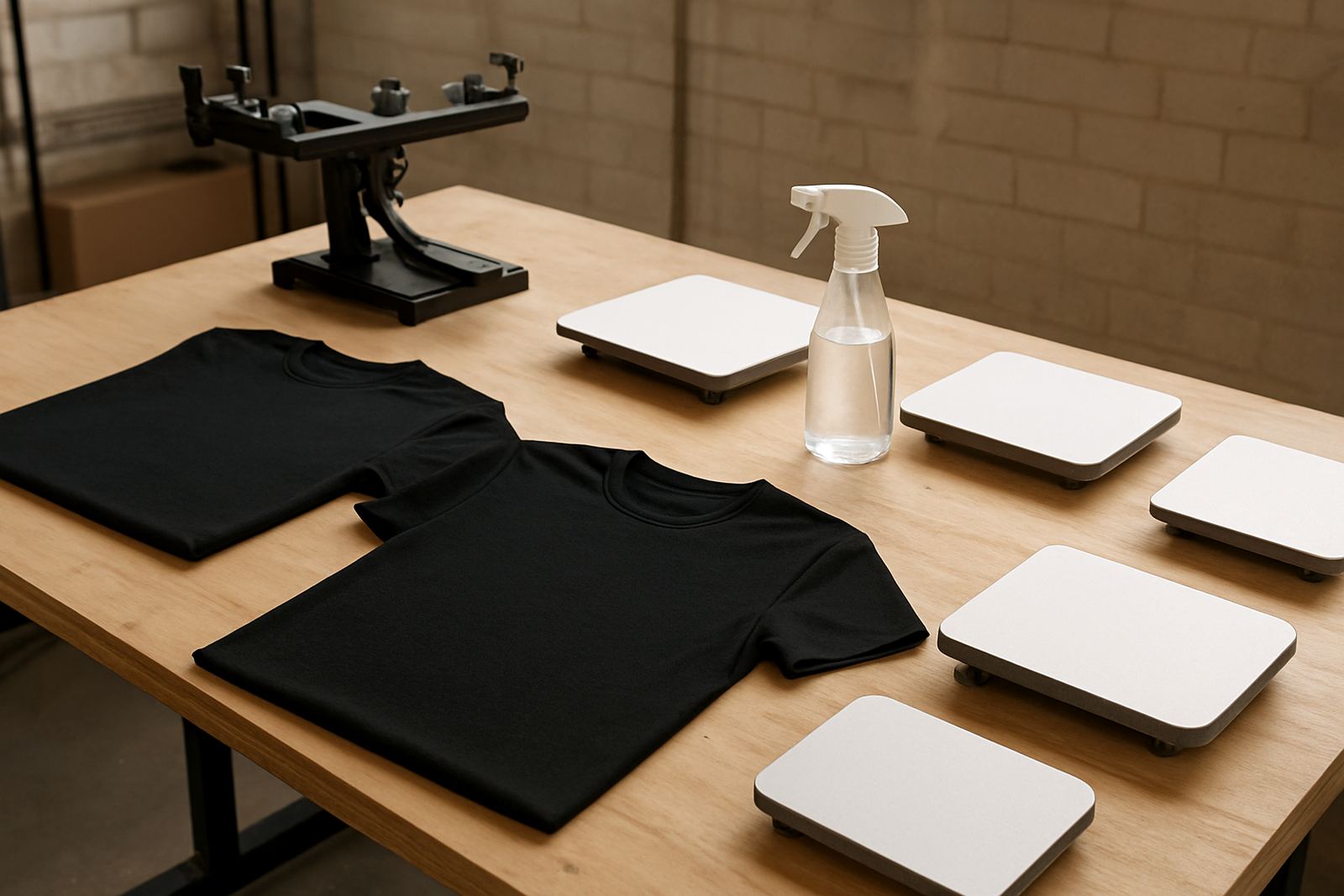
That is where platen choice starts to matter. A small all-purpose platen may be fine for sample work and mixed orders, but once a shop is doing steady repeat runs, more task-specific platens can save minutes on every garment. Over a full shift, that adds up quickly.
Why Platen Size Should Follow Your Order Mix
A growing shop needs to look at its order profile, not only its printer. If most work is adult T-shirts, a standard platen will carry the load for a while. If the order book includes a lot of youth sizes, oversized garments, long-sleeve items or side-seam prints, then the platen range should support that mix rather than force one setting for everything.
In Crown Mines, we often see shops start with one or two platen sizes, then later need additional fittings for left chest work, sleeves, caps or larger display garments. The right platen helps maintain print position and reduces garment movement during the cycle. It also makes repeat jobs easier when a customer comes back three months later and wants the same layout.
- Use smaller platens for youth shirts, babywear and left chest placements.
- Keep standard platens for high-volume adult tees and general production.
- Add specialty platens when workwear, hoodies or oversized fashion pieces become common.
- Match platen stock to your busiest garment sizes, not the occasional outlier.
Workflow Changes That Matter Once Output Increases
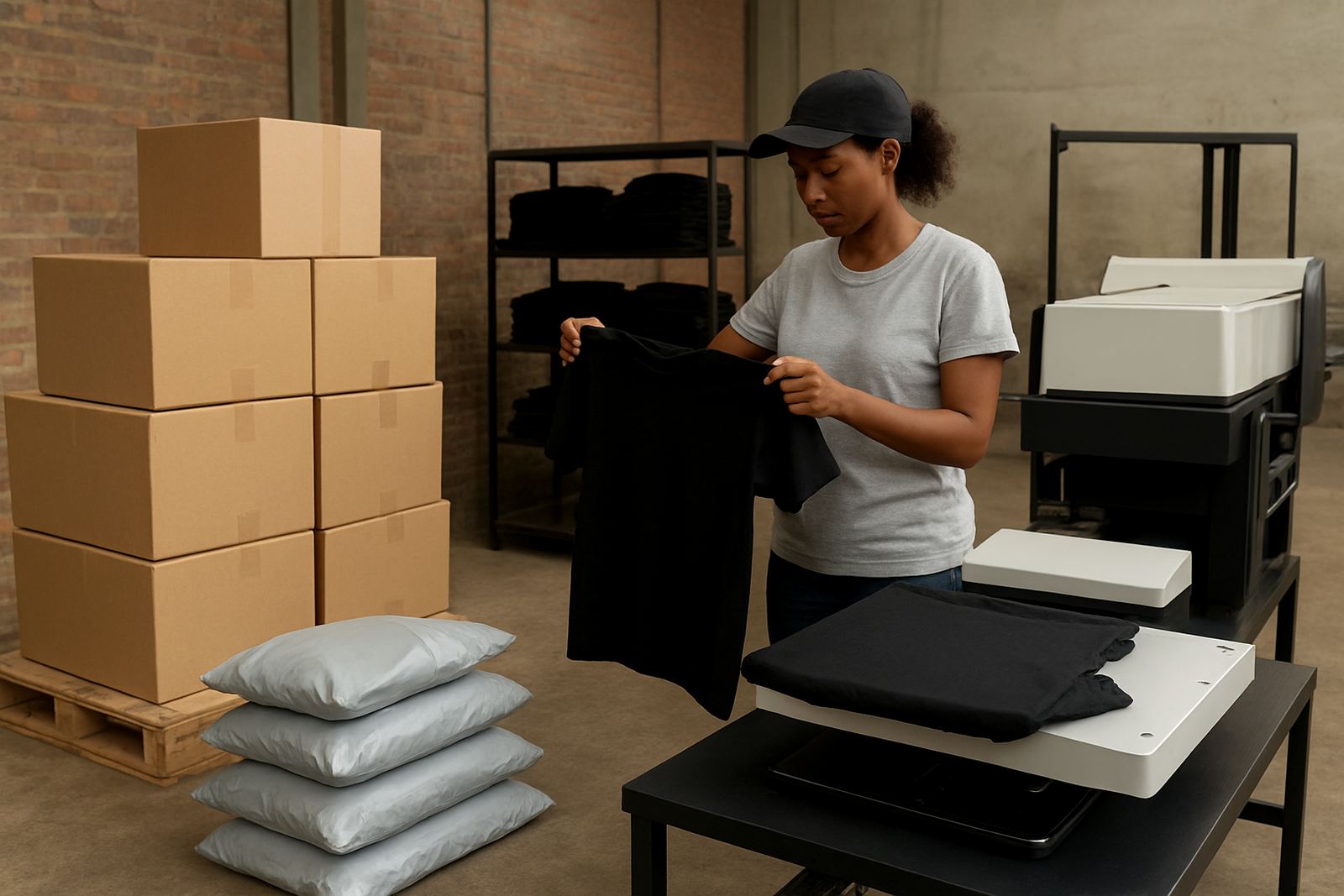
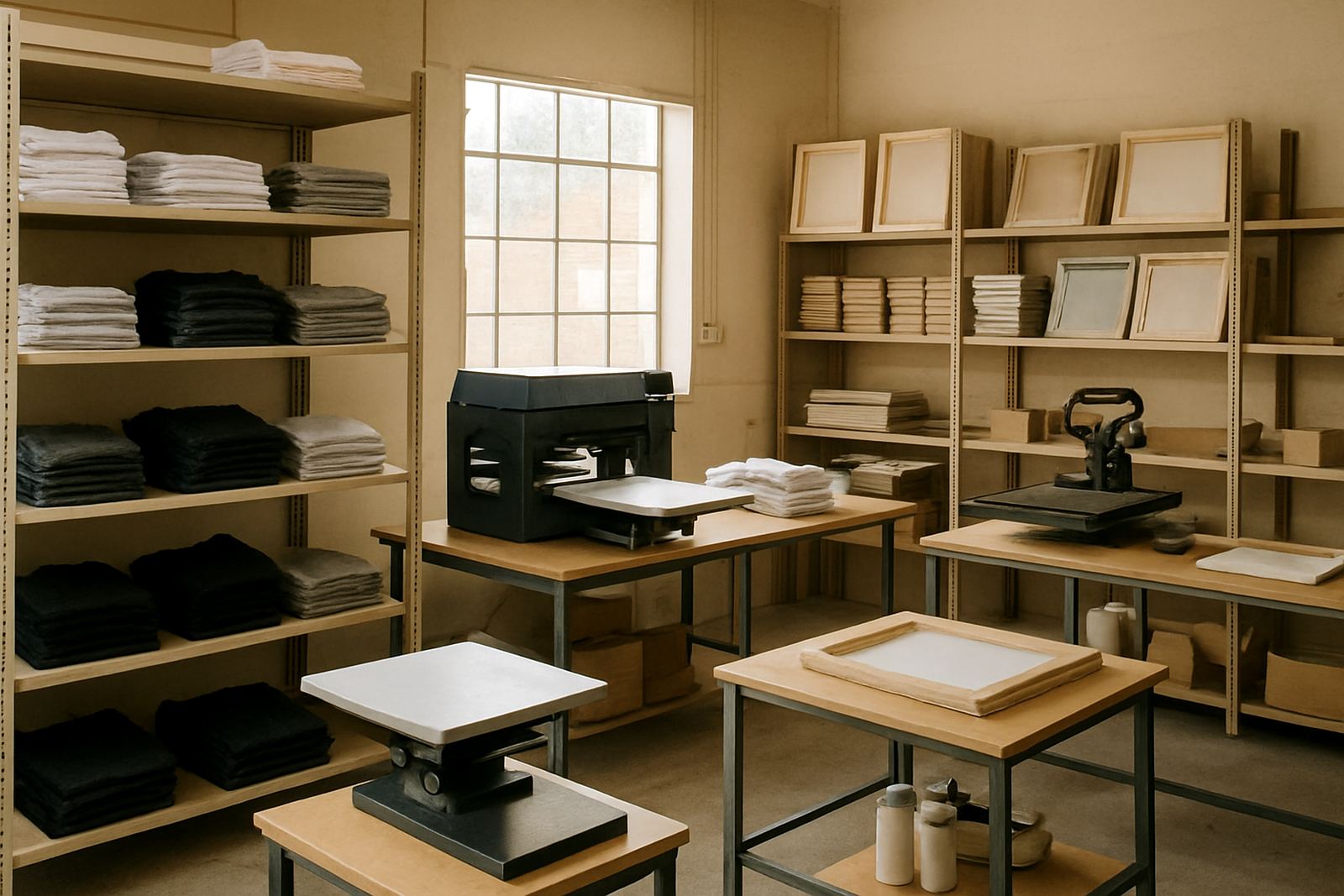
Once the shop is handling more units per day, workflow becomes a system rather than a sequence of tasks. Garments need to move from sorting to pretreatment, drying, loading, printing and finishing without unnecessary backtracking. A good layout keeps people from crossing paths and keeps treated garments moving in one direction.
That matters even more in South African conditions. In humid coastal areas like Durban, pretreatment can behave differently from what a shop sees in Gauteng. In winter, dry air in Johannesburg can change drying times. During load-shedding, a team may lose a drying cycle or have to pause a batch halfway through. A growing shop needs a setup that can still hold pace when the power or weather changes the day.
Practical workflow review often turns up simple fixes. Garments are stacked too close to the pretreatment station, drying is too far from printing, or operators are switching sizes more often than needed. Small changes in routing can save a surprising amount of time and reduce handling marks.
Signs Your Shop Needs More Than One Standard Setup
There is a point where one platen and one workflow plan are no longer enough. The shop may still be profitable, but the team is working harder than it should. Orders take longer, mistakes creep in after lunch, and the pressure to push jobs through starts affecting quality. If that sounds familiar, the business may need seasonal reconfiguration or a broader platen plan.
- Job turnaround has shortened, but the same number of people are still doing the work.
- Different garment sizes are being printed on the same setup with too much manual adjustment.
- Repeat orders are becoming harder to match for placement and finish.
- Operators are asking for help because the process changes from one job to the next.
- The shop is taking on more promotional work, retail fashion or corporate apparel at the same time.
A shop in Randburg might handle short-run fashion pieces in the morning and a hundred promo tees in the afternoon. That is a very different production pattern from a small start-up doing only one type of shirt. The equipment plan should reflect the real mix, not the ideal version of it.
What Training Solves Before It Becomes Waste
When output grows, training stops being a once-off event. It becomes part of production control. Operators need to know how to set platens correctly, how to prepare different fabrics and when to slow down for sample testing. Without that, the shop may buy better tools but still get mixed results.
Training also helps when a business expands to a second shift or brings in a new operator. A clear routine reduces errors at the start of the day and again after lunch when people are tired. It also helps the team cope with seasonal spikes, such as year-end orders, school events and corporate campaigns. A few hours of structured training can prevent weeks of waste.
For many owners, the most valuable part is not only learning how the machine works, but how the whole room should run. That includes print alignment help, pretreatment workflow and the order in which jobs should move through the space. Once those basics are right, the shop can scale with less stress.
A Local Example From A Growing Gauteng Shop
A print shop in the East Rand started with a small mixed order base: a few fashion tees, some clubwear and occasional corporate jobs. As orders increased, the owner noticed that the team was spending too much time changing between sizes and checking alignment. The printer itself was still in good condition, but the platen setup was slowing the floor down.
After reviewing the workflow, the shop added a better mix of platen sizes, separated pretreatment from loading, and changed the way garments were staged for each run. The team also introduced sample testing for new fabrics and seasonal reconfiguration ahead of peak months. The result was fewer placement errors, faster turnarounds and less rework at the end of the day.
That kind of adjustment is often enough for a shop that is moving from steady trade into proper scale. It does not always mean buying more machinery. Sometimes it means using the same printer better, with the right platens and a cleaner route through the workshop.
How To Plan The Next Step Without Overbuying
The safest way to scale is to match upgrades to real demand. Start with the jobs you already win, then build around them. If you are in Sandton or Centurion and your orders are shifting towards premium retail, you may need tighter placement and more controlled pretreatment. If you are serving schools, events and workwear across Pretoria East or Midrand, you may need faster changeovers and a broader platen mix.
A sensible plan usually includes:
- Checking which garment sizes make up most of your monthly volume.
- Listing the jobs that cause delays or repeat errors.
- Testing platen options on real garments before buying in quantity.
- Reviewing whether operators need on-site support visit or remote troubleshooting.
- Planning for courier supply so the shop is not waiting on parts during a busy week.
Growing shops do best when they treat platen choice and workflow as part of production planning, not just an equipment purchase. That is what keeps orders moving when volumes rise and deadlines tighten.