
Start with the order, not the press
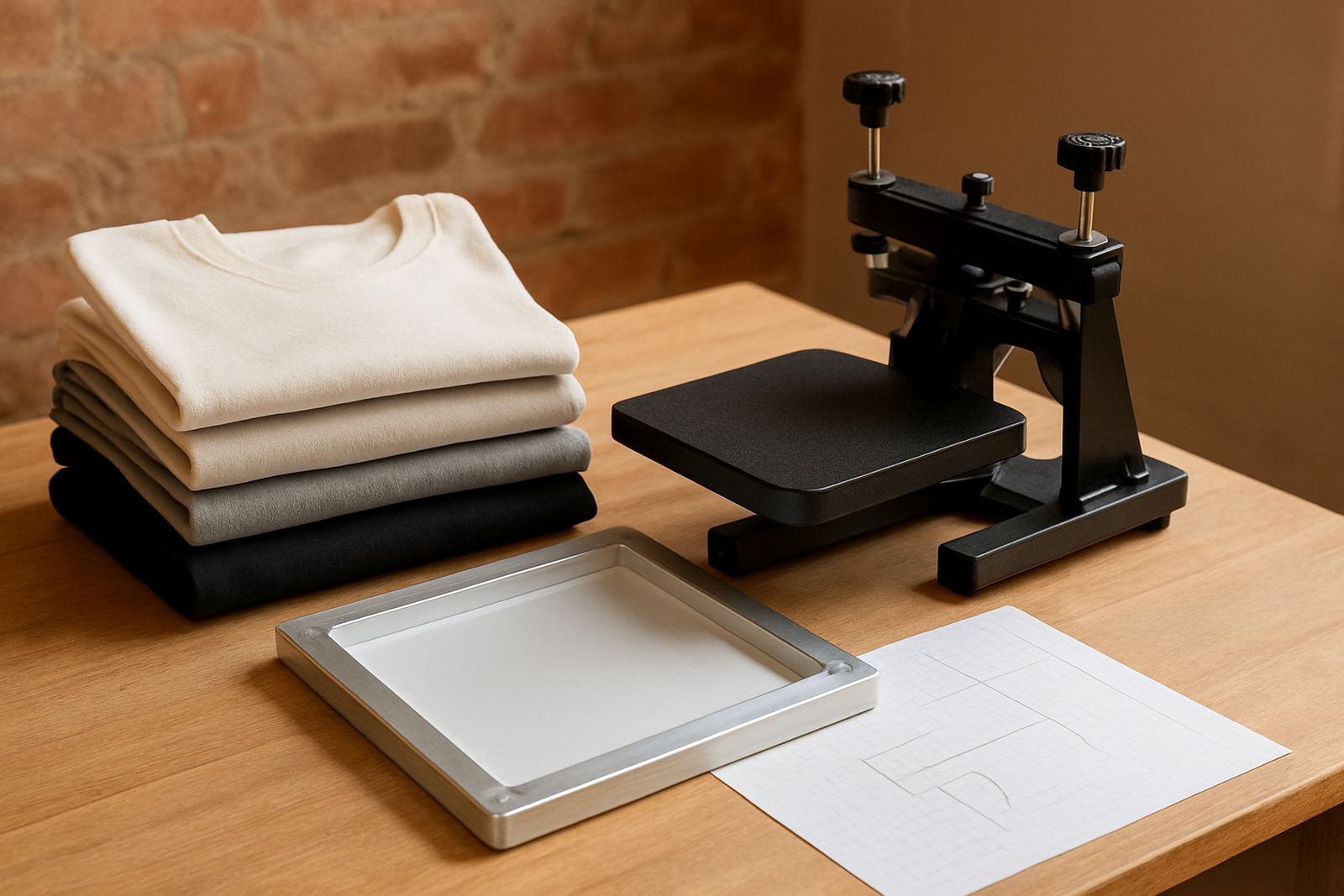
When a rush order comes in, the first mistake is to jump straight to printing. Before any garment goes near the machine, count the sizes, confirm the fabric mix, and check whether the artwork is ready for the print method being used. A small run of 30 cotton tees is one thing. A mixed order of black polyester, grey cotton blends, and a few long sleeve shirts is another. Each one may need a different platen or pretreat approach.
In Johannesburg, many shops in Crown Mines, Randburg and Midrand get caught by short notice corporate jobs for events, staff launches, or promotions. The client may want collection by Friday, but if the artwork still needs sizing, or the garments have not been checked for shrinkage and shade variation, the shop loses time later. Put the details on paper first, then plan the print sequence.
- Confirm garment type, colour, and fabric percentage
- Check artwork size, placement, and number of print positions
- Separate adult, youth, and ladies cuts before setup
- Allow for test prints on at least one sample shirt
Choose the platen that matches the garment
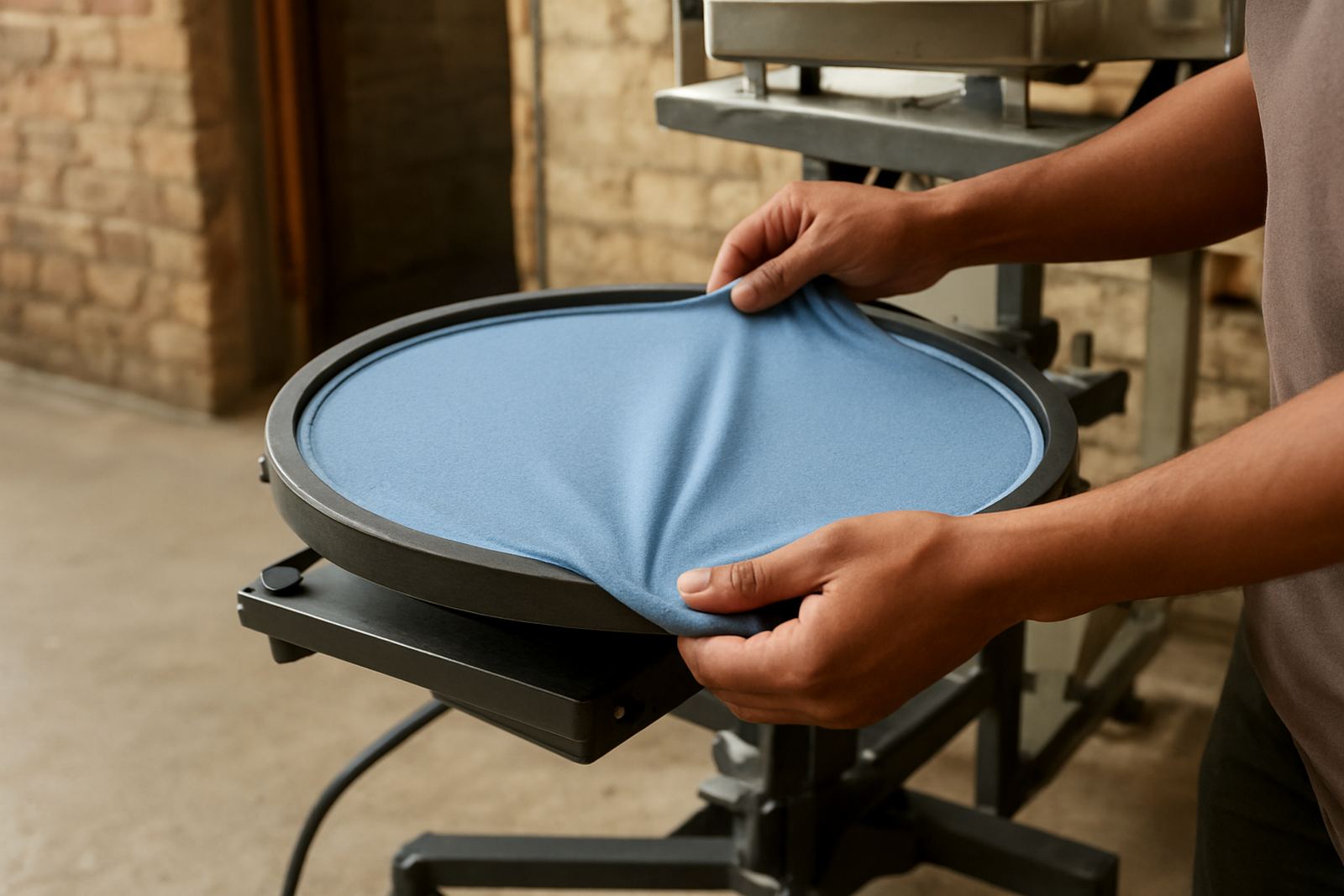
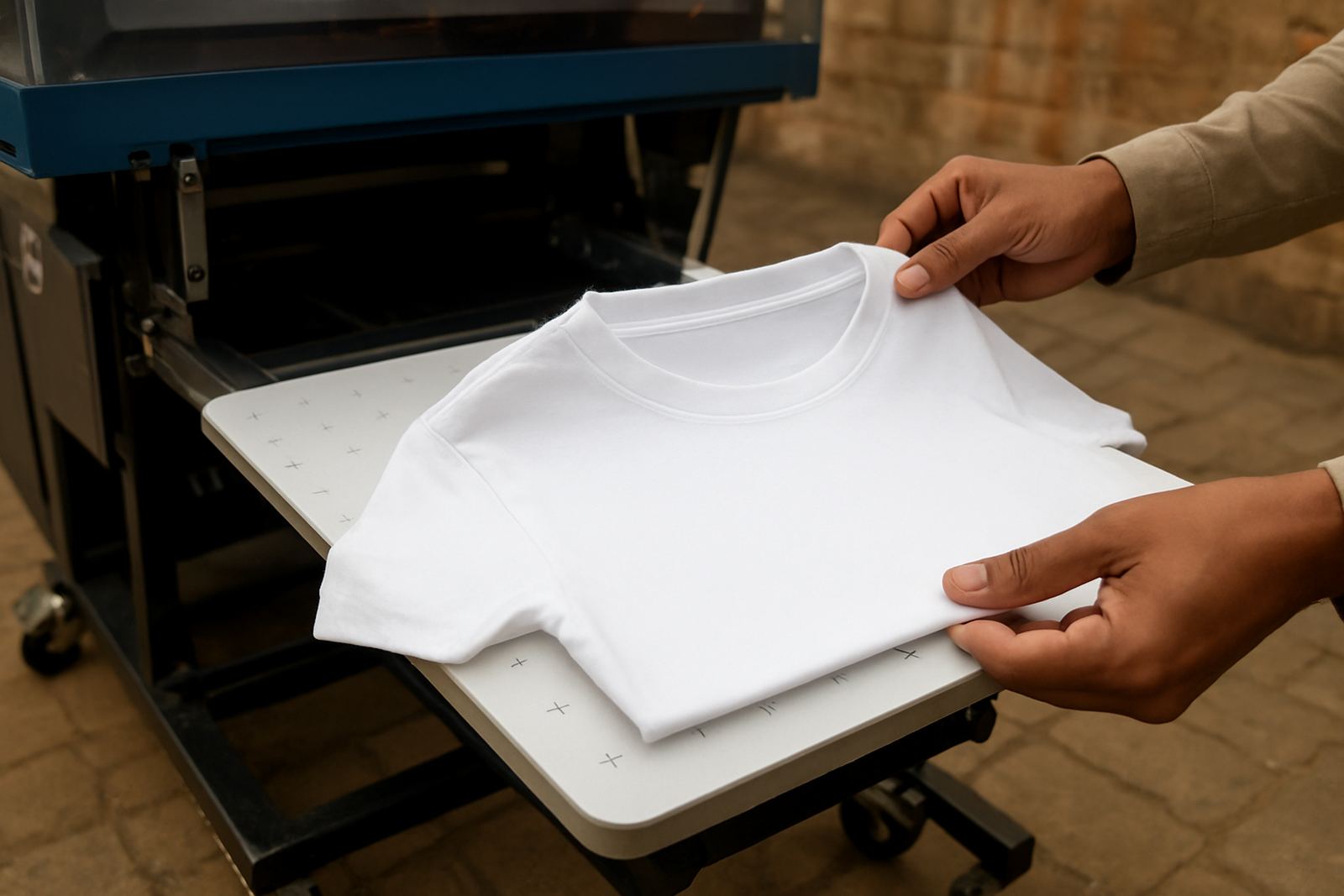
A rush order is easier to manage when the garment sits correctly the first time. A platen that is too small leads to poor support and crooked placement. One that is too large can slow the operator and waste time on misalignment. For mixed shirt orders, keep a few common platen sizes ready so the team can switch quickly without rebuilding the whole station.
DTGrip works with shops that need quick changes between small, medium, and oversized garments. That matters for printers handling school sportswear, promotional T shirts, workwear and fashion labels from Sandton to Pretoria East. A good platen setup helps the garment lie flat, reduces movement during print, and makes repeat placement more accurate. If your team often handles ladies v-necks, hoodies, or long sleeve shirts, keep those setups marked and stored in order so there is no guesswork when the pressure is on.
- Keep commonly used platens labelled by garment type
- Store the most used sizes within arm’s reach of the printer
- Check clamp fit and board stability before each rush job
- Use sample shirts to confirm print position on unusual cuts
Pretreat only what you can print today
Pretreat waste is one of the quickest ways to lose margin on an urgent order. If a job is small enough to finish same day, pretreat only the shirts that will actually go to press. If the client is still approving the final quantity, hold back until the order is locked. In humid coastal conditions, especially when jobs are couriered between Durban and Johannesburg, poorly managed pretreat stock can absorb moisture and print unevenly.
A sensible workflow is to pretreat in batches that match the press queue. That keeps the surface consistent and avoids garments sitting around too long before printing. In winter, static and dry air can also affect handling, while load-shedding adds another layer of planning. If curing and printing are interrupted, a half-prepared batch can sit too long and cost you a clean finish. The better approach is simple: prepare only what the team can complete within the available window.
- Mix pretreat according to the fabric and print area needed
- Label batches by colour and size
- Use a clean, dry staging table for treated garments
- Keep a written count so no shirt is forgotten mid-run
Build a short-run workflow that can survive load-shedding
Rush orders fail when one small delay stops the whole floor. For that reason, the best shops plan their workflow around interruptions. A short-run job should be able to pause and restart without losing the sequence. Keep artwork files named clearly, boards and hoops in the same place every day, and the operator’s checklist visible at the print station. That way if power drops, the team knows exactly where to resume.
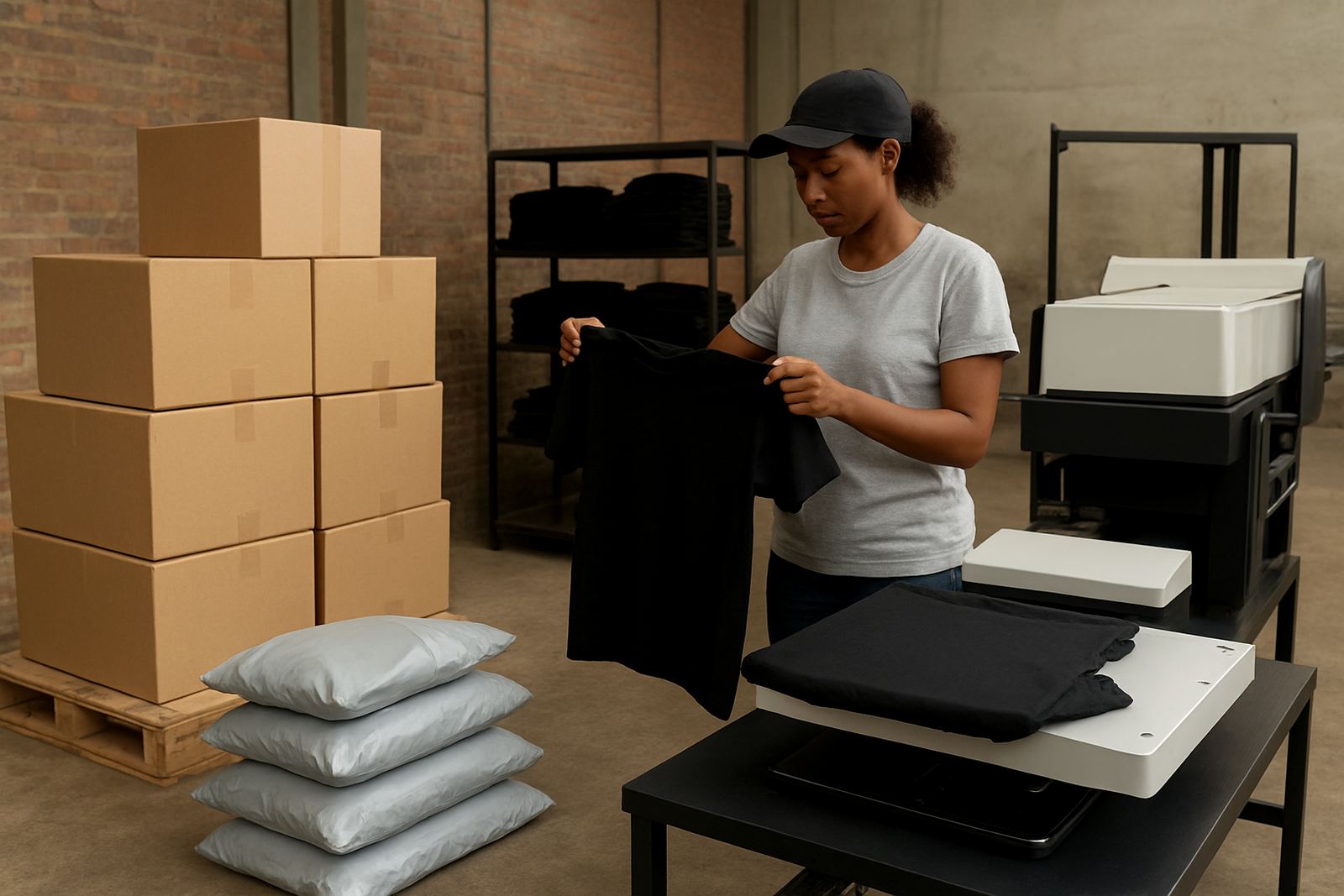
In Crown Mines and the industrial areas around Johannesburg, many print shops work with tight floor space and multiple jobs on the go. A clean layout helps. Put incoming garments in one area, treated garments in another, and finished shirts in a sealed or dust-free space. The less cross-traffic there is, the lower the chance of contamination or mix-ups. It sounds basic, but in a rush it makes all the difference.
- Separate incoming, ready-to-print, and finished garments
- Keep one person responsible for count control
- Use a standard setup checklist for every rush job
- Test the first print before releasing the full batch
Use sample testing to avoid expensive repeat work
There is no faster way to lose money than printing 80 shirts and then noticing the placement is off by 15 millimetres. Sample testing is not a delay, it is insurance. A quick test on the same fabric, same colour, and same platen tells you whether the pressure, alignment, and pretreat are right before the full run starts. For urgent orders, this step saves both time and embarrassment.
If a customer is uncertain about how a print will sit on a particular shirt cut, keep a few sample garments on hand. Many shops in Randburg, Sandton, and Centurion now build sample checks into their normal process, especially when the same order includes multiple sizes or mixed fabrics. It is easier to adjust once than to explain a reprint later.
Where needed, remote troubleshooting can help teams confirm placement or workflow before the courier leaves Crown Mines. If the job is particularly time-sensitive, an onsite support visit may be worth it for the first run, especially when a shop is scaling up or adding a new operator. That support can prevent a small setup error from becoming a full day’s rework.
Plan the handover before the client calls back
Rush work is not only about printing quickly. It is also about delivery and handover. The client wants certainty, so the shop needs a clear completion time, collection point, and packing method. If shirts are going to Durban, Pretoria, the East Rand, or anywhere else nationwide by next-day courier, pack them the same day they are finished and keep the paperwork neat. A smudged print or a missing size is easier to catch before sealing the parcel.
New shops often focus on the press and forget the final step. That is where production scaling and workflow review matter. Once the shop starts handling repeat urgent orders, it should review how many garments can be processed per hour, which platen sizes get used most, and where bottlenecks happen. A small adjustment in setup can save a full hour on the next deadline job.
At DTGrip in Crown Mines, that is the kind of planning support local print shops ask for: platen installation, hoop setup, pretreat workflow, operator training, print alignment help, and seasonal reconfiguration when the workload changes. The aim is simple, keep the machine running cleanly and keep the rework out.