
Why a sample run saves money before the first full print
In garment printing, the most expensive mistakes usually happen early, not late. A client may love the artwork on screen, but once it lands on cotton, polycotton, polyester or a stretch blend, the result can shift in colour, hand feel and print placement. Sampling gives you a real garment to inspect, which means you can check the look and feel before 50, 100 or 500 items go into production.
For print shops in Johannesburg, Pretoria and Durban, that matters even more because clients often want fast turnarounds for launches, promotions and event wear. If the sample is wrong, the job is delayed and the reprint cost is usually carried by the printer. A short approval process up front is cheaper than replacing a carton of shirts later. It also helps your team avoid pressure decisions when the floor is already busy and load-shedding has shifted the day’s schedule.
At DTGrip we often see that a simple sample check gives the production team the confidence to lock in platen choice, hoop setup and pretreat settings. That one step can reduce rejects, minimise waste and keep the order moving with less stress.
What to check on every test garment before approval
A proper sample is more than a quick print and a nod from the client. You need to inspect the garment under the same conditions you will use in production, including the same fabric type, curing approach and operator workflow. If the garment is going into retail, the sample should match the final batch as closely as possible, not just the artwork file.
Use a consistent checklist so every approval is based on the same facts. Small differences matter, especially on dark garments, textured fabrics and items with seams near the print area.
- Artwork size and placement on the chest, back or sleeve
- Colour accuracy after pretreatment and curing
- Fabric reaction, including bleed, shine or flattening
- Print edge sharpness and fine detail retention
- Feel of the print after wash testing, if required
- Alignment against neck labels, seams and centre points
If the sample is for a school, corporate team or promotional campaign, ask the client to approve the actual garment type as well. A cotton T shirt and a performance tee can behave very differently, and that difference will show up the moment ink hits the surface.
How local conditions change the way samples behave
South African print shops work in mixed conditions. A workshop in Crown Mines can have dry air in winter, while a coastal job headed to Durban may deal with humidity during packing and transport. Those conditions affect pretreatment drying, storage and even how garments lie on the platen. A sample that looks perfect in one shop can shift slightly in another if the process is not controlled.
That is why operators should sample using the same curing setup and the same handling method intended for the bulk run. If your workflow changes because of municipal power interruptions or a temporary workshop layout, recheck the sample before production resumes. A garment that sat too long after pretreat can print differently from one printed the same hour, and that is easy to miss when the floor is busy.
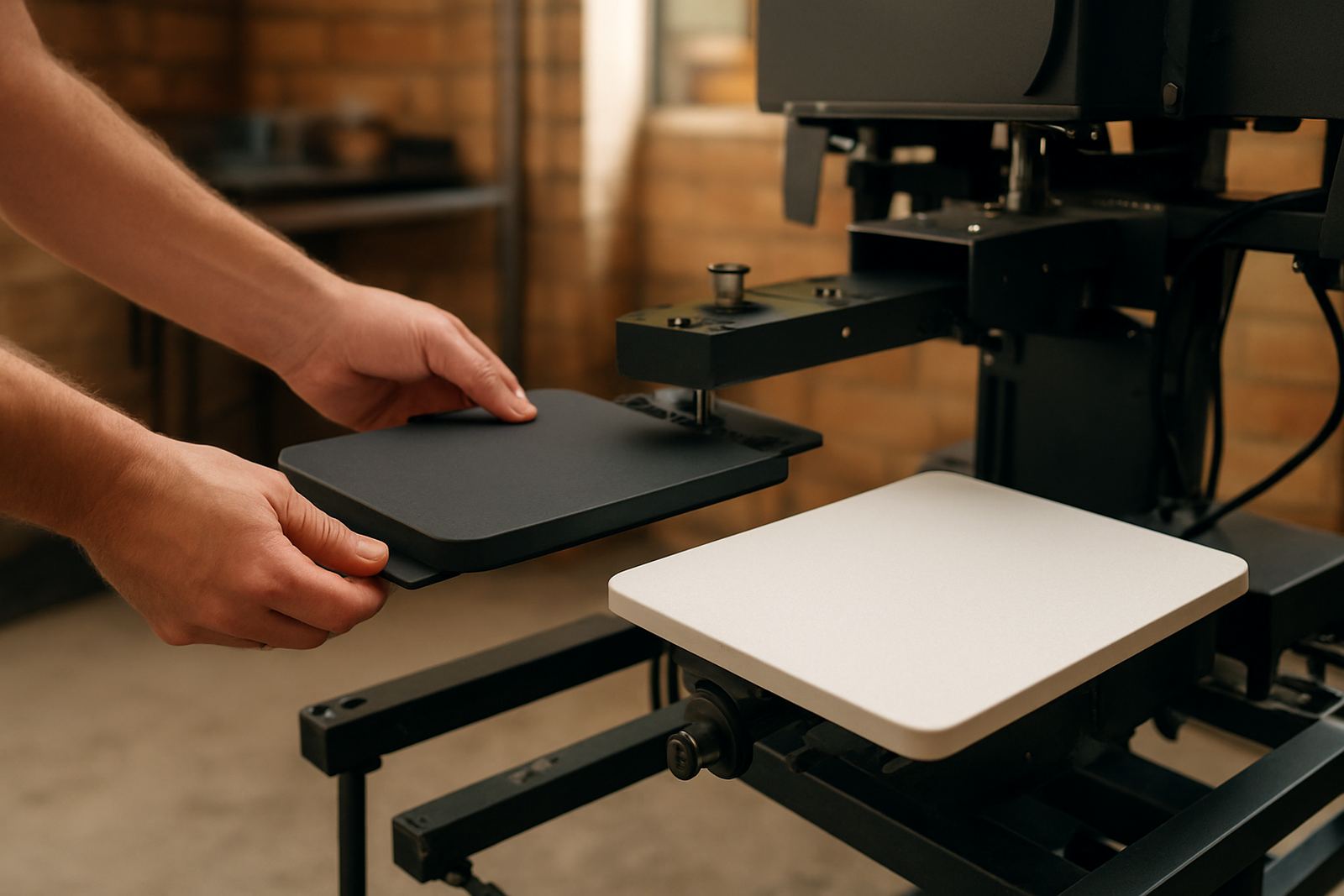
For clients in Sandton or Midrand who want branded wear for a launch, a sample also gives you a chance to explain practical limits. Some designs need a lighter underbase, some need a different platen size, and some need a better fit between hoop and garment panel. Showing the client the sample makes those decisions easier and keeps expectations grounded.
What a good approval process should include
Approval should be clear, documented and quick. The goal is to stop uncertainty, not add paperwork for the sake of it. A short process works best when the client is away from the shop or when the order is being handled remotely across several locations.
Use a process that covers the full path from file to final garment, then keep a record of the approved sample. That record is useful if the same client reorders next month, or if the same design is moved onto a different fabric later.
- Confirm the garment spec, size range and colour before printing
- Print at least one sample on the final fabric type
- Inspect the sample in natural light and workshop light
- Get written approval before bulk printing starts
- Keep one approved sample for reference in case of a dispute
With this approach, the production team knows exactly which version is approved. That makes scheduling simpler for larger runs, especially when a shop is balancing retail orders with rush promotional work and it cant afford avoidable rework.
A Johannesburg example: from sample to smooth production
A local print shop in Johannesburg might get a rush order for 300 branded shirts for a company event in Centurion. The client wants a dark logo on black cotton tees, delivery by the weekend and no visible print shift across sizes. Without sampling, the team would be guessing at placement, curing and colour density.
Instead, the shop prints one sample on the exact garment, checks the centre point with the client, and tests the feel after curing. The first sample shows the artwork is a little too high on the chest, so the operator shifts the platen setup by a few millimetres and prints a second sample. That small adjustment saves the full order from looking uneven. The client signs off, the job runs cleanly and the shop avoids a stack of rejected shirts.
This is where sample testing supports production scaling. When the first sample is accepted and recorded, the team can repeat the same setup across the batch with less second-guessing. That matters whether the order is going to a fashion label in Randburg or a promo company sending goods nationwide.
Sampling is also a training tool for your operators
Sampling is not only for the client. It teaches your staff what the fabric will do, how the pretreatment should sit and how the platen or hoop should be loaded. New operators learn faster when they can compare a good sample with a poor one, because the difference is right in front of them.
Over time, that builds a better workshop habit. Your team starts to spot warning signs before the full run begins, which is useful for seasonal reconfiguration, new shop planning and larger production scaling jobs. It also reduces the amount of trial and error when a new garment style comes in, such as oversized tees, kidswear or items with awkward seams.
For shops serving Pretoria East, East Rand and Durban, remote troubleshooting can support the process too. If the sample looks off, the issue can often be traced to platen choice, pretreat coverage or operator sequence before the bulk order starts. That is a small correction with a big impact on turnaround and waste.