
Why platen swaps slow down a busy floor
In a print shop, the real delay is not always the print itself. It is the stop-start pattern around it, when one job uses small kids sizes, the next needs a large hoodie platen, then the run switches back to ladies vests. If the operator has to hunt for the right platen, recheck height, clear lint, and re-align the garment every time, the whole day starts to slip.
A good platen change routine gives the team one simple method to follow. It cuts confusion on mixed garment days, especially when two or three people are working across prep, printing, and packing. In Johannesburg and surrounding areas where courier collections come early and the day fills up fast, even five minutes saved per change can make a proper difference. It also reduces mistakes like printing off-centre, leaving marks on the fabric, or wasting pretreatment on the wrong item.
Set the platen order before the first shirt lands
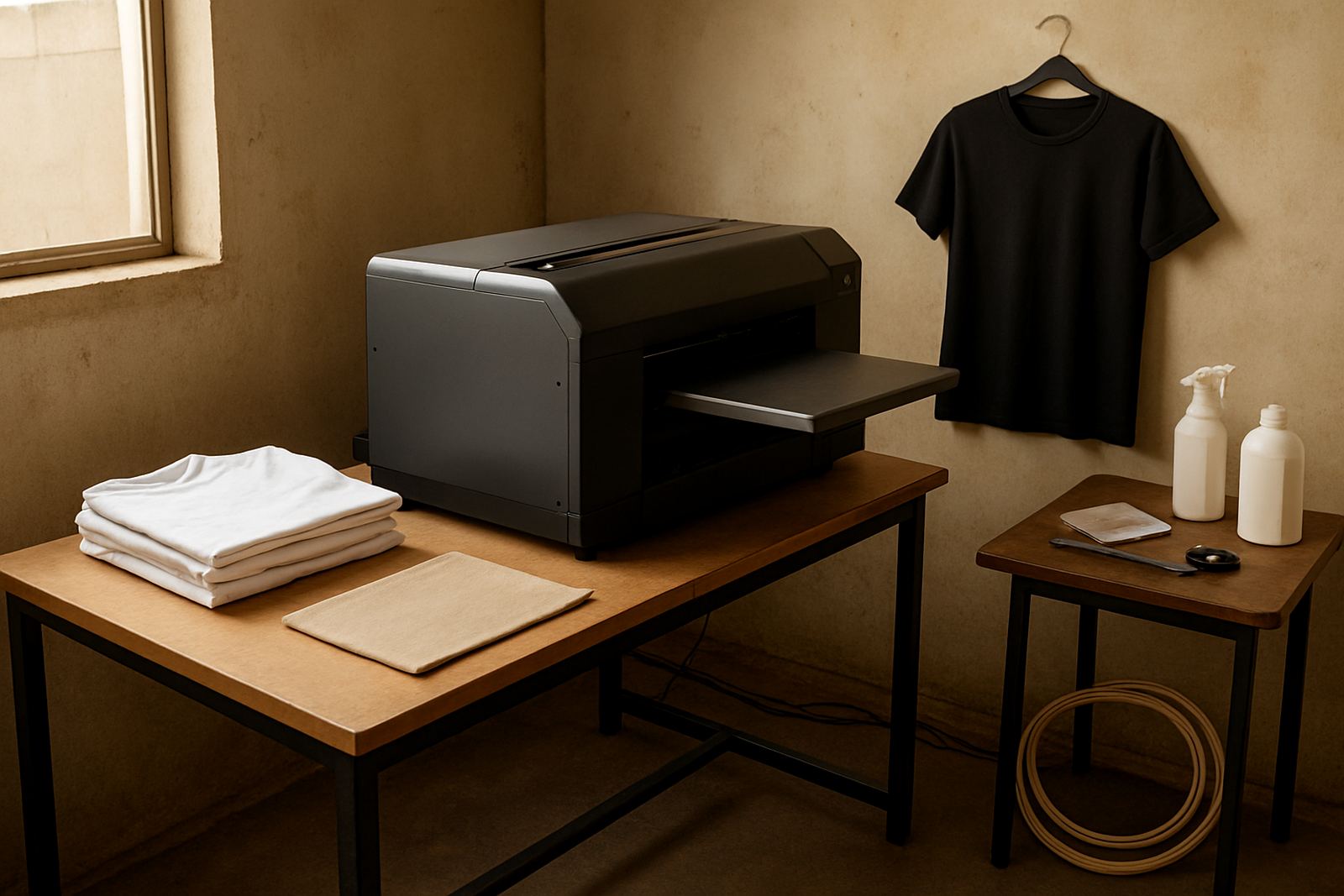
The fastest shops do not improvise. They build the day around the jobs on hand, then set the platens in the order they will be used. That means the most common sizes and shapes are closest to the printer, and the odd sizes are stored where they can be reached without crossing the room.
- Place small, medium, and large garment platens in the sequence of the print run
- Keep speciality hoops and off-size platens in a marked rack or drawer
- Separate adult, youth, baby, and tote setups so nobody guesses under pressure
- Check that each platen surface is clean, flat, and free of build-up before the shift starts
When the same operator changes platens throughout the day, the layout should stay the same from one shift to the next. Consistency matters more than style. If the table is arranged one way today and another way tomorrow, the team loses time re-learning the space. That is how small delays become a habit.
Use a repeatable swap sequence every time
A platen swap should follow the same steps whether the job is a single sample or a full batch. The aim is to make it automatic, so no one skips a check under pressure. A simple sequence helps keep the print area clean and keeps the garment in the same position every time.
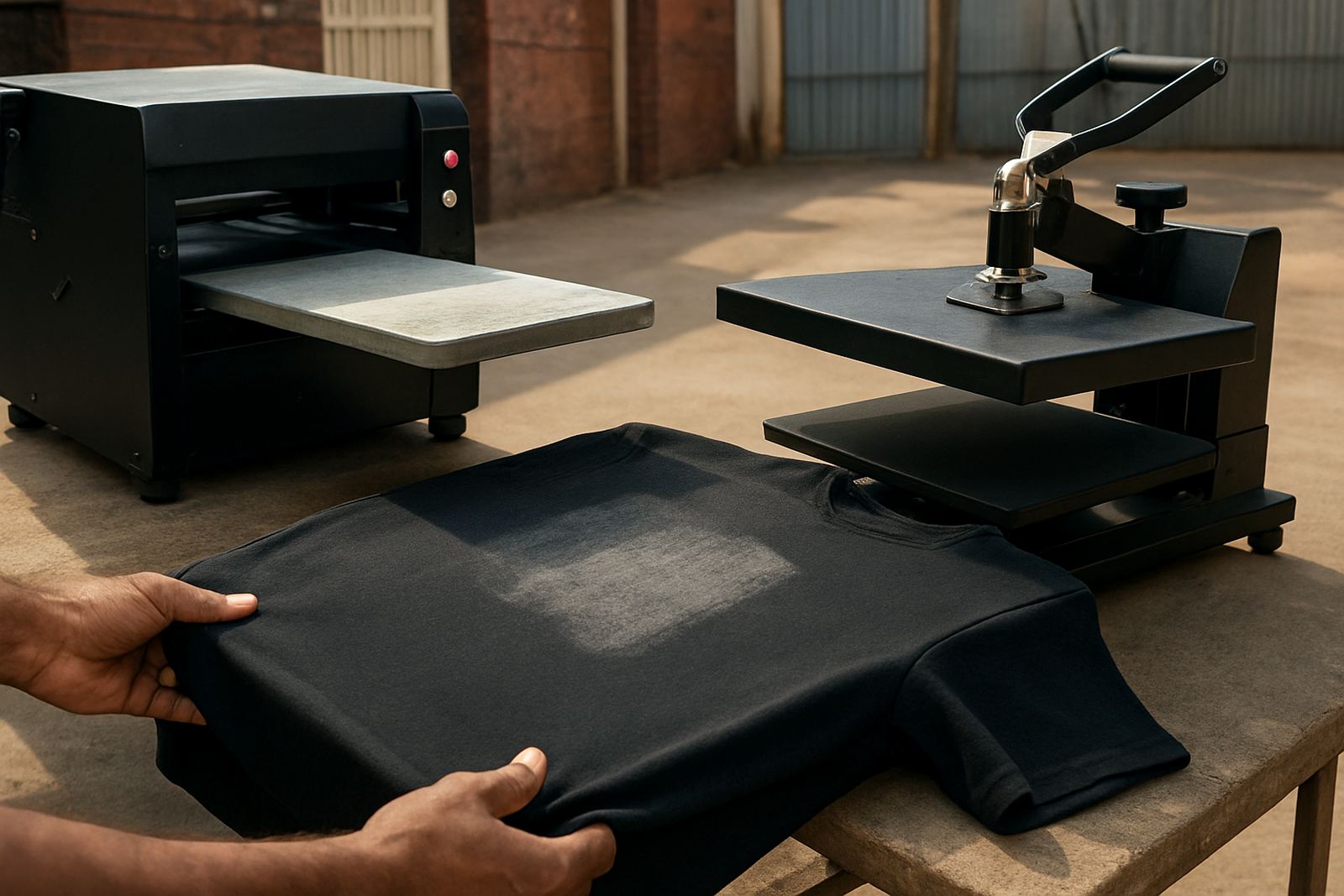
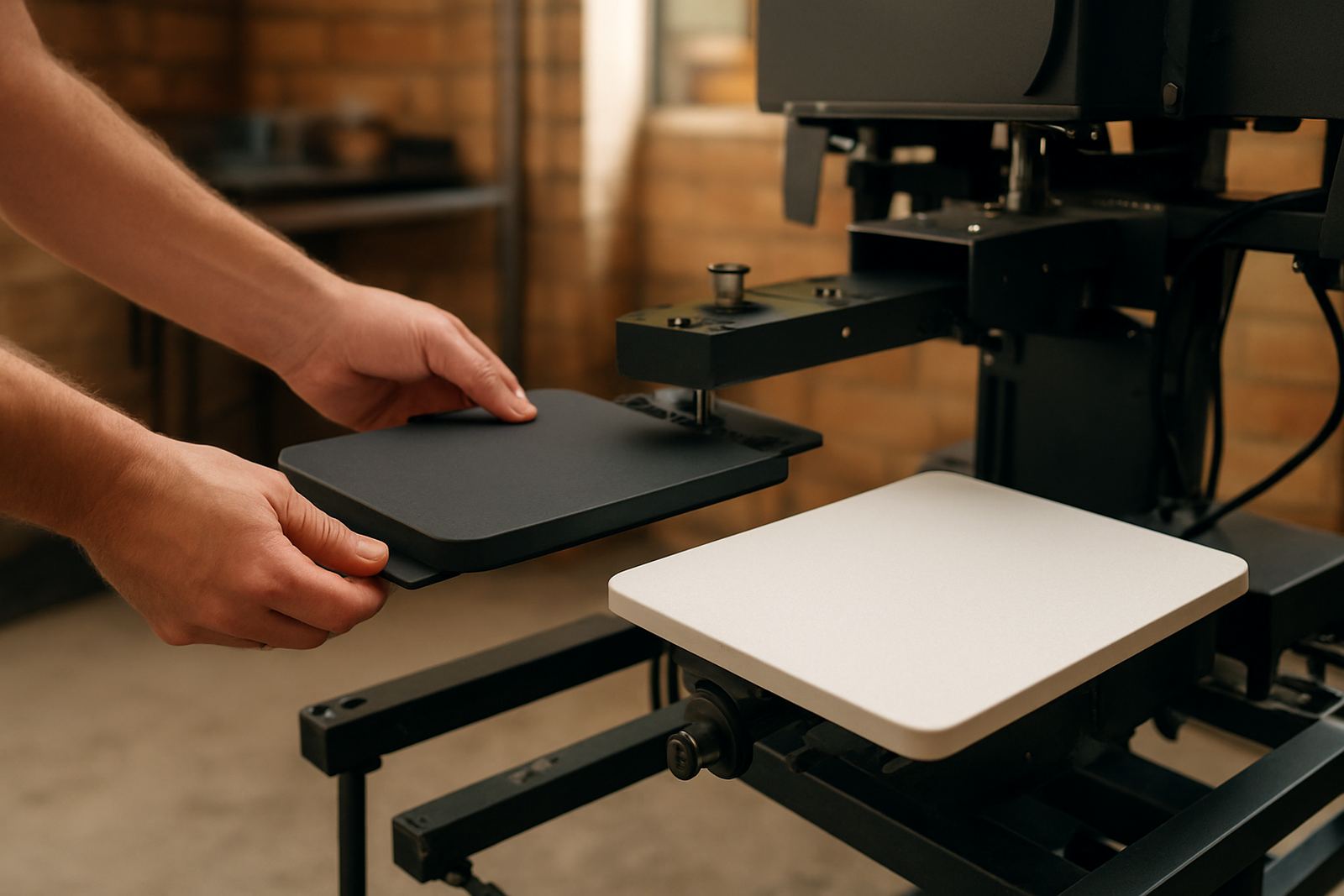
One workable routine is: remove the current platen, check the mount and latch, fit the new platen fully, confirm the height, then place a test garment before starting production. If the press area is warm, give the platen a moment to settle before loading pretreatment or a fresh garment. On humid days in Durban, or in a workshop near the coast, this matters even more because moisture can affect fabric feel and hold.
- Wipe the platen edge before fitting the next size
- Check that the surface sits level and does not wobble
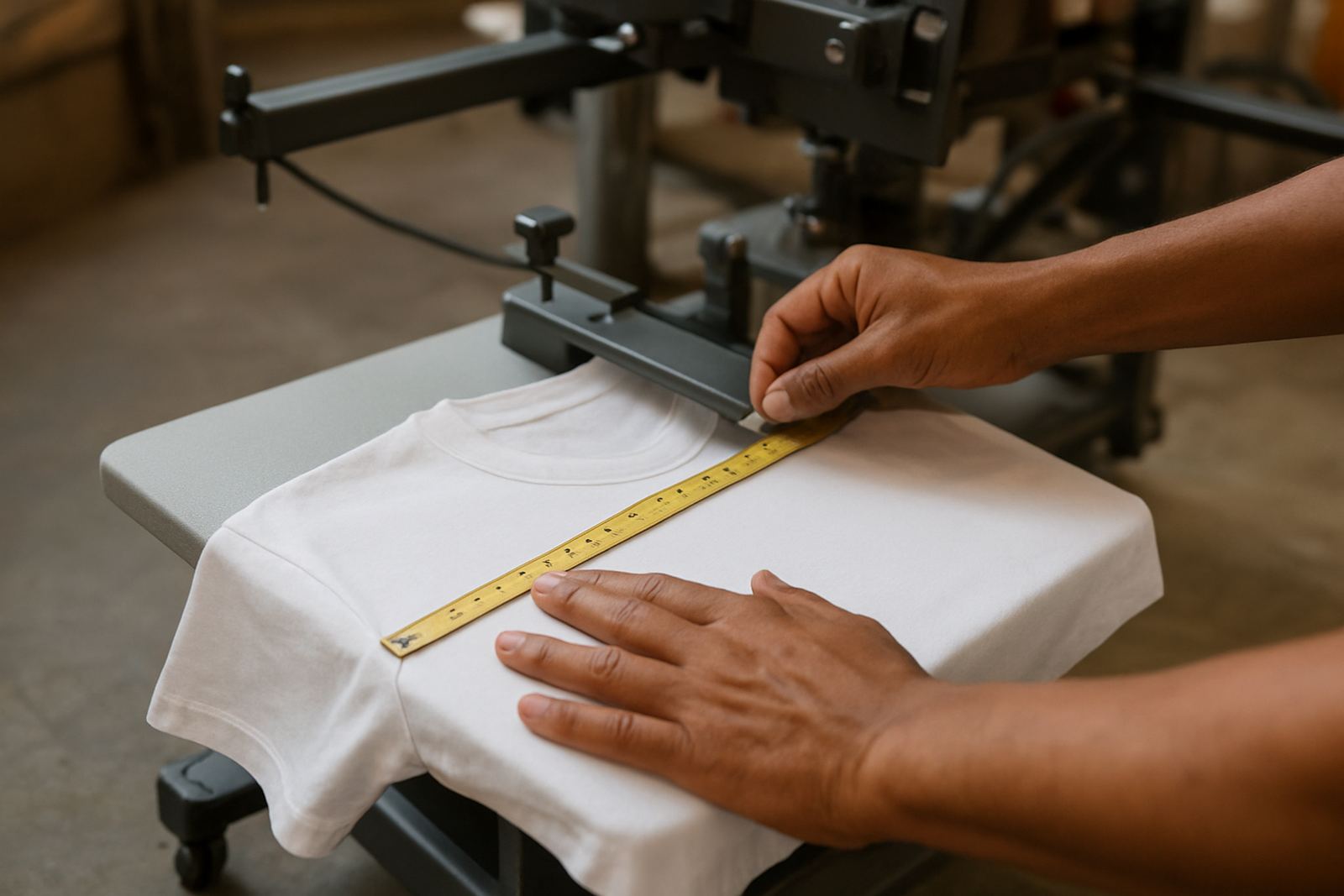
- Confirm the print area matches the artwork size
- Run a quick visual alignment check before the first print
If the routine is written down and followed the same way, new staff learn faster and experienced staff stop wasting energy on repeat checks. That leaves more attention for print quality, which is where the money is.
Keep the platen change station tidy and labelled
Most slow swaps happen because tools and parts are scattered. A proper station saves time and keeps the operator focused. It does not need to be fancy, just organised. A labelled rack, a clean cloth for dust, a container for screws or adapters, and a marked space for each platen type will do a lot of the work.
Label the platens clearly by size, shape, and garment type. If your shop handles fashion samples, promo tees, and workwear, the labels should be easy to read at a glance. In busy areas like Crown Mines, Randburg, or Midrand, where print teams often work to tight courier schedules, there is little value in a box full of parts that all look the same.
- Mark each platen with the garment size or use case
- Store rarely used items separately from daily stock
- Keep spare pads, fasteners, and cleaning cloths within reach
- Review the station weekly so damaged parts are removed early
Train operators on the common fault points
Even a good platen system will slow down if the team has not been shown what to watch for. Training should focus on the faults that show up most often in real production, not just the ideal process. That includes uneven garment loading, wrong platen choice, poor alignment, and rushing the fit when the next job is waiting.
Ayesha on the operations side, or a shop supervisor, should make sure every operator can identify the signs of a bad change before the print starts. That way a problem gets fixed before the ink goes down, not after. In a mixed run, one missed alignment can throw out several garments and burn through pretreatment, film, and time.
- Show the difference between a correct fit and a half-seated platen
- Use sample garments for training, not production stock
- Teach new staff how to recheck height after every change
- Set a rule for who signs off sample testing and first-off prints
Thabo Mokoena and the team often see that the quickest gains come from simple discipline. A clear method and a bit of repetition usually do more for output than a bigger machine ever will.
Match the routine to your real workload
No two shops run the same way. A small studio in Sandton may spend the day on short runs and samples. A larger operation in Pretoria East or the East Rand may switch between teamwear, corporate work, and seasonal orders. The platen routine should match that pattern, not fight it.
If mixed garment days are common, build a change plan around the job mix. Keep the most used platens ready, pre-stage the next two sizes, and review the queue before lunch so the afternoon does not become a scramble. Where load-shedding interrupts the day, it helps to reset the station after power returns instead of restarting blind. A short reset prevents small setup errors from following the team into the next run.
For new shops in Centurion or Durban, the best starting point is a simple workflow review. Once the team knows which garment types come through most often, platen storage, training, and order of use can all be set around that reality. That is what keeps the day moving without turning every swap into a small crisis.
Use change records to spot wasted time
A practical shop watches its own numbers. If platen changes are taking longer than they should, track the time for a few days and note why the delay happened. Was the wrong platen used first? Was the next platen stored too far away? Did the operator need help with fit or alignment? Those details show where the routine needs a fix.
Once the pattern is clear, the team can tighten the process. Sometimes the answer is a better label. Sometimes it is a different rack position. Sometimes it is training, or a small seasonal reconfiguration before the rush period starts. The goal is not perfection, it is consistency that holds up under pressure and keeps the print room moving on time.
When the routine is clean, platen swaps stop feeling like interruptions and start acting like part of the job. That is what a reliable shop needs, especially when orders are going out across Johannesburg, Pretoria, Durban, and beyond.