Why Small Runs Go Sideways
One-off jobs look simple on the quote sheet, then the shop floor tells a different story. The first shirt needs a different platen, the artwork size changes, the fabric behaves differently and suddenly a quick order has eaten half a morning.
In Johannesburg, many print shops handle rush work for school events, staff shirts, clubwear and launch items. The job is often profitable on paper but loses money when operators keep resetting machines, hunting for the right hoop or rechecking placement on every garment. The answer is not to avoid small orders. It is to make the setup repeatable.
Standardise the First Touch Point
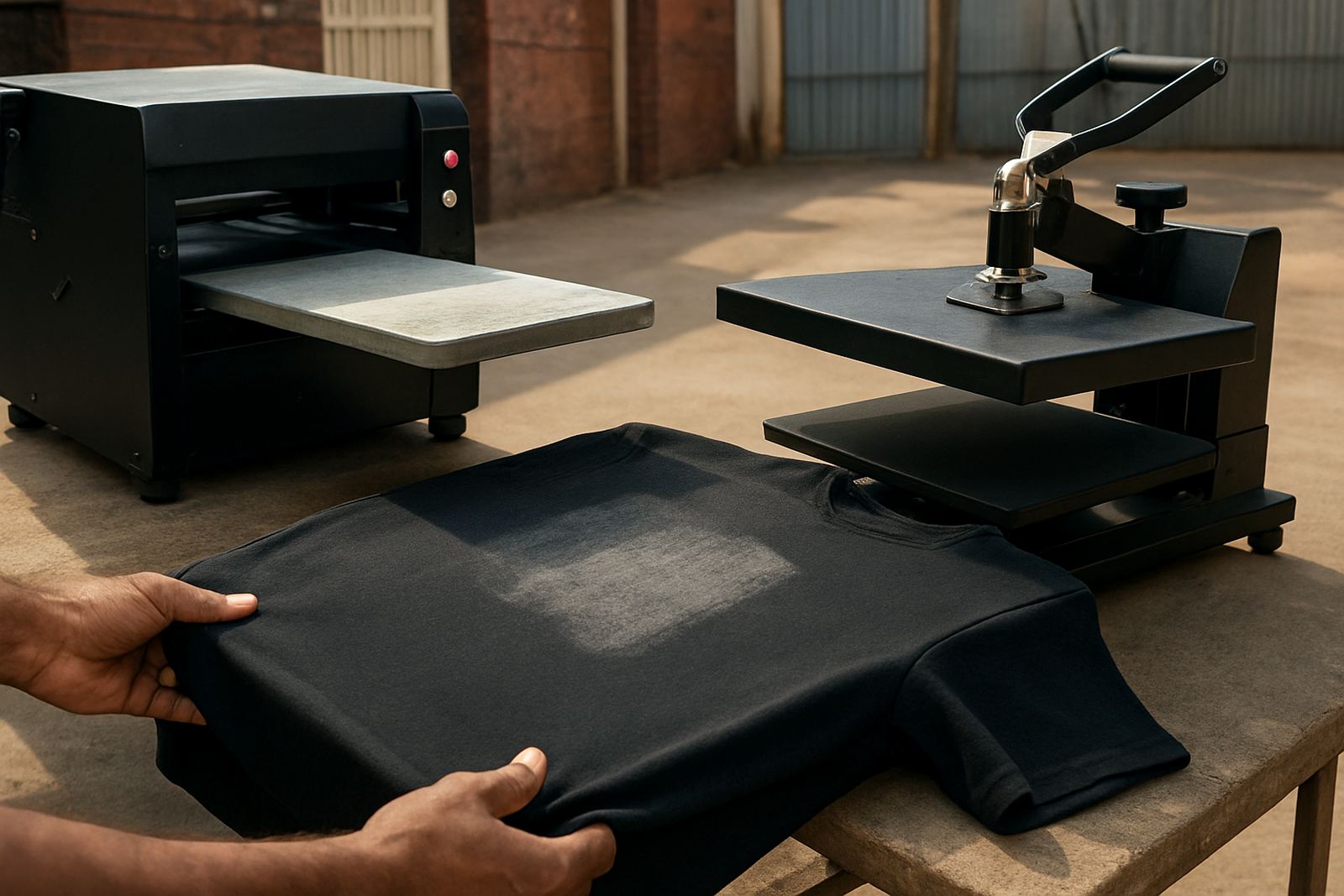
The most profitable short-run shops treat setup as a system, not a guess. If the right platen size, hoop and pretreatment method are ready before the garments arrive, the job starts cleaner and finishes faster.
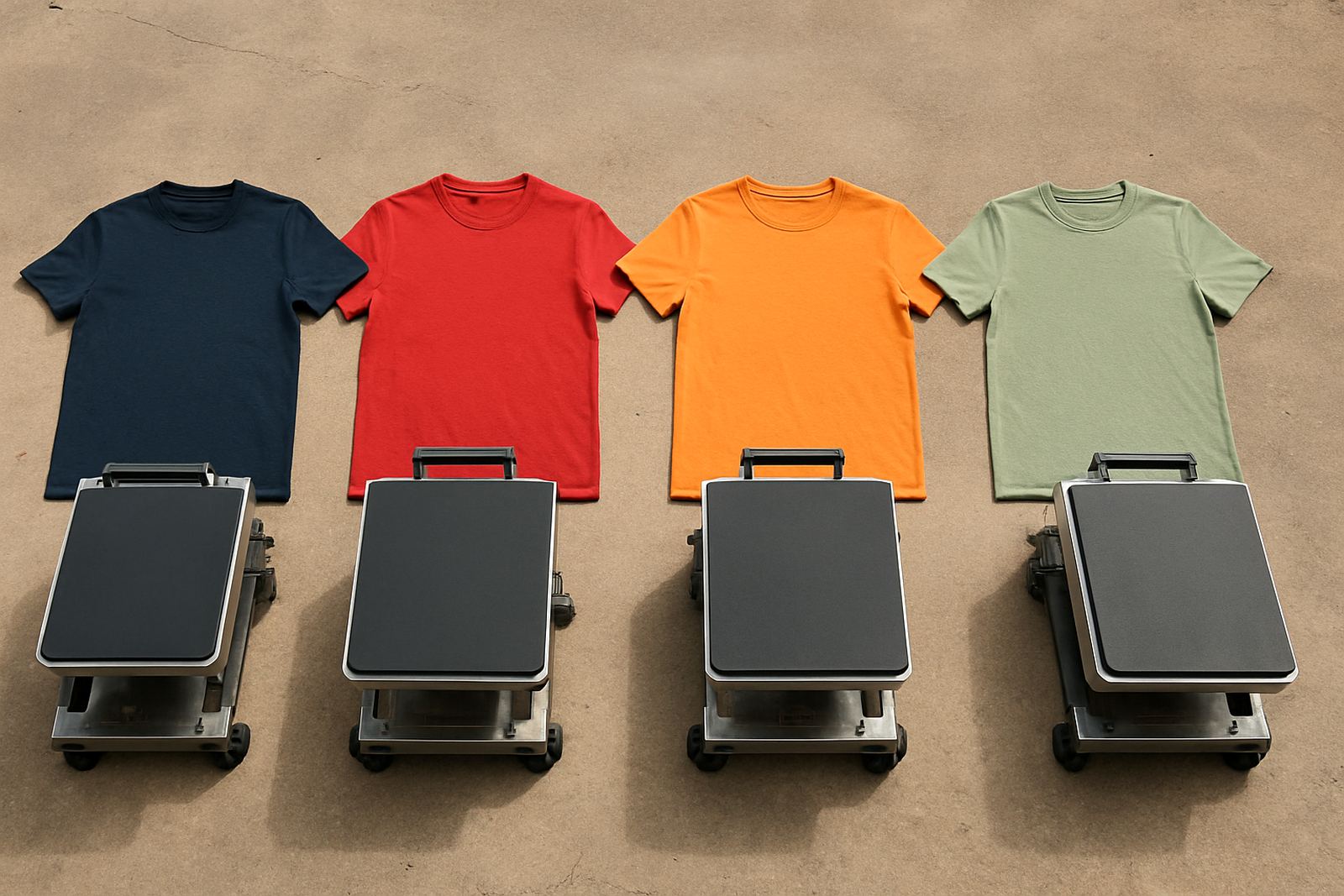
- Keep your most common platen sizes within easy reach for tees, hoodies and youth sizes.
- Label hoops and platens by garment type so the operator is not measuring from scratch each time.
- Use a fixed pretreat method for each fabric group: cotton, poly blends and dark garments.
- Test one sample before the batch, even if the order is only 8 or 12 items.
That kind of routine matters even more when load-shedding cuts into your day. If the power comes back and the team has to restart, a clear setup sheet saves time and avoids rework.
Match Equipment To The Order, Not The Habit
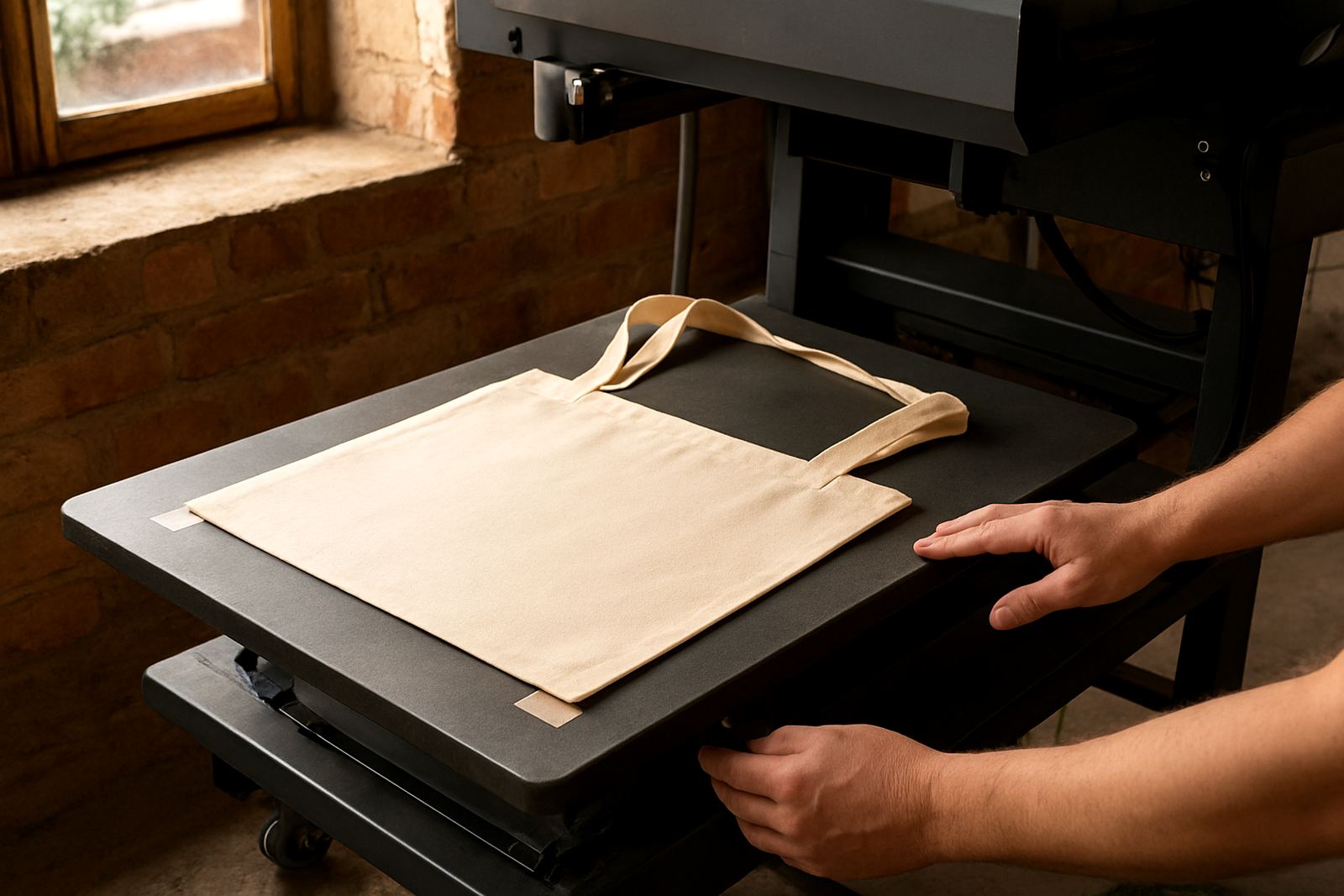
Many small shops default to the same platen for every job because it is close by. That works until the print shifts, the fabric stretches or the collar gets in the way. Matching the platen and hoop to the item gives better placement and less wastage.
For example, a 30 piece run of fashion tees for a Randburg retailer may need a different approach from 15 promotional shirts for a Pretoria East event. The first job may need finer alignment and tighter control on print location, while the second may need faster loading and consistent neck positioning. If you use the same method for both, one of them usually suffers.
- Use smaller platens for children’s wear, sleeves and narrow-cut garments.
- Reserve larger platens for oversized prints and heavyweight items.
- Check hoop tension before every short run, not after the first mistake.
- Keep a sample garment aside for set-up verification and colour check.
Pretreatment Discipline Protects Margins
Pretreat is one of the easiest places to lose money on low-volume work. Too much liquid creates marks and slows drying. Too little can leave the print looking weak, especially on dark garments or mixed fibres. On humid days in Durban, drying times change. In winter in Gauteng, the product can sit differently on the cloth. The shop needs a repeatable workflow, not a rough spray and hope method.
Short-run orders improve when the pretreat station is set for speed and consistency. That means measured application, a dry enough curing step and a simple check before printing. If the garment is not ready, do not force the print. It is better to pause for 2 minutes than to waste a shirt and rework the whole order.
Training Cuts The Hidden Waste
Small run efficiency depends on the operator more than the machine brochure ever says. A trained team loads faster, checks less twice and knows when to stop and reset before damage happens. In Crown Mines and the wider Johannesburg print belt, shops that invest in basic training usually handle mixed orders with less drama.
Training should cover the exact jobs your team sees every week. That includes platen installation, hoop setup, print alignment, pretreat workflow and what to do when a garment sits slightly off grain. It also helps to practise the awkward orders, not only the easy ones.
- Teach the first operator to set the job and the second to confirm placement.
- Use sample tests for new fabrics before the full batch starts.
- Record what worked on each short run so the next repeat order is faster.
- Review the workflow after busy periods, especially before season peaks.
One missed step on a 6 shirt order can wipe out the whole margin. It is a small error, but it costs as if it were a bigger job.
A Local Example From Crown Mines To Centurion
A shop in the Crown Mines area might receive a 20 piece order for branded tees on a Monday afternoon and need delivery to Centurion the next day. The order is not large enough to justify a long setup process, but it is too important to rush. The shop lays out the correct platen sizes, prepares the pretreat station, tests one sample and assigns one operator to loading while another checks alignment. The batch moves through with fewer pauses and less spoilage.
That kind of process is what keeps short runs profitable. It does not depend on a bigger team, just a cleaner method. If the same shop then gets a 12 piece rush for Sandton the following week, the same setup sheet can be used again with minor adjustments. The result is better timing, less waste and a steadier day on the production floor.
Build A Short-Run Routine You Can Repeat
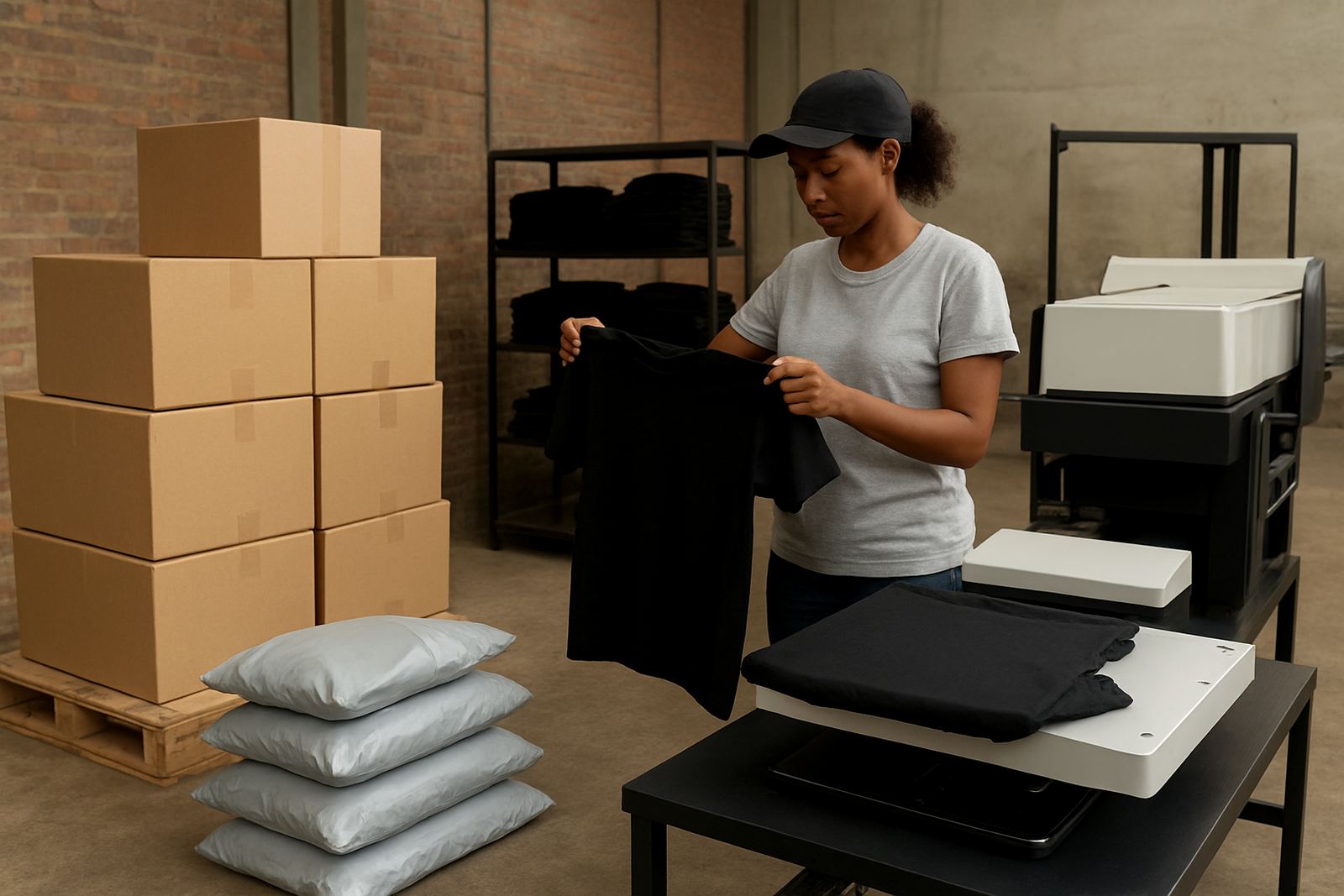
Short-run work becomes easier when your shop has a fixed routine for quoting, setup and delivery. Start by grouping garment types, assigning the right platen or hoop, and deciding how pretreatment will be handled before the garments arrive. Then make sure the team knows the order of work from intake to packing.
If your shop needs to tighten this process, the DTGrip team works with print businesses across Johannesburg, Midrand, Randburg, Pretoria East, Centurion, East Rand and Durban. Support can include sample testing, workflow review, onsite support visit, remote troubleshooting or production scaling advice through the enquiry form on our contact page. The aim is simple: less handling, less waste, better margin on every small order.
When the system is clean, a one-off order stops feeling like a disruption and starts acting like steady business. That is where short-run profit really comes from.