Why Winter Changes Garment Handling in Local Print Shops
In winter, garments often arrive colder, stiffer and with less natural moisture in the fabric. That matters because a cold shirt or hoodie can behave differently under pretreat, in the heat press and during curing. When the temperature drops in Crown Mines or across Pretoria East and Midrand, operators usually notice slower drying times and a bigger difference between items left in a store room and items brought straight into production.
For direct-to-garment work, the first issue is consistency. A garment that feels dry to the touch may still carry surface moisture from a cold warehouse or early-morning delivery. If that moisture is not managed, print results can shift from item to item. Winter is also a time when shops push harder to meet rush orders before year-end campaigns, so there is less room for trial and error.
- Keep incoming stock in a covered, dry area before printing
- Separate cold deliveries from ready-to-print garments
- Check how long each fabric type takes to dry before loading production
Pretreat Timing and Drying in Cooler Weather
Pretreatment is often where winter problems show first. In colder months, liquid can sit longer on the surface and the fabric may need extra care before going to print. That does not mean more product is always better. The key is even coverage, correct quantity and enough dry time for the garment type. On cotton tees, you may get away with a shorter cycle. On heavier fleece or blended items, especially for promo clothing, the shop may need to adjust the workflow.
If the pretreat stage is rushed, the press can trap moisture and leave the print looking dull or uneven. This is a common issue in small and medium print shops trying to keep up with seasonal orders. A winter workflow should account for the time between pretreating, drying and printing, then again between printing and final handling.
- Test the drying time for each fabric mix at the current room temperature
- Keep pretreat bottles and tools in a warm, dry place overnight
- Do not load freshly treated garments into piles before they are fully dry
Heat Press Settings and Garment Readiness
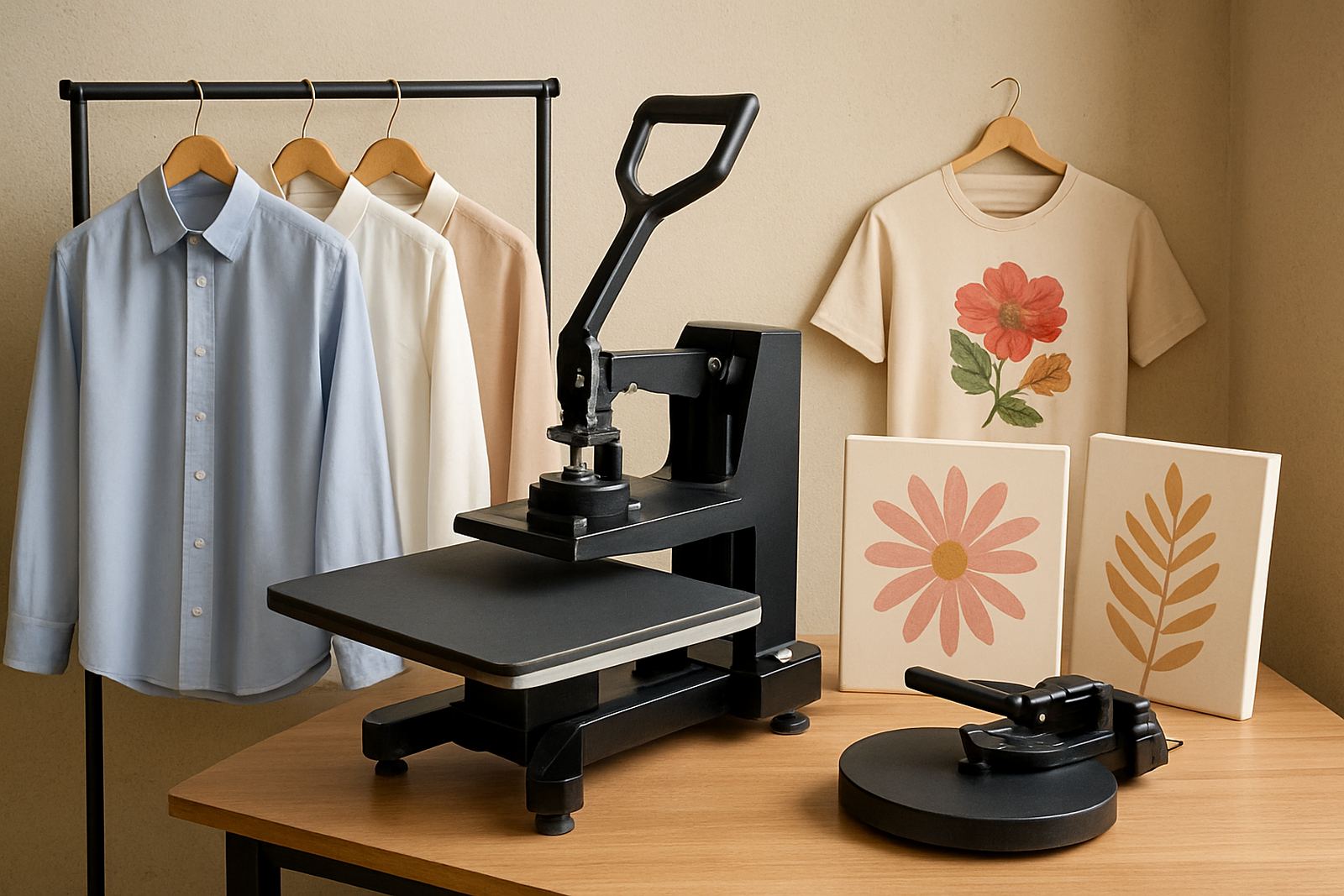
Winter is a good time to review press settings and loading habits. A press that works well in summer may need a slightly different rhythm in winter because the garment starts colder. What matters is not chasing a number, but checking the final result on the actual fabric being printed. If the print area is underheated or the garment is not properly aligned, you can end up with poor adhesion or a finish that does not hold up after washing.
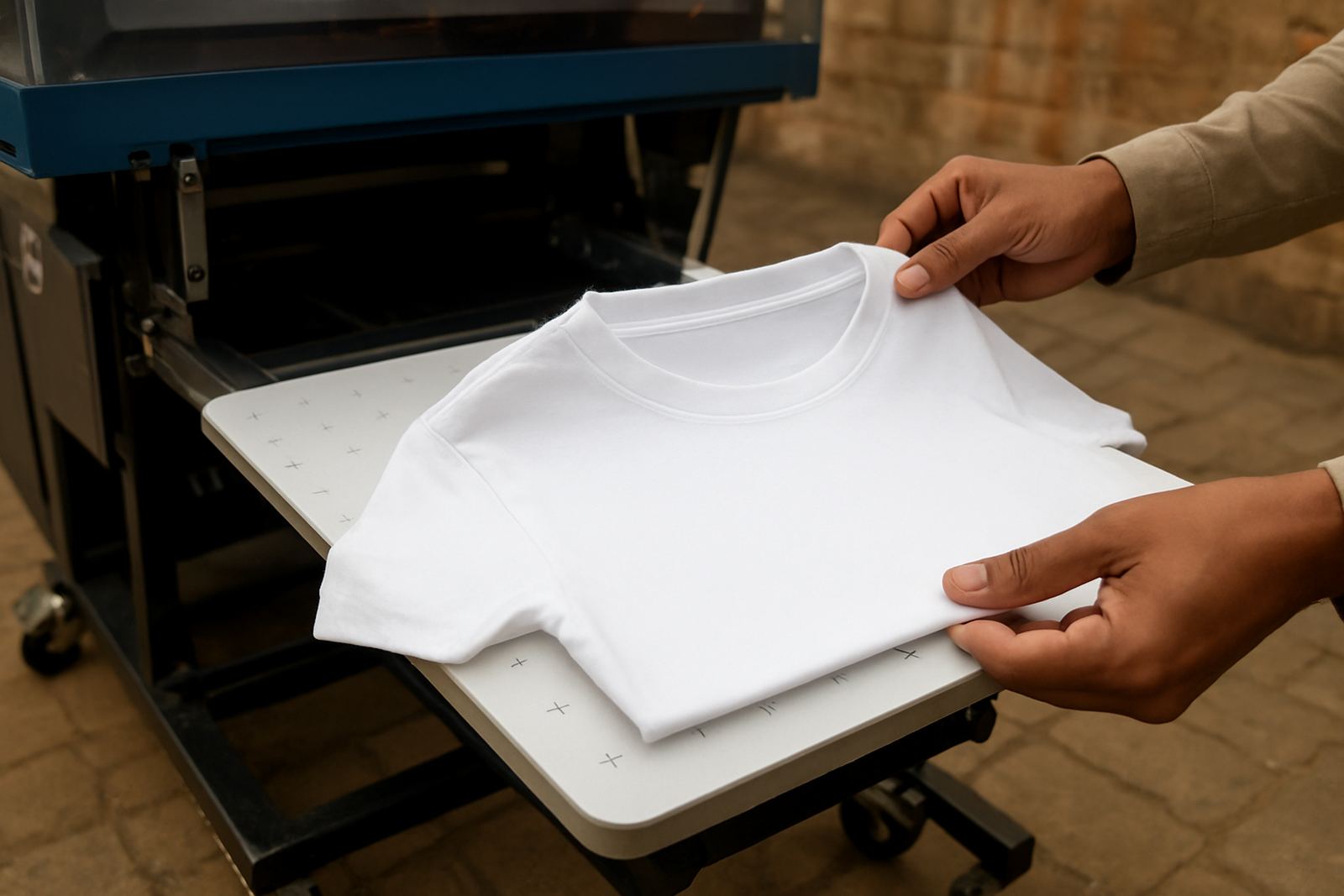
Garment readiness also includes the way the item is folded, stored and moved between stations. Cold garments crease more easily and heavy fabrics can shift as they warm under the press. Operators should take extra care with hoodies, caps and thicker promotional items. A small alignment fault in the morning can become a run of rejects by lunchtime if no one spots it early.
- Warm garments to room temperature before final placement
- Check platen contact on each size and fabric type
- Review whether sleeves, seams or hoods are affecting pressure
How Small Shops Keep Output Steady During Load-Shedding
Load-shedding adds another layer to winter production. When power drops, the room cools quickly, heating cycles stop and garments that were almost ready can become difficult to handle again. A printer that has to restart after a cut may also need a short recovery period before output stabilises. Shops that plan around this usually lose less time than shops that try to push through without a routine.
The best approach is to map the day around the likely power schedule and keep the most sensitive jobs close together. If you know a batch of pretreat work needs uninterrupted drying, start it when there is enough power to finish the cycle. If a remote troubleshooting call or onsite support visit is needed, it is better to solve the setup issue early than to lose the whole day to trial runs.
- Batch jobs that need the same drying or pressing conditions
- Keep critical consumables and tools ready before power cuts
- Use the first stable hour after restoration to verify output quality
A Local Winter Example from Crown Mines to the East Rand
Consider a Johannesburg print shop preparing a mixed order of cotton tees and heavier fleece tops for a winter campaign. The stock arrives early in the morning from the East Rand, while the workshop is still cold and the concrete floor has not warmed up. The team sets the garments aside for acclimatisation, checks pretreat coverage on the first few pieces and runs a sample before committing to the full batch.
By late morning, the press area is stable and the first items are printing cleanly. The team notices the fleece tops need a slightly longer drying window than the tees, so they split the workflow. The result is fewer rejects, cleaner handling and a smoother handover for courier collection the next day. That kind of adjustment is not fancy, it is just good shop discipline.
- Use one sample piece from each fabric group before full production
- Separate light cotton, heavy fleece and blended garments into different queues
- Record what changed so the same setup can be repeated next week
Simple Checks That Save Time All Season
Winter is easier when the team follows a short checklist every day. The aim is to spot small changes before they affect the line. That includes checking platen fit, garment storage, pretreat handling, drying time and first print quality. If any of those shift, the whole job can slow down. A seasonal review also helps when new staff come in or when production is scaled up for extra demand.
For shops that need practical support, a workflow review, operator training or seasonal reconfiguration can make winter less stressful. The right setup is usually not about adding more equipment, but about using the existing setup properly for the conditions. That may include new shop planning for a growing team, or remote troubleshooting when a process changes and the first few jobs are not landing as expected.
- Check room temperature before starting the first run
- Confirm garments are fully dry before printing or packing
- Review the first finished item before releasing the batch
Winter does not have to slow production down. It just asks for better timing, cleaner handling and a more careful eye on the steps between pretreat, print and pack. When those basics are in place, the shop stays steady and customers get work that is ready to wear, not just ready to leave the machine.