
Why platen size changes the whole job
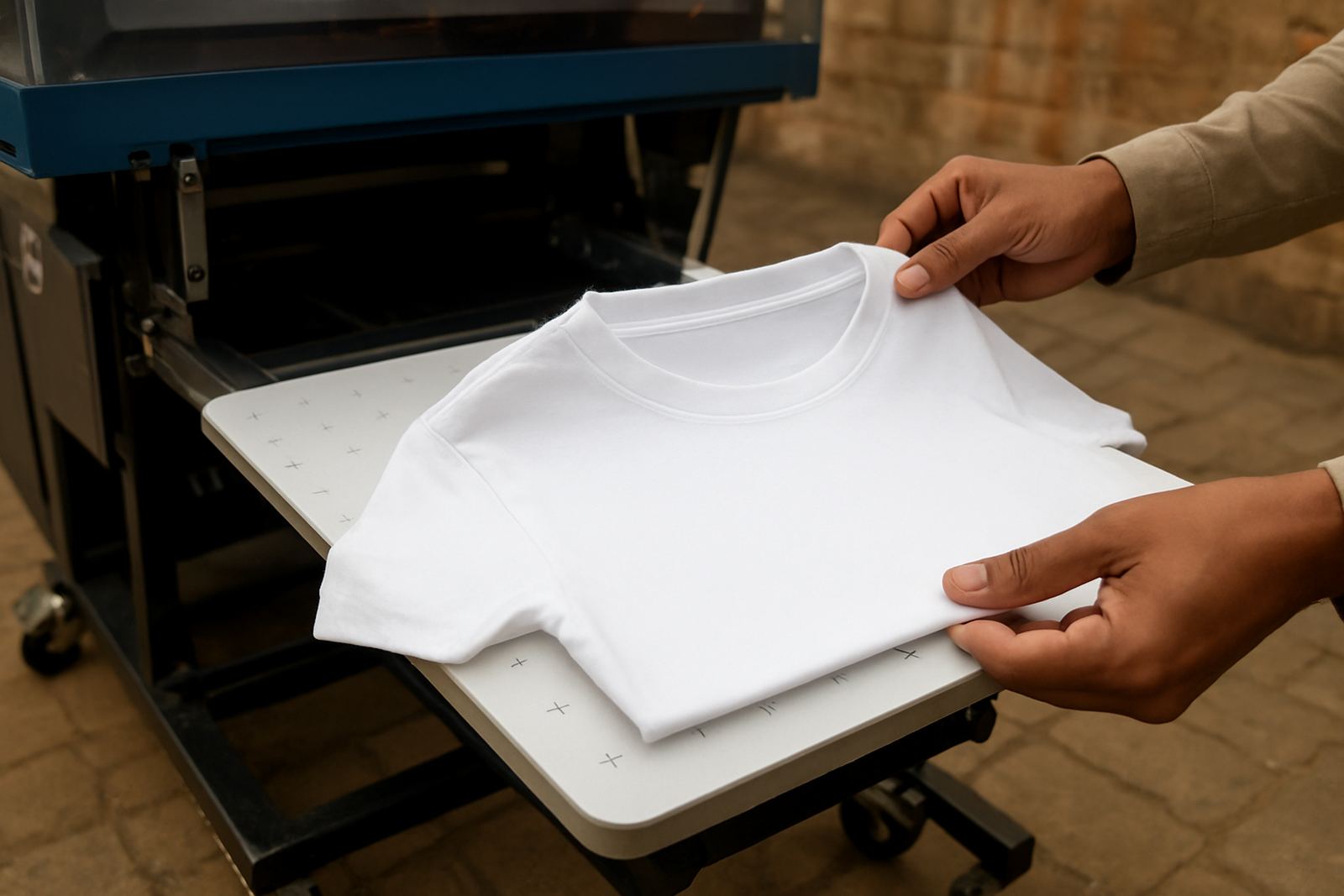
When a garment sits properly on the platen, the print area stays flatter, the seams are less likely to shift and the operator can place the artwork with more confidence. If the platen is too small, the fabric hangs over the sides and creeps during loading. If it is too large, the garment can move around too much, and you spend extra time adjusting sleeves, collars and side seams.
In a busy shop in Crown Mines or Midrand, that difference shows up fast. A platen that suits the garment size helps the press cycle move quicker, which matters when you are running promotional orders, schoolwear, or small batches for a fashion label. It also helps when load-shedding or power interruptions break concentration, because the setup is simpler to repeat once power is back on.
The main point is simple: the platen should support the garment without stretching it. That gives you a flatter print surface and better placement on the chest, back or sleeve. It also reduces the little problems that lead to reprints and extra labour.
Match the platen to the garment, not just the print file
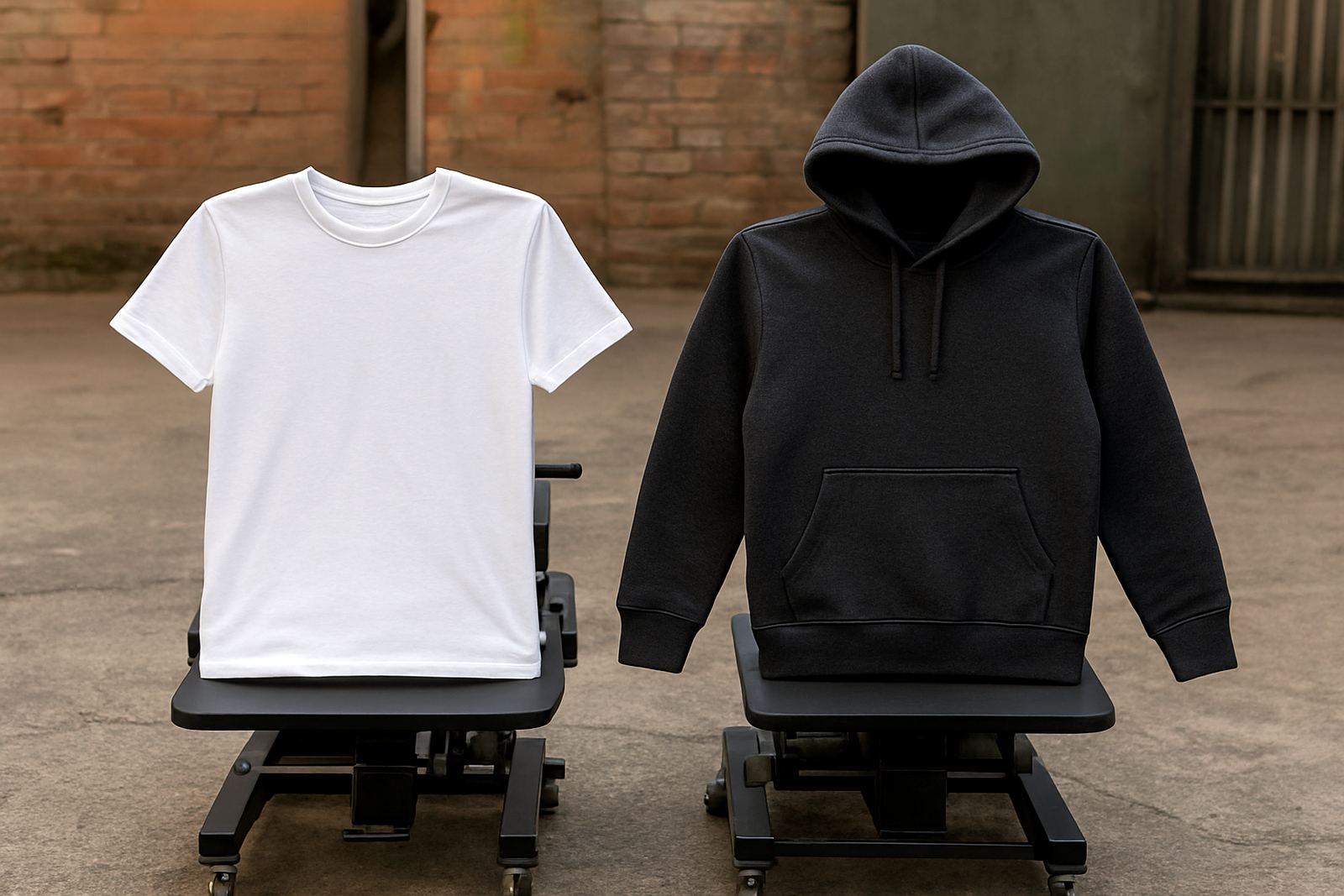
Many shops choose a platen based on the artwork size alone, but that is only part of the picture. A large front print on a small T-shirt still needs a platen that suits the shirt size and seam position. A medium platen may work for standard adult tees, while smaller platens are better for youth sizes, fashion cuts and items with narrow bodies.
For hoodies, long sleeves and thick workwear, the fabric weight matters too. A bulky fleece hoodie often needs a wider support surface so the body stays even under the platen pressure. On lightweight cotton, a smaller platen can help keep the print area tidy and stop the shirt from sliding.
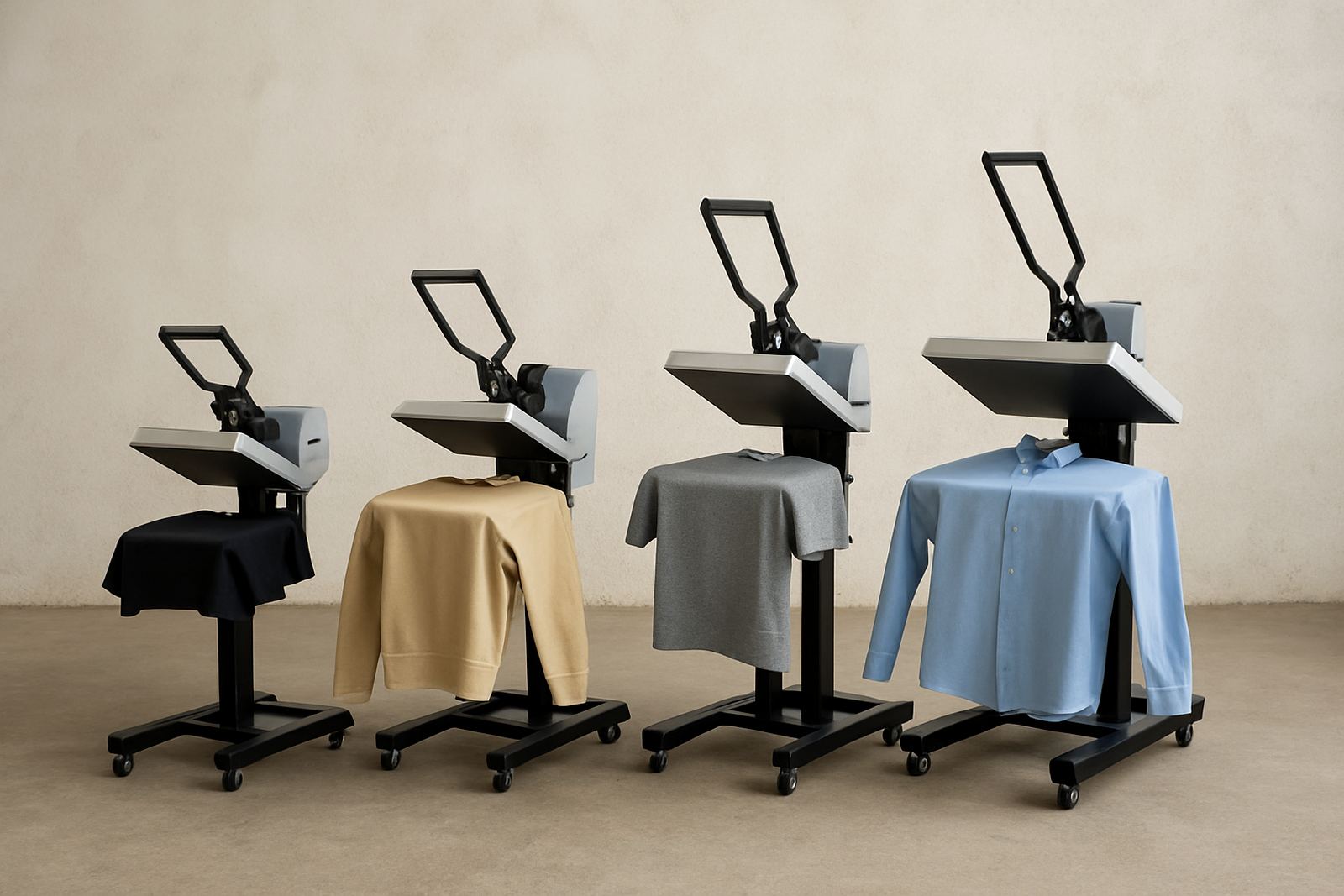
- Small platens suit youth garments, ladies fashion cuts and sleeve work.
- Medium platens are useful for standard tees and many promotional items.
- Large platens help with oversized garments, hoodies and broad front prints.
- Special shape platens can help with pockets, caps, sleeves and awkward seams.
If your work mix changes through the week, it may make sense to keep more than one platen on hand. That gives you options for quick switching between garment types without forcing every item onto one size that is only half right.
What local print shops should consider before buying
Johannesburg shops often handle mixed work: fashion drops, corporate uniforms, sports clubs and event merchandise. That means platen choice should follow your actual production pattern, not just the most common T-shirt size. A shop in Sandton may do more premium cotton tees and fitted garments, while a workshop in Randburg or the East Rand might handle heavier promotional wear and staff uniforms.
Before choosing, look at four practical things: garment sizes, fabric types, operator speed and the amount of space around the press. If your team is loading garments all day, a platen that is too large can slow them down. If the platen is too tight for the garment, the neck and shoulder area may lift and affect the print position.
- Check the size mix in your last 20 orders, not only the biggest order.
- Look at seam placement, hood bulk and stretch fabric before choosing a platen.
- Measure the loading space around your heat press and pretreatment area.
- Plan for the jobs you want next season, not only current demand.
We also find that humidity on the coast and dust inland can affect how operators handle garments and pretreatment. A platen that holds the garment steady makes the process more repeatable, even when shop conditions shift during the week.
Operator speed improves when the platen is easy to load
Speed in garment decoration is not only about pressing faster. It starts with loading the shirt, smoothing the fabric and lining up the print area. When the platen size matches the garment, the operator does less fighting with the fabric. That saves seconds on every piece, and over a full run those seconds matter.
A well chosen platen also reduces fatigue. Operators do not need to keep tugging at sleeves or re-positioning the hem. That is useful for shops in Pretoria East or Centurion where a team may be moving between client orders, sample pieces and repeat runs through the same shift. It keeps the workflow steadier and less stressful.
On a practical level, the right platen size helps with:
- faster loading and unloading
- cleaner chest placement and repeatable alignment
- less garment distortion during pretreatment and pressing
- fewer misprints caused by shifting fabric
It is also easier to train new staff when the platen range is logical. A new operator can learn which platen suits which garment, instead of guessing and hoping the placement is right. That makes training more useful from the first week.
A Johannesburg example: the right platen saves rework
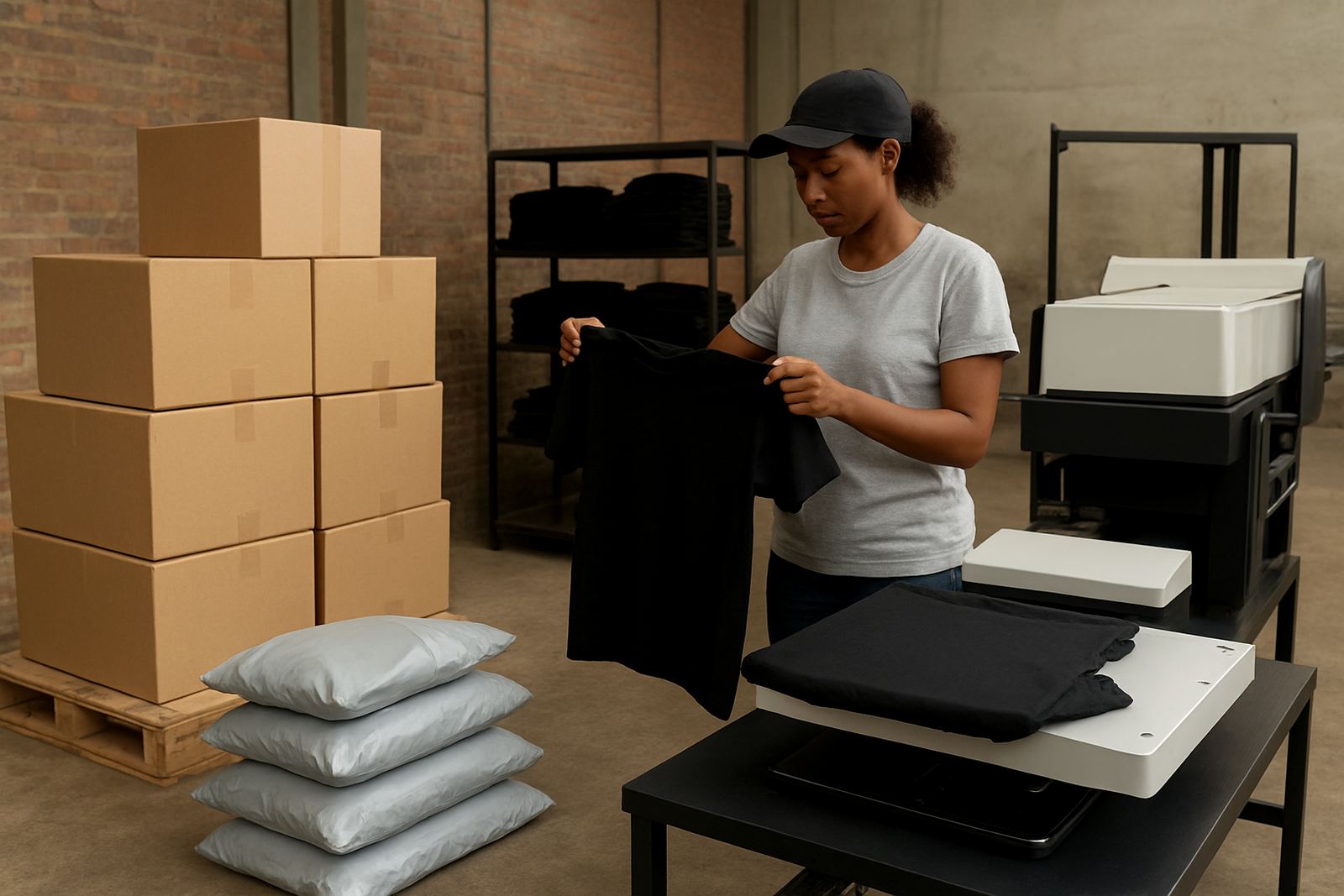
Consider a print shop in Crown Mines handling 40 to 80 mixed garments a day. Monday may bring adult tees for a corporate run, Tuesday may bring hoodies for a sports club, and Wednesday may be sample testing for a fashion client. If the shop uses one platen for everything, the team keeps adjusting and checking each piece. That is where delays creep in.
Once the shop sets up a small set of platens for the main garment types, the process becomes easier to repeat. The adult tee runs quicker on the right platen, the hoodie sits flatter with less bunching, and the sample pieces are easier to place accurately. The result is not just a better print, but a smoother day on the floor.
For businesses that courier jobs nationwide, this matters even more. A print shop in Durban may expect same-day turnaround on a restock, while a Pretoria client may want consistent placement across multiple sizes. Choosing the correct platen size helps the team meet both requirements without extra rework.
A simple way to choose your platen set
If you are not sure where to start, build your platen choice around the garments you print most often, then add one or two sizes for special jobs. Start with your highest volume items, then look at support for hoodies, youth garments and sleeve work. That gives you a practical setup without overbuying equipment you will barely use.
Use this quick checklist before you decide:
- List your top five garment types by volume.
- Note which jobs give you the most placement errors.
- Check whether operators struggle more with loading or alignment.
- Match platen sizes to production, not just to artwork dimensions.
If you want help reviewing your current setup, DTGrip works with print shops across Johannesburg, Sandton, Randburg, Midrand, Pretoria East, Centurion, the East Rand and Durban. Clients reach us through the enquiry form on our contact page, and we can help with platen selection, workflow review, sample testing and production scaling. A short review now can save a lot of wasted garments later.