Why fabric weight changes the whole load path
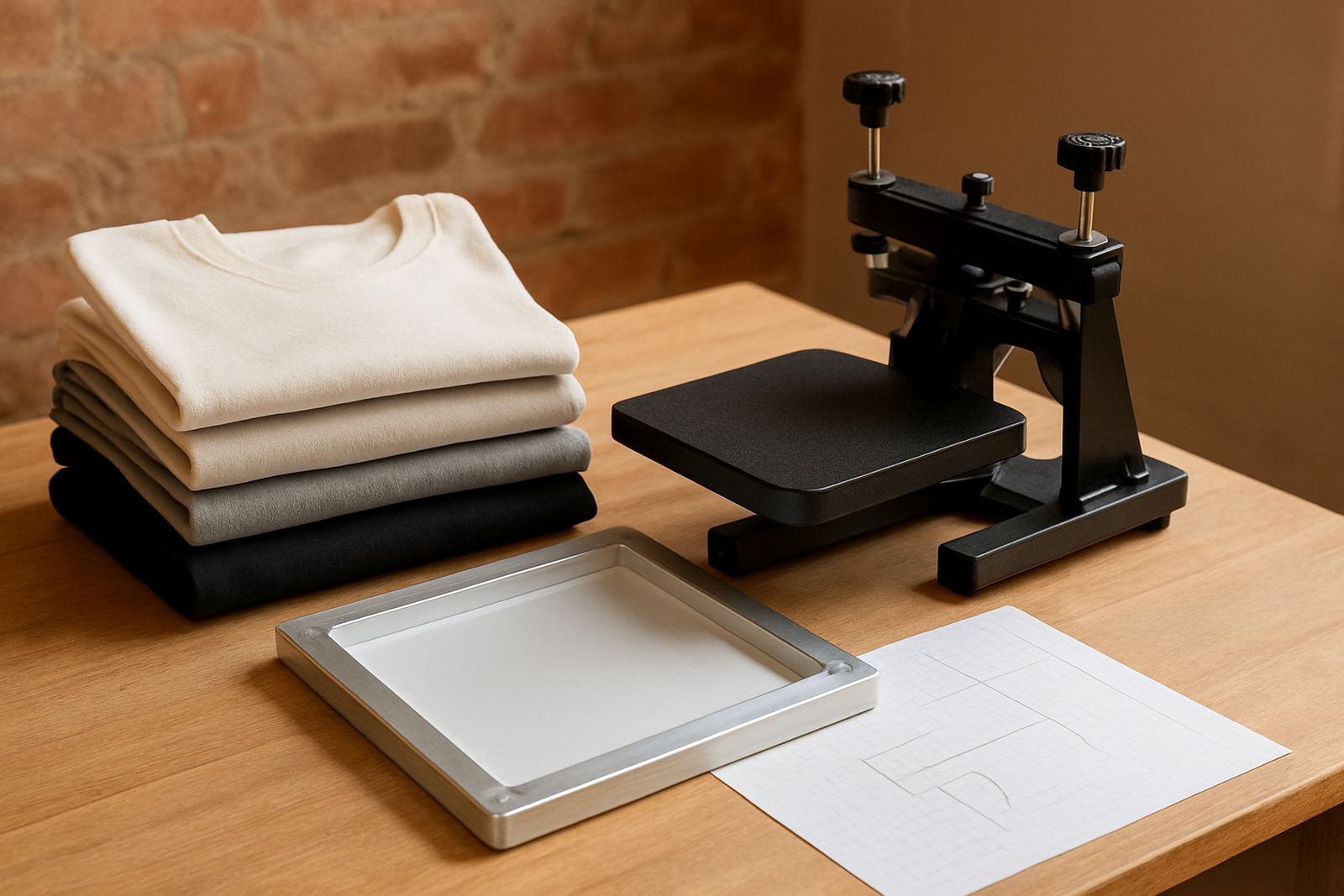
Every garment puts a different load on the platen. A light summer tee settles flat with little resistance, while a heavy sweatshirt or thick cotton hoodie can lift at the seams, pull against stitching and create small air gaps under the print area. Those gaps matter because DTG printing depends on even contact. If the garment is not supported properly, the print head pass can leave faint banding, uneven ink laydown, or a dry feel where the ink did not sit consistently on the fibre.
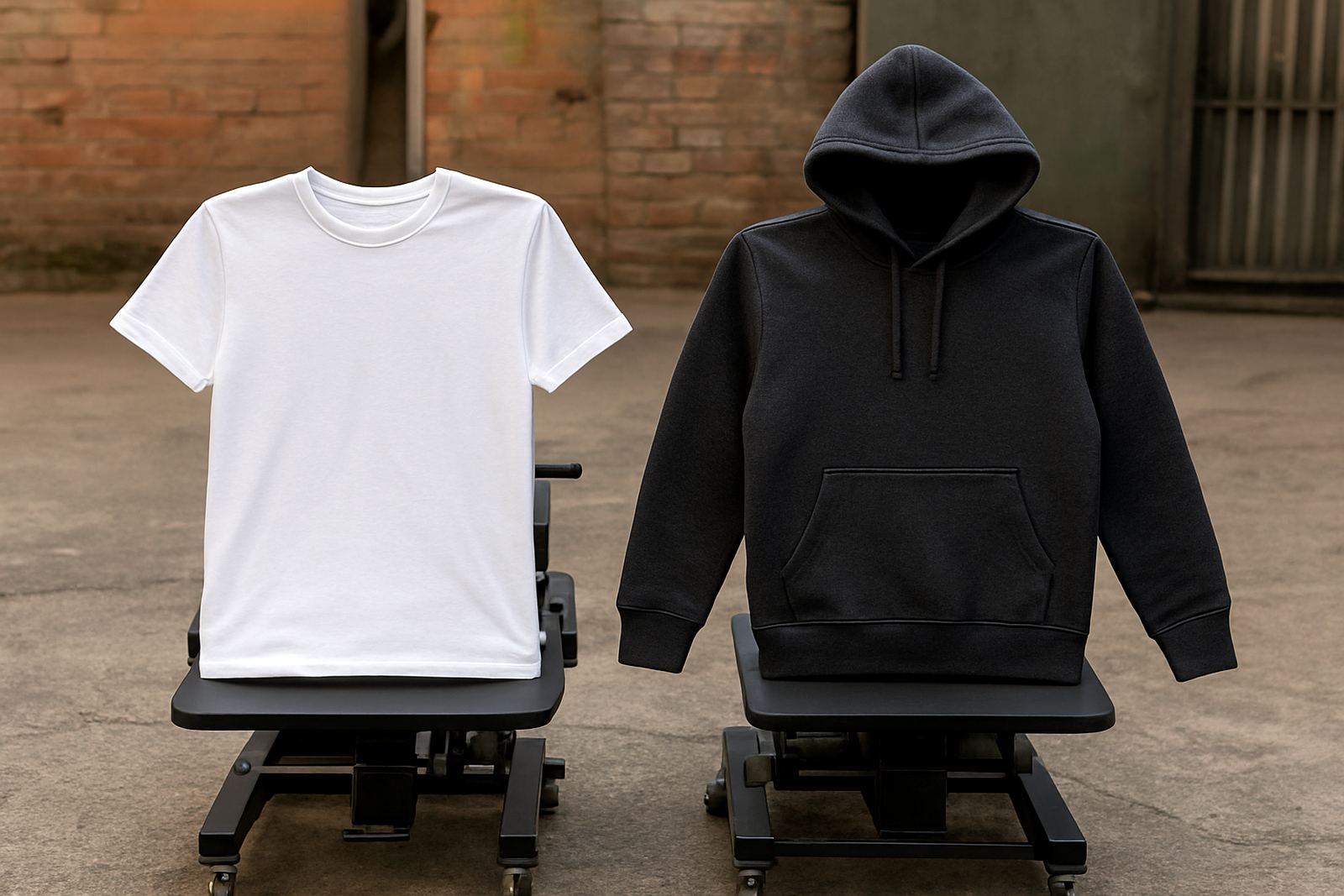
The issue is not only thickness, but also structure. Jersey knits, brushed fleece, ribbing and blends all behave differently under pressure. A 160 gsm cotton tee will load very differently from a 320 gsm hoodie. That means the platen size, support height and loading method need to change with the fabric, not just the artwork size. On busy production days, that extra attention saves reprints and keeps operators from chasing the same job twice.
Matching platen size to garment weight
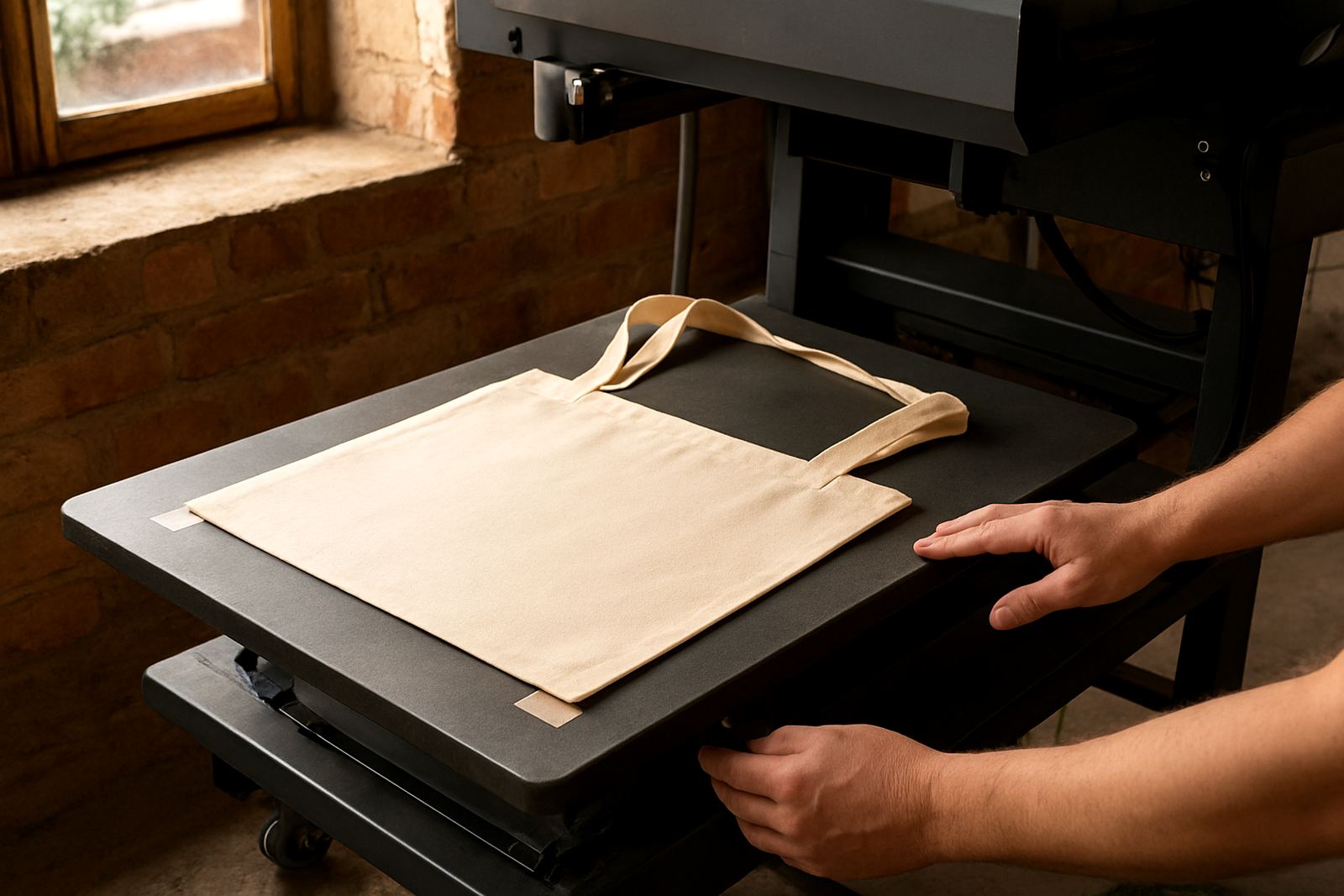
For lighter garments, a standard platen with clear edge control is usually enough. The garment lies down easily and the operator can smooth it without forcing the collar, seams or side panels. With heavier garments, especially thick fleece or long-sleeve tops, a larger support area often gives better control because it spreads the load and keeps the print zone from sagging. This is where many shops in Johannesburg, especially those handling corporate clothing and schoolwear, start to see the value of having more than one platen option.
Think in terms of how much of the garment needs to be held in a stable position during the print cycle. A fitted ladies tee may need a narrower support profile. A heavy hoodie may need more front support and a little extra clearance around the pocket area. If the garment is forced onto a platen that is too small, the fabric can stretch unevenly. That affects registration and can leave the print sitting slightly off-centre or looking distorted once the shirt is taken off.
- Use smaller platens for light tees, kidswear and fitted garments.
- Use wider support for hoodies, sweat tops and heavier cotton blends.
- Check side seam pressure before each run to avoid stretch marks.
- Keep a quick reference chart for gsm, fabric type and platen choice.
Loading pressure and the danger of over-compression
Some operators think firmer is always better, but with DTG that can be a mistake. Too much pressure on a thick garment can flatten texture, squeeze moisture unevenly and create a harsh print feel. On the other hand, too little pressure leaves the fabric floating and the print loses definition. The right setting is the one that holds the garment steady without crushing the pile or distorting the weave. A small adjustment in loading height can make a bigger difference than changing the artwork profile.
Coastal humidity in Durban can also change how garments behave, especially in the morning when stock comes out of storage. Damp fabric compresses differently from dry fabric and may need a slightly different setup before pretreatment or printing. In winter in Pretoria East, the opposite happens and dry garments can feel stiffer on the platen, so the operator may need to recheck tension and alignment before the first print of the day.
- Test pressure on a sample garment before starting a batch.
- Watch for seam lift, pocket drag and shoulder tension.
- Adjust platen height if the print area feels uneven or springy.
- Do not assume one pressure setting suits every fabric weight.
Pretreatment and thickness should be planned together
Garment thickness affects more than loading. It also changes how pretreatment spreads and how deeply it sits on the fibre. A light tee can absorb spray quickly, while a thick cotton fleece may need more careful coverage to avoid patchy ink response. If the pretreat layer is too heavy on a lighter fabric, you can get overspray marks or a stiff hand feel. If it is too light on a heavier garment, the print can look dull and inconsistent after curing.
For shops doing mixed production, it helps to separate pretreat workflow by fabric type. That does not mean every order needs a full production line shift, but it does mean the operator should know when a hoodie needs extra attention and when a thin fashion tee should be handled gently. Sampling is useful here. A quick test on the real garment weight can show whether the support, spray pattern and drying time are working together or fighting each other.
Seasonal production changes in South African print shops
Many shops in Crown Mines, Randburg and Midrand see their garment mix change through the year. Summer brings lighter promotional tees, event shirts and retail basics. Winter shifts the work towards hoodies, sweat tops and thicker workwear. If your platen setup is fixed and your loading method never changes, production slows down exactly when orders get more varied. That is why a seasonal reconfiguration makes sense for most busy decorators.
In practical terms, this means checking platen sizes, support blocks, table height and operator routine before the busy season starts. It also means planning for load shedding. When power cuts interrupt curing or drying time, garments can sit longer before pressing, which affects moisture levels and support feel. A well planned workflow keeps the garment moving from prep to print with less handling, and less handling usually means fewer mistakes.
A Johannesburg example: mixed garment runs in one week
A print shop in Crown Mines might start Monday with 100 light cotton tees for a promotion, then move on Tuesday to 40 heavy hoodies for a school sports order. The same operator may also need to print a few premium polo shirts with thicker collars and firmer side seams. If the platen support stays the same for all three jobs, the shop will likely spend extra time adjusting each shirt by eye. That slows production and makes alignment harder to keep consistent across the batch.
Once the shop matches platen support to garment weight, the difference is easy to see. The light tees sit flatter, the hoodies stop lifting at the seam line, and the polo shirts load more predictably. The operator works with less effort, the print area stays more stable and the final finish looks cleaner. It is a simple change, but in a local production environment where courier collections, rush jobs and small reprints all happen in the same day, that simple change can save real time.
- Group orders by fabric weight before setup starts.
- Keep notes on which platen works best for each garment type.
- Review problem jobs to spot support or loading issues early.
- Train new operators to feel the difference between light and heavy fabrics.
What to check before you run the first shirt
Before the first print of the day, check whether the garment sits level, whether seams are clear of the print zone, and whether the support is holding the cloth without strain. If the shirt feels uneven at the edges, fix that before pretreatment or printing. It is much easier to correct a load problem at the setup stage than after a batch has already gone through the printer.
For shops scaling up in Sandton, Centurion or the East Rand, a small production review can help identify where thickness is slowing the floor. Sometimes the answer is a different platen. Sometimes it is a better loading routine or a short training refresh for the operator. Either way, garment thickness should be treated as part of the print specification, not an afterthought.
When the support matches the fabric weight, the job becomes steadier, the prints look more consistent and the team wastes less time on corrections. That is the practical difference between guessing and setting up with care.