
Why a level surface changes the whole print
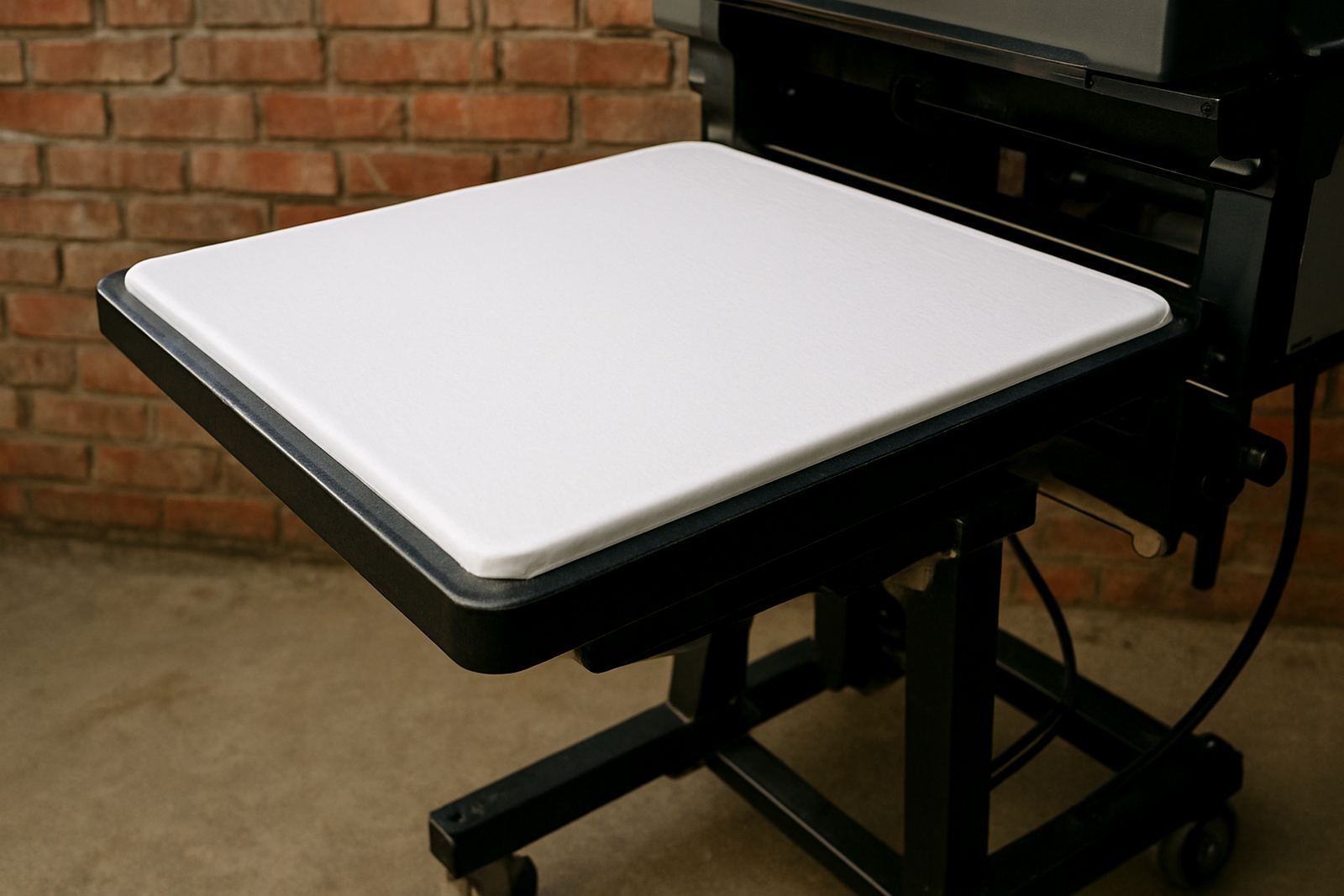
Flatness is not a nice-to-have in garment printing, it is the base that everything else depends on. If the shirt stretches unevenly across the platen or a hooped panel sits higher on one side, the print head is no longer working at a consistent distance. That affects laydown, sharpness and curing in ways that are easy to see on light garments and even more obvious on dark cotton.
In a busy shop, operators often blame ink, pretreat mix or curing temperature first, but the real issue can be the loading surface. A slight tilt can cause the front of a design to look fine while the back edge looks grainy or washed out. On larger artwork, the effect becomes more noticeable because the printer has to travel across a wider area. If the load is stable, the same file can be repeated from job to job with far less adjustment.
What uneven loading looks like in day-to-day production
Most print shops spot flatness problems only after a few spoiled garments. The signs are usually small at first, then they start costing time. You may see the fabric creeping during the first passes, a collar sitting too high, or a hoodie pocket rising into the print zone. On some jobs, the image will appear slightly softer on one side because the platen is not holding the garment square.
- Raised seams or thick hems pushing the print surface up
- Garments shifting when the operator closes the platen or frames
- Pretreat pooling in one area instead of spreading evenly
- Ink misting at the edges where the gap is too wide
- Inconsistent results between small, medium and oversized garments
These issues are even more common when a shop is moving quickly between fashion orders, promotional T-shirts and bulk staffwear. If the setup changes from one garment type to the next without a proper check, repeatability drops fast.
Platen choice should match the garment, not the other way around
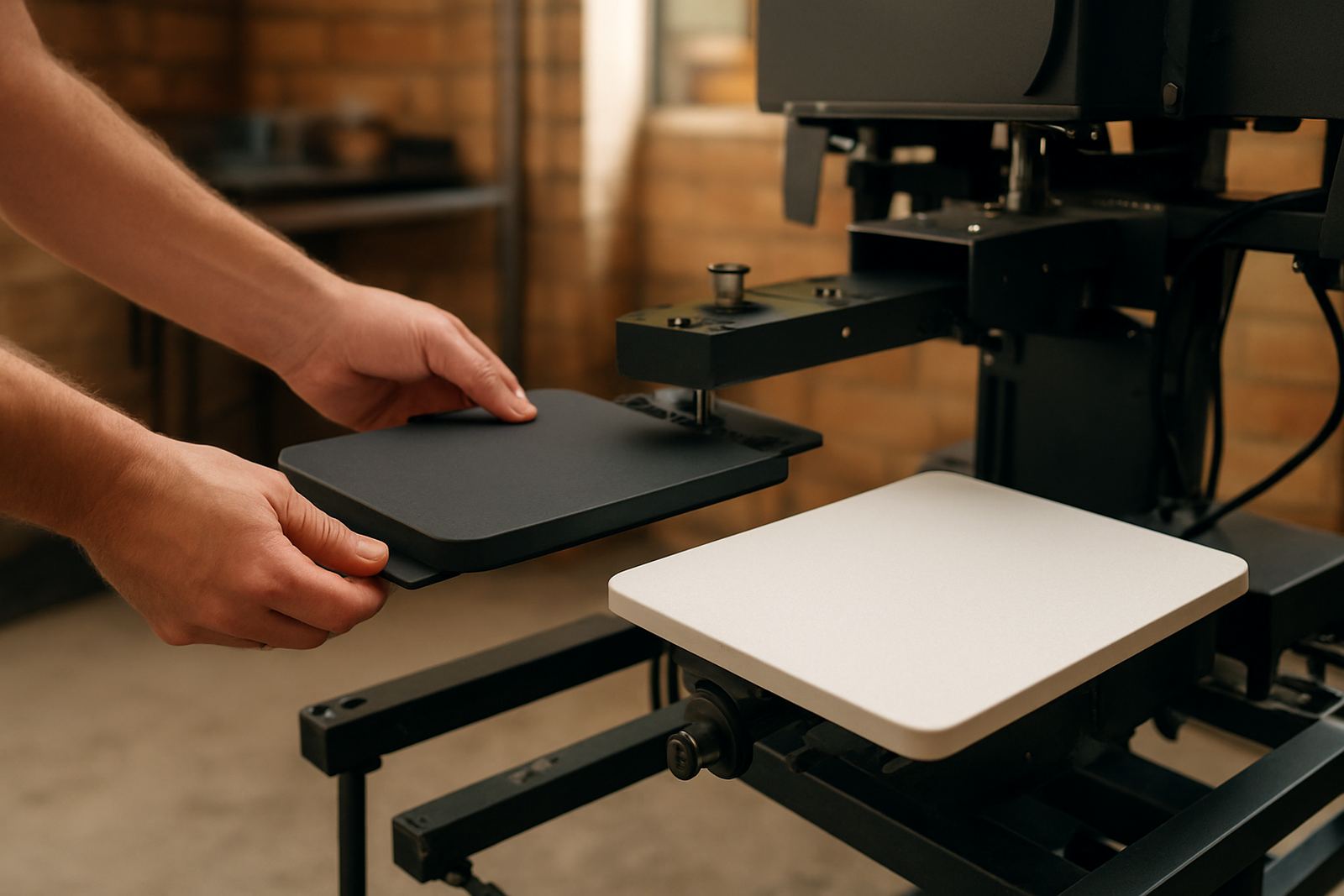
One of the simplest ways to improve flatness is to use the right platen size for the job. A small chest print on a child tee does not need the same support as a full front on an oversized adult garment. The garment should rest naturally on the platen with enough support under the print area, but without being stretched thin.
When the platen is too large, operators often have to pull the shirt tighter just to keep it in place. That introduces tension and can distort the weave. When the platen is too small, the print area may sag or bridge over seams. The best setup is the one that matches the panel size and gives the operator a clean loading line every time.
- Use smaller platens for youth sizes and left chest jobs
- Use wider platens for oversized fashion tees and long body garments
- Keep a separate setup for hoodies, especially when kangaroo pockets are involved
- Check that the garment edge sits square before pretreating or printing
Hoops and frames are not just for embroidery shops
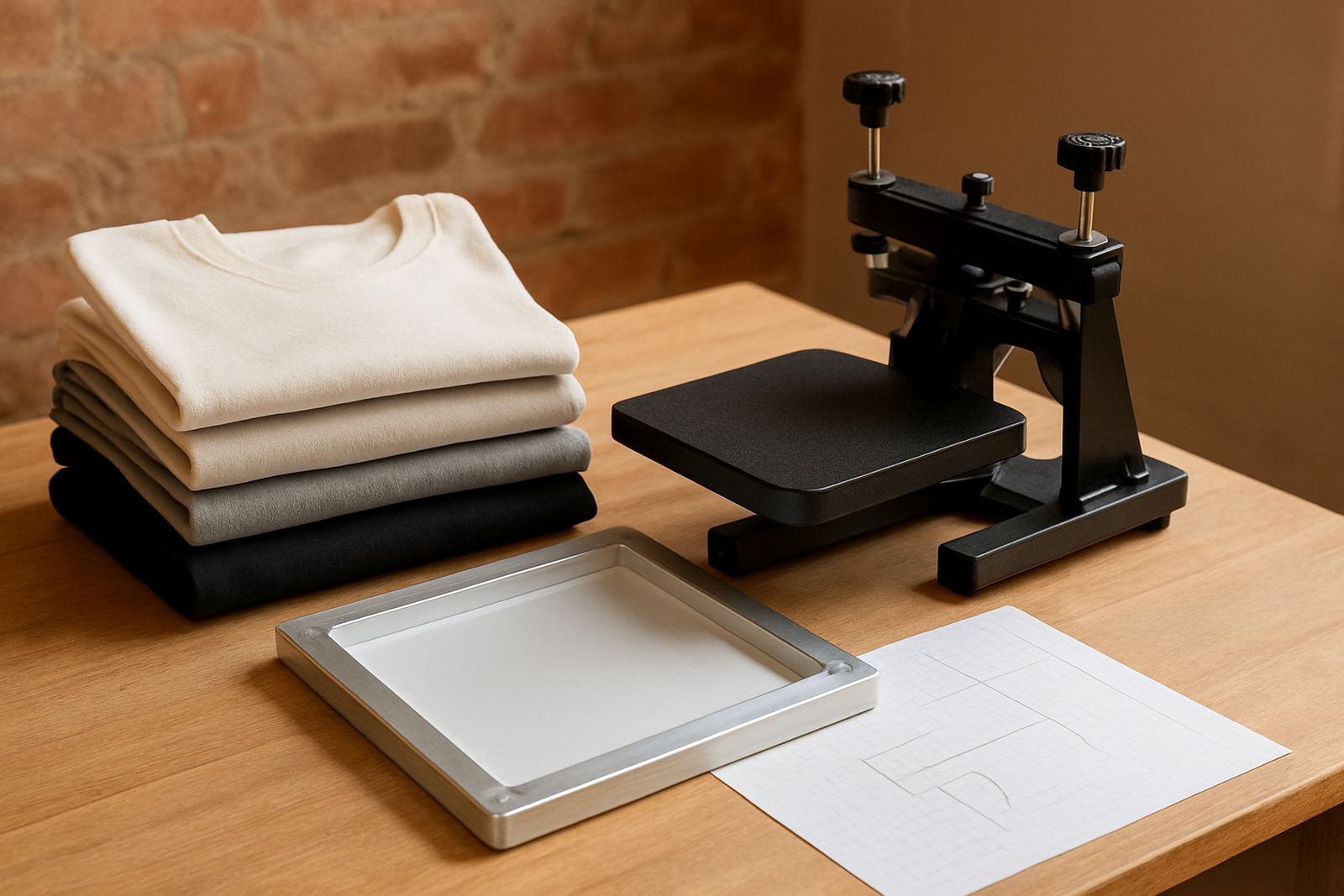
In DTG and hybrid production, hoops and support frames can make a big difference where the garment needs to stay motionless. They are especially useful on slippery performance fabrics, side seams, and items that tend to curl at the edges. The job is not to squeeze the garment hard, but to keep the print area stable and level while the rest of the item sits naturally.
At DTGrip, we often see shops in Johannesburg, Sandton and Midrand dealing with mixed production runs where the operator has to switch between T-shirts, golfers and lightweight hoodies in the same shift. That is where a simple, repeatable hoop setup helps. It reduces handling time, keeps the front panel consistent and makes it easier for new staff to get the same result as experienced operators.
For shops doing contract work or seasonal promo runs, a well planned hoop system also helps during busy periods when there is no time to keep rechecking every garment from scratch. In a city like Johannesburg, where power interruptions and rushed turnaround times are part of normal trading, consistency saves more than labour, it saves the order.
Pretreat application only works properly on an even surface
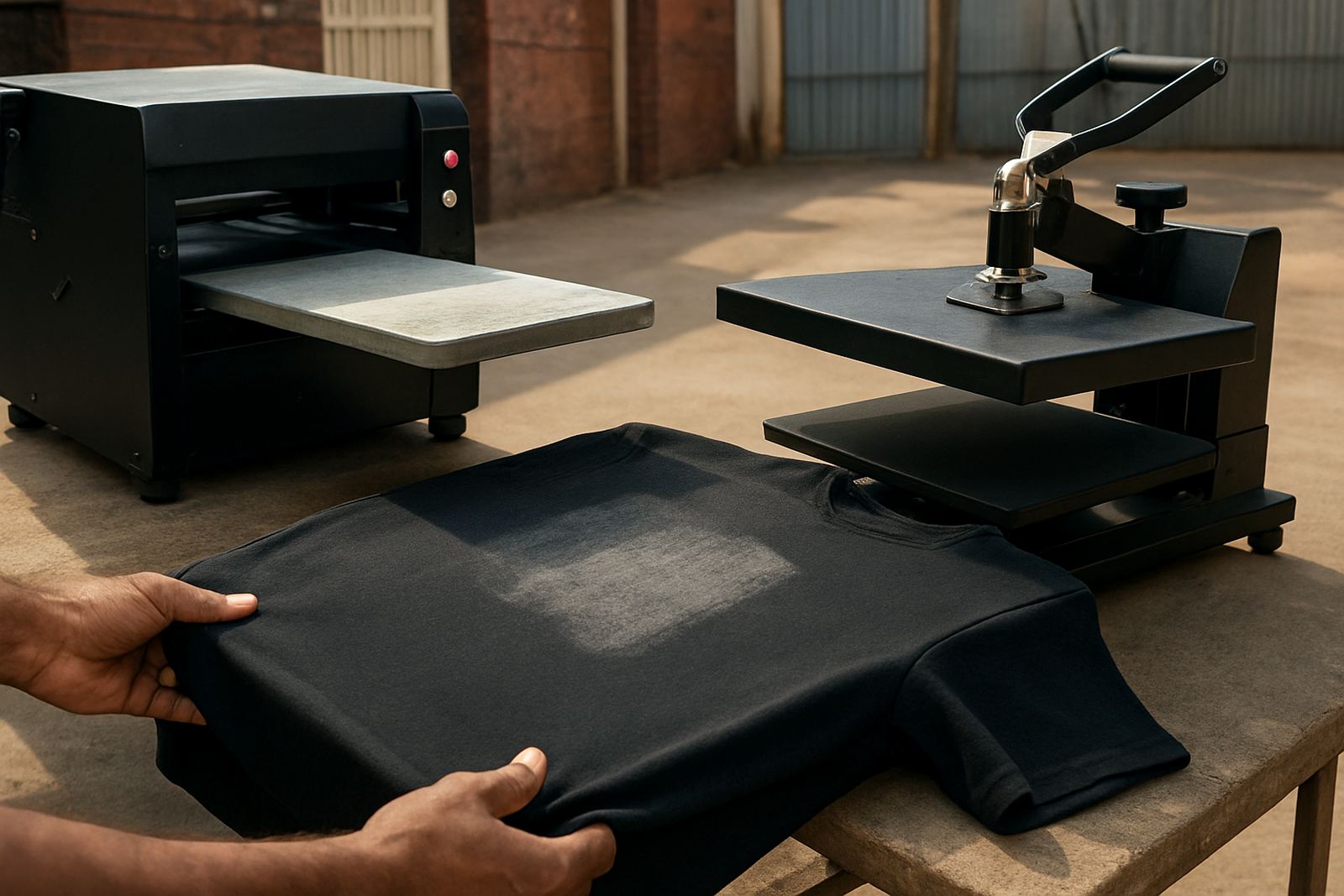
Pretreat is often treated as a chemistry issue, but surface level matters just as much. If the garment is wrinkled, bowed or sitting unevenly, the spray pattern can be thrown off before the press even starts. That leads to marks, patchiness or a spotty print after curing. On dark garments, you may also see a visible difference in the whites and lighter colours because the underbase does not sit evenly.
Good pretreat workflow starts with the loading position. The operator should be able to place the garment, flatten it once and know it will hold. That matters in humid coastal conditions too, where fabric can behave differently from a dry inland shop. Durban printers will tell you that a shirt can feel fine at the cutting table, then shift once it moves to the press area. A dependable surface takes some of that movement out of the process.
- Flatten the garment before spraying, not after
- Keep spray distance and pass count the same for each size
- Allow the fabric to settle before moving to the print station
- Review pretreat coverage on sample garments after any workflow change
A Crown Mines example: quicker setup, fewer reprints
A small print shop in Crown Mines came to us after struggling with repeat jobs on school event T-shirts. The artwork itself was simple, but the prints kept varying from batch to batch. After looking at their workflow, the issue was not the file or the ink. It was the way the shirts were being loaded. Some were pulled too tight, some were sitting over a seam, and the pretreat spray was not landing evenly.
We adjusted the platen size, changed the loading order and reworked the pretreat step so the operator could follow the same pattern on each shirt. The result was not dramatic in the flashy sense, it was practical. Fewer rejected garments, less time spent rechecking and a cleaner finish on every run. That is what flatness gives a shop, a process that can be repeated by different operators without guessing.
For businesses in Randburg, Pretoria East, Centurion, the East Rand or even further out, the same principle holds. You do not need complicated changes to improve print quality. Often it starts with the way the garment sits before the first drop of ink is laid down.
Building a print process that stays consistent under pressure
Flatness should be part of shop planning, not an afterthought. If a business is scaling production, adding staff or taking on more seasonal work, the loading system needs to be checked before orders pile up. That includes platen selection, operator training, sample testing and how the shop handles special items like hoodies, tote bags or small promotional pieces.
When the process is organised, the printer spends less time correcting problems and more time producing usable garments. That is useful for shops that trade through load-shedding, where every minute of powered production counts. It also helps when local rules on waste and chemicals require better control of pretreat use and cleaning habits. A neat loading system supports both quality and compliance.
For print shops that want support with platen installation, hoop setup, workflow review or onsite troubleshooting, the best starting point is always the same: make the print area flat, stable and repeatable. Once that is in place, the rest of the job becomes much easier.