Start Every Shift With the Same 10 Minute Check
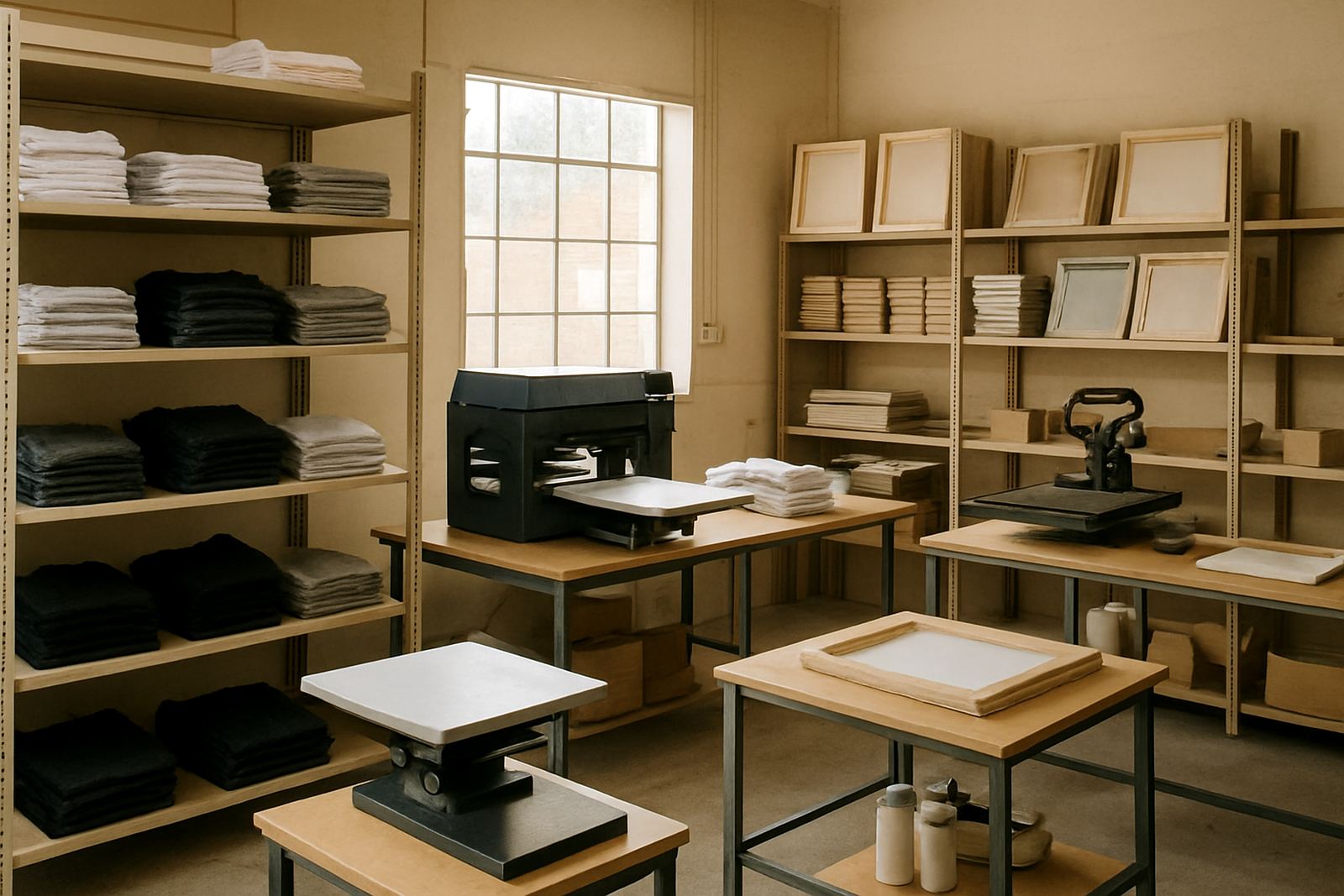
A shop that prints on cotton tees in Johannesburg one day and poly blends for a Durban promo run the next needs a repeatable start-up routine. The best teams begin with a short check before the first shirt goes under the printer. That means confirming platen size, checking the hoop or fixture, making sure the pretreat spray is even, and confirming that the garment is flat and free of lint. When everyone follows the same order, you reduce rework and lost stock.
At a Crown Mines workshop, we often see print differences come from small setup changes rather than the printer itself. One operator pulls fabric tighter, another leaves it looser, and the print shifts by a few millimetres. Those few millimetres matter on chest logos, sleeve prints and repeated orders. A quick routine helps the whole team notice issues before they become customer complaints.
- Check platen size and garment position before every run.
- Wipe down the platen surface and remove lint.
- Confirm pretreat coverage and drying time.
- Print a test sample when changing fabric types.
Teach One Standard for Each Garment Type
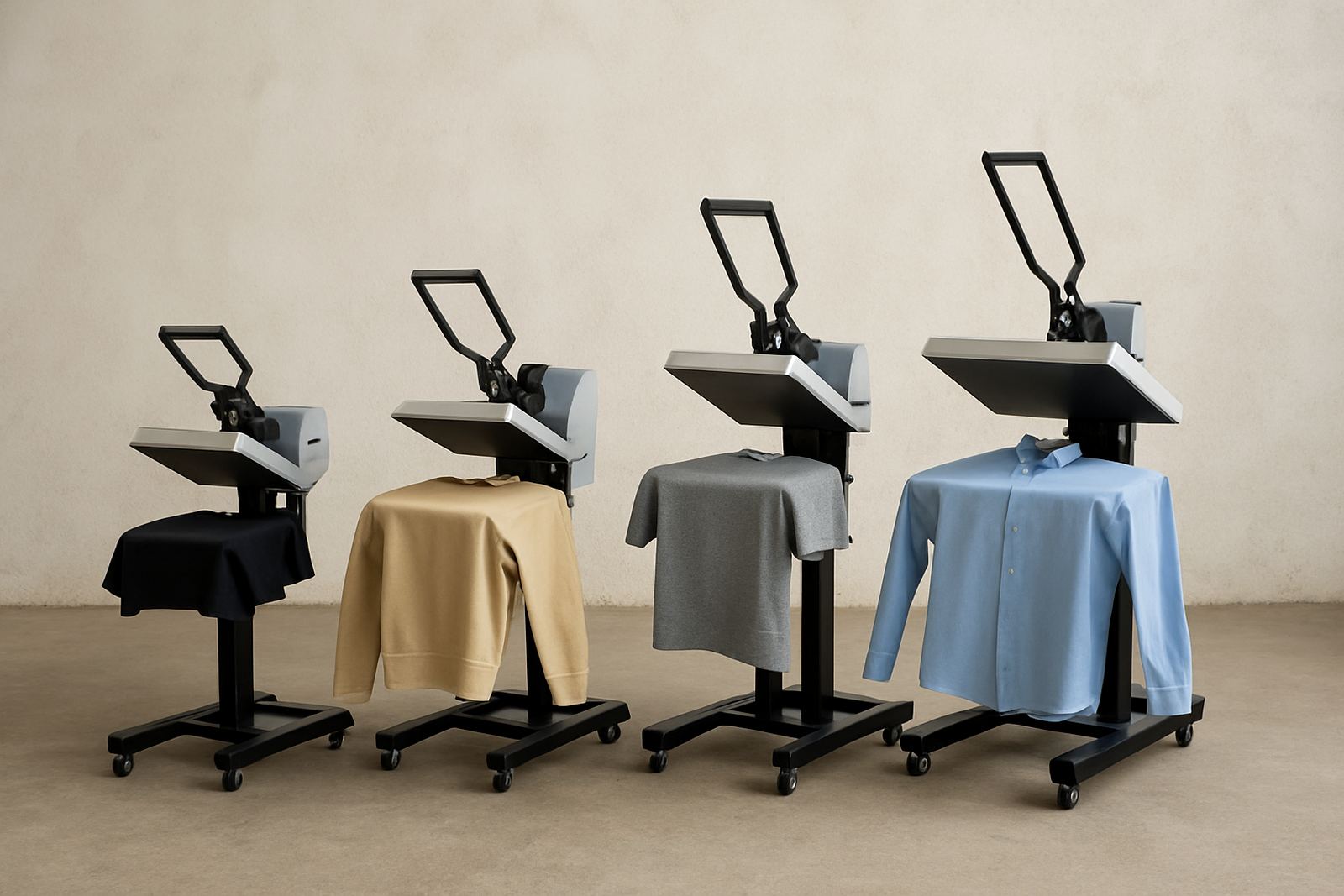
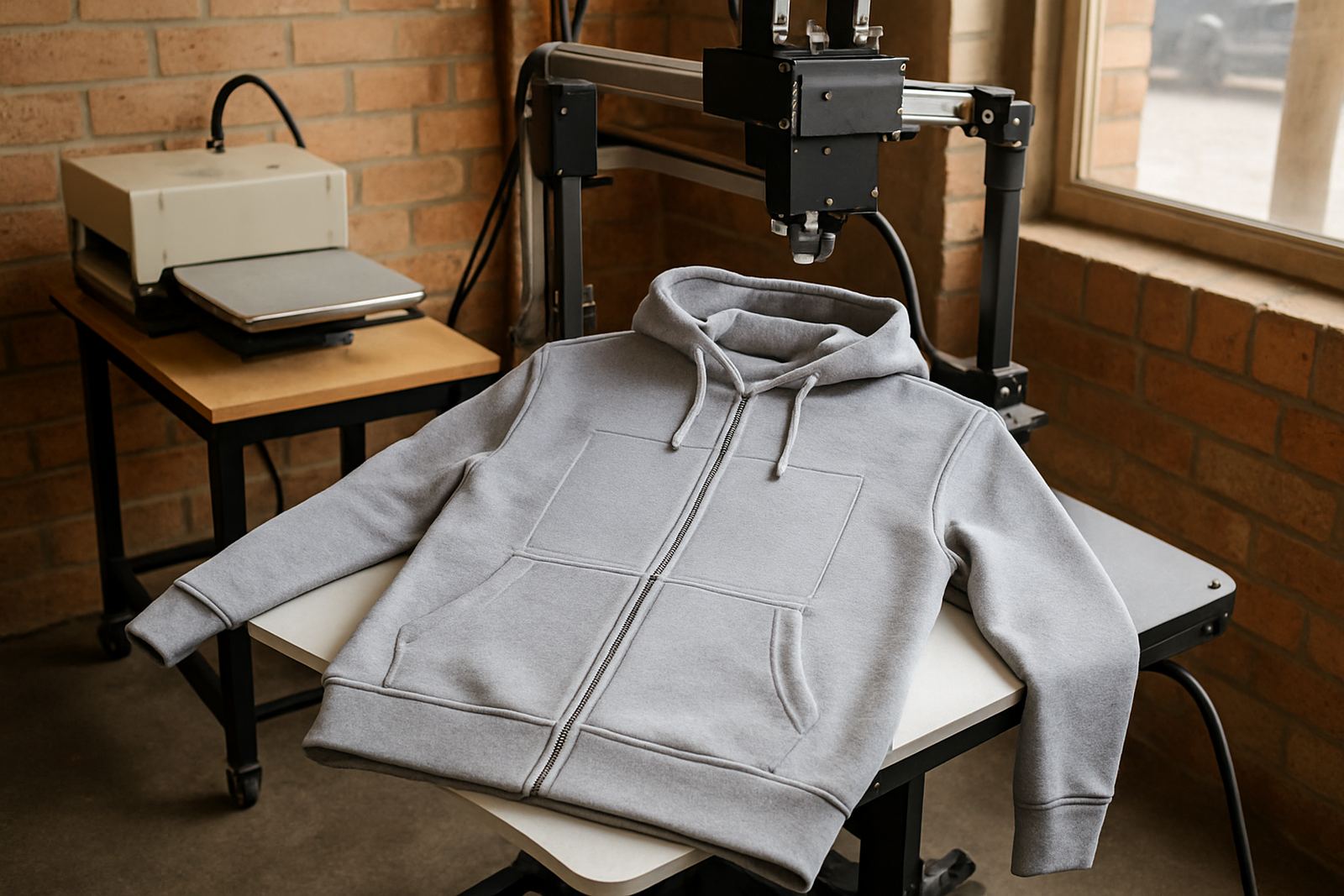
Training works best when your team has one agreed method for each common garment type. A cotton T-shirt does not need the same handling as a fleece hoodie, and a loose woven shirt behaves differently again. If every operator uses their own preference, the shop will waste time adjusting settings and the end result will vary from shift to shift.
Create simple garment categories for the team to follow. For example, light cotton, heavy cotton, dark fabric, blended fabric, and special item. Each category should have a known platen choice, pretreat amount, curing setting and placement guide. Keep the notes in the print area where staff can see them. It saves time and helps new staff settle in faster too.
- Use the same placement mark for each garment category.
- Write down pretreat amounts in millilitres or spray counts.
- Record drying and curing times for each fabric type.
- Keep samples of approved results for reference.
Use Sample Prints as a Daily Teaching Tool
Sample prints are not only for customer approval. They are one of the quickest ways to train a team to see quality. Keep a few approved samples nearby and compare them against current output. Look at edge sharpness, white underbase coverage, colour density and how the print feels after curing. When operators compare a fresh print to a known good sample, they learn faster than they do from theory alone.
This is especially useful in shops that serve Sandton offices, Pretoria East schools and East Rand promotional work in the same week. Different customers expect different finish levels, but the basics stay the same. Your team should know what a clean print looks like on dark cotton, what slight overspray looks like, and how an uneven cure shows up after cooling. It is a simple habit, but it reduces repeat errors. In our experience, the fastest improvements come from this kind of daily visual check, not long classroom sessions.
- Keep at least one approved sample for each common garment type.
- Review one sample at the start of the shift.
- Ask operators to describe what looks correct and what looks wrong.
- Replace damaged samples so the reference stays accurate.
Train for Power Cuts and Time Pressure
South African shops know the pressure that comes with load-shedding, courier cut-offs and urgent reprints. Training routines should include what to do when power drops, when a dryer stops mid-cycle, or when a rush order lands at noon for next-day delivery. If the team has a clear plan, the shop stays calmer and mistakes do not pile up.
Make sure each person knows which jobs can wait, which items must be protected from moisture, and how to restart a pretreat workflow safely after an interruption. In coastal areas like Durban, humidity can also affect drying times, so operators need to adjust rather than force the same timing every day. A team that understands these conditions can keep quality steady even when the enviroment changes outside the workshop.
- Assign who handles paused jobs during a power interruption.
- Keep a written restart checklist near the production area.
- Store pretreated garments in a dry, covered space.
- Record any delay so the next shift knows what happened.
Make New Staff Shadow Experienced Operators
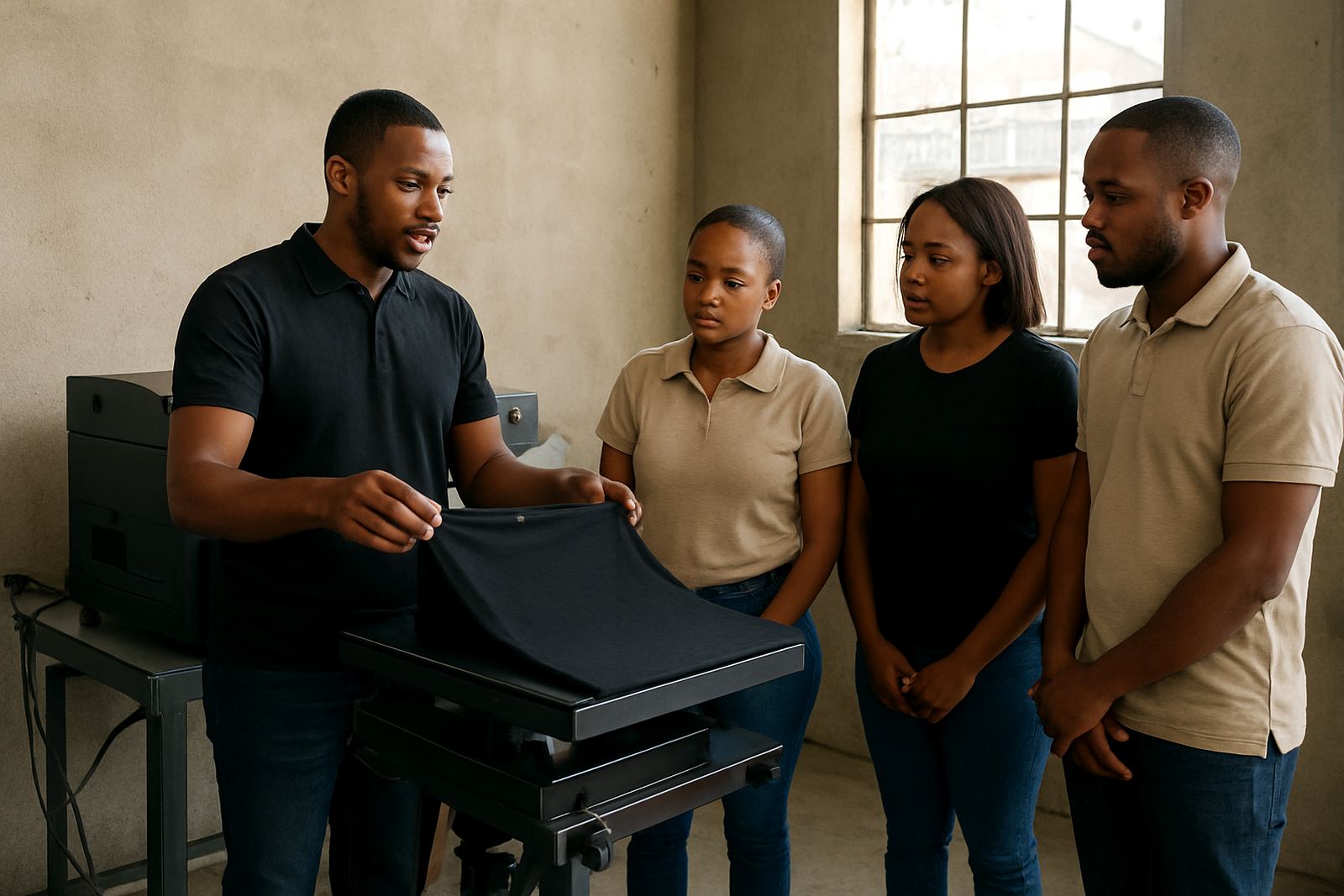
New staff should not learn by trial and error on live customer stock. The better approach is shadowing. Let them watch one experienced operator run the whole process from garment prep to final inspection, then repeat the same job with supervision. After a few days, they should be able to explain the reason for each step, not just copy the movements.
This matters in busy shops where one person may handle platen setup in the morning and sample testing after lunch. A new team member needs to understand why a hoop sits one way for a small youth tee and another way for a larger adult size. They also need to know when to ask for help. The aim is steady production, not rushed independence. That is how a print shop builds reliable habits over time.
- Pair each new staff member with one trainer for the first week.
- Use the same checklist for every supervised job.
- Let the trainee explain the steps back to the trainer.
- Only move to unsupervised work after consistent results.
Review the Week and Fix One Thing at a Time
The strongest training routines include a short weekly review. You do not need a long meeting. Ten or fifteen minutes is enough if the team looks at real work from the week before. Review one sample print, one platen setup issue, one pretreat result and one customer request that caused confusion. Choose one item to improve next week, then keep it simple.
In many shops, the real problem is not skill, it is inconsistency between people and shifts. One operator cleans the platen after every batch, another only at the end of the day. One person checks alignment with every new order, another assumes it is still correct. Weekly review makes those habits visible. Over time, the team starts using the same standard without constant reminding, and that is what keeps production smooth.
For print shops in Crown Mines, Randburg, Midrand and beyond, the goal is the same: less waste, fewer do-overs and cleaner output on every order. Simple routines win because they are easy to keep doing.