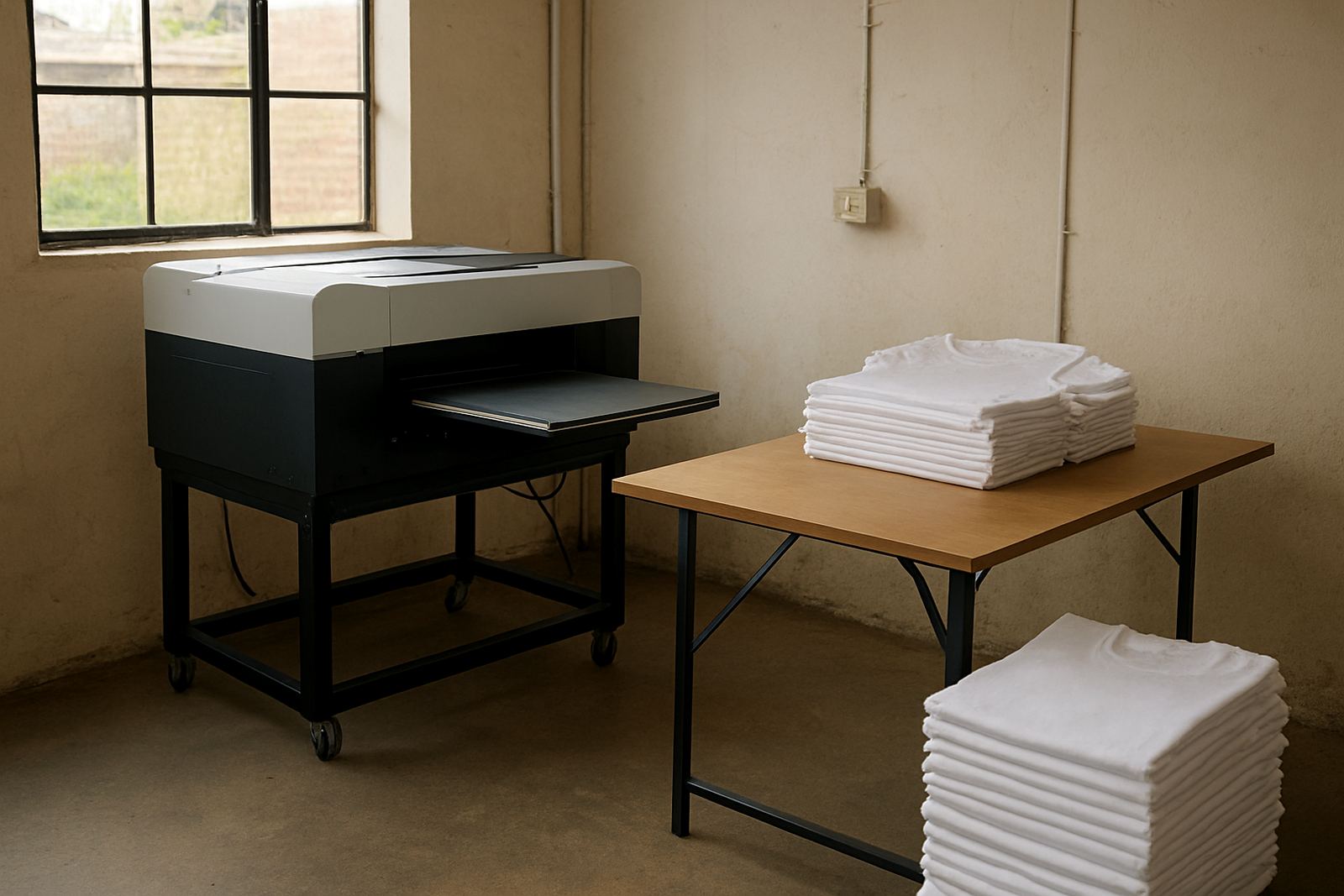
The brief from a new Soweto print shop
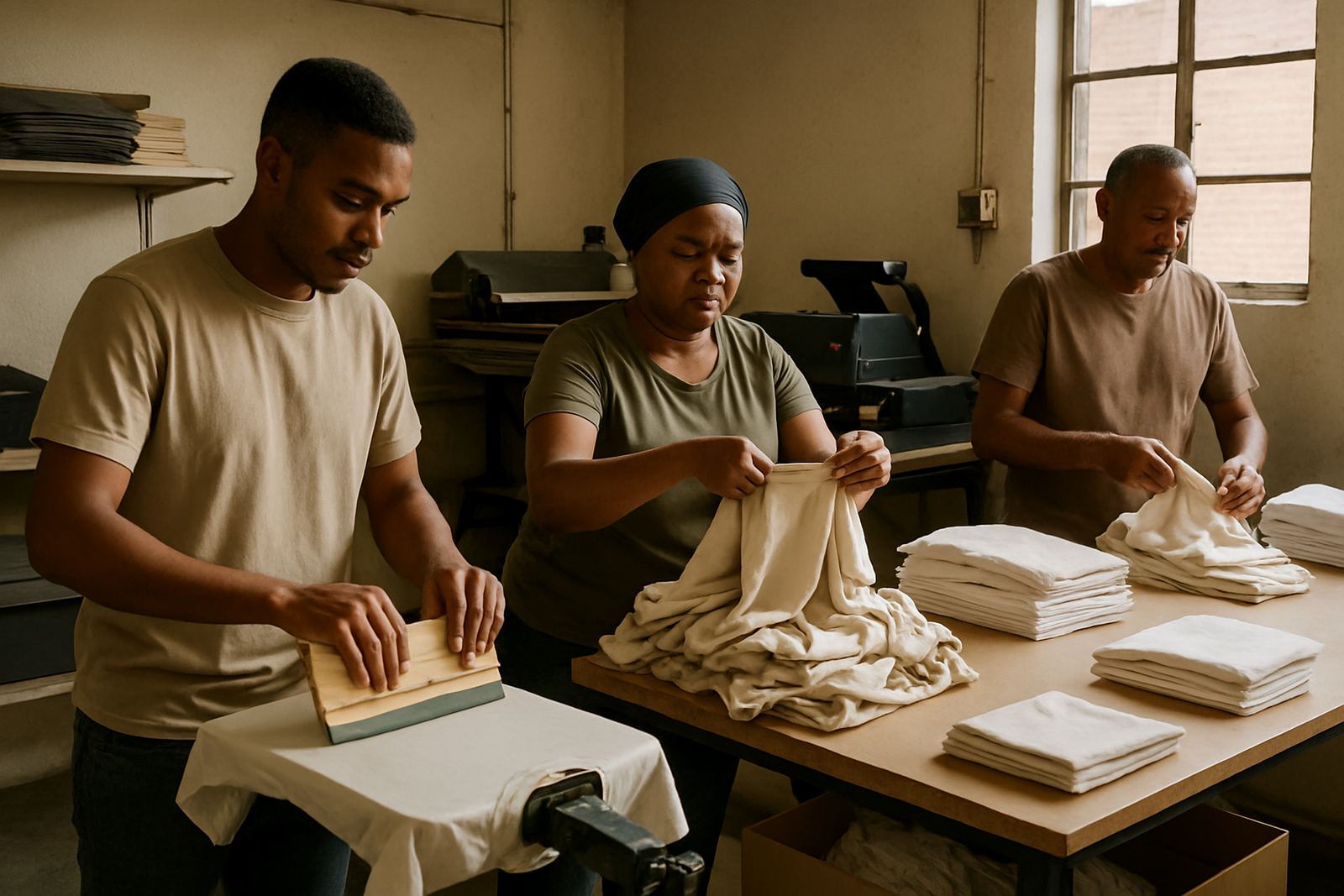
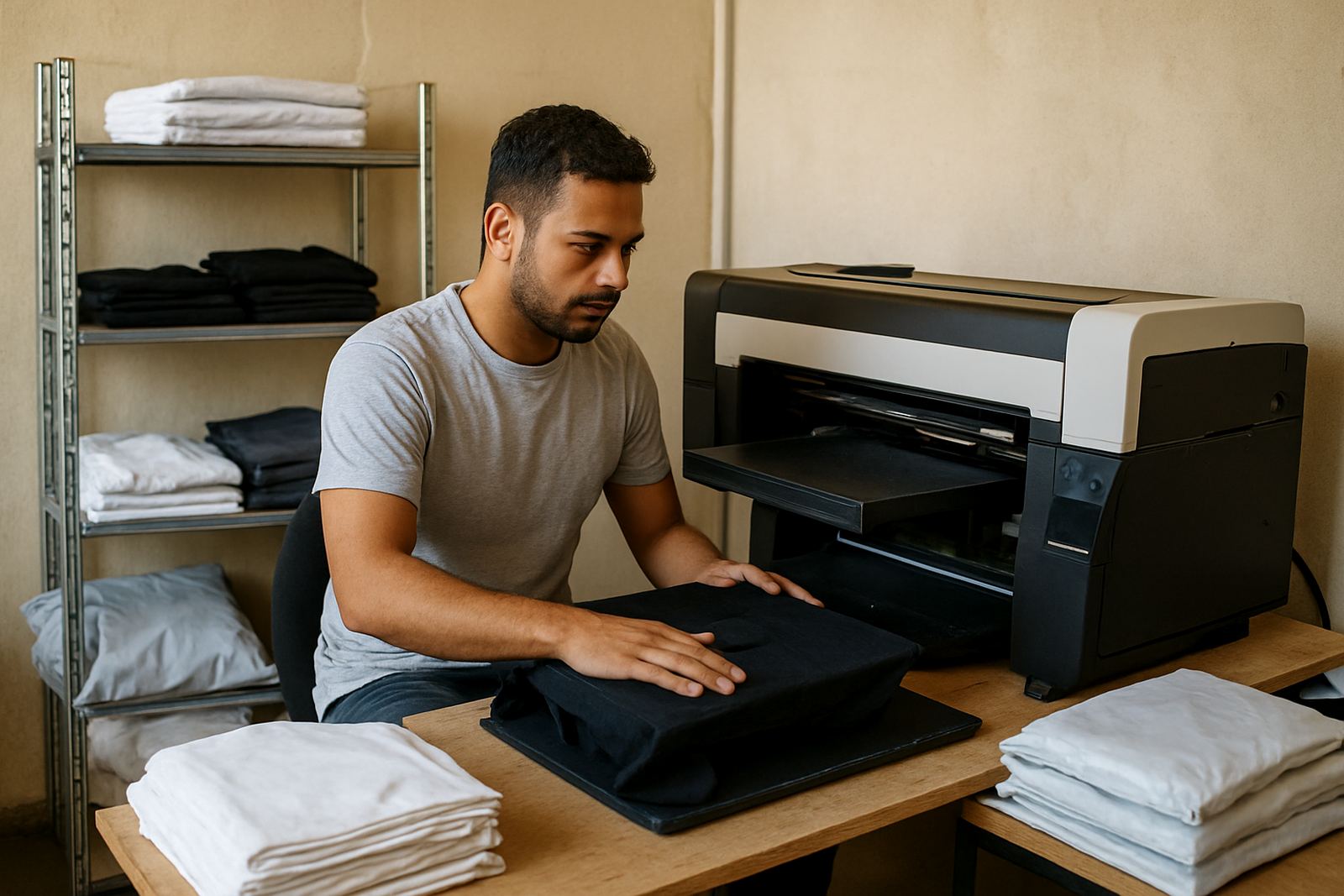
The client was a small garment decoration startup in Soweto, working from a tight production area with one main print station, limited storage and a team still learning the rhythm of DTG work. They wanted to handle short runs for local schools, small clothing labels, church groups and promo orders without losing time on constant platen changes or uneven pretreat application. The brief was simple: keep the setup compact, make it repeatable and avoid kit that would sit idle once the first rush of orders passed.
They also needed gear that could cope with the realities of early-stage trading in Johannesburg, from load-shedding planning to dust control and the need for fast replenishment when a small shop runs low on consumables. Because they were close enough for practical support but not close enough to lose a full day on every issue, the setup had to be easy to reset, easy to clean and easy to explain to more than one operator.
What we supplied for the first production phase
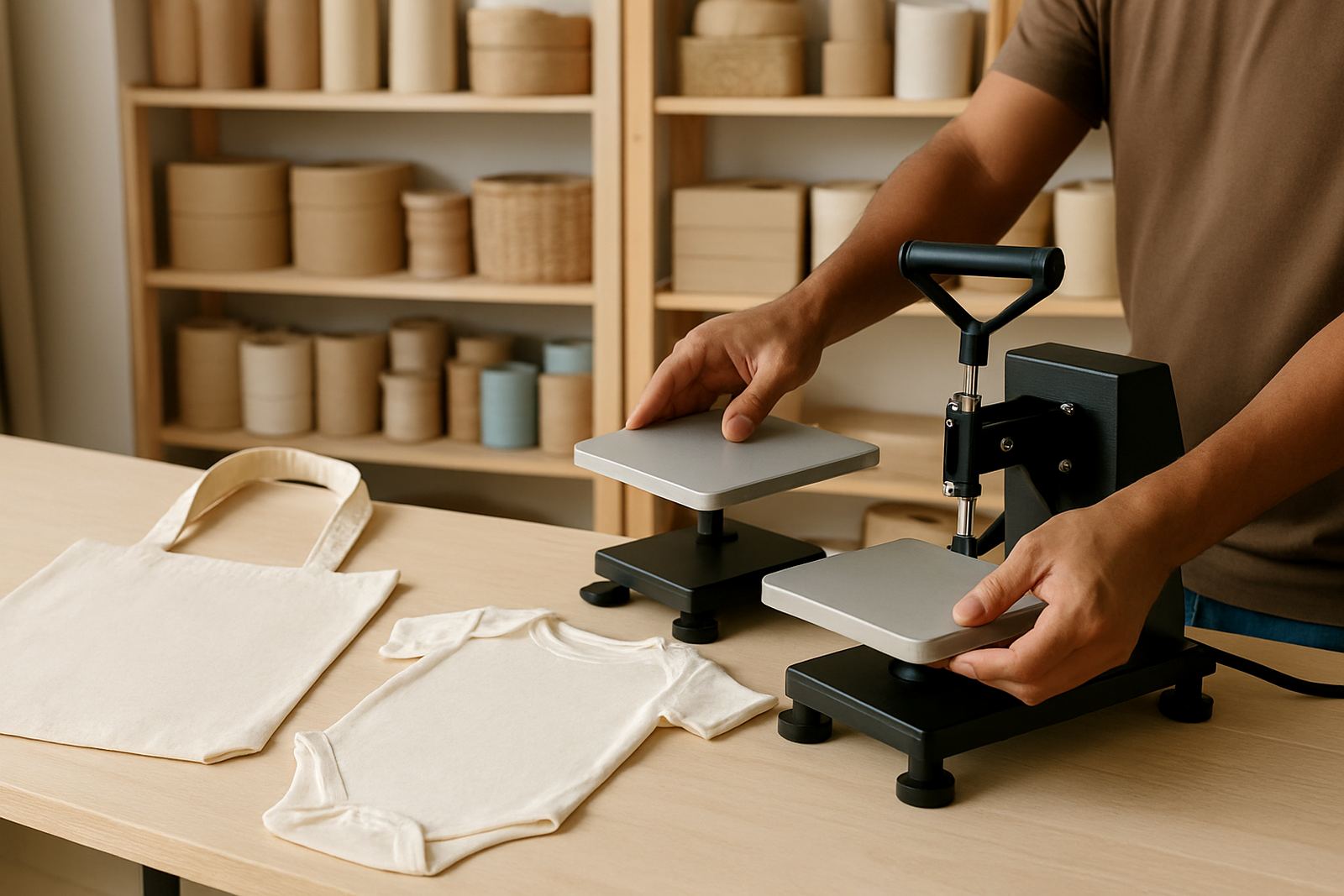
We put together a starter package built around core platens sized for the most common garment work they expected in the first phase. That included a standard adult platen, a smaller youth platen and a compact garment support option for occasional low-volume jobs. The aim was not to overcomplicate the station, but to give the shop enough flexibility to print tees, cotton blends and lighter fashion pieces with a stable hold and clean placement.
We also supplied a pretreatment starter kit with the right application flow for their space. The workshop area was limited, so we focused on simple measuring, controlled spray or coating habits and a drying routine that could be repeated even when the power was unstable. Ayeesha and the team worked through the storage layout as well, because when a startup has only one shelf and one table, every bottle, pad and platen has to earn its place.
- Core platen set for day-to-day garment sizes
- Pretreatment starter kit for cotton and blend garments
- Basic workflow notes for layout, coating and drying
- Setup guidance for safe use during power interruptions
Setup constraints in a compact Soweto workspace
The biggest constraint was floor space. The shop could not spare room for a wide production line, so we had to plan a setup that worked with narrow walkways, one packing surface and a drying area that could be cleared quickly. That meant selecting platen options that changed over fast, and arranging the pretreat stage so it would not interfere with press movement or finishing. In a small shop, one awkward step can slow the whole day.
Humidity and dust also mattered. Johannesburg is not coastal, but garment work still suffers when powdery contamination gets onto pretreat surfaces or when boards are stored poorly between shifts. We recommended a cleaning routine, covered storage and a fixed order of operations so the team could keep output consistent. The result was a station that stayed calm under pressure instead of turning into a jumble by lunchtime, which matters more than people think.
- Space allowance: compact one-station production area
- Setup focus: fast platen swaps and clear walkways
- Environment control: clean storage, dry surfaces, covered kit
How the workflow was set up week by week
Week 1 was planning and sizing. We confirmed the garments they would print most often, checked the table height and mapped the order of tasks from pretreat to print to cure. Week 2 was supply and layout, with the platen set and starter kit collected from our Crown Mines base and courier support arranged so the shop could begin without delay. Week 3 was installation, alignment checks and the first run of sample garments. Week 4 was operator training, where we walked through repeat settings, platen care and troubleshooting for uneven print placement.
During the rollout, Sipho handled the technical checks while Zanele worked through training on safe handling and repeatable prep. Johan sorted the workshop fit-up and checked that the platens sat square under the print head path. The goal was to leave the team with a process they could repeat on their own, not a setup that only worked while someone was standing next to them. By the end of the month the team was producing clean test runs and had a clear checklist for the next batch of orders.
- Timeline: 4 weeks from brief to live use
- Support included: sample testing, print alignment help and operator training
- Follow-up: remote troubleshooting after first jobs
Results after the first orders went out
Once the shop started taking paid work, the benefits showed quickly. The smaller platen sizes cut down on wasted motion for youth garments and fitted pieces, while the standard platen gave them a dependable base for general tee work. Pretreat application became more consistent, which meant fewer patchy prints and less rework after pressing. For a startup, that matters because every failed shirt eats into cash flow.
The team also gained confidence in planning around load-shedding. They set up their print days in blocks and kept the pretreat stage ready before long runs started. That kind of simple planning is what helps a new business keep moving when the supply of time is tighter than the supply of orders. They were able to move from test pieces to small commercial batches without changing their whole room or buying oversized kit they did not need yet.
- Better placement consistency on standard and youth garments
- Less rework from uneven pretreat application
- More practical production planning around electricity interruptions
What we would do again for a similar startup
For a startup in Soweto or any nearby township trading area, we would follow the same approach again: start with the garments they sell most, keep the platen set compact and build the pretreat process around the space, not the other way around. New shops often want to buy for future growth on day one, but the safer move is to set up for the next 50 to 100 orders and then scale with actual demand. That keeps the cash tied up in the right place.
We would also repeat the same support mix. Practical training, sample testing and a short follow-up period make a real difference when the team is still learning how to keep output stable. If a shop wants to grow from home-run batches to proper daily production, we can review the workflow, add more platen sizes and plan the next stage without creating confusion. That is how a small setup stays manageable instead of becoming a headache within the first season.
For enquiries, clients reach us through the form on our contact page and we respond from Johannesburg with next-day courier support available to print shops nationwide.
Key facts
| Project type | Startup DTG setup for a Soweto print shop |
|---|---|
| Location | Soweto, Johannesburg |
| Supply package | Core platen set plus pretreatment starter kit |
| Platen sizes | Adult, youth and compact support platen |
| Timeline | 4 weeks from brief to live production |
| Support | Installation, training, sample testing and remote troubleshooting |