A Family Workshop In Alberton Needed Cleaner Placement
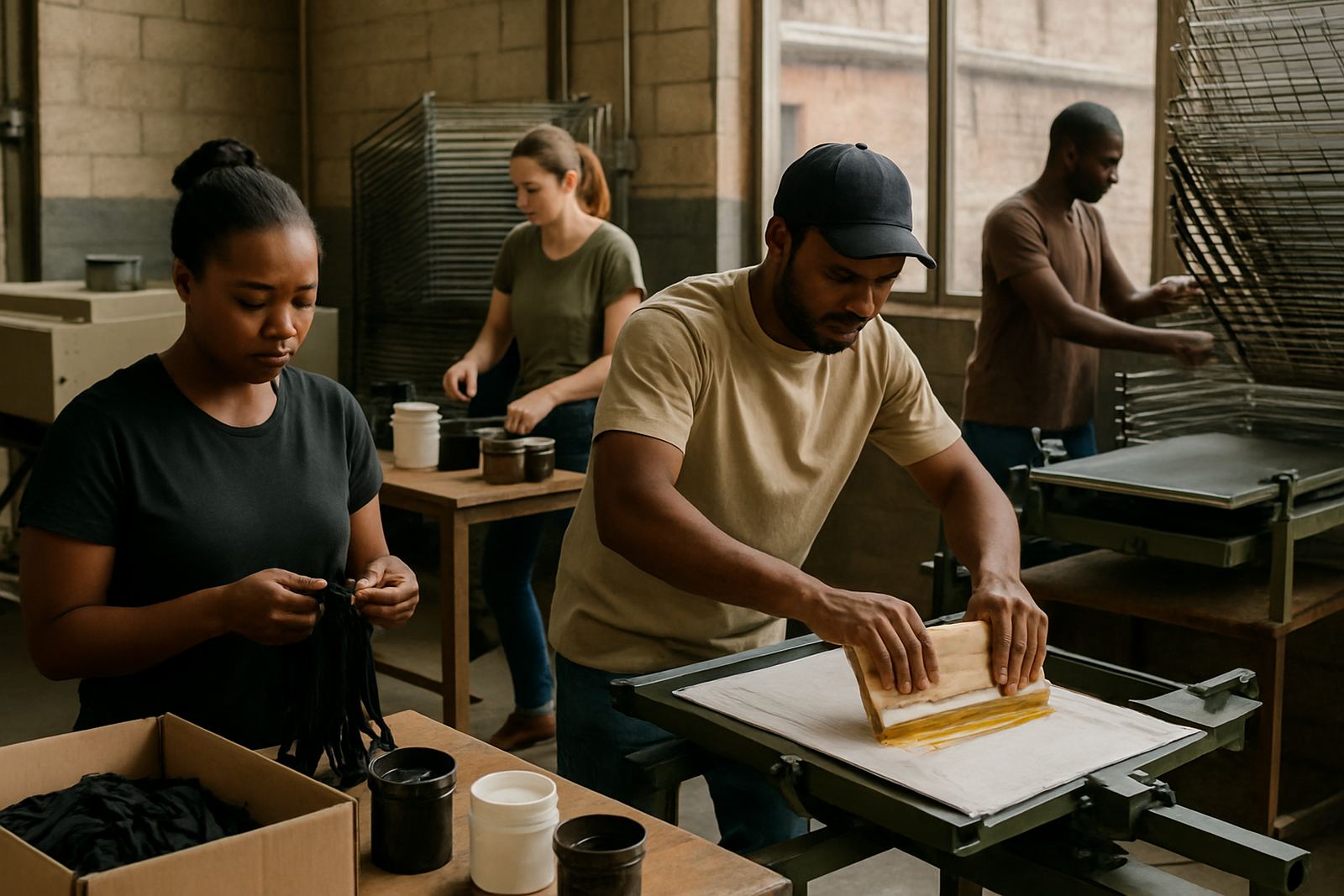
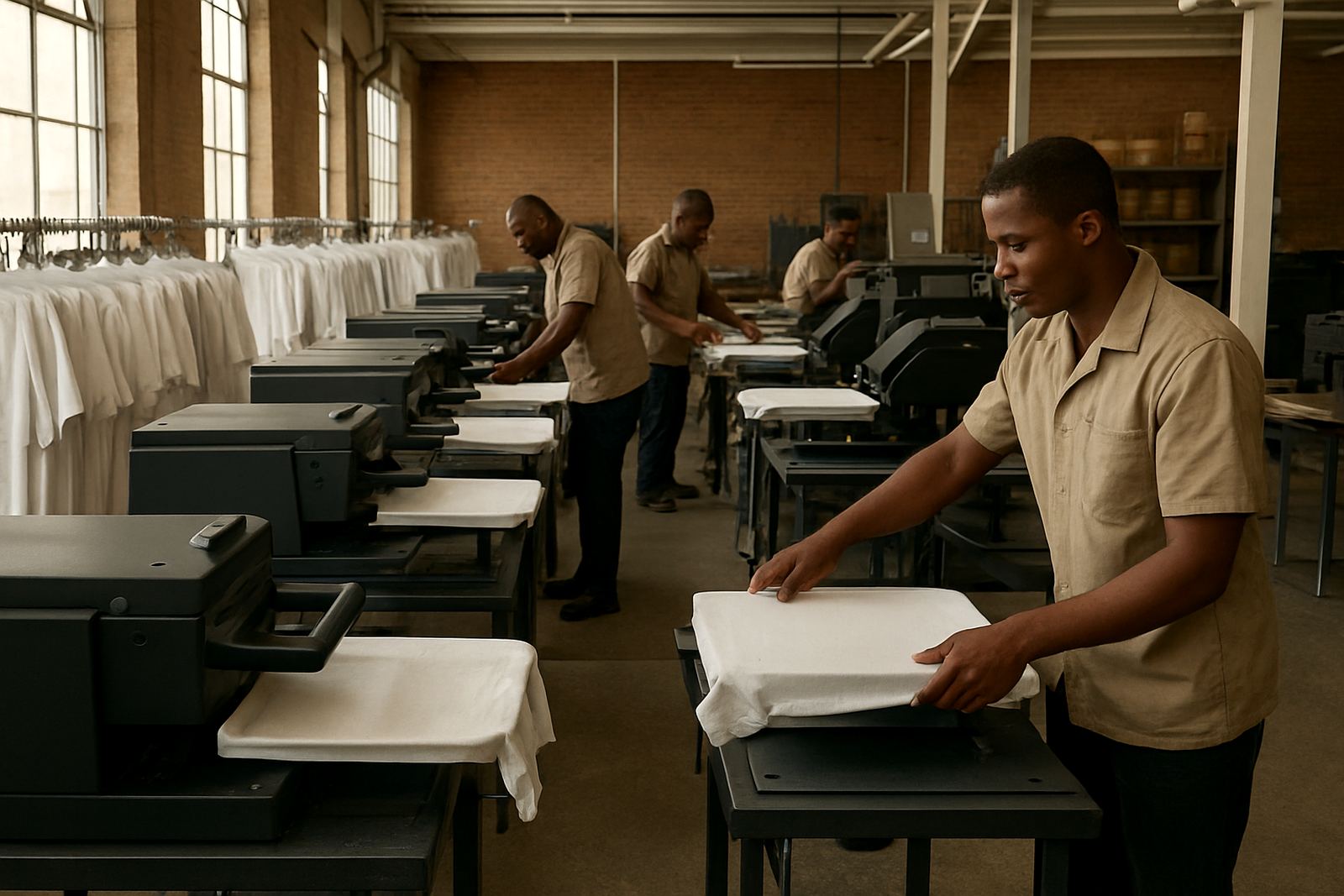
The client was a family-run print shop in Alberton, serving local schools, small clothing labels and promotional orders across the East Rand. They were running direct-to-garment work from a busy back-of-house area where two shifts shared the same tables, same garments and, too often, the same confusion. One operator would set a shirt one way, the next shift would adjust it differently, and print placement would drift just enough to create rework.
The brief was simple on paper but important in practice: reduce setup mistakes, make garment positioning repeatable and help the team move faster without losing print accuracy. They also needed equipment that could handle everyday South African workshop conditions, from summer heat to dust and power interruptions. The family wanted something practical, not complicated, and they needed support that could be explained to everyone on the floor.
- Client type: family-run garment decoration workshop
- Town: Alberton, Gauteng
- Work type: mixed custom apparel and short promotional runs
- Main issue: placement inconsistency between shifts
- Secondary issue: wasted time resetting platen positions
The Constraints Were Real And Very Local
This was not a large factory with one person dedicated to setup. It was a working family operation with limited floor space, a few trusted operators and enough daily volume to make small errors expensive. They also had a changing order mix, from small adult tees to youth sizes, hoodies and occasional tote bags, so a single setup path was never going to work for everything. In winter the room stayed cold in the morning, and in summer humidity made pretreating and drying more sensitive than they expected.
We also had to keep things practical for load-shedding. If the power dropped during prep or between runs, the team needed a way to resume without guessing where the last correct setting had been. That meant clear markings, repeatable fitting points and a workflow that did not depend on memory alone. The owner was very direct about one thing: if the setup only worked when the most experienced person was on shift, it was not good enough.
- Limited workshop space and shared tables
- Mixed garment sizes, including youth and adult items
- Need for repeatable setting points for each shift
- Dependence on a small team with different skill levels
- Need to keep going during outages and restarts
What We Supplied And How We Set It Up
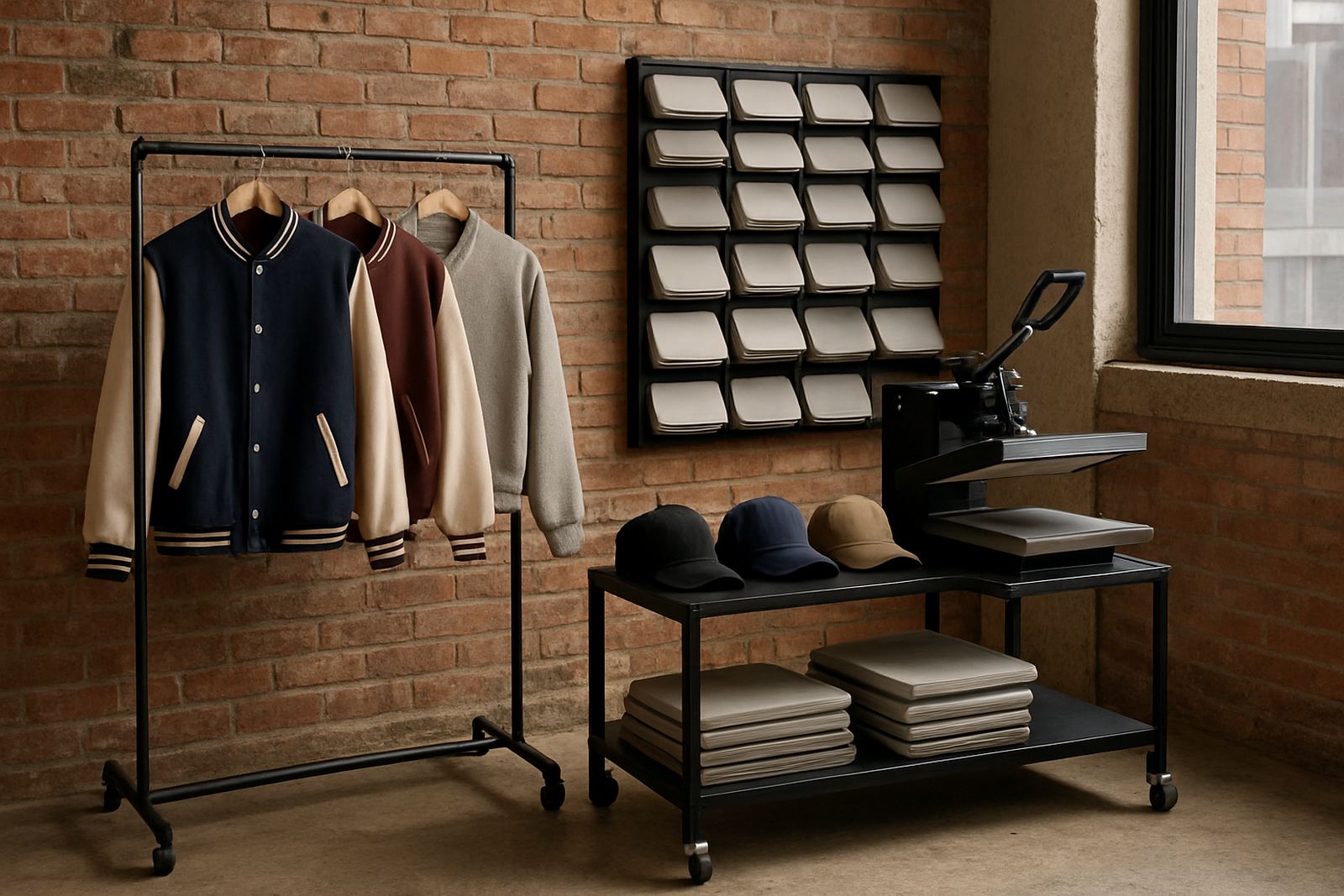
We started with platen matching and setup review, then supplied a tailored set of platens for the shop’s main garment sizes together with hoops and a pretreat workflow that suited their order mix. The aim was not to add more choices, but to reduce the number of decisions the operators had to make each day. We marked the most used platen positions, checked garment loading direction and set a clear sequence for pretreat, press and print.
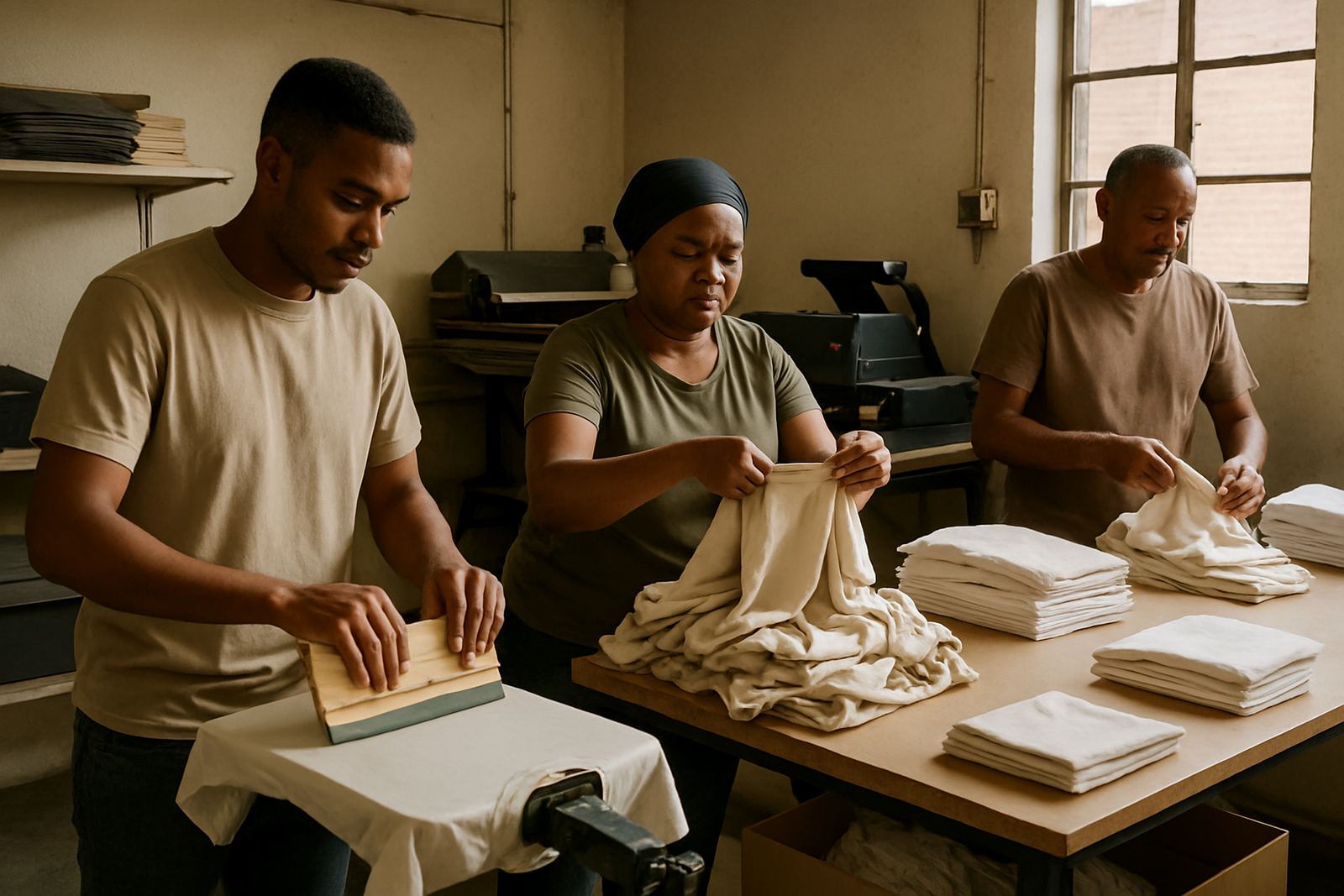
Our technical support team worked through the changeover with the family and their staff, showing how to confirm centre points, shoulder alignment and fabric tension before printing. We also helped them organise their sampling process so they could test new garments before full production. A short session on printer alignment and garment handling made a noticeable difference, because the team could see exactly where the errors had been coming from. After that the workshop had a cleaner routine and a lot less backtracking.
- Custom platen selection for the main garment sizes
- Hoop setup guidance for repeatable alignment
- Pretreat workflow matched to mixed fabric types
- Print alignment checks for first-off samples
- Simple setup markers for day and night shifts
Timeline From Assessment To Production In Three Weeks
The project ran over three weeks. In week one we reviewed the current process, watched a few live setups and identified where garment placement was drifting. In week two we supplied and fitted the platen and hoop combination, then built the workflow around the garments they print most often. In week three we did follow-up support, checked that the notes made sense for the whole team and adjusted a few steps where the family preferred a quicker handover between shifts.
That last part mattered. A workshop like this only improves when the new method fits the people actually doing the work. Their operators needed a system that was easy to follow after a long day, when orders are piling up and you are trying to keep production moving before the courier comes for collection. By the end of the third week they had a setup that could be repeated by different staff with far less confusion.
Results Seen On The Floor
The biggest gain was consistency. Garments sat more squarely, front placement was easier to repeat and the team spent less time checking whether the next shirt was set the same way as the last one. They also reduced the number of misprints caused by rushed changeovers, which saved both time and blank stock. For a family business, that kind of improvement shows up quickly in the week’s totals.
They told us the workshop also felt calmer. That may sound small, but in a tight space with different people crossing over shifts, calm usually means fewer mistakes. The owner wanted a shop that could train new helpers without starting from scratch each time, and that is exactly what the new setup gave them. The process became easier to explain, easier to repeat and easier to trust.
- Better garment placement across repeated runs
- Less setup confusion between shifts
- Fewer reprints from alignment errors
- Faster changeovers for mixed garment sizes
- Improved confidence for newer operators
What We Would Do Again For Similar Shops
If we were doing the same job again for another family print shop in Alberton, Boksburg or Pretoria East, we would start with the operator routine before talking about hardware. The right platen or hoop matters, but the real value comes from building a process that survives a busy week, a power cut and a change of staff. We would also keep the training short, practical and repeated on the actual garments the shop prints most often.
For smaller South African print rooms, that approach makes sense. It respects the space they have, the people they employ and the pressure they work under. A clear setup plan, steady support and the right garment handling tools can turn a messy production area into something much easier to run. Not perfect, just properly organised and ready for the next order.
If your workshop needs platen setup help, pretreat workflow support or operator training, DTGrip in Crown Mines can help by courier nationwide or with support in Johannesburg and surrounding areas.
Key facts
| Project type | Family-run garment printing workshop |
|---|---|
| Town | Alberton, Gauteng |
| Timeline | 3 weeks from review to follow-up |
| Core supply | Platen set, hoops and pretreat workflow support |
| Support used | Onsite support visit, sample testing and operator training |
| Main outcome | Cleaner placement and less shift-to-shift confusion |