The brief from a Benoni event print crew
The client was a small but busy event merchandise operation in Benoni, serving sports days, corporate activations, school functions and roadshow campaigns across Ekurhuleni. Their work changed week by week, so one day they were printing 30 cotton tees and the next they were racing through a 200 piece mixed order for staff shirts, carry bags and promo wear. They asked us to help them load garments faster, reduce misprints and make their print station easier to manage when the pressure was on.
The main challenge was not printing itself, it was the time lost between one garment and the next. Their old loading setup required too much repositioning, which meant longer drying windows, more operator fatigue and a higher chance of off-centre prints. They also needed a cleaner pretreatment process for darker garments, especially when the weather turned humid in summer and garments picked up moisture on the press table.
What was holding production back
Before the upgrade, the team was working with a mix of improvised loading aids and older platens that did not suit their most common shirt sizes. That created three issues. First, they were losing seconds on every garment, and those seconds added up over a full event run. Second, alignment marks were inconsistent, so front prints and left chest logos needed too much checking. Third, setup changes for different sizes and fabric types slowed the whole room down.
- Frequent size changes from small to 3XL in the same shift
- Mixed fabric orders, including cotton, polycotton and darker tees
- Short notice jobs that needed same-week turnaround
- Limited floor space in the Benoni production area
- Need for simple training that new operators could follow quickly
They also had to work around load-shedding and evening event deadlines, so any improvement had to be practical, easy to clean and ready for stop-start production. No one had time for a complicated system that needed constant adjusting.
The platen and pretreat setup we supplied
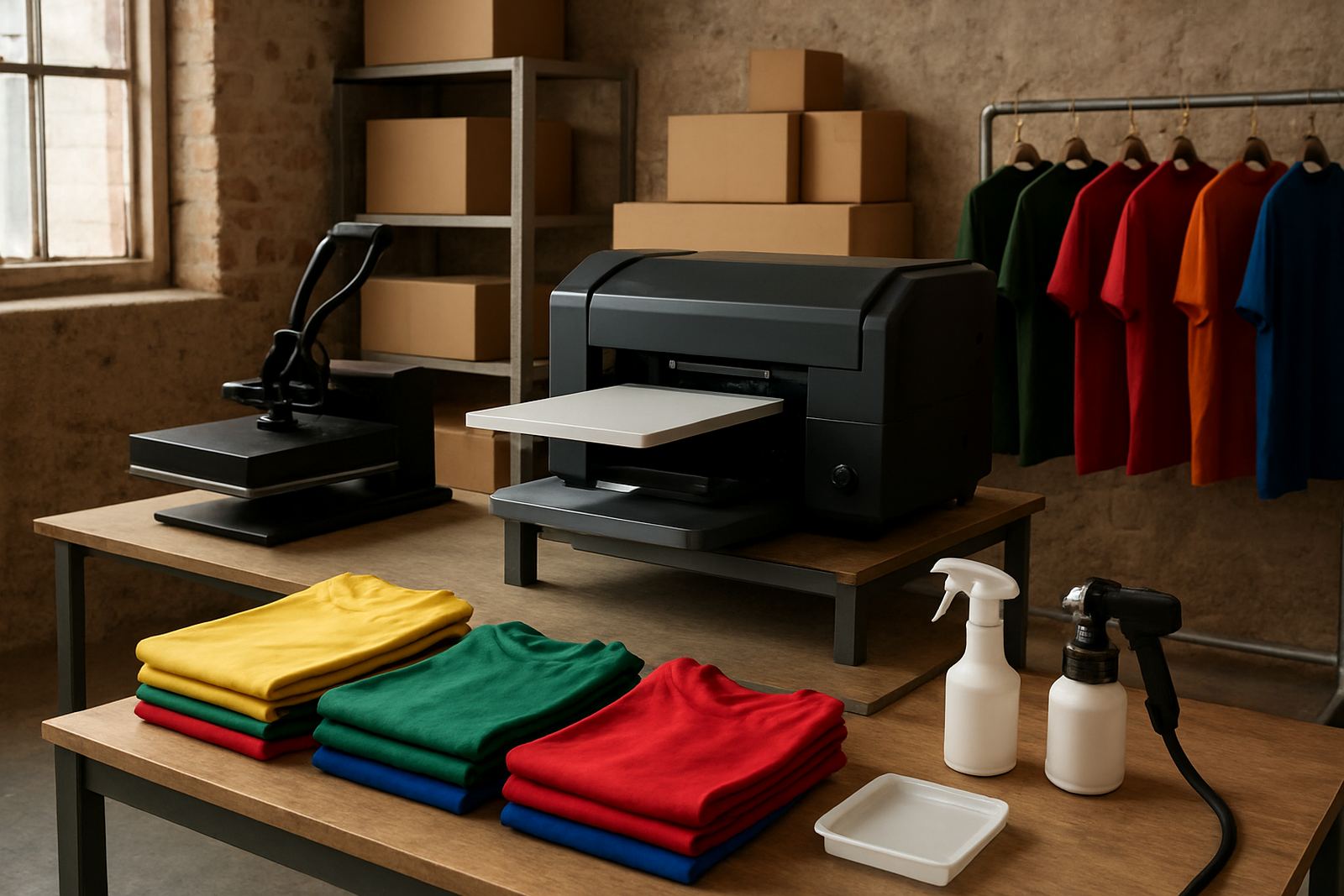
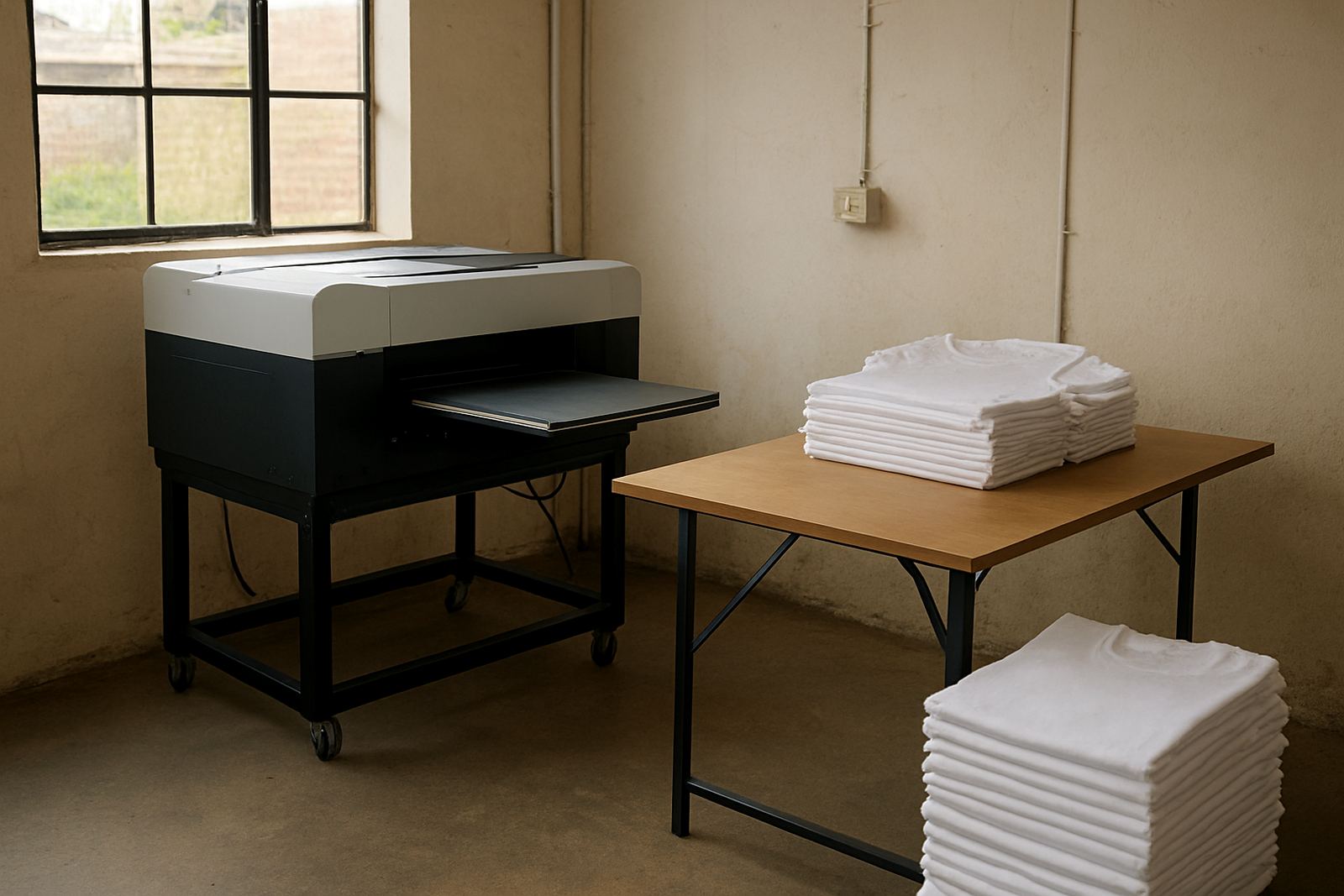
We supplied a set of direct-to-garment platens sized for the shop’s most used shirt formats, along with hoops for consistent garment tension and a pretreatment workflow that matched their print mix. The aim was to reduce handling and make each station repeatable, even when two operators were swapping between jobs.
The key equipment and setup details were:
- Small, medium and large garment platens for standard event tees
- Oversize support for heavier promotional garments and tote style items
- Hoop setup for stable fabric placement on lighter garments
- Pretreatment kit for darker cotton prints and regular touch-up work
- Simple alignment points to keep artwork centred and repeatable
- Guidance for cleaning and storage in a busy workshop environment
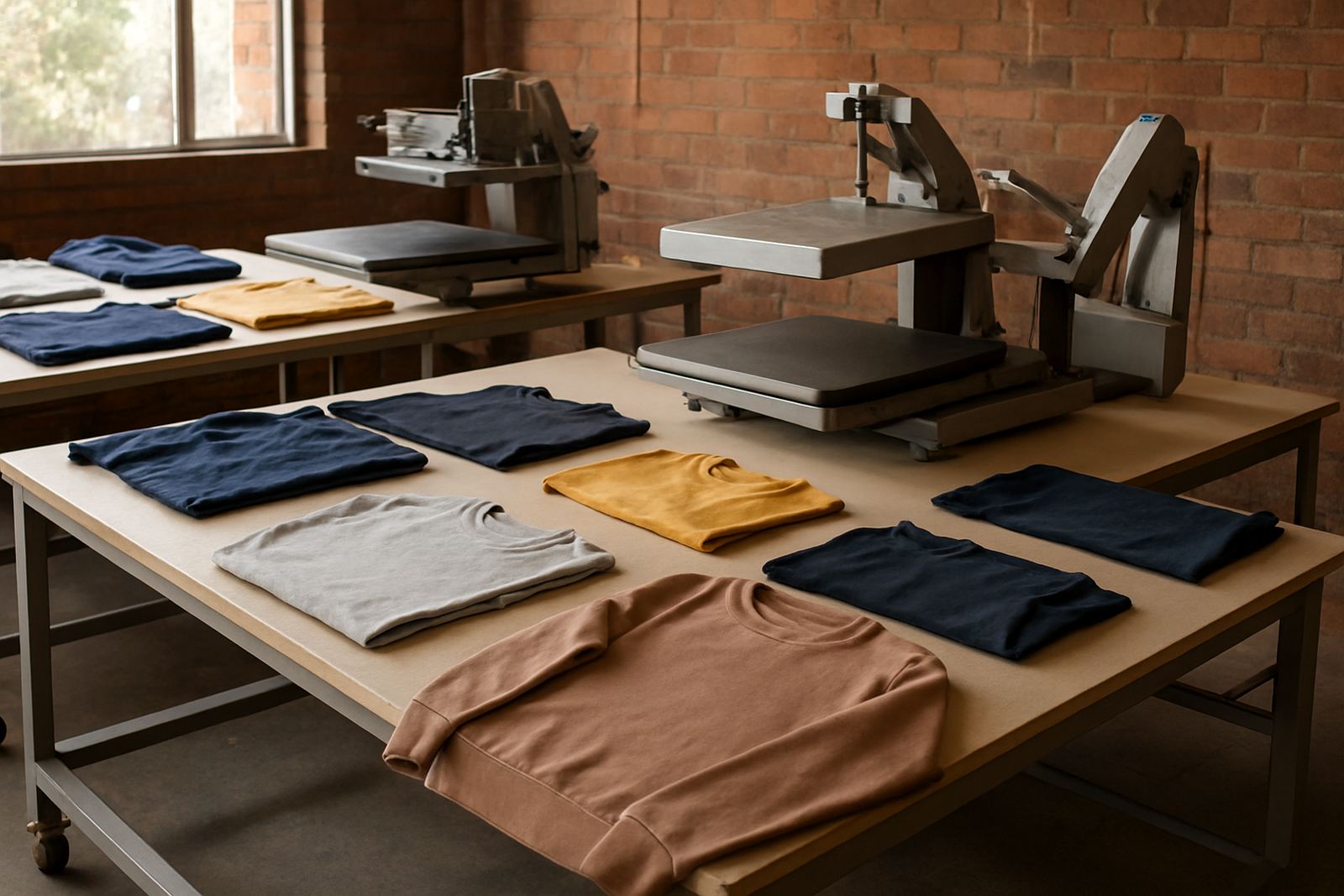
We also checked the table height, loading direction and heat handling around the press area. That mattered because a cramped station in Benoni can quickly turn into bottle necks if the operator has to twist, lift and recheck every shirt. We kept the workflow straight forward and matched it to the way the team already worked.
How the rollout ran over three weeks
Week one was the site review and layout check. We looked at the print room, the drying area and the order of tasks from pretreat through to cure and pack-out. The team showed us the kinds of rush jobs they get before weekend events, so we could prioritise the items that would save the most time first.
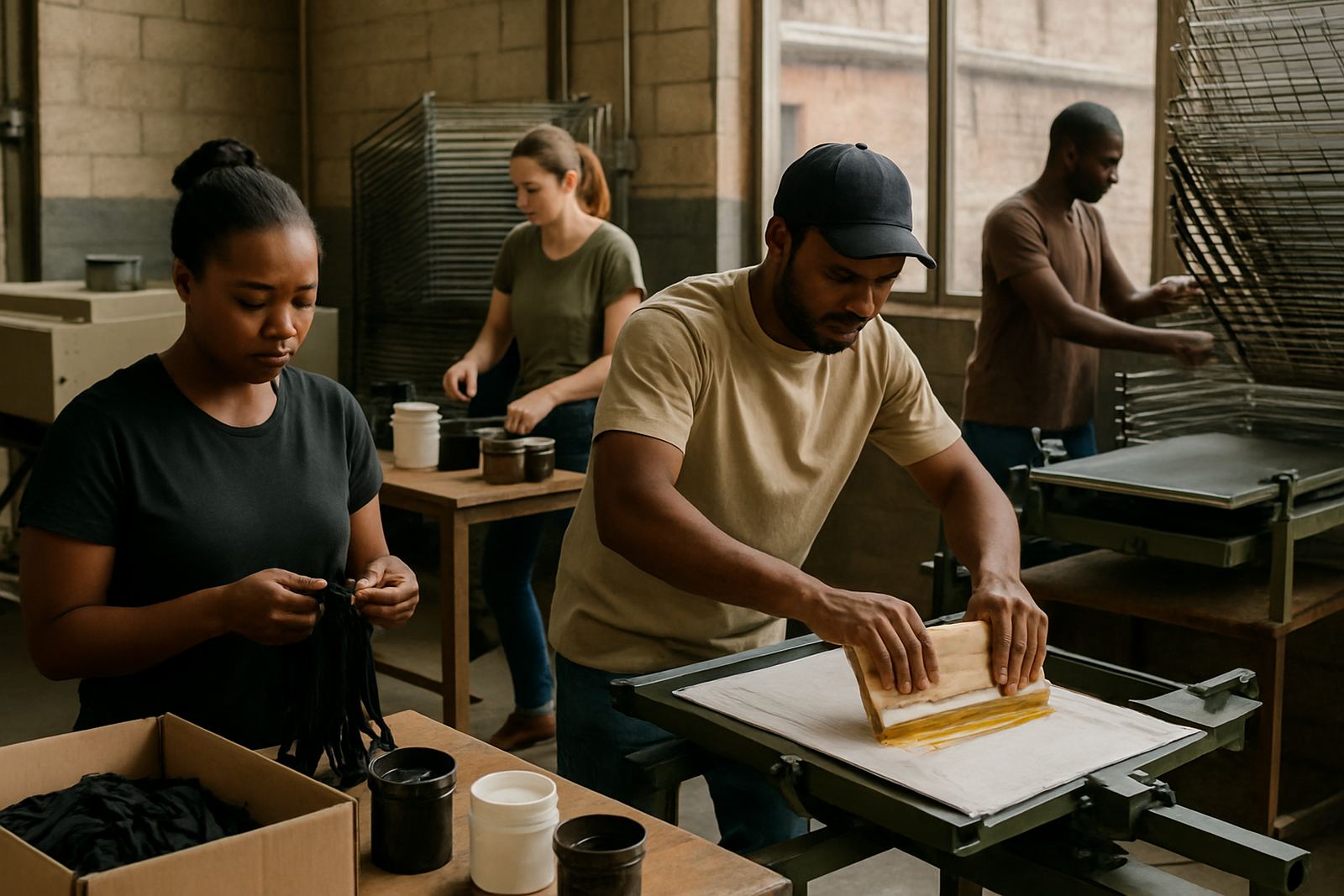
Week two was installation and operator training. Johan Smit handled the workshop side, while Sipho Dlamini took the team through platen handling, hoop use and print alignment help. Ayesha Naidoo coordinated the schedule with the client so production could keep moving. We covered:
- Platen installation and quick changeover practice
- Pretreat workflow for darker shirts and mixed garments
- Operator training for first pass accuracy
- Sample testing on a range of fabrics
- Remote troubleshooting steps for busy days
In week three, we reviewed output on live event orders and adjusted the workflow for faster size swaps. That included a few small changes to the order of handling, plus seasonal reconfiguration advice for the wetter months when garments can behave differently in the press area.
Results for deadline driven shirt runs
The first result was speed. The team cut loading time per garment enough to make a real difference on bulk orders, especially where they had to move between sizes in quick succession. That gave them more breathing room on same day or next day event work, and it reduced the rush that usually builds up late in a shift.
The second result was consistency. With better platen fit and cleaner alignment, the print position stayed more even across runs. That meant fewer reprints, less waste and less time spent checking each garment twice. The pretreatment process also became more controlled, which helped on dark garments and made the finish look cleaner on camera and under event lighting.
By the end of the rollout, the client had a calmer production flow and a setup that suited their actual order mix instead of forcing them to work around old equipment. The team told us the biggest change was not only speed, but confidence. They knew where each garment should sit, and that mattered when a courier was already on the way to fetch finished stock.
What we would repeat for another event shop
If we were setting up another event printer in Benoni, Boksburg or the East Rand, we would follow the same pattern. Start with the real order mix, match the platen sizes to the most common garments, and test the pretreat workflow before the busiest weeks of the year. It is better to tune the station around the work than to ask the team to adapt to kit that does not suit them.
We would also keep training short and practical. Event shops often have changing staff and urgent deadlines, so clear loading steps matter more than long manuals. In our experience, the best gains come from small changes done properly: better platen choice, repeatable placement and a layout that supports fast hands without making the operator guess.
For this Benoni team, that approach gave them a steadier day to day process and less stress when orders stacked up. It was a clean fix, not a complicated one, and that is usually what works best in garment printing.
Key facts
| Project type | Event merchandise print workflow upgrade |
|---|---|
| Town | Benoni, Ekurhuleni |
| Rollout time | 3 weeks |
| Core equipment | Direct-to-garment platens, hoops, pretreatment kit |
| Support | Onsite support visit, remote troubleshooting, operator training |
| Outcome | Faster loading, cleaner alignment, fewer reprints |