Workwear Production in Boksburg Needed Better Control
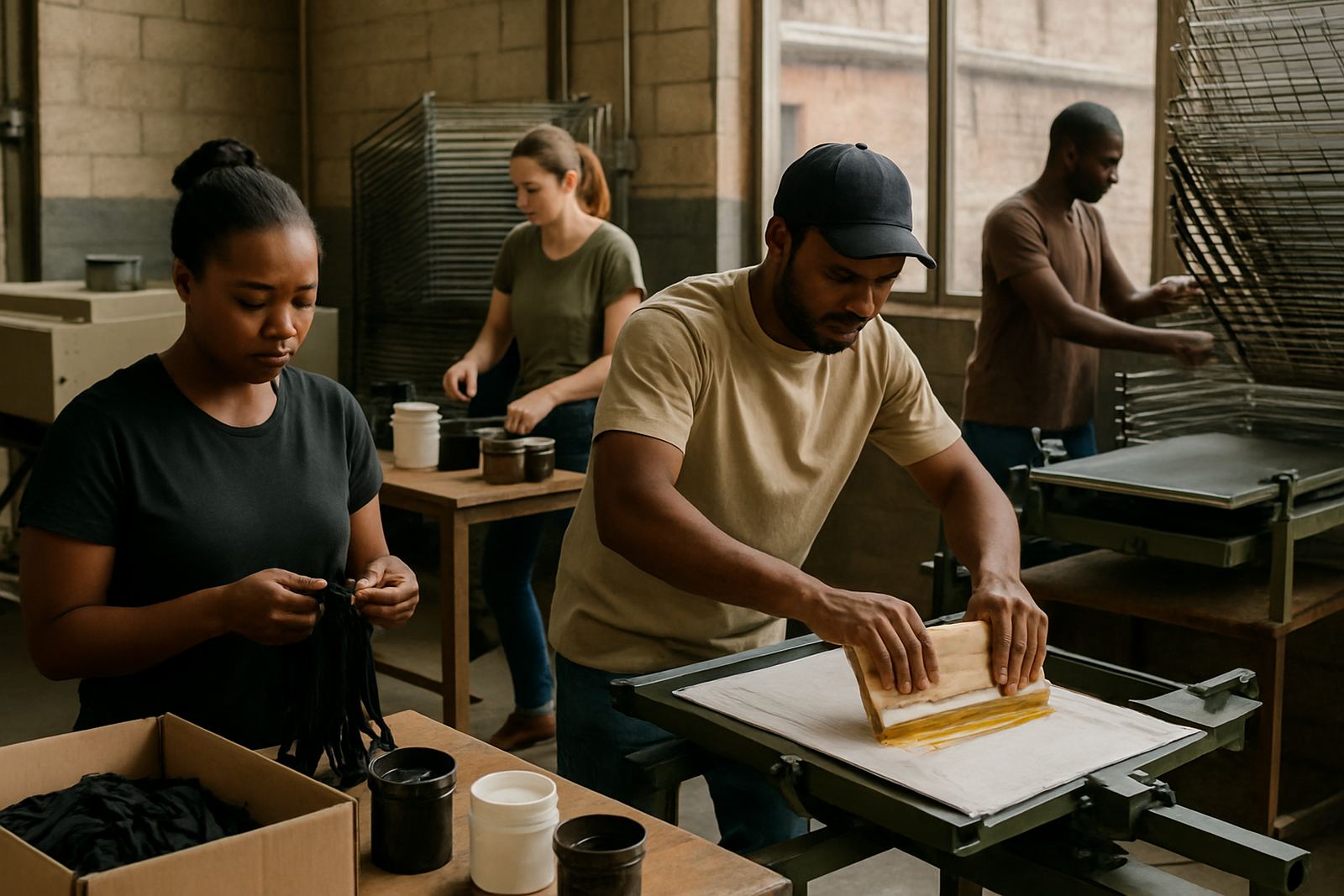
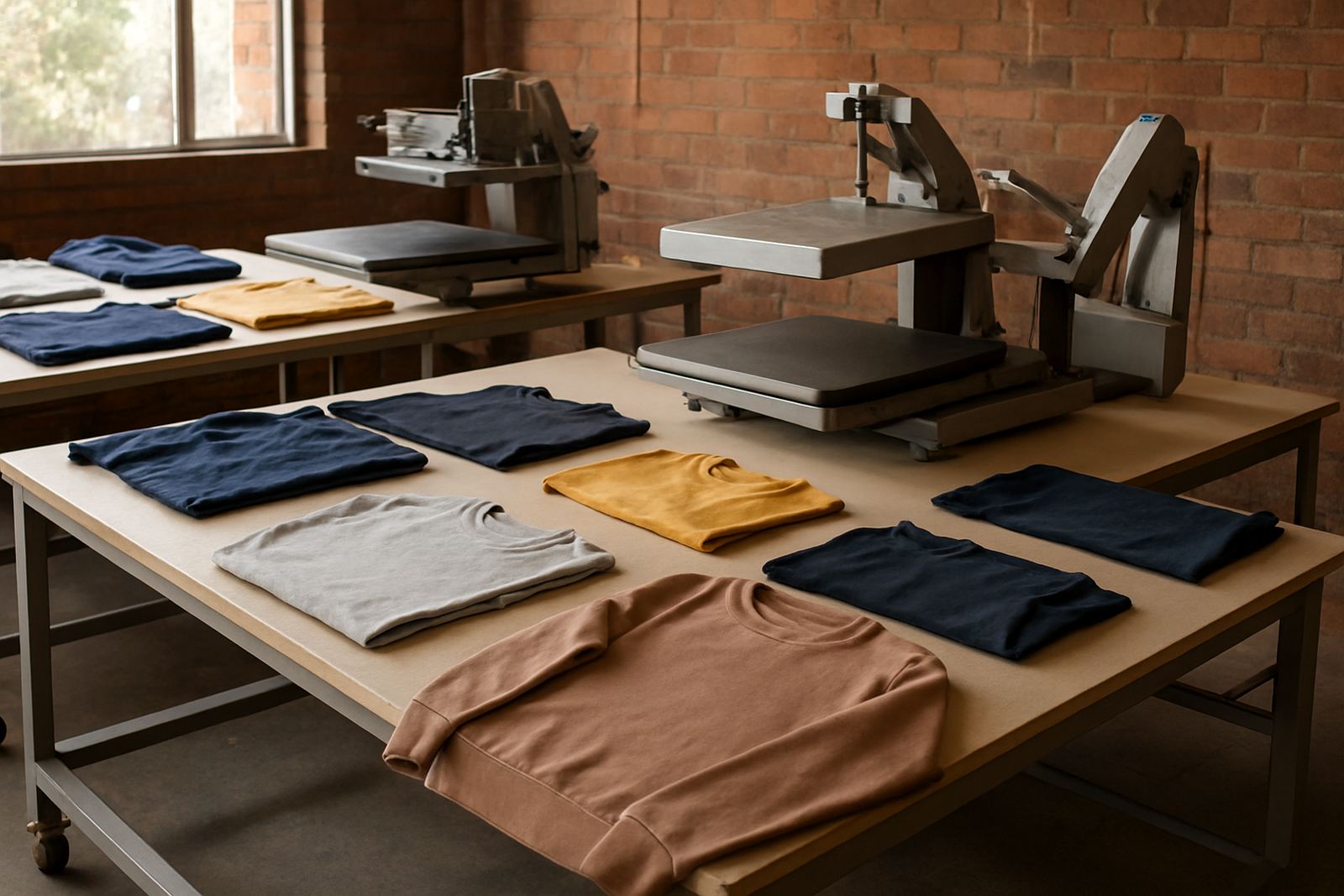
The client was a garment decorator serving industrial workwear orders in Boksburg, with repeat runs for aprons, utility shirts and heavier cotton blends. Their team was losing time on alignment and getting uneven print placement when switching between small chest prints, larger back graphics and apron fronts. On thicker items, the wrong support surface was leaving more movement than they wanted, especially during busy morning shifts.
The brief was straightforward. They needed durable platen support, simpler positioning steps and a setup that could cope with mixed garment sizes without constant rework. The shop also wanted something practical for local conditions, with ordinary factory dust, summer heat and the usual pressure of load-shedding on production planning. They asked for fewer touch points per garment and a system that the operators could trust after a short training period.
What We Reviewed Before Suppling the Line
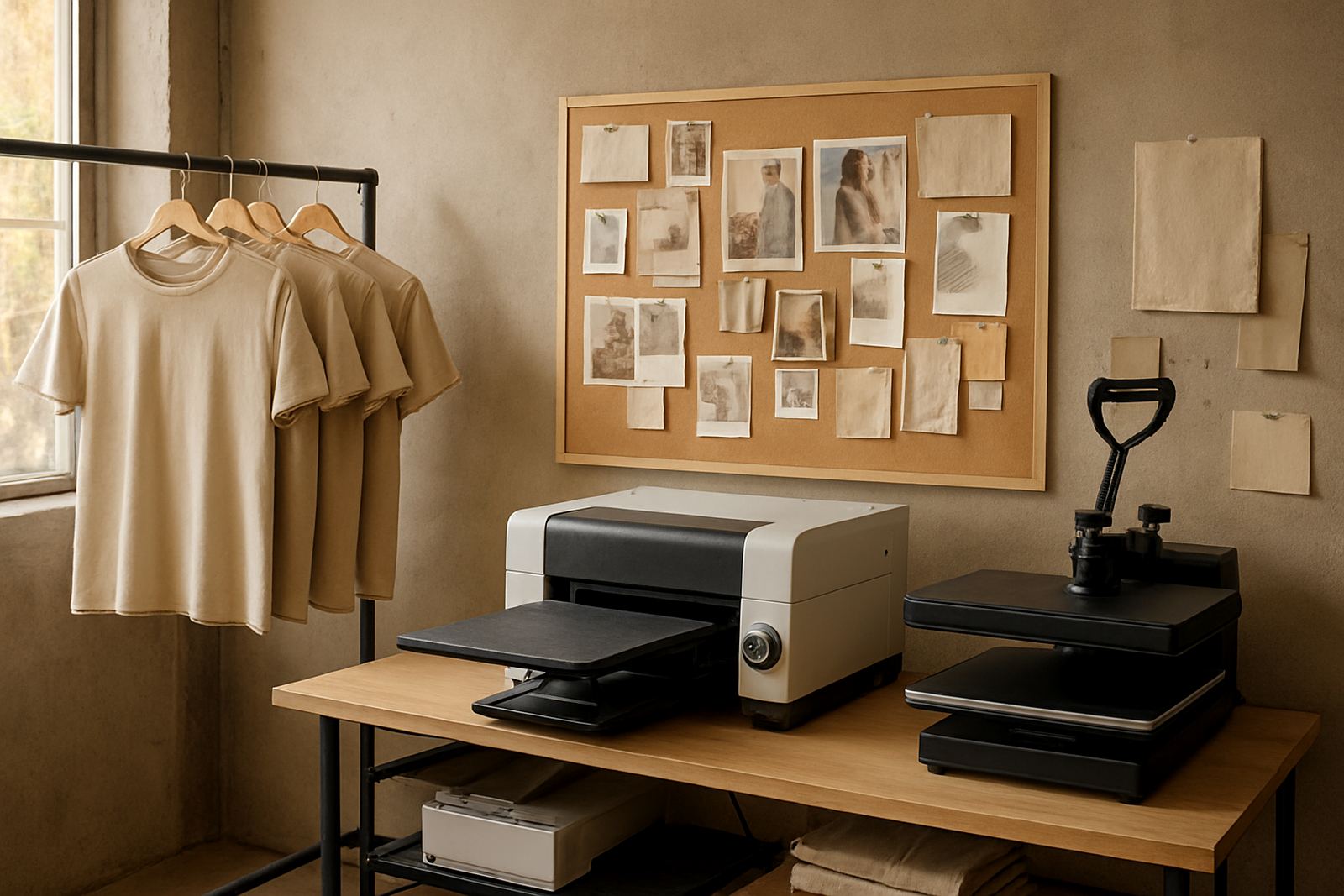
We started with a workflow review and sample testing session using their common garment types. That gave us a clear picture of where the process was slowing down: platen choice, loading position, first hit alignment and how the operators handled thicker seams on aprons. We also checked how often the team changed between sizes, because that had a direct effect on output over a full shift.
- Garment range: heavy cotton work shirts, polycotton shirts and aprons
- Typical print area: left chest, centre front and back branding
- Production challenge: frequent changeovers and uneven garment support
- Environment: warm workshop conditions and occasional power interruptions
- Goal: reduce reject pieces and simplify operator movement
The main issue was not only the platen surface itself but the way the operators were having to adjust their handling between jobs. A smoother setup would reduce mistakes and help newer staff get up to speed faster, which mattered because the shop was running mixed orders on tight turnarounds. They wanted something that was easy to repeat, not just easy to explain.
Platen, Hoop and Pretreat Setup We Supplied
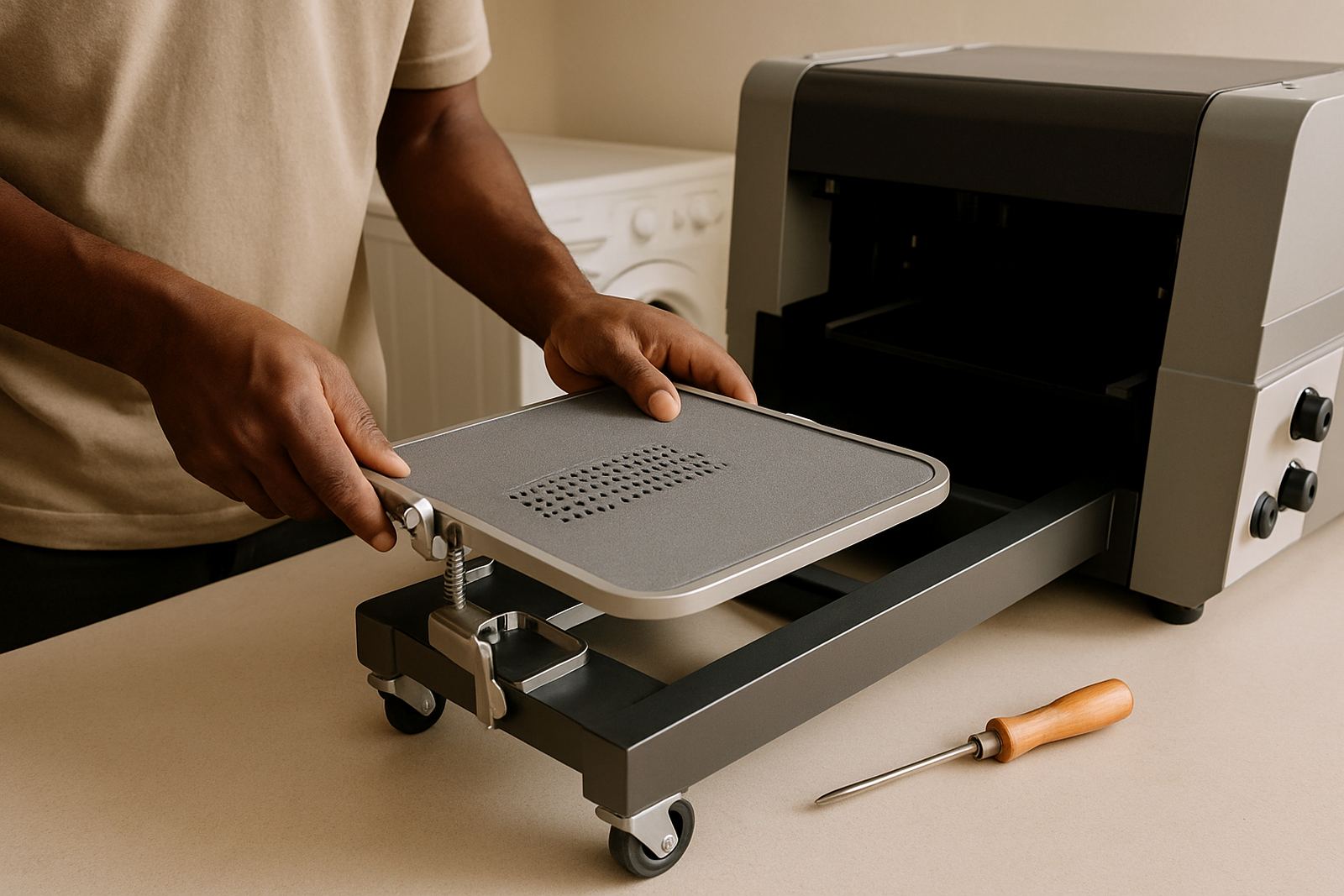
We supplied a matched set of support equipment for the workwear line, including custom platen sizes for heavier garments, hoops for controlled placement on smaller areas and pretreatment workflow support for darker items. The platens were selected to hold shape under repeated use and to give enough support under seams and thicker apron panels. For this site, that mattered more than chasing speed alone.
The setup included key sizes for the garments they run most often: a standard shirt platen, a larger back-print platen and a compact apron platen. We also set out a simplified pretreat sequence so the team could keep application even across fabric types. The aim was to reduce guessing, keep wet-to-dry handling consistent and make the first print hit more predictable.
- Platen sizes matched to the shop's most common workwear garments
- Hoop setup for repeatable positioning on chest and pocket area prints
- Pretreatment kit for darker cotton and polycotton items
- Operator notes for loading, alignment and curing order
- Remote troubleshooting support after installation
Installation and Training Over Two Weeks
The project ran over two weeks from first review to full handover. In week one, we completed sample testing, confirmed platen dimensions and mapped the print sequence with the team lead. In week two, we handled installation support, operator training and a final check on production flow. Because the shop was already busy, we planned the changeover around their quieter slots so they did not lose a full day of output.
Training covered platen changeovers, hoop placement, pretreat timing and how to keep alignment consistent across different garment weights. We also went through a few shop-floor habits that help on busy days, such as pre-sorting garment sizes and setting the next job before the current one finishes curing. That sounds simple, but it makes a real difference when orders stack up. The team picked it up quickly, though one or two setup steps needed a second run before they became muscle memory.
- Week 1: review, sample tests and job mapping
- Week 2: setup, operator training and final adjustments
- Support included remote help after handover
- Reconfiguration advice for seasonal workwear peaks
Results on the Production Floor
After the changeover, the shop reported a calmer loading process and fewer alignment corrections on the first press. Heavier garments sat more securely on the platen, which helped with print placement on chest positions and on the larger back runs. Aprons were less awkward to hold in place, and the operators said the simplified steps made it easier to keep pace when the queue got long.
We also saw better consistency between staff members. That matters in a workwear line where the team might have one operator pressing in the morning and another finishing the batch after lunch. A repeatable setup reduces variation, and that is what protects margins. In practical terms, they spent less time fixing shifted prints and more time keeping the machine moving.
For a Boksburg workshop, there is also the real issue of downtime. Power cuts, rush orders and supplier delays can all knock a small production line off balance. A more stable support setup gave them a better buffer when the day did not go to plan, which is often the difference between finishing on time or carrying jobs into the next shift.
What We Would Repeat for Another Workwear Shop
If we were setting up another workwear line, we would follow the same order: review the garments first, test the support equipment on real pieces, then lock in the platen sizes before training starts. That avoids buying the wrong accessories for the wrong fabric mix. We would also keep the pretreat process as simple as possible, because complicated steps tend to get ignored once the workshop gets busy.
For a shop in Boksburg, Germiston or anywhere around the East Rand, the key is matching equipment to the garments actually being printed, not to a brochure idea of what the shop might do one day. Heavy workwear needs steady support, clear positioning and a process that the whole team can repeat without second-guessing it.
- Start with garment samples, not assumptions
- Choose platen sizes around the busiest jobs
- Keep alignment steps short and easy to follow
- Build in support for staff rotation and peak periods
- Plan for power interruptions and schedule flexibility
That approach gave this client a cleaner, more dependable work rhythm and a better fit for the kind of jobs they actually run week after week.
Key facts
| Project town | Boksburg, East Rand |
|---|---|
| Client type | Workwear garment decorator |
| Timeline | 2 weeks |
| Supplied | Custom platens, hoops, pretreatment kit |
| Support provided | Installation, training, workflow review, remote troubleshooting |
| Key outcome | Faster alignment, steadier print placement, fewer rejects |