Boutique orders in Pretoria East need a gentler print process
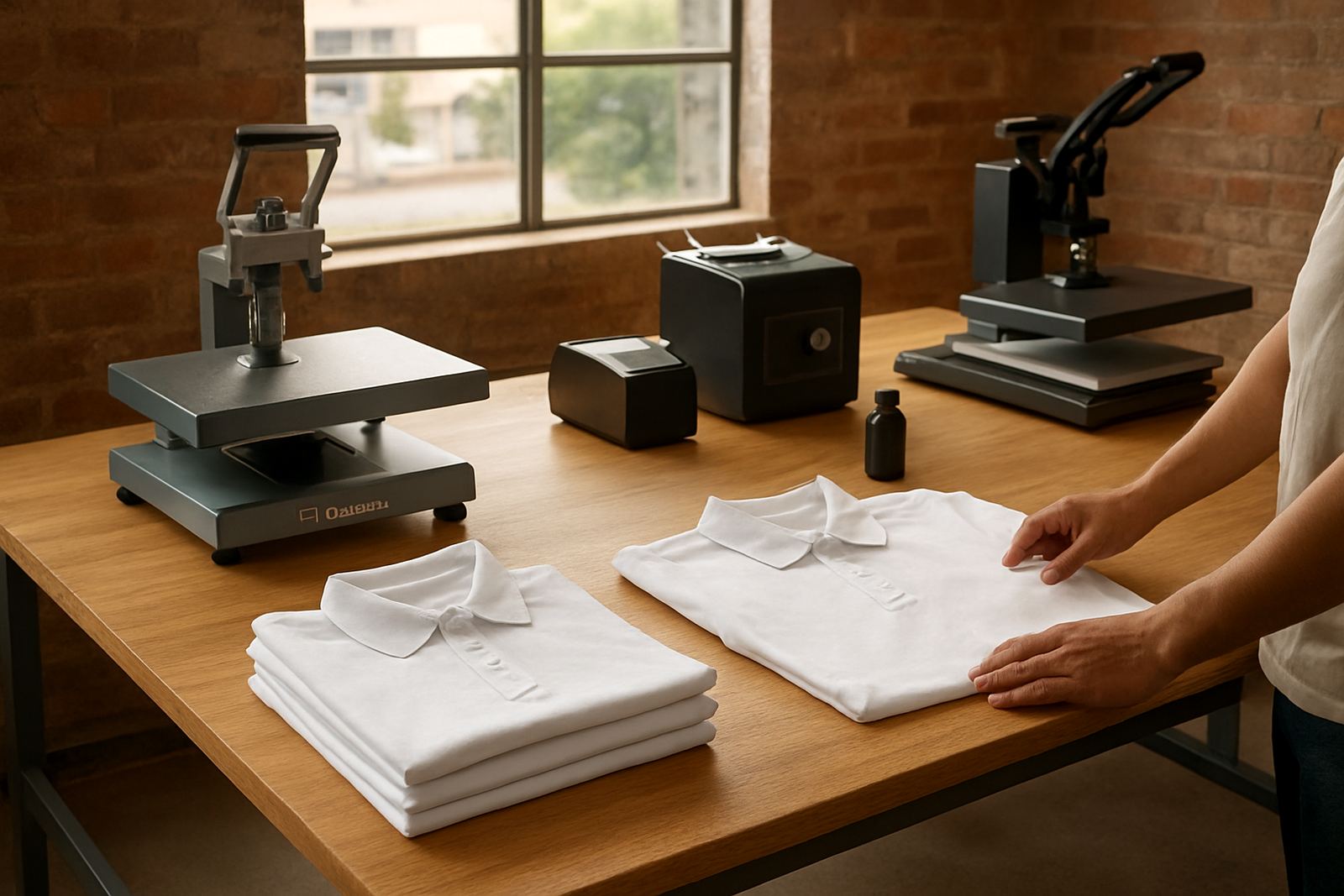
This project came from a boutique apparel shop in Pretoria East that was handling premium customer orders, giftwear and short-run branded clothing. Their work included fashion pieces, event garments and carefully finished custom items where the feel of the print mattered as much as the colour and placement.
The brief was simple on paper but demanding in practice. They wanted a neater setup for direct-to-garment printing that would keep fabric distortion low, improve repeat placement on small garments, and give the team a more controlled pretreat routine. The shop also had to keep moving during load-shedding and busy weekday collection windows, so the process had to stay practical even with power interruptions and a limited back room.
We started with a walkthrough of their current production flow, from incoming orders through to press and final inspection. That gave us a clear picture of where time was being lost and where prints were being affected by handling, misalignment or uneven pretreat. The shop team wanted fewer reprints, better consistency on soft-feel garments, and a quicker handover from prep to print to final pack-out.
What the shop needed from the new workflow
The client was not looking for a full factory reset. They needed a tighter workflow that suited a small but busy boutique floor, with enough flexibility for fine knits, cotton tees, hoodies and lighter promotional garments. Their main concerns were print placement on smaller chest areas, keeping the garment flat without stretching it, and making sure pretreat application was even from shirt to shirt.
- Soft-feel print results for premium customer orders
- Better repeatability on small chest and left-chest placements
- Cleaner pretreat coverage with less waste
- Fast changeover between adult and youth garment sizes
- Simple operator steps that staff could follow consistently
- Practical use during power cuts and short production windows
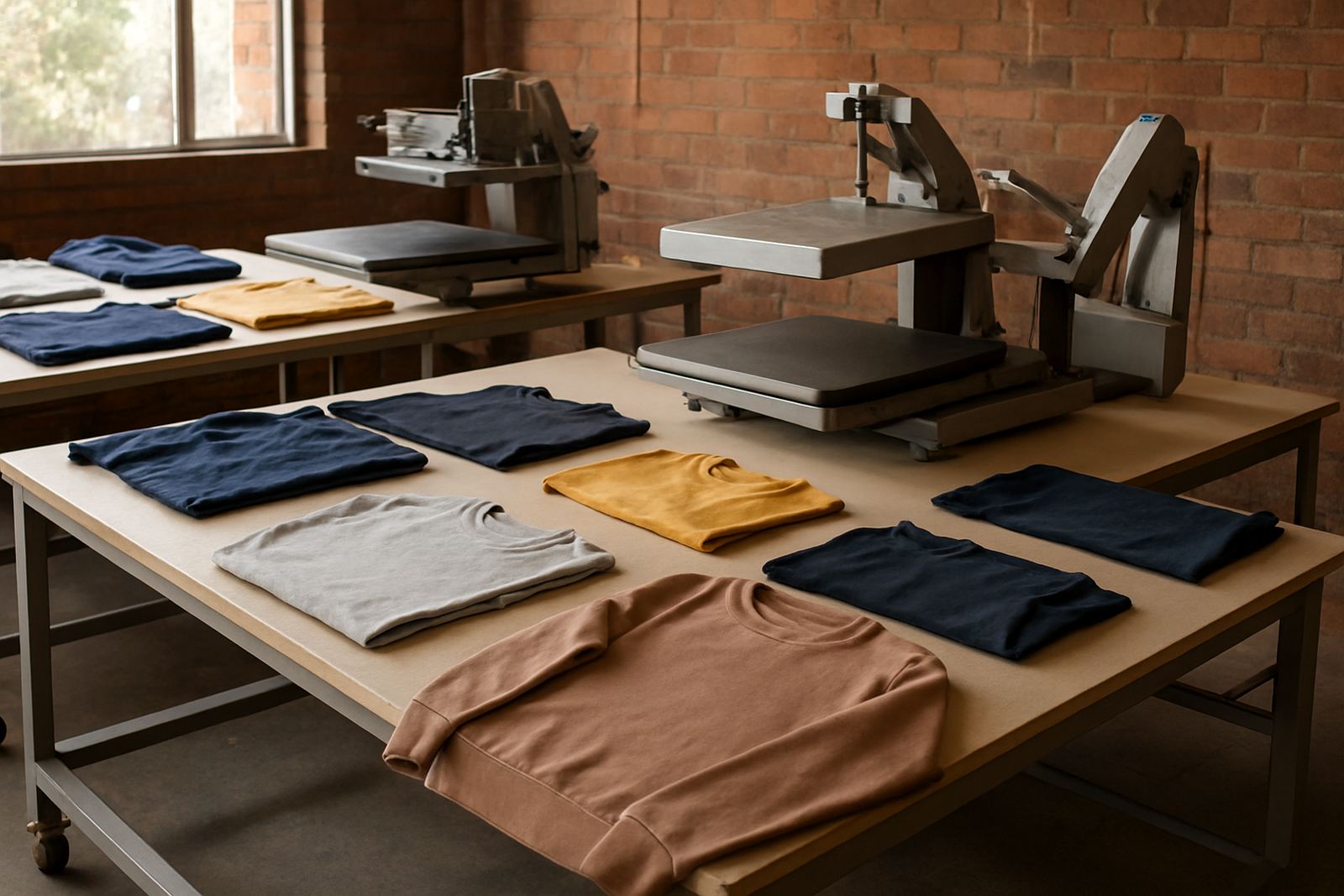
Because the shop worked with both fashion pieces and personalised orders, they also needed setup changes that would not slow them down when switching between garment types. A one-size-fits-all method would have created more handling and more small mistakes, so we planned around the actual order mix rather than a generic print room setup.
Platen, hoop and pretreat kit specification
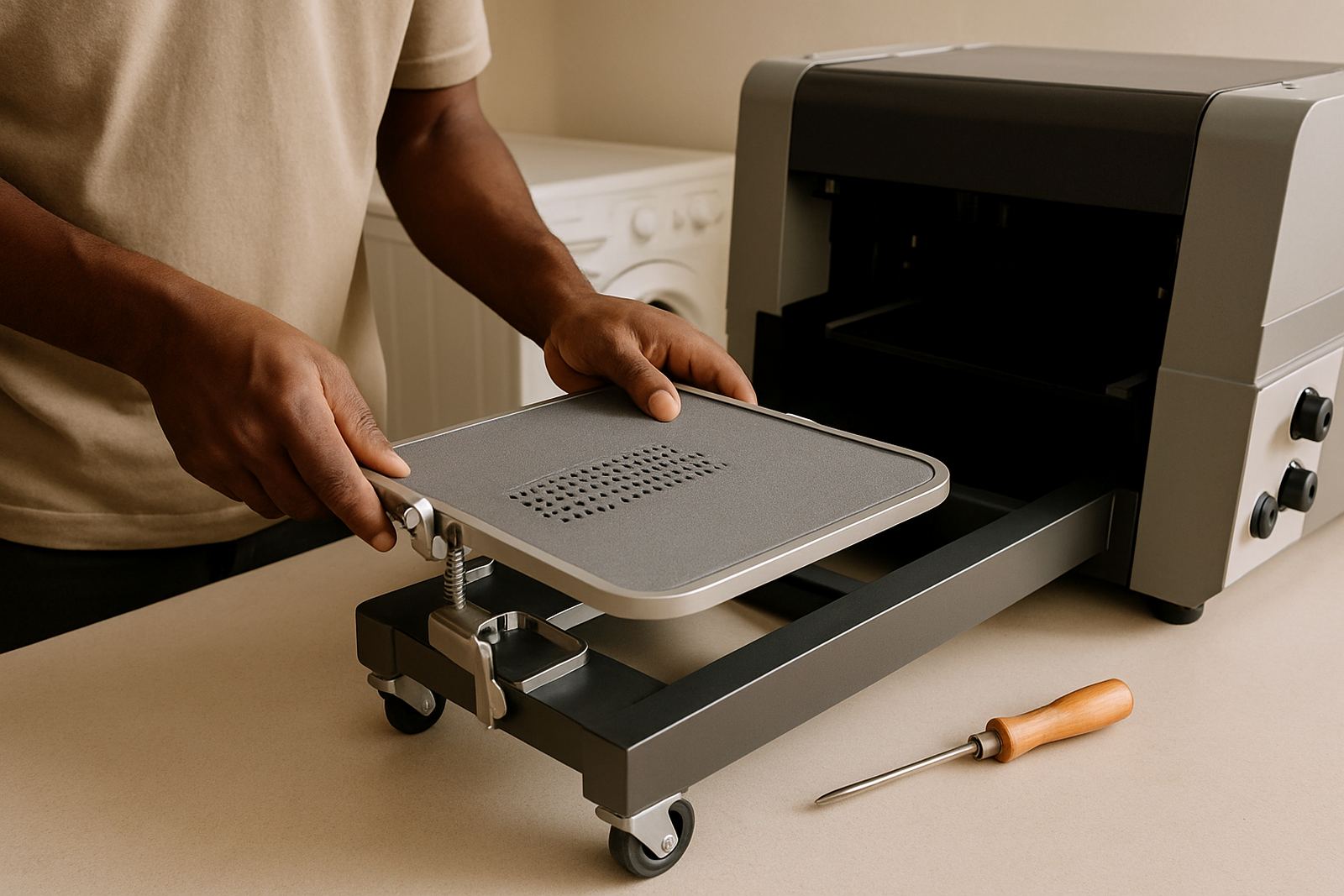
We supplied and set up a grouped solution made up of tailored platens, hoops and pretreatment support items sized to the garments they print most often. The platens were chosen to suit small and medium garments, with stable flat support for front and back placements. We also helped them match hoop choice to fabric type so that stretch issues and edge distortion were kept under control.
The pretreatment side was just as important. The shop needed a repeatable workflow for light and medium fabrics, especially for soft-hand jobs where too much liquid or poor coverage would show through after curing. We set up a clear sequence for application, drying and print timing so the team could work in the same way each time, even when there were two operators sharing the same space.
- Custom platen sizes for small chest, adult tee and youth garment work
- Hoops matched to garment type and print area
- Pretreat workflow for even coverage on cotton and blended fabrics
- Placement guides for repeat jobs and batch orders
- Setup notes for quick changeovers between sizes
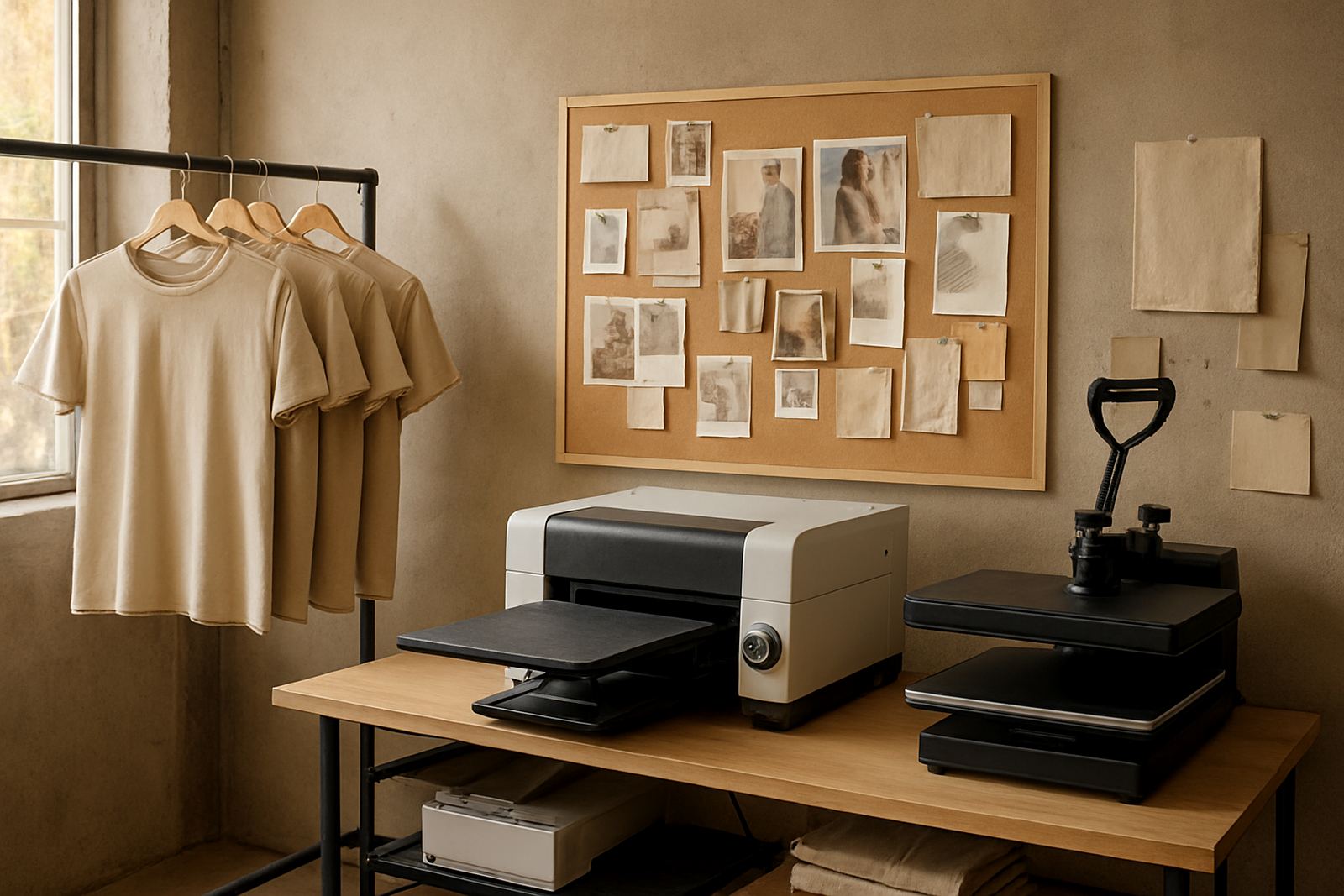
- Support for printing in a compact back-of-shop area
The aim was not to overload the team with gear. It was to give them the right tools for the orders they actually produce. In practical terms, that meant less movement, fewer alignment errors and a cleaner pritn result on the first pass.
Four-week rollout from review to production
The project ran over four weeks. Week one covered the shop review, garment sample checks and a layout discussion for where each stage of the process would sit. Week two focused on the platen and hoop setup, with attention to operator reach, table height and how garments were being loaded before print. Week three was used for pretreat workflow testing and sample output checks on a few of their most common fabrics. Week four covered staff coaching, timing adjustments and a final production review.
There was one important constraint throughout the job. The shop could not afford long downtime because they had booked customer work already lined up. So instead of taking a hard stop approach, we worked around their trading rhythm and kept each stage short and organised. That allowed them to keep printing while changes were introduced in manageable steps.
We also factored in Johannesburg supply timings for consumables and courier movement to Pretoria East. The shop wanted predictable turnaround for replacement items and a process that would not leave them waiting on parts when production was already tight. That fed into the final setup, which was designed to be easy to maintain with locally managed support and quick follow-through when something needed checking.
Training for steady output and fewer reprints
The technical side of the project mattered, but so did the people using it. We trained the operators on garment loading, platen matching, pretreat application, drying discipline and basic quality checks before print. The team also got support on recognising when a garment had shifted slightly, when a hoop tension needed adjusting, and how to keep the print area flat without overhandling the fabric.
- Operator training on loading and placement
- Print alignment help for repeat orders
- Pretreat workflow checks for even finish
- Simple sample testing on mixed fabrics
- Production notes for daily use by the team
After the training, the client had a clearer rhythm for production. The people on the floor knew what to do first, what to check before printing, and where problems were most likely to happen. That reduced backtracking and gave the shop more confidence when working on higher value garments that had to leave the floor looking polished.
Results for premium boutique work
By the end of the rollout, the shop had a more controlled workflow for premium orders and a better fit between garment type and print method. They were seeing cleaner positioning on smaller pieces, more consistent pretreat coverage and fewer reprints caused by movement or uneven preparation. The change also made the handover between operators smoother, which mattered during busy periods when several orders were moving at once.
The biggest result was not just speed. It was consistency. Their soft-feel jobs were coming out with a better finish, and the team could repeat that result across different garment sizes without having to improvise each time. For a boutique shop, that kind of control helps protect both margins and customer trust.
If we were doing the same job again, we would follow the same approach: start with the actual order mix, map the workflow around the room layout, and test on the garments that leave the shop most often. That is the right way to support a shop in Pretoria East or anywhere else where premium finish and quick turnaround both matter.
Key facts
| Client type | Boutique apparel shop |
|---|---|
| Town | Pretoria East |
| Project duration | 4 weeks |
| Main focus | Soft-feel direct-to-garment workflow |
| Supplied | Platens, hoops and pretreatment workflow support |
| Support included | Training, alignment help, sample testing and workflow review |