Why the Randburg studio needed a new platen mix
This project came from a fashion-focused studio in Randburg that was handling fitted tees, cropped tops, kidswear, and limited-run promo pieces in the same space. Their team was doing solid work already, but the platen selection was slowing them down when garment sizes changed through the day. Small chest prints on medium and large garments were fine, but narrow body panels, side seams, and stretch fabrics were causing alignment issues and a bit too much handling.
The brief was practical: improve speed, keep print placement consistent, and make the range of platens easier for operators to swap during busy shifts. The studio also wanted a better pretreatment process for darker garments and a setup that would suit both planned fashion drops and last-minute sample approvals. As with many shops in Gauteng, they needed equipment that could cope with power interruptions, courier lead times and a floor that can get hot in summer, then very dry in winter.
We started with a workflow review and looked at how garments were being loaded, where time was lost, and which platen sizes were being used too often for the wrong garment type. The main issue was not the printer itself. It was the way the print table, platen mix, and pretreat sequence were arranged around the kind of work the studio actually takes on.
- Location: Randburg, Johannesburg
- Project type: fashion studio platen and workflow refinement
- Main focus: fitted garments, short-run drops, sample work
- Working window: 3 weeks from review to handover
What we supplied and adjusted on site
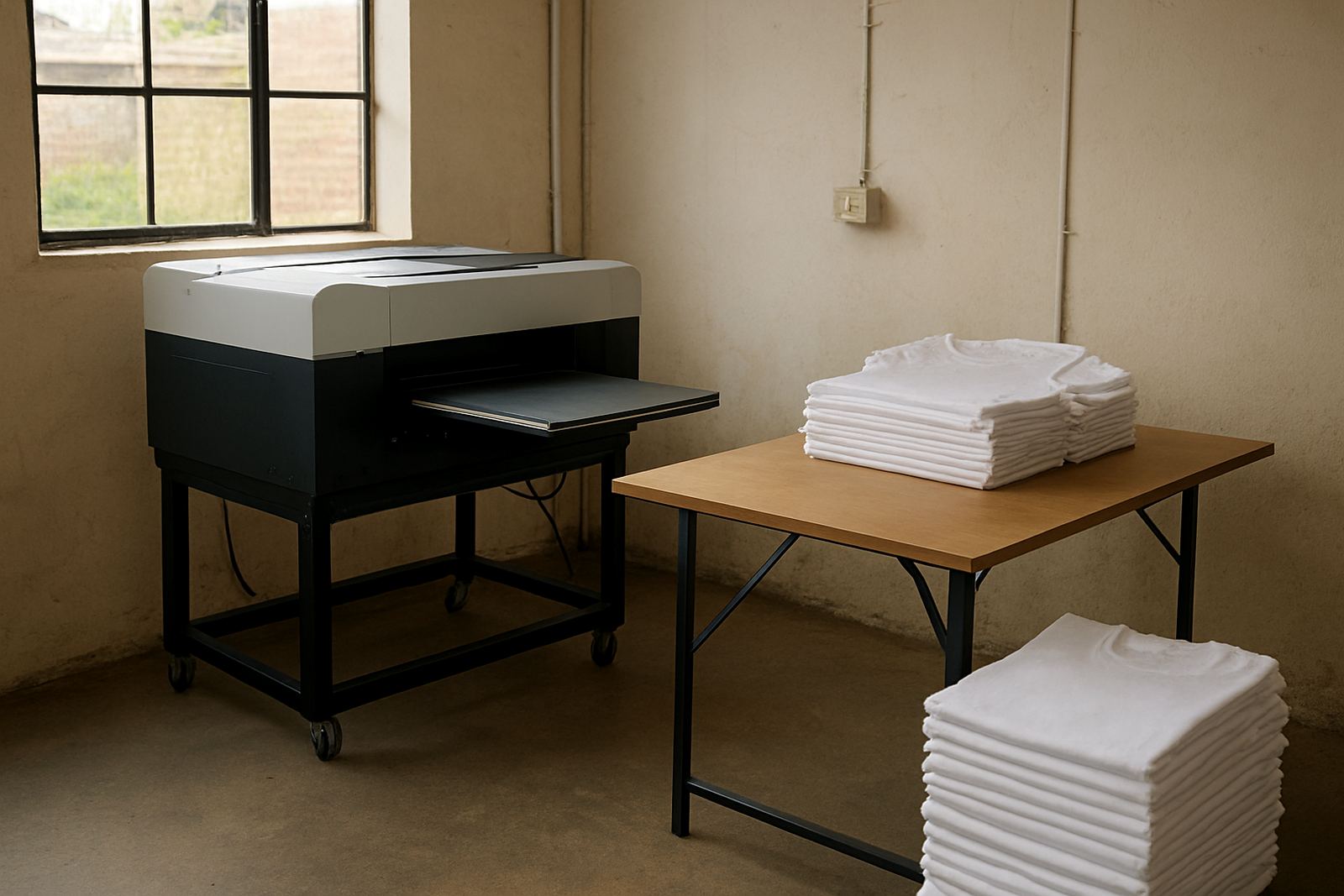
We supplied a mixed platen set selected for the studio's garment range, including smaller platens for youth and fitted pieces, mid-size platens for general fashion tops, and a wider platen for front prints on standard adult garments. We also added hoops for select items that needed better hold during print prep and pretreat handling. The aim was to cut down on over-stretching fabric and improve registration on narrow garments where placement matters.
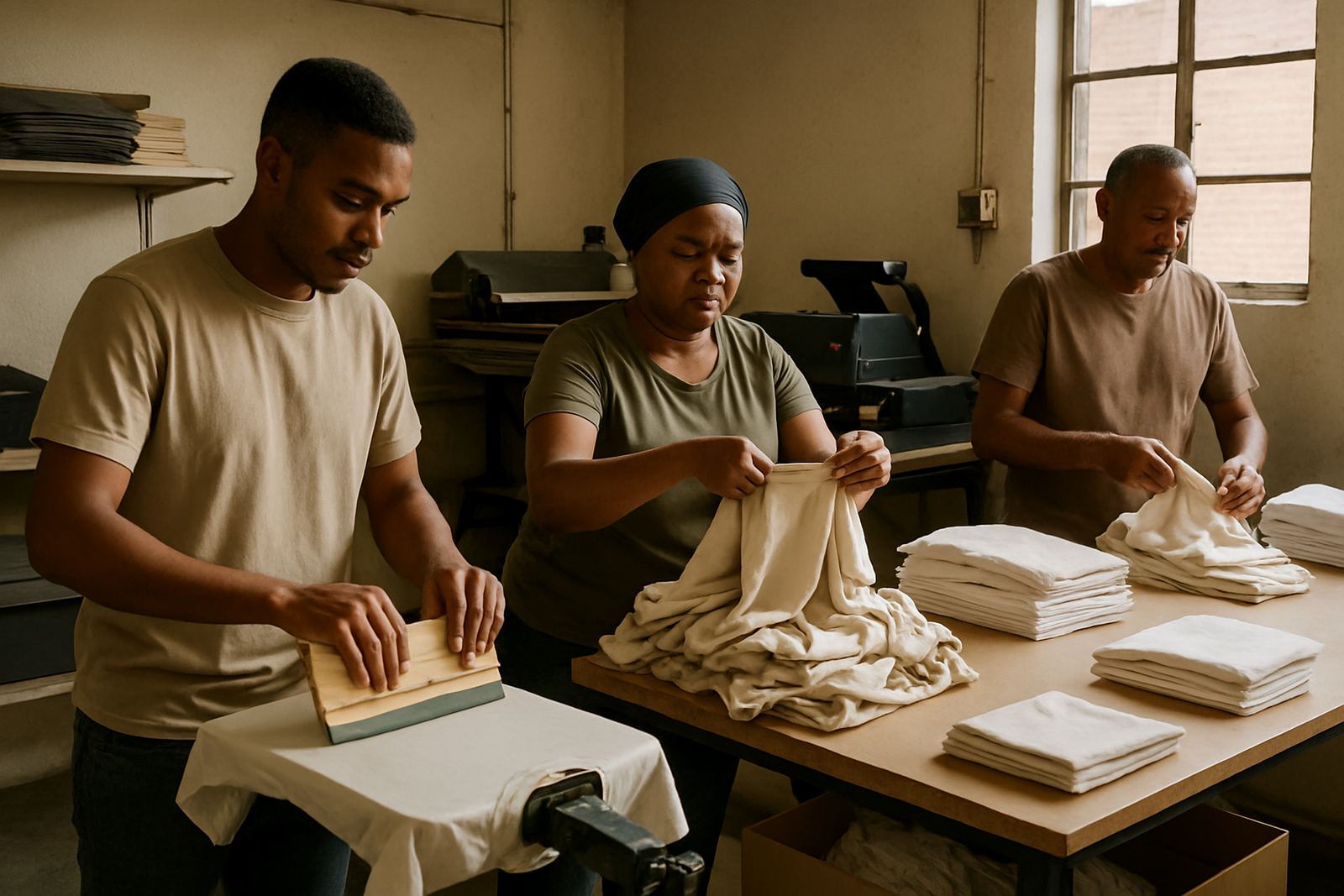
For the pretreatment side, we helped the team set up a cleaner workflow with measured application, drying control, and a repeatable check before printing. That mattered for darker cotton blends and some synthetic blends that tend to behave differently when moisture is left in the fabric. We showed the operators how to keep garments flat without overloading the platen, which reduced ghost marks and helped with cleaner edge definition.
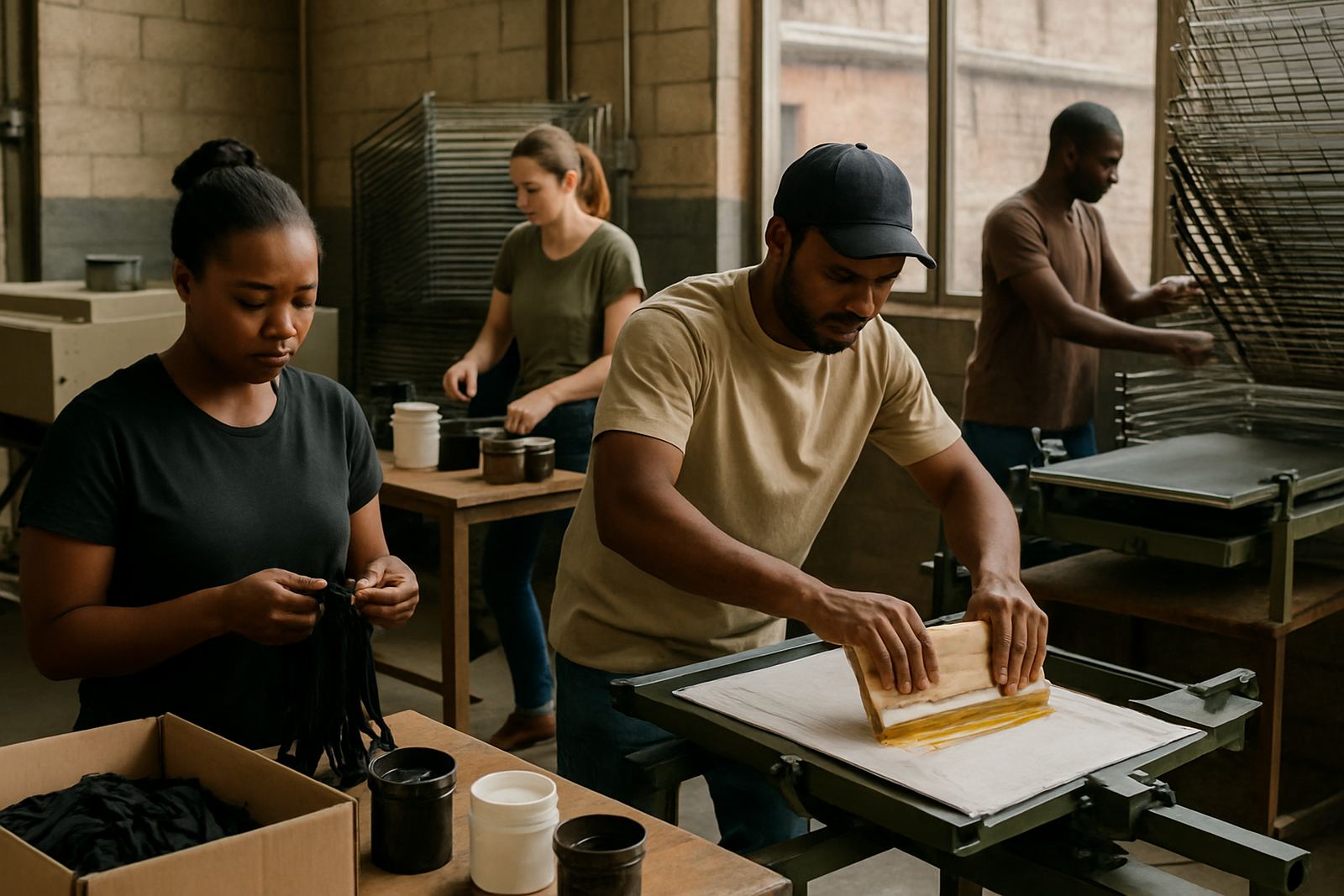
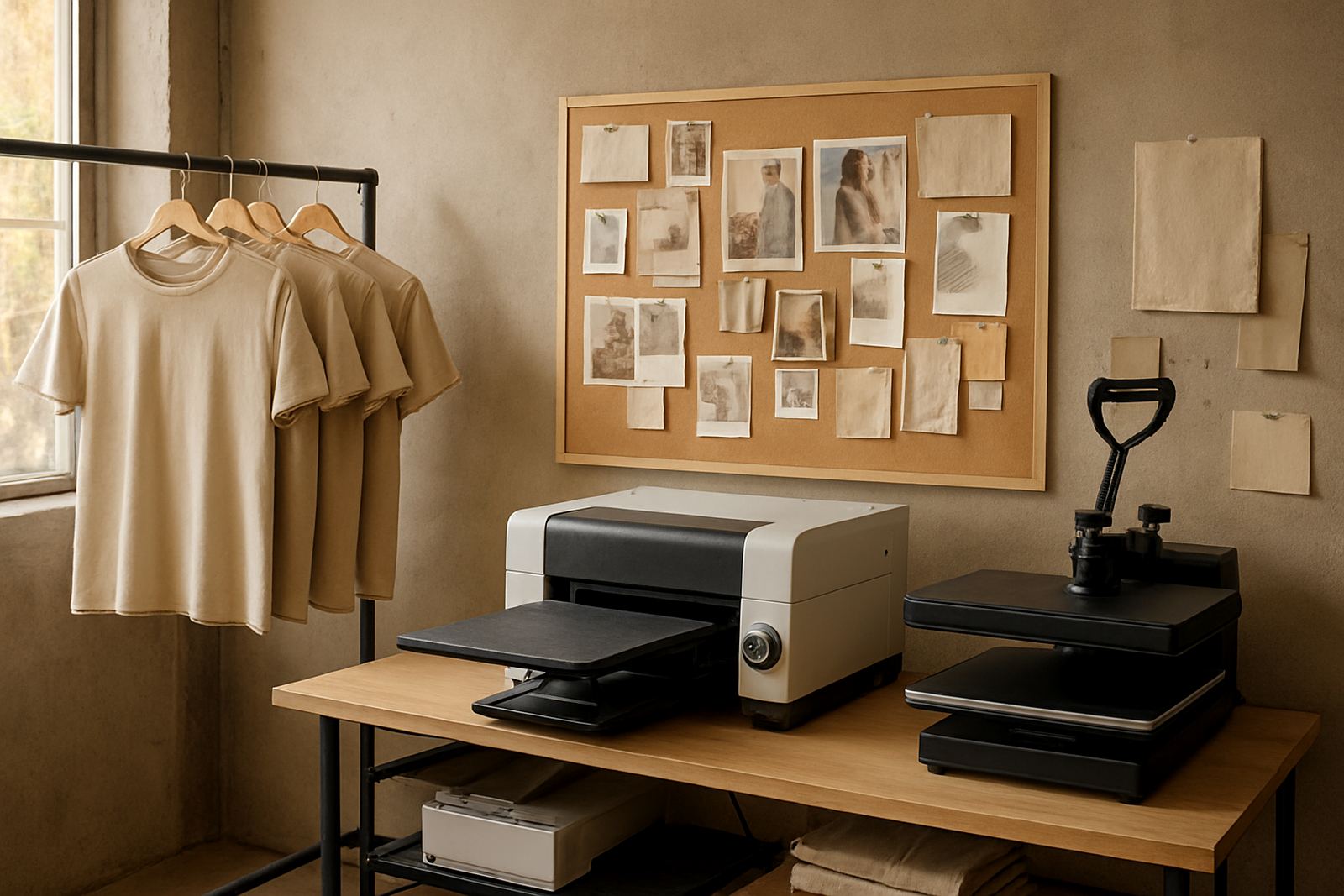
Because the studio does short-run drops, we also reviewed how jobs were queued. Some items were being moved through the heat press or printer in the wrong order, which meant the team was losing time reconfiguring the setup. A small change in platen selection and job grouping made the floor easier to manage. One operator could prep while another printed, and the handoff between stations became more predictable.
- Platen sizes adjusted for fitted and standard garments
- Hoops set for better hold on narrow panels and sample pieces
- Pretreat sequence standardised for darker fabrics
- Job flow changed to reduce unnecessary swaps and handling
Constraints the studio was working around
The Randburg team had a few limits that shaped the solution. Space was tight, so the setup had to stay compact and easy to clear for cleaning. Their production is mixed, which means one hour can be fashion samples and the next hour can be a quick run of event tees. That kind of work needs flexibility without turning the floor into a jumble of parts.
There was also a skills gap with newer staff. Some operators were confident with print output but less sure about platen choice, garment positioning, and pretreat handling on different fabric weights. We kept the training simple and job based, so the team could use the new setup without relying on one person for every adjustment. In Johannesburg, that matters when staff rotate or when orders come in late on a Thursday and need to move by Friday morning.
We also considered the local supply rhythm. The studio wanted parts and accessories that could be couriered quickly from Crown Mines if something was needed after a busy week. For a fashion studio, waiting too long for a replacement can delay a launch, which means missed sales or a late fitting. Keeping the workflow dependable was just as important as the equipment itself.
Timeline and handover process
The project ran over three weeks. In week one, we completed the workflow review and identified the platen sizes that were being overused. In week two, we supplied the new platen mix, adjusted the pretreat steps, and worked through sample tests on the most common garment types. Week three was used for operator training, print alignment checks, and a final production review with the studio team.
The handover included hands-on guidance for garment loading, platen changeovers, and pretreat drying checks. We also covered seasonal reconfiguration because the studio's work changes with the year. Winter garments are heavier and can hold moisture differently, while summer ranges often use lighter knits and stretch blends. Having a clear system helps the team avoid re-learning the setup every season.
- Week 1: workflow review and garment mapping
- Week 2: platen supply, sample tests, pretreat adjustment
- Week 3: operator training and final sign-off
- Support after handover: remote troubleshooting and courier supply from Crown Mines
Results for fitted garments and short-run drops
After the changes, the studio saw quicker platen changes and fewer alignment corrections on fitted garments. The smaller platens made it easier to keep prints centred on narrow tees and cropped pieces, while the wider platen improved consistency on standard fashion items. The team also reported less fabric movement during loading, which helped with cleaner output and fewer spoiled blanks.
The pretreat workflow became easier to repeat, especially on darker items where even coverage is important. That had a knock-on effect on print quality and reduced the need for rework. For short-run drops, the biggest gain was time. The studio could move through mixed jobs with less stopping and starting, which matters when a supplier or client wants a quick turnaround and the order is only 12 to 30 pieces.
In practical terms, the studio gained a more reliable setup for production days that used to feel rushed. It did not turn the business into something different. It simply made the existing floor work better for the kind of clothing they sell and print every week. The team could also plan around courier deliveries and local support more confidently, which is useful when a shop is balancing fashion deadlines with the realities of Gauteng production.
What we would repeat on the next fashion project
If we were doing this project again for another Randburg or Sandton fashion studio, we would start with the same three steps: map the garment mix, audit the platen sizes, and review the pretreat routine before touching the printer settings. That sequence saves time and stops shops from buying the wrong accessory for the wrong job. It also helps identify where the real bottleneck is, which is often the loading and setup process not the print engine itself.
We would also keep the training short, practical, and built around actual garments from the studio's range. Sample testing on live stock is worth more than a general demonstration. When the team sees how fitted fabrics sit on the platen and how lighter blends react in real conditions, they make better calls on the floor. That is especially true in a city where power cuts, humidity shifts, and busy courier cut-offs can all affect a production day.
For studios working in Randburg, Pretoria East, Midrand or the East Rand, the same approach holds up well. Start with the job list, match the platen to the garment, then build the pretreat and handoff process around how the team actually works.
Key facts
| Client type | Fashion-focused garment decoration studio |
|---|---|
| Town | Randburg, Johannesburg |
| Project duration | 3 weeks |
| Core equipment | Mixed platen set, hoops, pretreatment workflow support |
| Typical garments | Fitted tees, cropped tops, kidswear, standard adult fashion tops |
| Support model | Onsite support visit, remote troubleshooting, courier supply from Crown Mines |