From Market Stall to Repeat T-Shirt Orders
The client was a clothing seller trading at a busy market in Krugersdorp and handling small custom T-shirt orders between stall work and customer calls. As the number of repeat orders grew, the setup became too informal for consistent printing. Shirts were being aligned by eye, pretreated in a hurry, and changed over too slowly when different sizes came in on the same day.
The brief was simple on paper: make the work more organised, improve print placement, and reduce waste without turning the operation into a factory. The owner needed a setup that could be run by one or two people, cope with power interruptions in the area, and still give neat results on cotton tees, blends and the odd promotional garment. It also had to fit into a cramped work area where stock, heat tools, and packing material all shared the same room.
What Was Holding the Job Back
Before we stepped in, the main constraints were space, speed, and repeatability. The operator was using mixed tools gathered over time, which meant each shirt took too long to prepare and the print position shifted from one batch to the next. On market days, that made it difficult to promise collection times with confidence, especially when urgent orders came in late on a Friday.
There were also practical local issues. Load-shedding could interrupt pretreat prep or curing, and the workshop got warm and dusty. In winter the dry air was fine, but after rain the humidity made some garments feel damp and slowed down the handling process. The setup needed to be quick to clean, easy to reset after a power cut, and practical enough for daily use in a small town business. We also had to keep the process simple enough that a stand-in operator could follow it without guesswork. No fancy routine, just a proper one.
- Limited workspace with no room for oversized jigs
- Mixed garment sizes, from youth tees to 2XL
- Uneven print placement on repeat orders
- Power cuts and stop-start production days
- Need for quicker changeovers between jobs
The Platen and Hooping Setup We Supplied
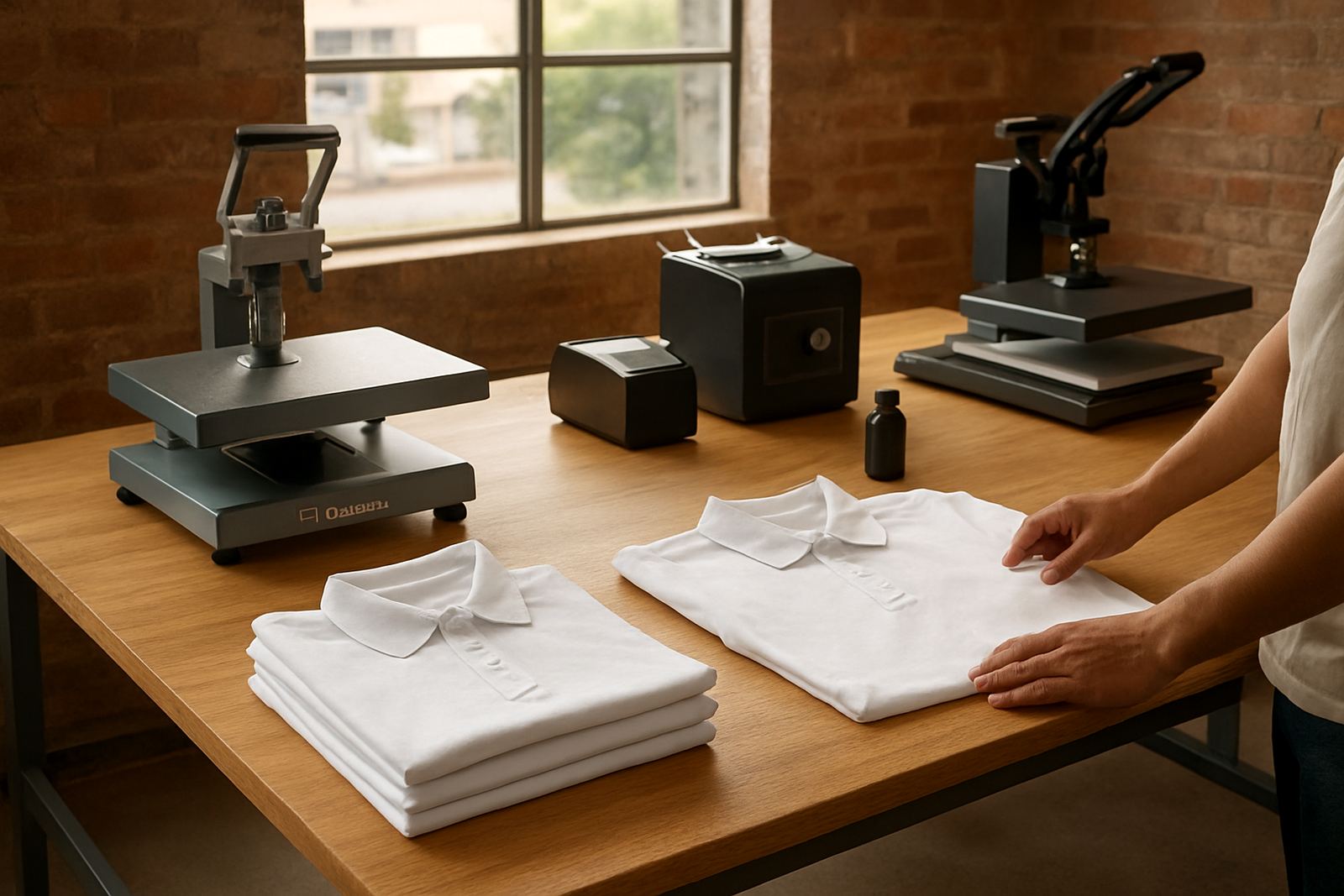
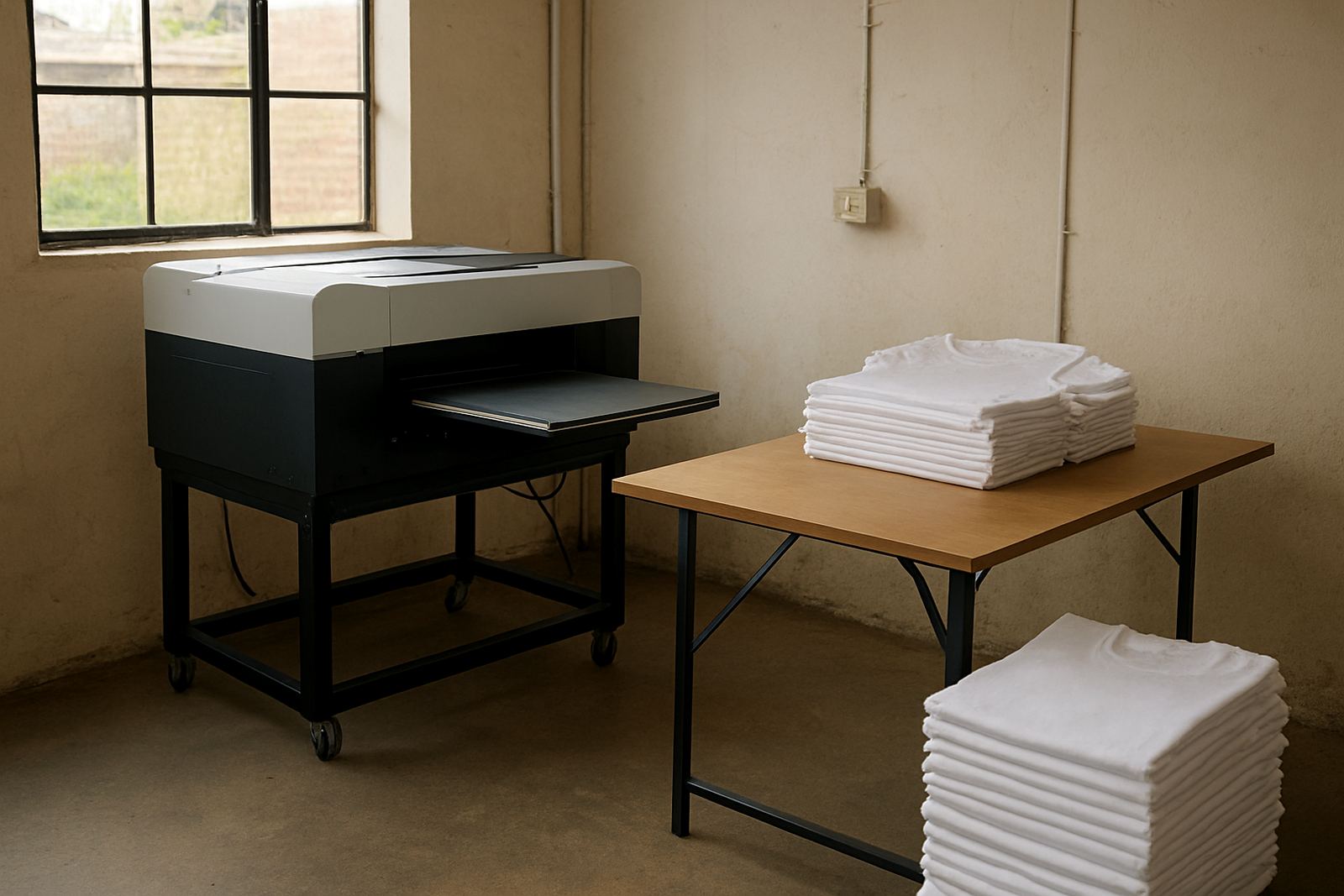
We supplied a set of direct-to-garment platens sized for the client’s main garment range, along with garment hoops for flatter loading and more stable placement. The larger platen was used for adult tees, while the smaller boards helped with youth sizes and short-run samples. For hoodies and thicker items, the setup was adjusted so seams and pockets stayed out of the print zone. That reduced the number of misprints straight away.
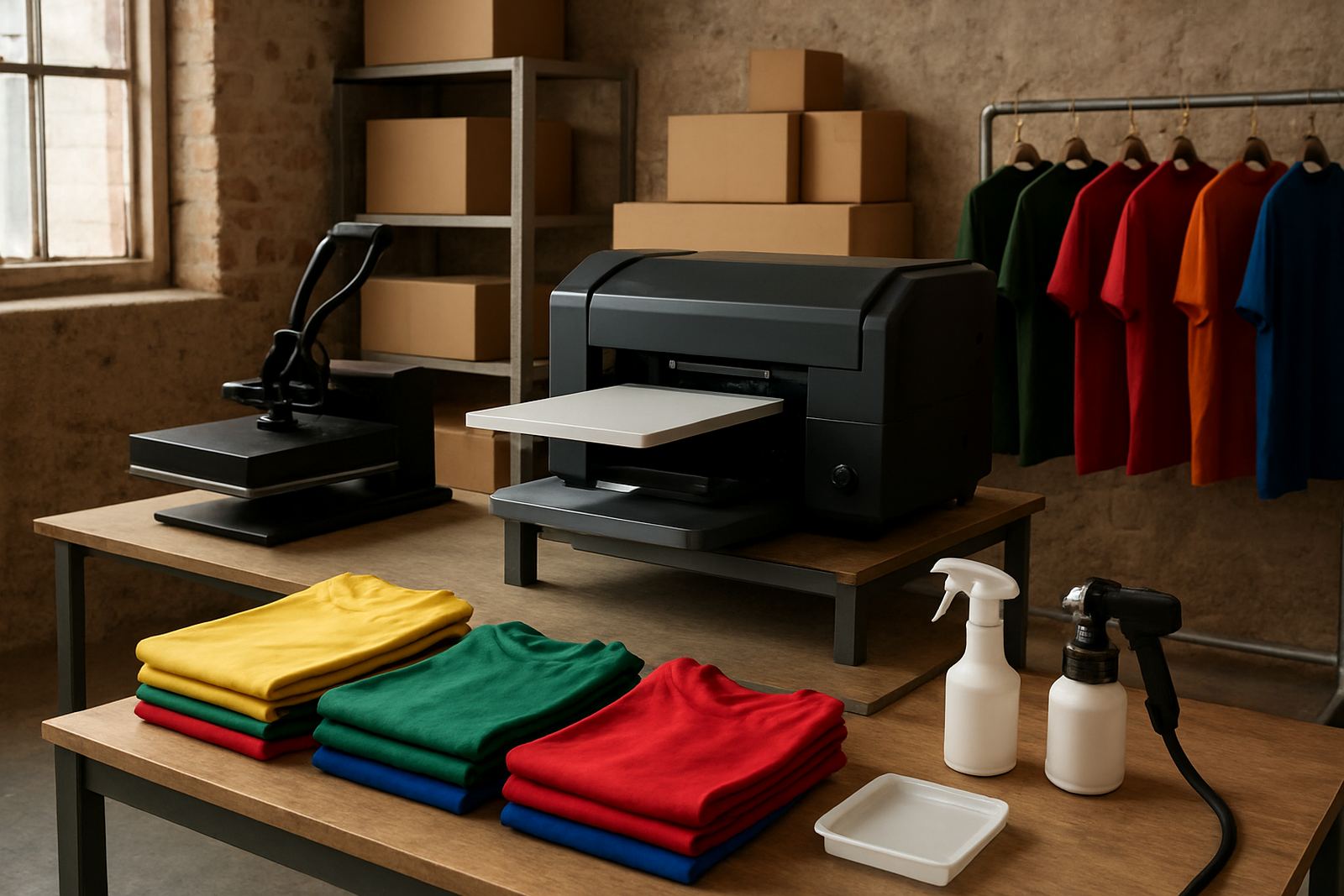
The pretreatment kit was matched to the kinds of garments the client was buying locally, especially cotton-rich tees for event orders and market resale. We also helped set a sensible workflow for spraying, drying, loading, and checking alignment. The goal was not just better print quality, but less handling from start to finish. A neat job starts before the shirt even goes under the print head.
- Custom platen sizes for small, medium, and large garments
- Stable hoop setup for repeatable placement
- Pretreatment process matched to fabric type
- Simple loading order to cut handling time
- Cleaner edges on front prints and left chest work
Workshop Support and Onsite Fine Tuning
Once the physical setup was in place, our team spent time on workflow review and operator training. Thabo Mokoena oversaw the project direction, while Ayesha Naidoo coordinated the handover and schedule. Sipho Dlamini handled technical setup advice, Johan Smit checked the workshop fit-out, and Zanele Khumalo guided the training session. Lerato Molefe managed the order follow-up and made sure the client knew what to ask for when new garment types came in.
We did one onsite support visit to test platen height, placement reference points, and pretreat application. Then we walked through a few sample prints and adjusted the process where needed. The client wanted to keep things practical, so we focused on what could be repeated every day without special tools. That meant clear steps, not a thick manual. We also showed how to reset the area after a power cut so the next shirt could be loaded the same way as the first.
Timeline and Key Specs
The project ran over three weeks from first discussion to final handover. Week one covered the brief and space check. Week two covered supply, setup, and first tests. Week three covered training, sample runs, and final adjustments. Because the client was already trading, we kept the changeover tight so there was no long stoppage in daily sales.
The main aim was to give the business a repeatable system that could handle short runs and small custom batches with less waste. That included clearer platen selection, better garment handling, and a pretreat routine that was easy to maintain even on busy days. We also made sure the workbench area stayed manageable and did not become cluttered with extras. That matters more than people think when a shop is small and orders come in from all sides.
What Changed After the Reset
After the setup change, the client could align garments faster and keep print positions more consistent from one order to the next. Misaligned prints dropped, pretreat use became more controlled, and the operator spent less time guessing which board to use. That also meant fewer wasted shirts, which is a big deal when a market business is trying to keep margins healthy.
The client also reported easier handovers when someone else had to help in the shop. With the process laid out properly, a second person could load and prep without asking the same questions over and over. Jobs that used to feel rushed became more organised, and the owner could take on more custom work with less stress. It was a small setup, but it now works like a proper production corner instead of a patchwork of tools.
- Faster garment loading and alignment
- Lower waste on test shirts and repeat orders
- More consistent print positioning across sizes
- Better handling during power interruptions
- Cleaner workflow for single-operator production
What We Would Repeat on the Next Job
If we were doing this again for another Krugersdorp trader or a similar small shop, we would keep the same approach: start with the actual garment mix, measure the workspace properly, and build the platen and pretreat process around the orders that come in most often. That is the part that saves the most time later. A setup only works if it matches the way the business really trades, not how someone imagines it should trade.
We would also continue to plan for local conditions from the beginning. That means thinking about load-shedding, limited stock space, heat, and dust, plus the way municipal and market trading routines affect daily production. With the right groundwork, a small T-shirt operation can grow without losing control of quality. The Krugersdorp project showed that even a modest stall-based business can move into a far more organised rhythm with the right support and a plain, sensible setup.
Key facts
| Client type | Market seller moving into on-demand T-shirt production |
|---|---|
| Town | Krugersdorp |
| Project duration | 3 weeks |
| Core supply | Direct-to-garment platens, hoops, pretreatment kit |
| Support included | Platen installation, workflow review, sample testing, training, onsite visit |
| Outcome | Faster setup, cleaner alignment, less waste, steadier repeat orders |