Student Wear Needed Fast Turnaround, Not a Heavy Setup
The client was a campus-facing garment seller in Braamfontein serving students, societies and small event teams across Johannesburg. Their work was mostly T-shirts, hoodies, tote bags and short runs for varsity launches, so the setup had to suit mixed garment types without slowing down the day. They also needed a system that would work in a tight shop floor where space was limited and stock had to be moved in and out quickly.
The brief was simple on paper but strict in practice. They wanted sharper print placement, less waste on test garments, and a repeatable method that staff could follow after the busy rush times. Their previous routine relied too much on guesswork, which led to off-centre prints, pretreat inconsistency, and extra reprints when orders came in for the next day.
Because the store handled smaller batches rather than long production runs, they did not need a large industrial changeover. What they needed was a better fitting workflow, with the right platen sizes for student apparel and a clean handover process for new operators.
What We Found On Site In Braamfontein
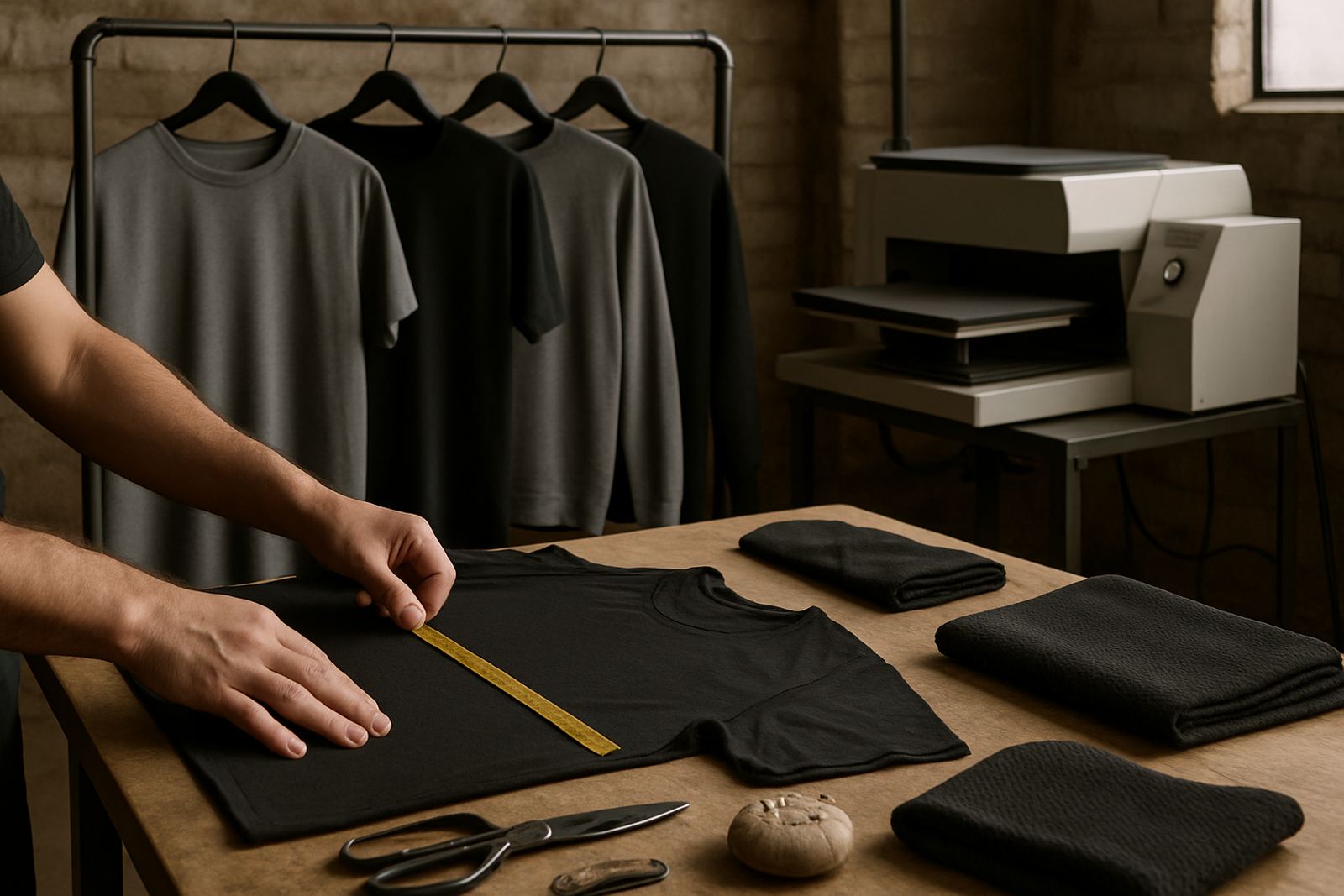
We started with a site review and sample test session over one week, then mapped the current print path from garment prep through to pressing and curing. The main issues were easy to spot: one platen size was being used too broadly, pretreat coverage varied from operator to operator, and there was no fixed check before loading the garment onto the press. In a busy campus environment, that meant small mistakes kept repeating.
There were also practical constraints that shaped the solution. Power interruptions had to be factored in, so the team needed a workflow that could restart cleanly after load-shedding without wasting treated garments. The shop was also dealing with fabric variety from lightweight cotton tees to heavier fleece items, plus a few moisture-sensitive garments that needed careful handling in Johannesburg's dry winter and humid summer shifts.
- Work area: compact retail production floor in Braamfontein
- Order style: small batches with quick repeat demand
- Garments: T-shirts, hoodies, tote bags and society wear
- Main pain points: off-centre prints, uneven pretreat, slow changeovers
- Operational need: simple process for staff on mixed shifts
Platens, Hoops And Pretreat Control We Supplied
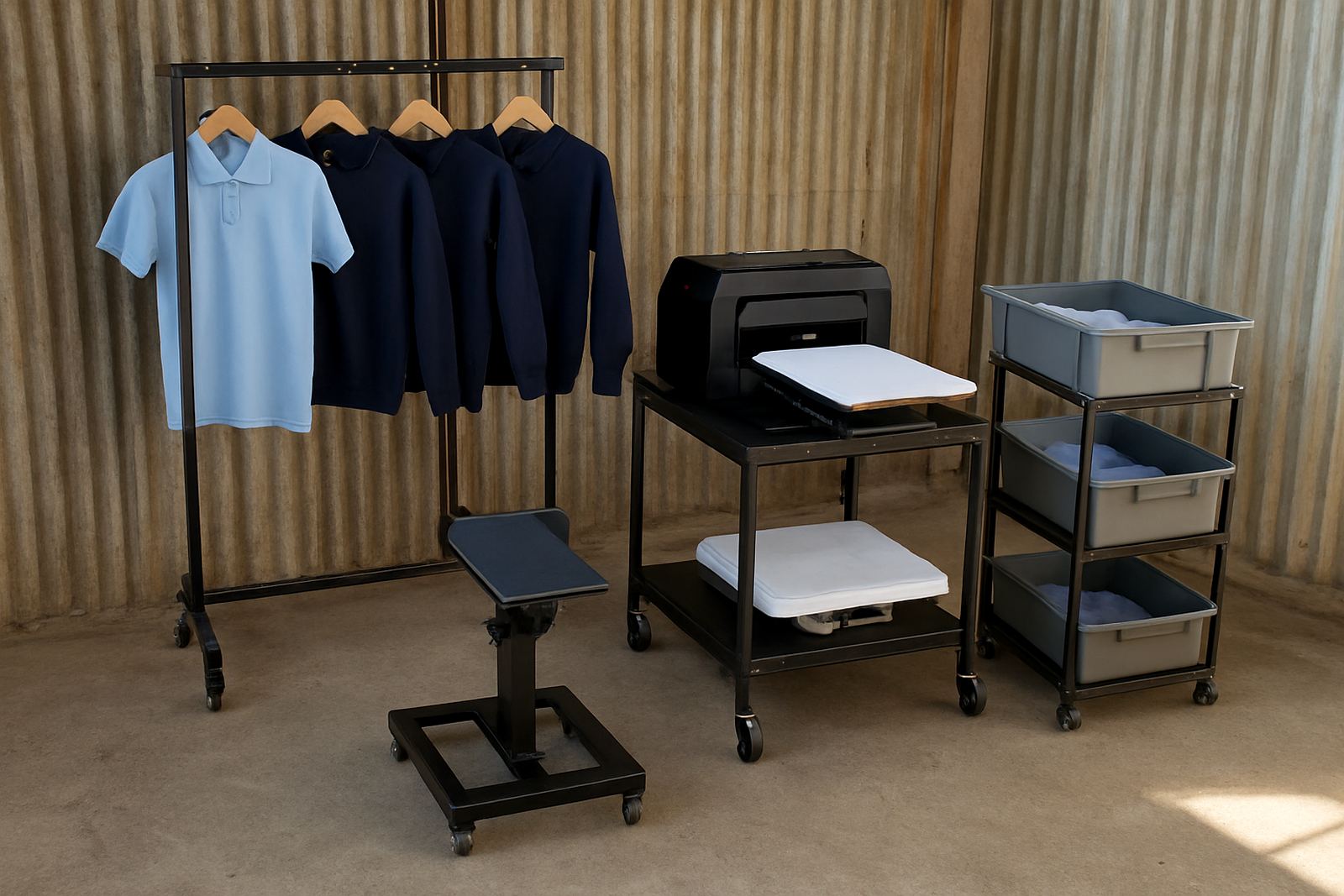
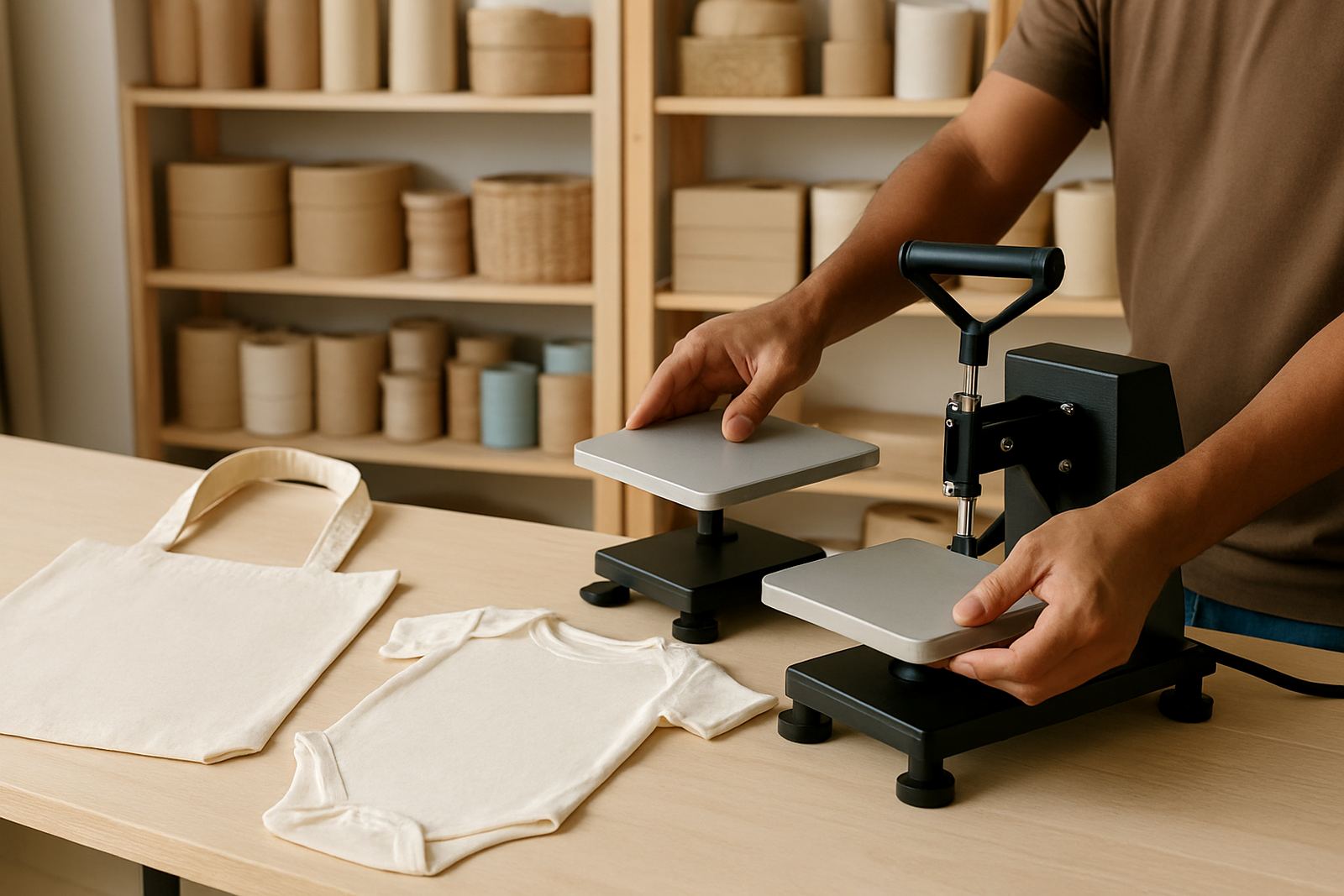
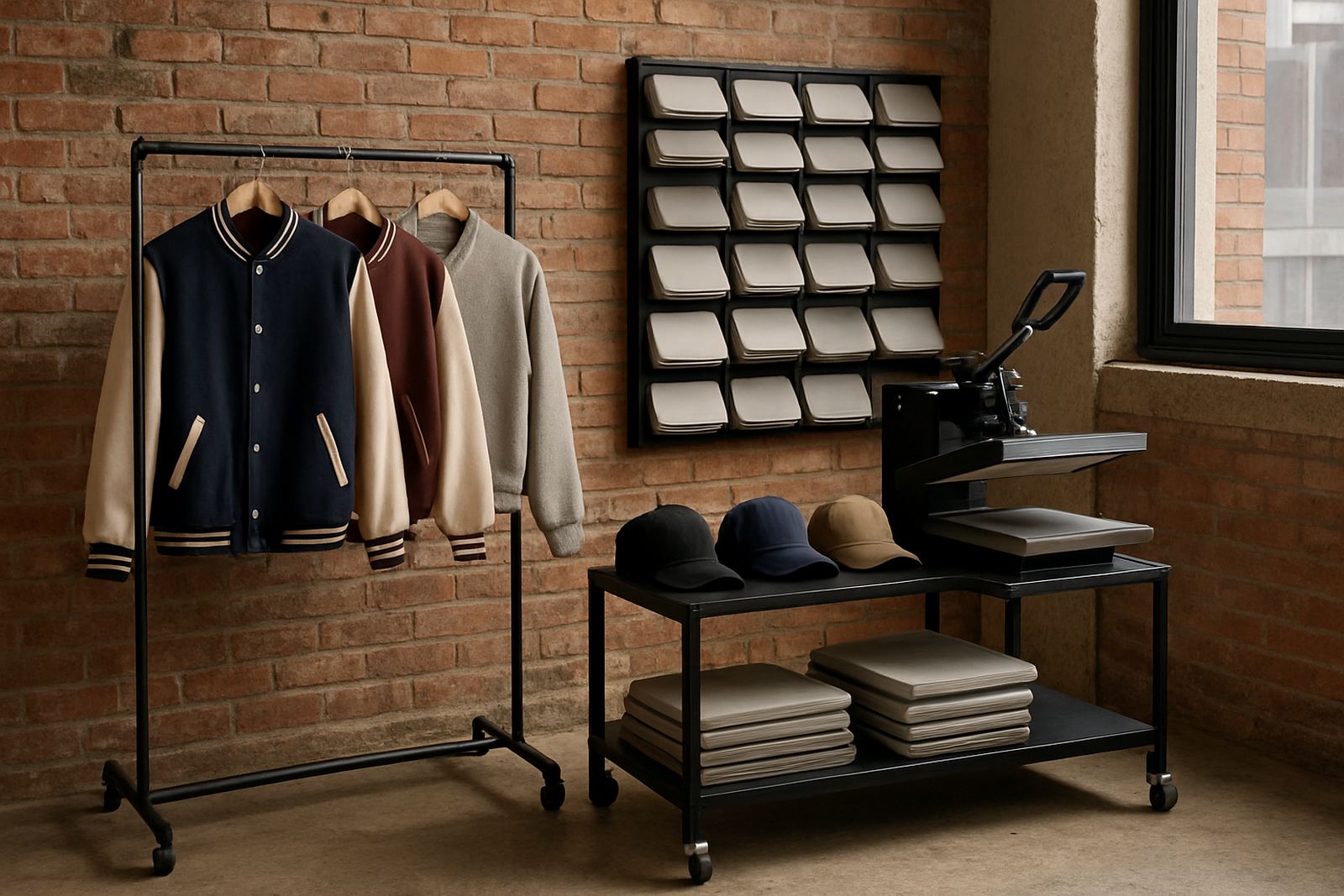
We supplied a matched set of platens and hoops suited to the store's most common garment sizes. The key was not just having more equipment, but having the right sizes for the actual job mix. That meant better neck and chest alignment on student tees, cleaner placement on hoodie fronts, and more stable support for tote bags and smaller promotional items.
Alongside the hardware, we set up a pretreatment workflow that gave the team a consistent spray pattern and drying routine before printing. We also helped with print alignment checks, sample testing and seasonal reconfiguration so the setup could shift between summer tees and winter fleece without starting from scratch. Training was included for the day staff and the owner, with clear steps for setup, cleaning and storage.
- Platen setup for small, medium and standard garment runs
- Hoop setup for reliable fabric tension and placement
- Pretreat kit for repeatable coverage on cotton and cotton blends
- Alignment help for front chest, centre print and sleeve placement
- Remote troubleshooting for follow-up support after installation
A Three Week Rollout That Fit Campus Trading
The project ran over three weeks. Week one covered assessment, sample testing and workflow mapping. Week two focused on installing the new platen and hoop arrangement, then tuning the pretreat process for the fabrics they used most often. Week three was about operator training, live print checks and making sure the team could repeat the same setup without having to call for help every time.
We kept the process practical because the store could not afford long downtime between student order peaks. The work was scheduled around trading hours, and the final handover included a few simple rules for rush periods, including when to clean the platen surface, how to handle damp garments, and how to reset after a power interruption. The team could then continue serving walk-in campus orders with less interruption.
Results After The First Print Runs
Once the workflow was stabilised, the store saw cleaner placement, less garment spoilage and more confidence when taking repeat orders. Small batch jobs that used to require a few test pieces now moved through with less back-and-forth, which mattered when students wanted quick turnaround for event dates and society launches. The operators also reported fewer pretreat variations between shifts, which helped keep print colour and finish more consistent.
The biggest result was not only better output, but better pace. The team could plan for the day instead of adjusting on every order. That made it easier to handle last-minute requests, and it reduced the time spent fixing avoidable errors. For a campus store, that kind of control is worth a lot because the work is often urgent and the order sizes change from one hour to the next.
- More accurate print placement on common garment sizes
- Less waste from misaligned or under-pretreated items
- Faster repeat setup for popular student orders
- Better handling of mixed fabric types across seasons
- Improved operator confidence during busy trading periods
What We Would Repeat For Another Campus Store
If we were setting up another campus store in Pretoria, Durban or right back in Johannesburg, we would follow the same approach: start with the actual garment mix, then build the platen and pretreat workflow around that mix instead of forcing one broad setup to do everything. That keeps the process simple enough for staff to use, while still giving the print quality needed for campus retail.
We would also repeat the same support pattern. Sample testing first, then training, then a short period of review after the first production week. That sequence gives the shop time to settle the new routine and catch any small handling issues before they become normal practice. For a busy student store, that practical support matters more than adding unnecessary complexity.
DTGrip works best when the shop needs neat, repeatable garment printing with local support and quick courier access. In this case, the combination of the right hardware, workflow guidance and follow-up troubleshooting gave the Braamfontein team a setup they could actually run day after day.
Key facts
| Project location | Braamfontein, Johannesburg |
|---|---|
| Client type | Campus-focused garment store |
| Timeline | 3 weeks from assessment to handover |
| Core supply | Direct-to-garment platens, hoops and pretreatment kit |
| Support included | Print alignment help, sample testing, operator training, remote troubleshooting |
| Operational focus | Small batches, fast repeats and mixed fabric handling |