Centurion Teamwear Room Brief
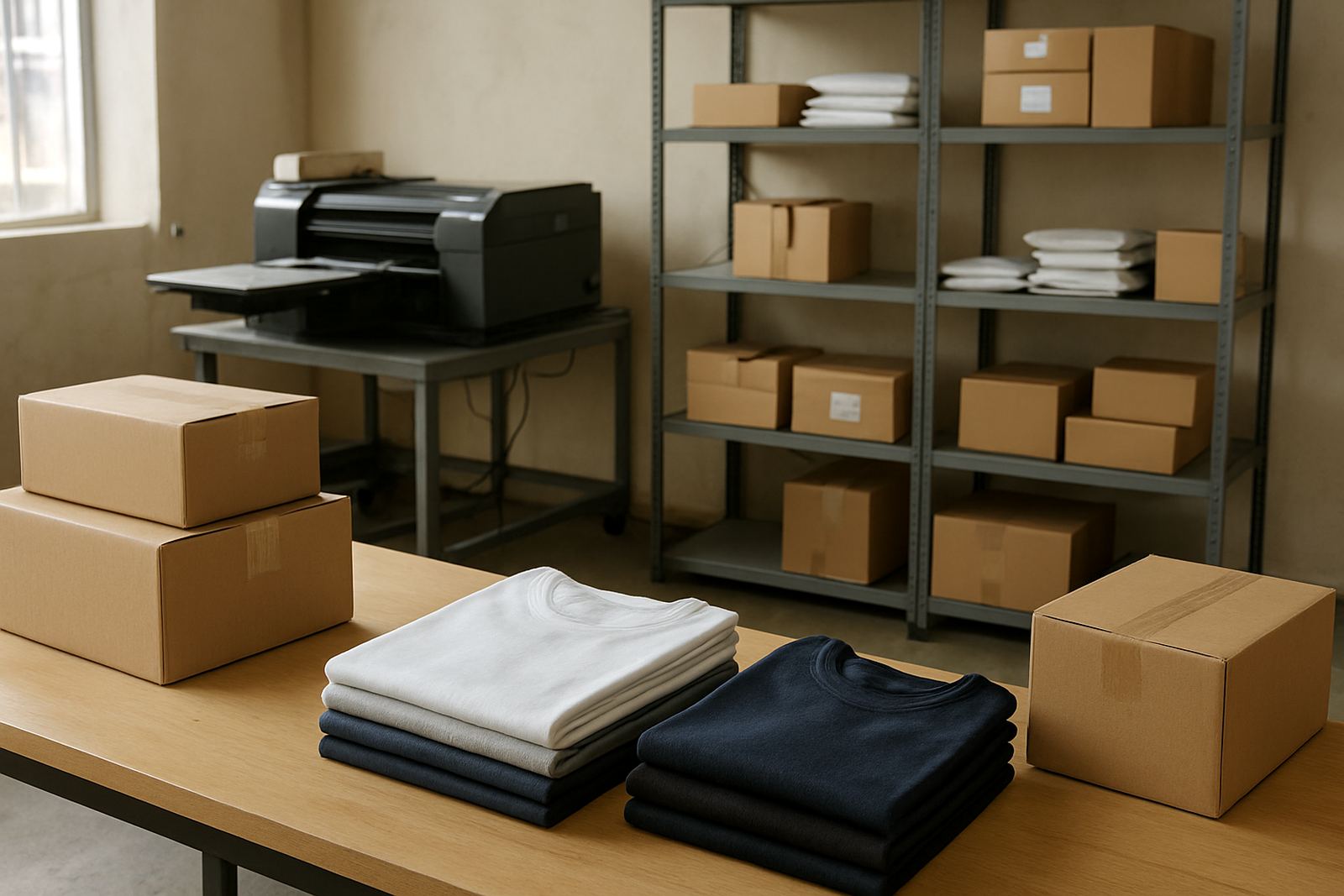
The client was a garment decoration workshop in Centurion handling school sports kits, clubwear and promo apparel for local teams and small corporate runs. Their main problem was not demand, it was control. Fabrics were changing from garment to garment, youth sizes were coming through in mixed packs, and operators were wasting time resetting platens and checking placement after every batch.
The brief was clear: keep the room moving without compromising print placement on technical fabrics, polyester blends and smaller garments. They also wanted a setup that would suit Johannesburg-side supplier lead times, with next-day courier to the shop and support that could still work when load-shedding or staff shifts disrupted the day. That meant we had to think about repeatability first, then speed.
What We Supplied For The Production Line
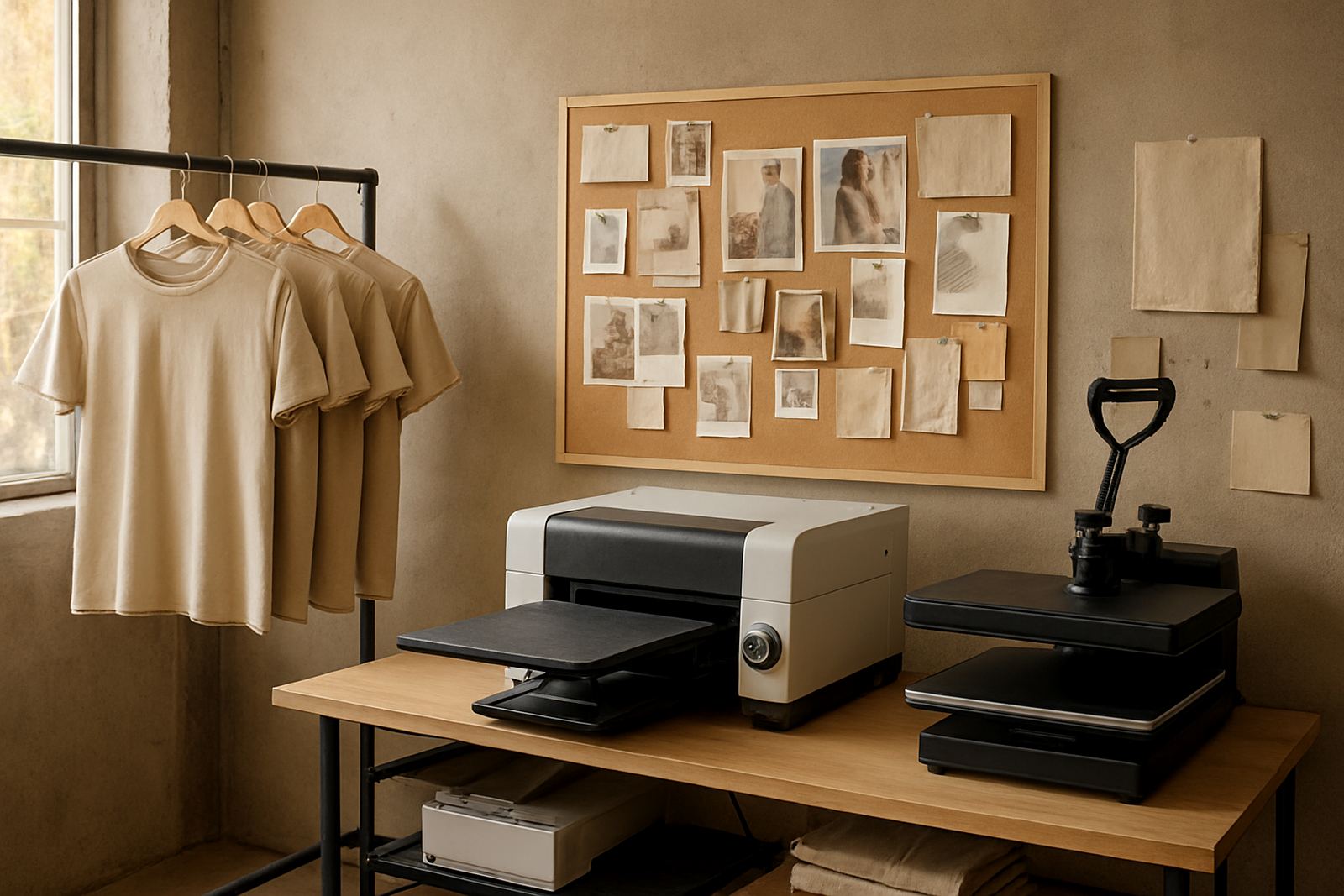
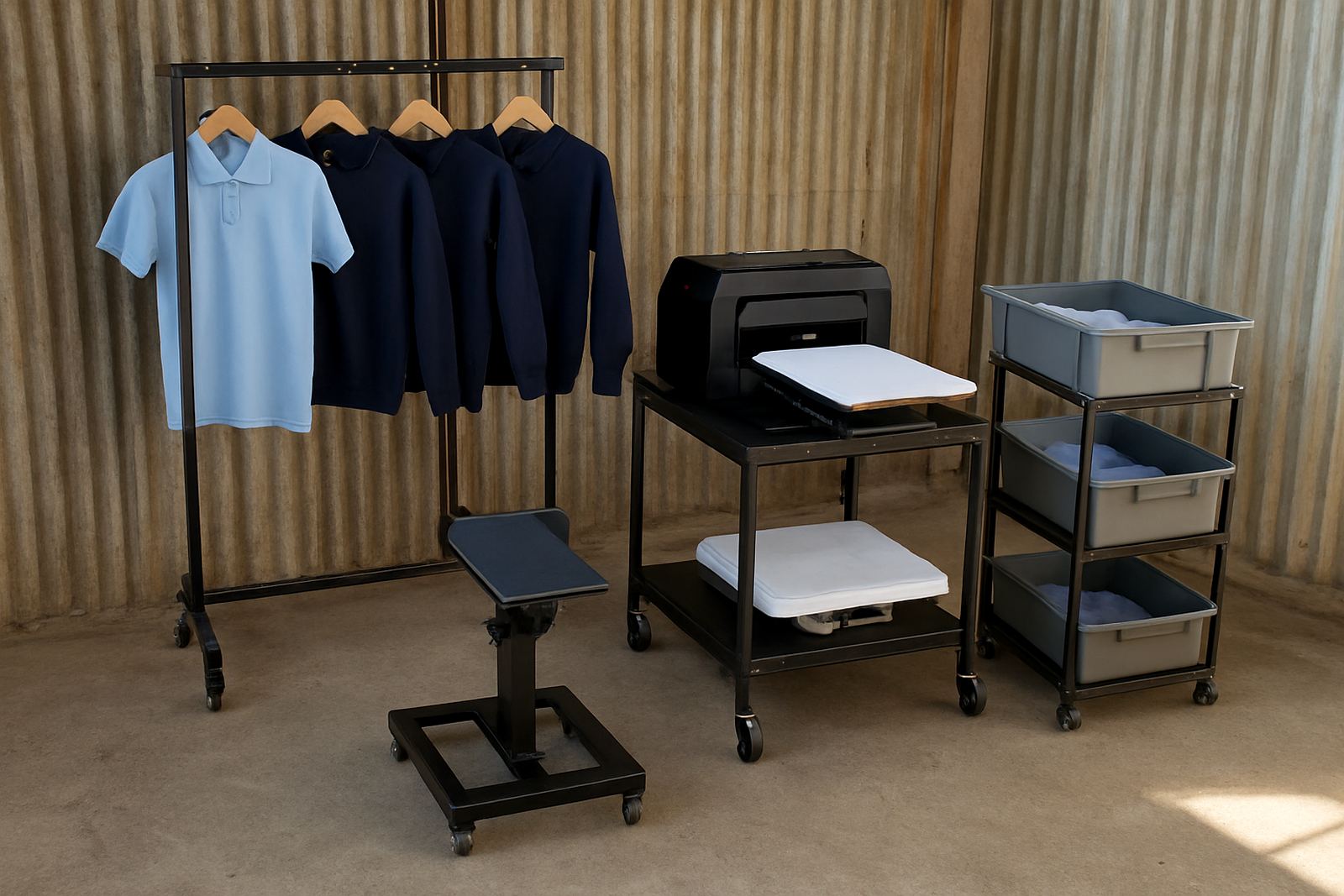
We supplied a matched set of direct-to-garment printer platens, hoops and pretreatment handling items suited to teamwear and youth sizing. The focus was on stable garment positioning, better support for thinner fabric, and less movement during loading and printing. The client needed practical kit, not fancy extras.
- Adult and youth platens sized for mixed order runs
- Hoops for controlled garment positioning on stretch and technical fabric
- Pretreatment workflow items for even application and drying control
- Alignment support for repeat placement on left chest and back prints
- Workshop-ready labelling so operators could swap sizes quickly
The room had previously been relying on one or two general purpose setups, which slowed things down and made the smaller sizes harder to handle. We changed that by building a size-specific setup, so the operator knew exactly which platen or hoop to reach for. It sounds simple, but in a busy room it saves real time.
Handling Technical Fabrics And Youth Sizes
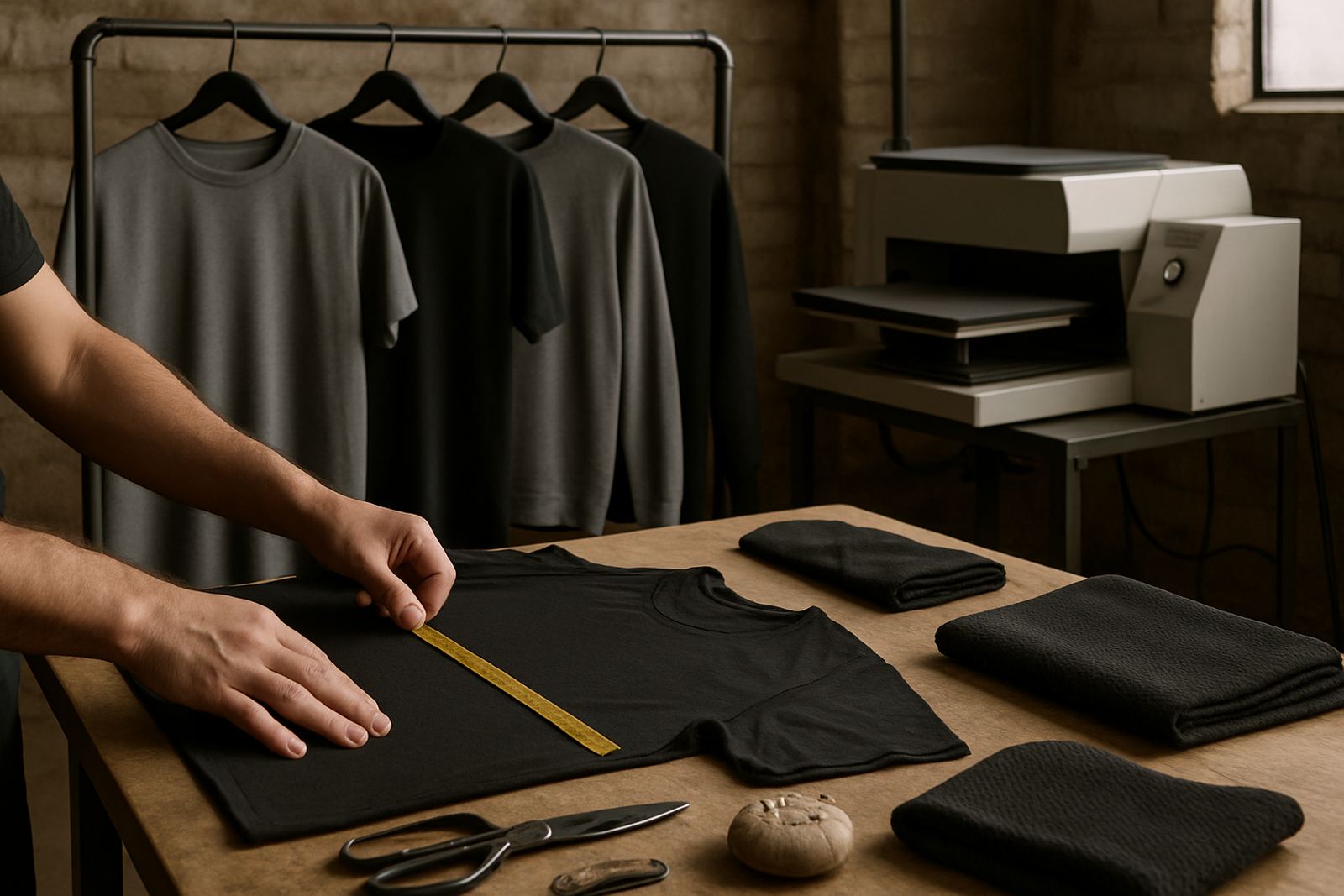
Sportswear always brings a few headaches. Polyester can shift under heat, lightweight fabric can curl at the edges, and youth sizes need more care because there is less print area to work with. In this project we planned the workflow around those limits instead of forcing the garments into one generic process.
We reviewed the usual production path from pre-check to final print. Garments were grouped by fabric type and size first, then loaded in batches so the operators could keep pressure, placement and pretreat coverage consistent. That reduced rework and helped the team stop guessing on tricky items like small jerseys, sleeveless training tops and stretch polos.
- Technical fabric handling for polyester and blends
- Youth size support from 3/4 to adult XL sets
- Repeatable placement on chest, back and sleeve prints
- Cleaner pretreat control for lighter garments
Timeline, Setup And Support In Weeks
The full job ran over three weeks from first review to settled production use. Week one covered the workflow review and sample testing. Week two was used for platen and hoop configuration, plus operator training on the new sequence. Week three focused on production checks, corrections and a final tuning pass after the first busy order cycle.
Because the client was in Centurion, they wanted practical support that could be done quickly and without stopping the whole room for days. We handled part of the work remotely, then followed up with an onsite support visit when the sample results showed one of the youth settings needed a small adjustment. That saved time and kept the print room on schedule. A little patience here helped a lot in the long run.
Results From The First Production Cycle
Once the new setup was in use, the team saw cleaner placement, faster garment changeovers and fewer rejected prints on technical fabric. The biggest gain was consistency. Operators could move from one youth size to another without rechecking the same marks over and over, and that made the room steadier during afternoon rushes.
The client also reported less handling damage on thin sportswear and better control of pretreat coverage on light-coloured garments. For a teamwear room, that matters because many orders are repeat work for schools and clubs. If the first batch is right, the reorders come through with fewer corrections and less pressure on the floor.
- Shorter setup time between mixed sizes
- Less movement on slick sports fabric
- More even print placement across repeat orders
- Better output during peak weeks and short lead times
What We Would Repeat For Another Teamwear Room
We would use the same approach again for any Centurion or Pretoria teamwear room that works with mixed youth and adult orders. Start with sample testing, confirm the fabric mix, then set the platen and hoop plan before the busy season begins. That is especially useful when school sport calendars pile up and the room has to handle rush orders with little notice.
We would also keep the training component in place from day one. A workshop can have the best hardware in the world, but if the operators do not know how to switch sizes, prep the garments and keep the alignment consistent, the system will drift. With the right setup and a bit of discipline, the work stays predictable and the waste drops. For this client, that was the point from the start.
Key facts
| Project town | Centurion |
|---|---|
| Client type | Teamwear and sportswear production room |
| Timeline | 3 weeks from review to production tuning |
| Key items supplied | Adult and youth DTG platens, hoops, pretreat workflow items |
| Support included | Sample testing, operator training, onsite visit, remote troubleshooting |
| Main result | Faster changeovers and cleaner handling of technical fabrics and youth sizes |