
A Kempton Park brief with airport-speed pressure
The client was a busy garment decoration shop in Kempton Park servicing corporate wear, events, and short-run fashion jobs. Most of their orders came in with tight lead times, so the team needed a supply partner that could keep pace when a logo change, size split, or late approval landed after lunch and still had to ship out the next day.
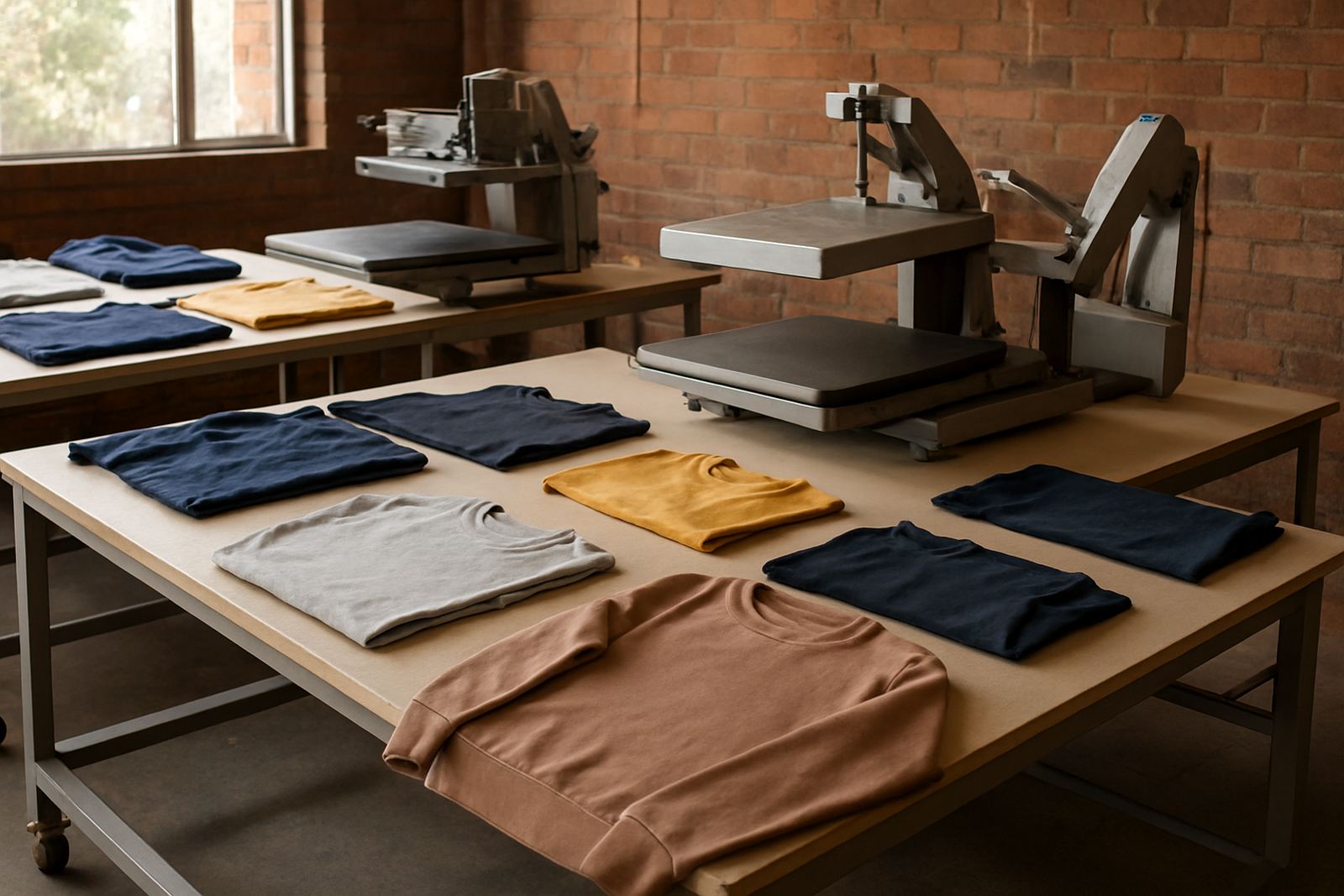
The main brief was simple enough on paper, but practical in the workshop it was another story. They wanted quicker packing, fewer picking errors, and better consistency across a mixed production line that included cotton tees, blends, hoodies, and workwear. Their operators were spending too much time sorting platens and checking hoop sizes, which slowed the shift down and caused avoidable reprints.
- Town: Kempton Park, Gauteng
- Job type: urgent apparel printing and finishing support
- Priority: faster dispatch for next-day courier collections
- Typical garments: tees, hoodies, fashion blanks, and promo wear
What was slowing the shop down
The biggest constraint was time, but the second was space. Their print area had to handle incoming stock, press prep, and outbound packing all in one go, so anything extra on the floor became a problem. With load-shedding in the mix, they also needed a setup that did not depend on long rework cycles or trial-and-error during a power cut.
Humidity was another factor because part of the stock arrived from coastal suppliers and sat in storage before printing. That meant pretreat and curing consistency mattered more than usual. The team needed equipment that held garment position properly, reduced movement on the platen, and supported clean alignment when operators swapped between small and large sizes during the same shift.
They also asked for a supply process that would not confuse their crew. A neat packing routine, labelled items, and predictable turnaround were essential. No one wanted to be chasing missing hoops or sorting through loose accessories when a courier truck was already due at the gate.
The supply package we put together
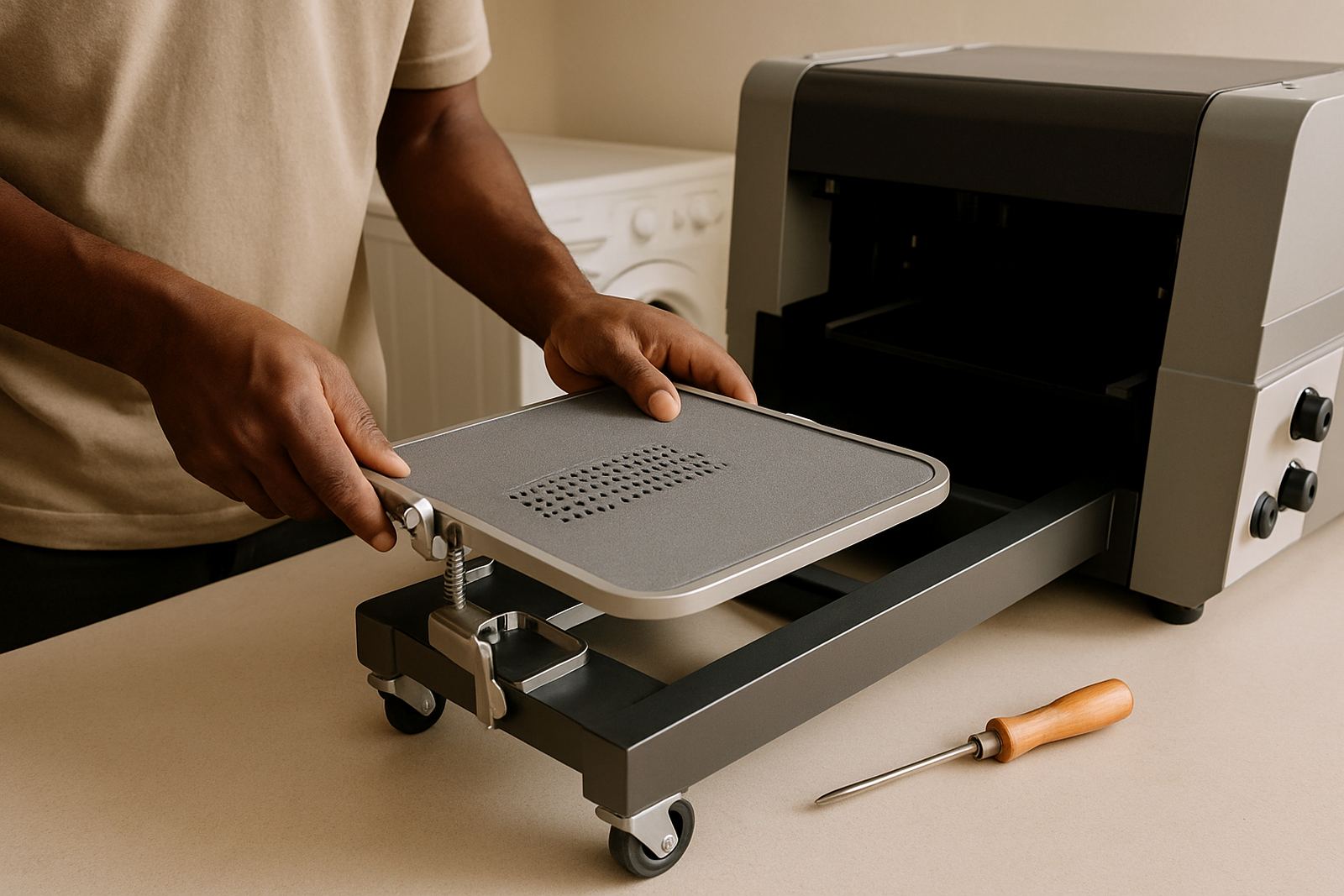
We supplied a mixed order of direct-to-garment platens, garment hoops, and pretreatment kits suited to the shop’s daily volume and garment range. The platen set included sizes for youth, adult, and larger front print placements, with edge support that made garment loading steadier and less fussy for the operator.
The hoop selection was matched to their most common print zones, so the team could move from one shirt size to the next with less adjustment. We also supplied pretreatment kits with clear handling guidance for their darker garments and cotton-rich items, which helped them keep the spray and press routine more consistent from shift to shift.
- Platen range: small, medium, and large print areas
- Hoops: matched to common chest and full-front positions
- Pretreatment: kit supply for light and dark garments
- Use case: fast changeovers for mixed daily orders
Packing, labelling and dispatch for next-day courier
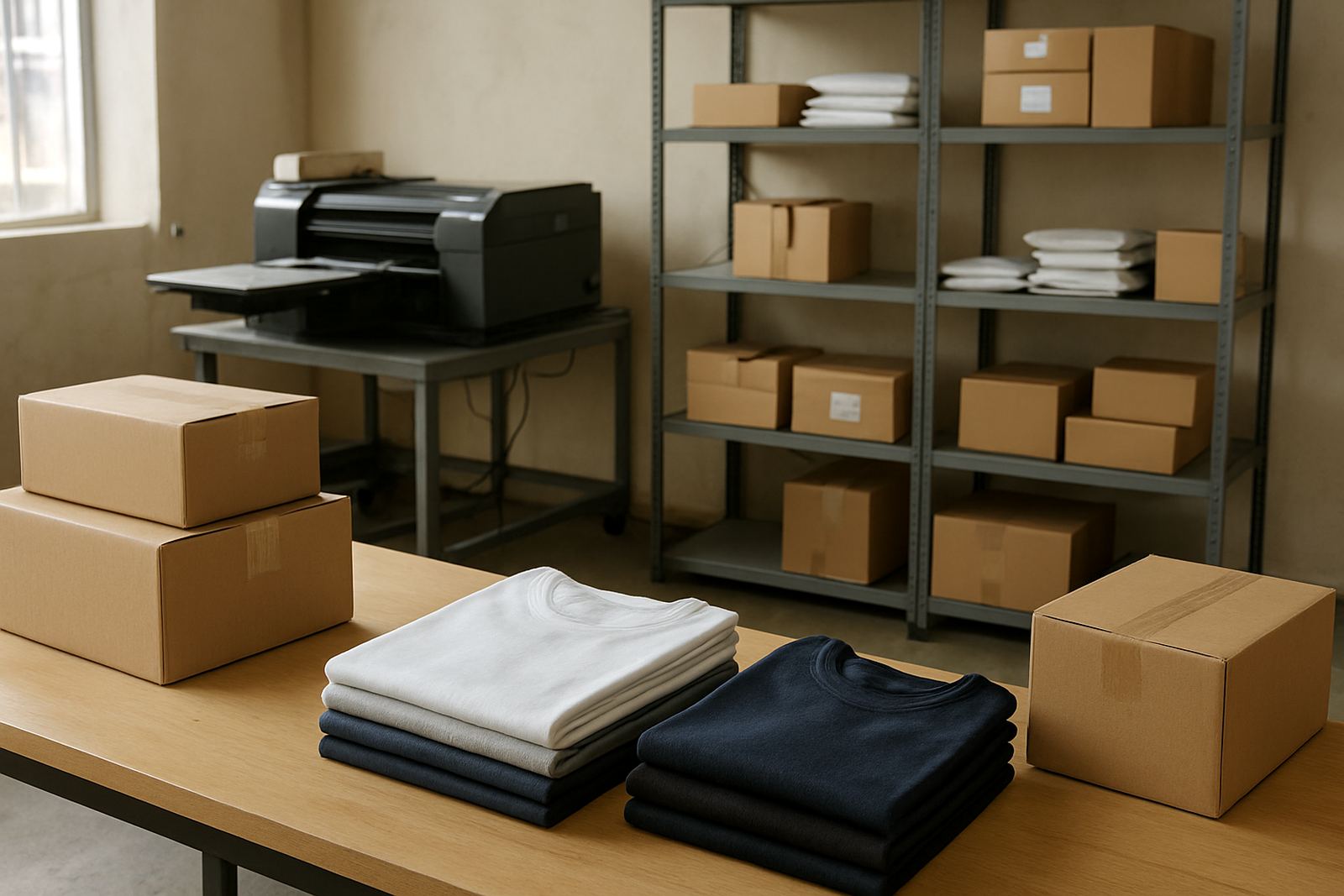
To support the rush-order workflow, we tightened the packing structure around the items most often needed on a same-day pull. We grouped platen and hoop sets by size, labelled them plainly, and packed the pretreatment stock so it could be counted and checked in seconds rather than minutes. That sounds small, but on a Friday arvo it saves real time.
The dispatch plan was built for next-day courier collection from our Crown Mines base into Kempton Park and the wider Gauteng print belt. Orders were prepared with enough lead time for collection cut-offs, and the client could line up their production schedule without guessing what would arrive and when. The result was less standing around, fewer emergency calls, and a much calmer start to the morning shift.
- Base: Crown Mines, Johannesburg
- Delivery cover: Kempton Park and nationwide courier dispatch
- Dispatch target: next-day collection on qualifying urgent orders
- Handling goal: reduce picking errors and workshop delays
Timeline from first call to first dispatch
The full job took three weeks from briefing to the first production-ready dispatch cycle. Week one covered the needs review, garment range mapping, and platen and hoop selection. In week two we finalised the pretreatment supply mix, checked the operator flow, and set up the packing sequence that would support quicker handover. Week three was used to test the process with live order conditions, including a short-notice job that needed courier pickup the same day.
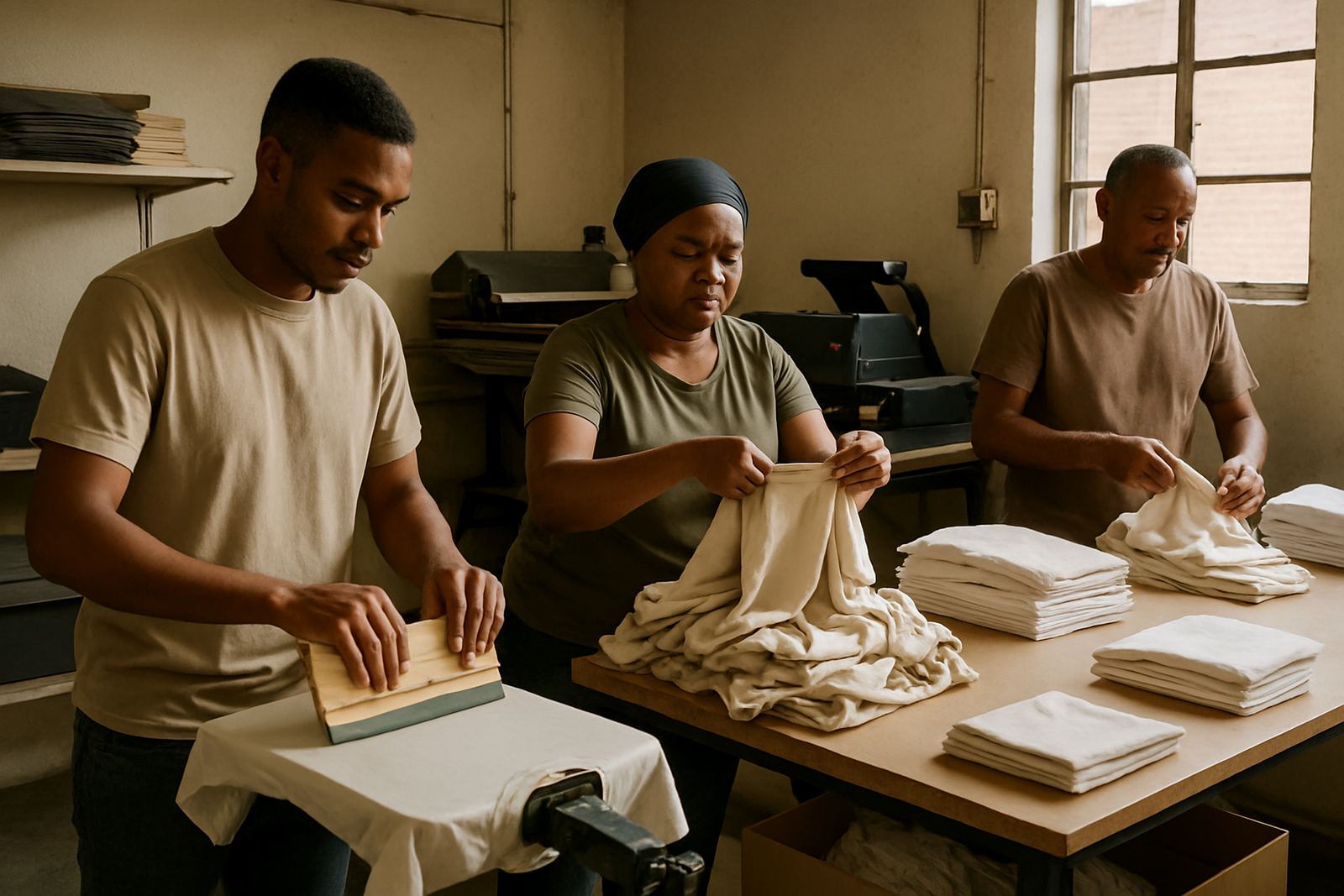
We kept the rollout practical rather than overcomplicated. The shop did not need a long training manual, it needed a workable system that matched how their team actually runs the floor. Ayesha handled the ops coordination, Sipho supported the technical questions, and Johan checked the workshop side so the handover made sense to the crew on site.
By the end of the third week, the client had a repeatable order path for urgent work and a clearer idea of what stock to keep close for the busy periods. The small things mattered most: fewer delays, cleaner loading, and a better rhythm between print prep and outgoing courier boxes.
Results we saw on the floor
The shop’s urgent jobs started moving through the floor faster, especially when mixed sizes landed together. Operators spent less time hunting for the right platen or hoop, and the pretreat step became more consistent across different garment types. That improved the day-to-day pace and helped reduce the last-minute scramble that usually comes with express orders.
They also reported fewer mistakes during packing and dispatch, which mattered because a missed item can hold up an entire campaign. For a Kempton Park business serving clients across Gauteng and beyond, that reliability is not a nice extra, it is part of how the shop keeps its name in the market.
- Faster job turnaround on urgent apparel runs
- Cleaner packing for next-day courier dispatch
- Better platen and hoop matching for mixed garment orders
- More consistent pretreat handling on dark and blended fabrics
What we would repeat on the next rush project
If we were doing the same type of project again, we would follow the same approach: keep the first review tight, match the equipment to the actual garment mix, and design the packing process around the client’s courier cut-off, not around theory. That is what makes a rush-order setup practical in a real Johannesburg production environment.
We would also keep the training short, direct, and tied to the day’s work. A small team does not need fluff, they need clear steps for platen setup, hoop changeover, pretreat use, and what to check before a box leaves the floor. When those basics are sorted, the whole operation becomes easier to trust, even when the schedule is full.
For shops around Kempton Park, Pretoria East, the East Rand, or anywhere else that needs next-day supply into the print room, the lesson is the same: get the floor flow right first, then let the courier work carry the rest.
Key facts
| Project location | Kempton Park, Gauteng |
|---|---|
| Client type | Garment decoration print shop |
| Supply scope | Platen installation, hoop setup, pretreat workflow |
| Timeline | 3 weeks from brief to live dispatch flow |
| Dispatch model | Next-day courier to print shops nationwide |
| Base | Crown Mines, Johannesburg |