A Fourways brief built around mixed gift orders
The client was a busy gift apparel studio in Fourways, serving birthday runs, corporate giveaways and one-off novelty pieces for customers across Johannesburg. Their work changed from week to week, so the team needed equipment that could move between small garments, odd shapes and repeat orders without wasting time. They came to us because their current setup was slowing the day down and causing alignment issues on smaller items.
The brief was clear. They wanted smaller platens, easier garment holding and a pretreat routine that would suit both cotton tees and mixed promotional stock. They also needed a process that could handle quick handovers between operators, since the shop often worked with a morning production list and a second batch after lunch. The challenge was not only the machine side, but the daily routine around it.
- Town served: Fourways, Johannesburg
- Job type: gift apparel and novelty printing
- Main need: smaller platens for short runs and flexible daily changeovers
- Priority: accurate placement on varied garment sizes
Constraints in a small production room
The studio had limited floor space and could not keep large platens mounted all day. They also had to work around load-shedding periods and a mixed order book, which meant equipment needed to be easy to pack away and reset. In Fourways, where many shops run tight production windows and same-day collections, a slow workflow can cause late jobs and unhappy clients.
Humidity was another factor during certain months, especially when garments were stored near open doors or delivery bays. That affected pretreat consistency and made the team more sensitive to drying time and storage handling. The operators wanted a repeatable process that could be followed on busy days without having to guess at settings. A little extra control made a big difference here, and it kept waste down too.
- Limited room for fixed large-format setup
- Daily changeovers between small and standard garments
- Need to manage pretreat consistency in changing conditions
- Power interruptions required a workflow that restarted cleanly
What we supplied and set up
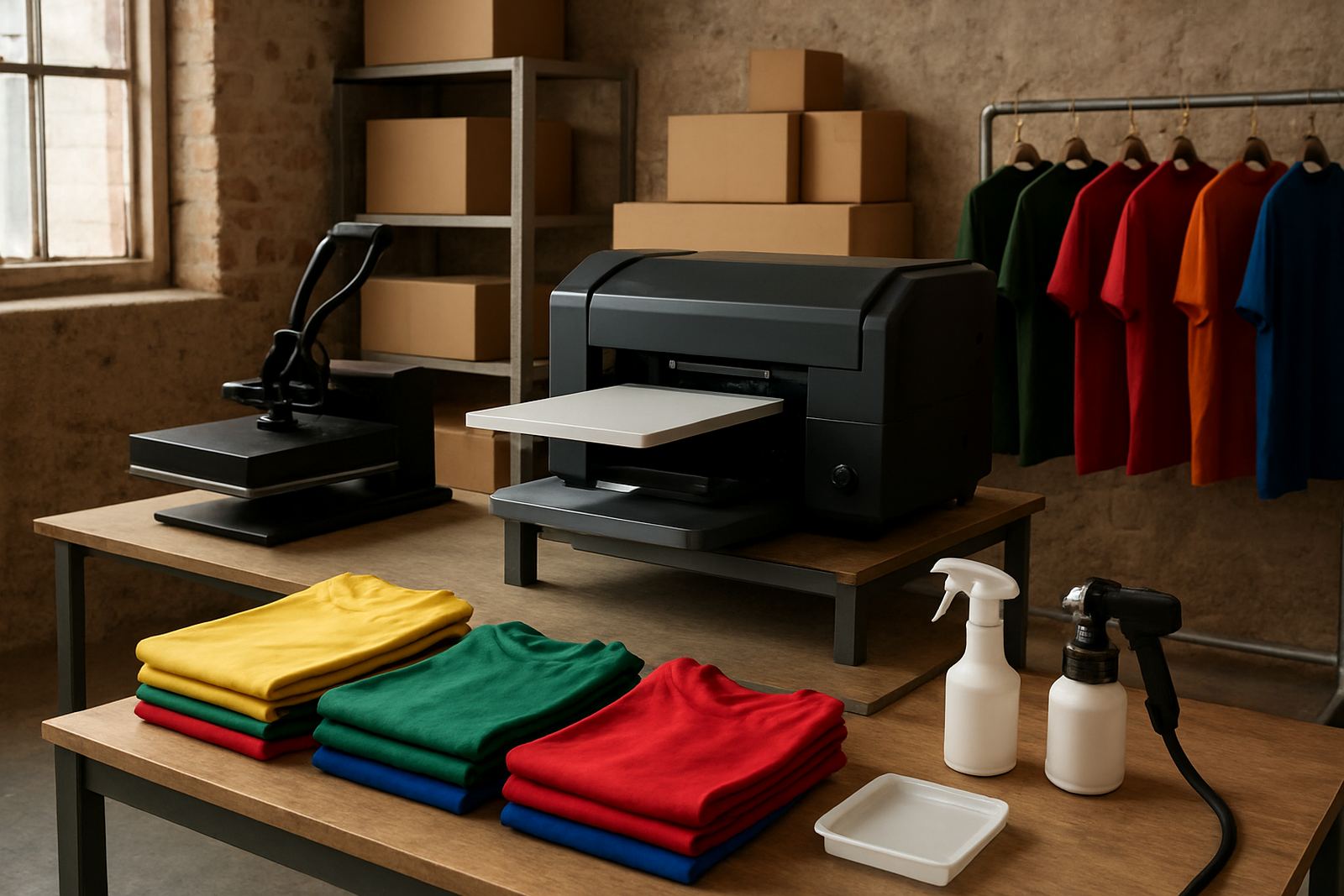
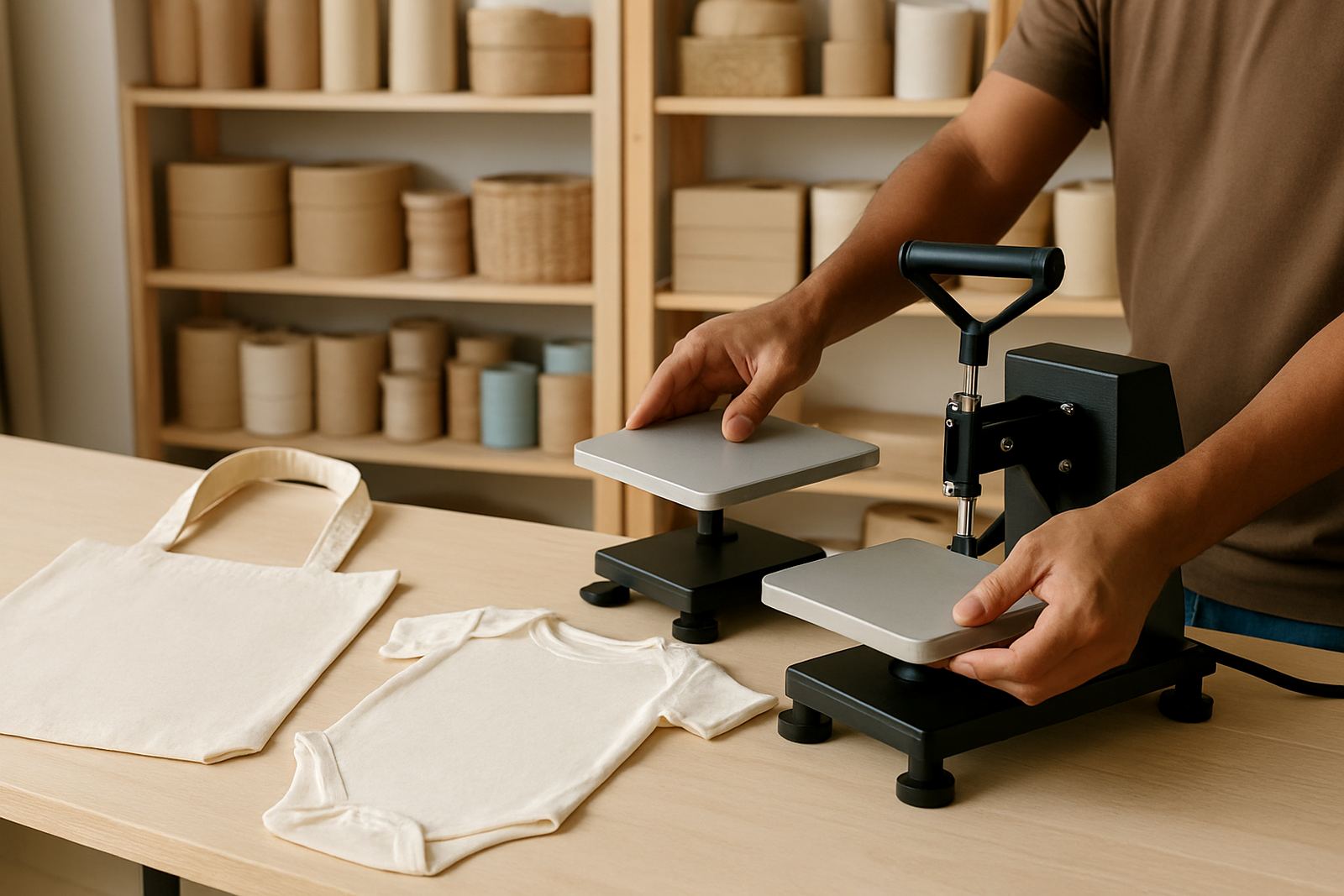
We supplied a mix of smaller DTG platens suited to novelty apparel, compact shirts and child-size garments, together with hoop and hold solutions for keeping prints in position. For this shop, the key was not quantity but fit for purpose. We selected platen sizes that supported the jobs they actually printed rather than forcing them into a one-size approach.
We also helped tighten the pretreat workflow so the team could move from preparation to print with fewer errors. That included practical guidance on spray pattern, surface coverage, drying and handling before loading onto the press. The workshop side was kept simple, so the operators could follow the same sequence even when a different person was on shift. The result was a cleaner handover and less rework, with fewer shirts needing a second pass.
- Smaller platen sizes for varied garment formats
- Hoop and hold accessories for stable placement
- Pretreat workflow guidance for cotton and blended items
- Setup advice for quick platen swaps during the day
Timeline from first enquiry to live production
The project ran over three weeks from first enquiry to a settled production routine. In week one we reviewed the shop layout, the garment mix and the daily production flow. In week two we supplied the required platens and guided the team through setup, testing and operator practice. By week three the studio was running sample prints, checking alignment and adjusting their routine for the most common order types.
There was no long shutdown. We worked around their normal business hours so they could keep taking orders while the new setup was introduced. That mattered because the shop had customer commitments already booked in, and they needed the transition to be steady rather than disruptive. The process was paced so the team could learn while still printing, which helped confidence grow quickly.
- Week 1: workflow review and platen sizing
- Week 2: supply, setup and test runs
- Week 3: operator practice and print checks
- Support continued after the live changeover
Results on the shop floor
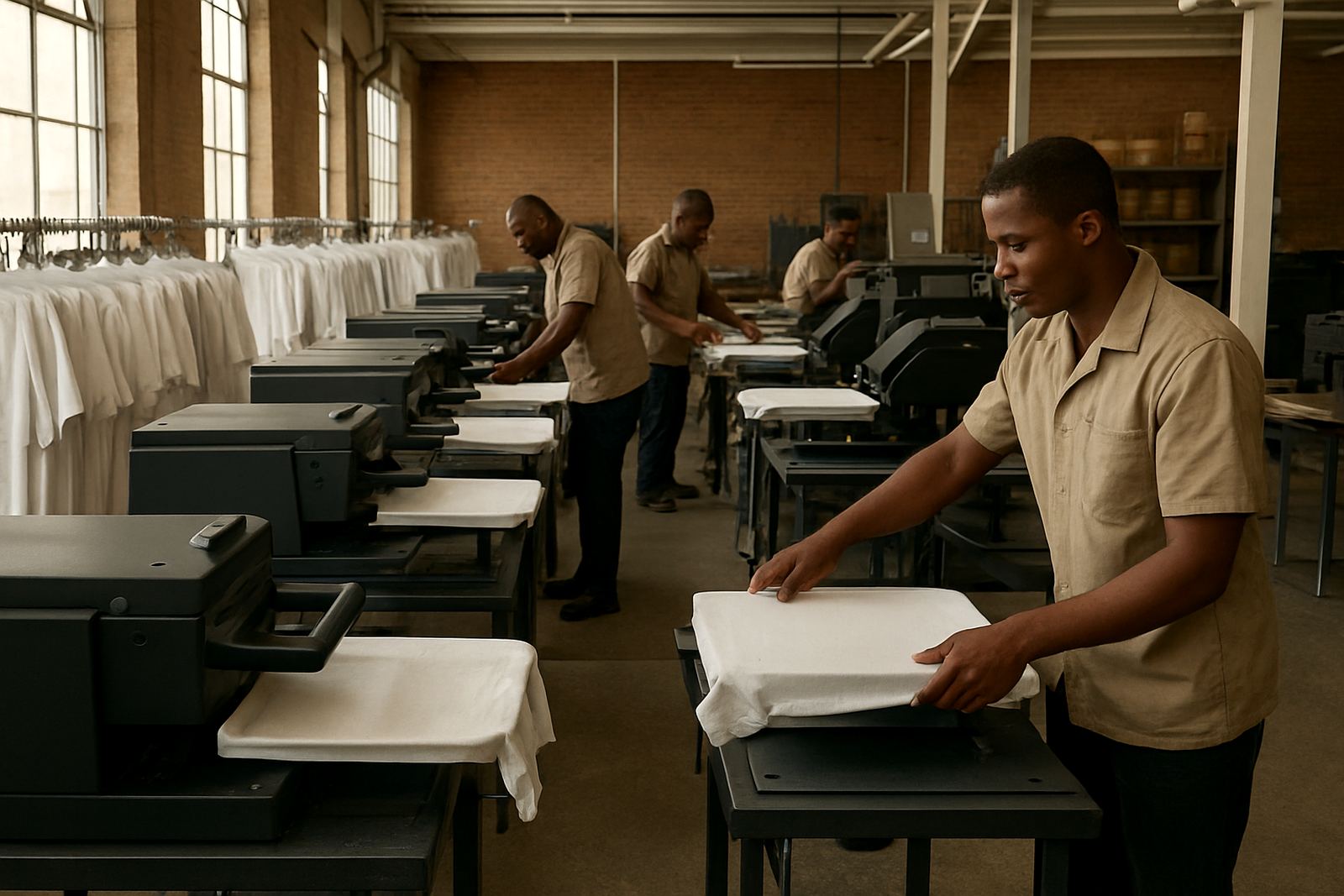
Once the new platens and workflow were in place, the team found it much easier to handle short runs and mixed pieces through the day. Small items stayed stable, placement was more accurate and the changeover between jobs became quicker. They could move from a child-size shirt to a standard gift run without rethinking the whole set-up, which saved time on busy mornings.
Sample testing showed better repeatability on the common items they sell in Fourways and surrounding suburbs, especially where quick turnaround mattered. The operators also reported less strain when loading smaller garments, because the support matched the item instead of fighting it. That gave the studio a more organised feel and made production planning easier for the manager. It also cut down on awkward reprints, which is always good when stock is already paid for.
- Faster platen changeovers during mixed production days
- Better placement on novelty and smaller garments
- Less wasted time on repeated alignment checks
- Cleaner handover between operators on shift changes
What we would repeat for another studio like this
If we were setting up another gift apparel studio in Fourways or similar areas like Randburg, Sandton or Midrand, we would repeat the same approach: start with the garment mix, size the platens around actual daily work, then build the pretreat routine around the team that must use it. That sequence gives better results than buying equipment first and fitting the workflow afterwards.
For this kind of business, the best outcome comes from practical choices. Smaller platens, simple load handling and clear operator steps make it easier to keep quality steady when the order book changes from day to day. That is especially useful when the shop is handling both small novelty runs and standard apparel printing under pressure.
- Review real order mix before choosing platen sizes
- Match pretreat steps to staffing and production pace
- Keep the setup flexible enough for seasonal changes
- Allow for quick recovery after load-shedding or downtime
Key facts
| Client type | Gift apparel and novelty print studio |
|---|---|
| Town | Fourways, Johannesburg |
| Project timeline | 3 weeks |
| Main equipment | Smaller DTG platens and garment holding accessories |
| Workflow focus | Pretreat consistency and fast daily changeovers |
| Support type | Remote troubleshooting, training and setup guidance |