What the Germiston Seller Needed Fixed
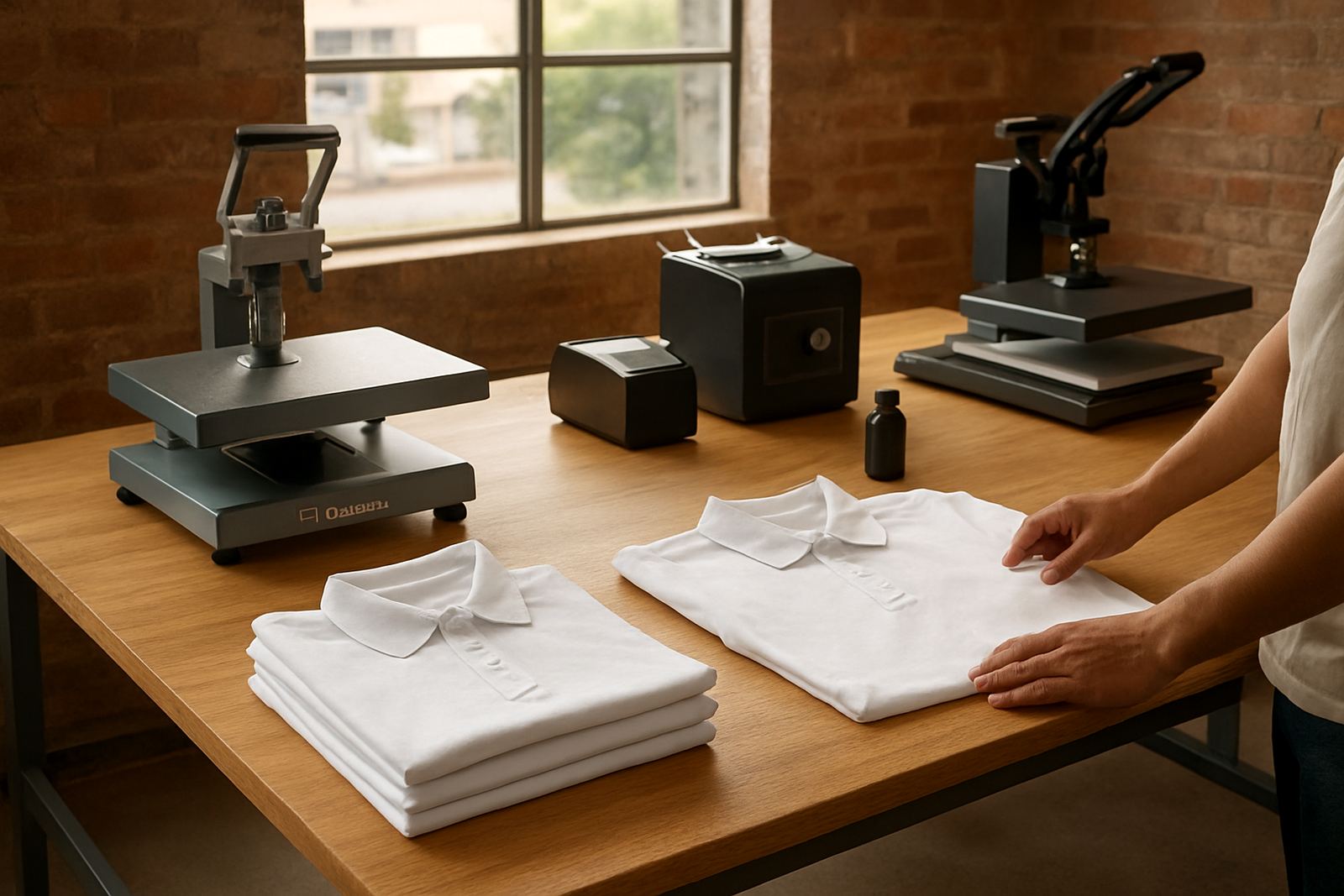
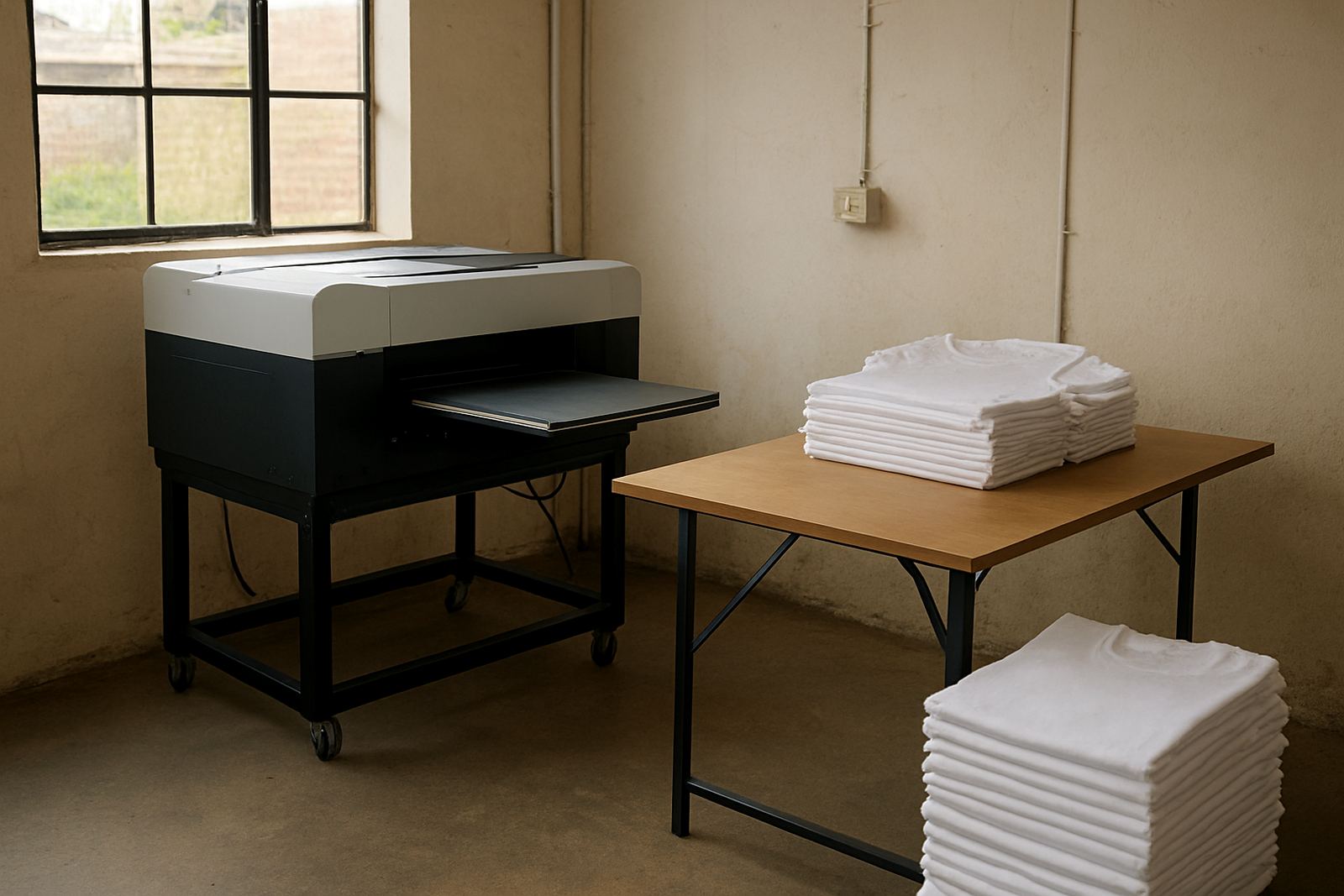
This client was a homegrown online apparel seller in Germiston handling custom tees, hoodies and small promotional runs for local customers. Their setup was fine for basic work, but the team was losing time on platen changes, garment placement and pretreatment consistency, especially when orders jumped between adult sizes, kids items and mixed fabric types.
The brief was practical: reduce setup errors, keep the print position repeatable and make one-off jobs less stressful for the operator on shift. They also needed a process that would hold up during busy weeks, when load-shedding, courier cut-off times and a burst of last minute orders can throw the whole day off. The main pain point was not the printer itself, it was the time lost around it.
- Location: Germiston, Gauteng
- Job type: online retail and short-run garment decoration
- Main issue: inconsistent setup for single and mixed-size orders
- Pressure points: courier deadlines, power interruptions and fabric variation
Our Brief: Cleaner One-Off Order Handling
We approached the job as a workflow project rather than a parts-only sale. The aim was to make every order follow the same path from garment prep to final print, so the team could move faster without guessing. We reviewed the sizes they print most often, the fabric mix they handle, and the operator sequence used for each order.
Because the business works online, the setup also needed to be flexible enough for rush orders and small repeats. There was no point supplying equipment that only worked for standard sizes when the day-to-day reality was varied pack-outs, odd garment shapes and the occasional urgent reprint. We mapped the whole process, from pretreat application through to platen choice and alignment checks, then tightened the steps that were causing drift.
- Brief focus: speed, repeatability and cleaner garment positioning
- Workflow goal: fewer reprints and less operator guesswork
- Use case: single items, mixed sizes and small batch runs
- Practical target: better control without adding unnecessary handling steps
What We Supplied and Set Up
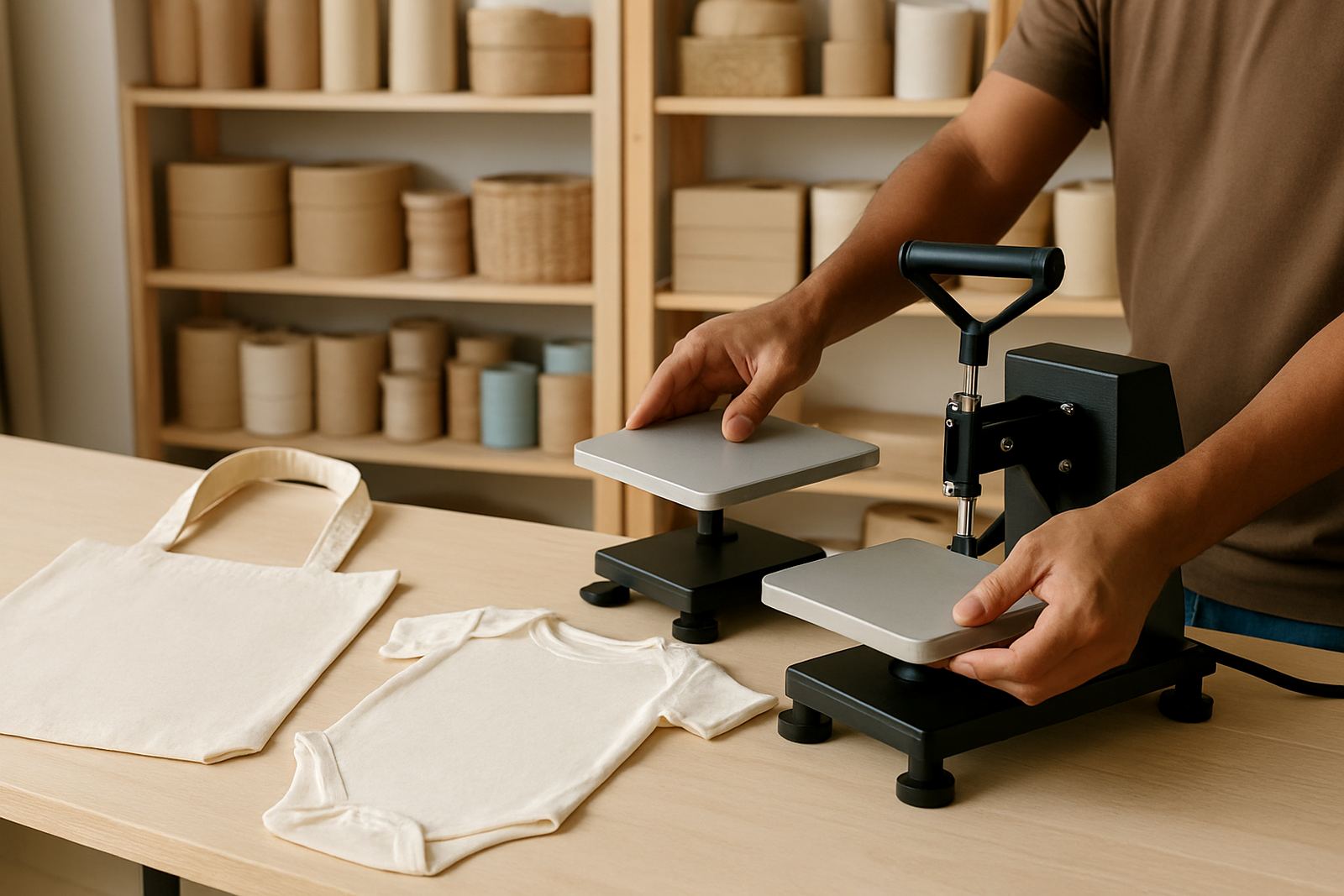
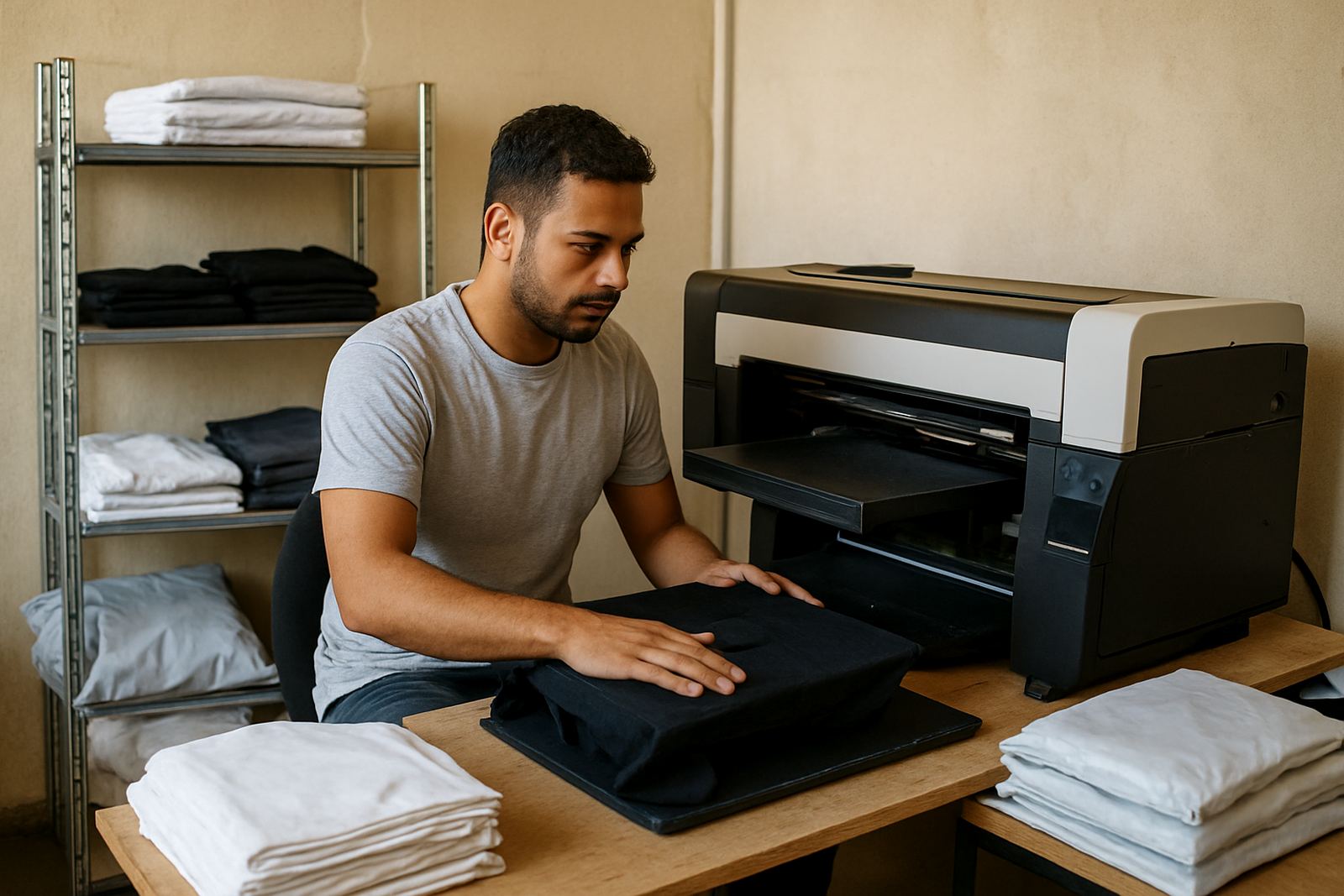
We supplied a matched set of DTGrip platens, hoops and pretreatment support suited to the client’s garment range. The platen mix covered common adult sizes as well as smaller items, so the operator could change over quickly instead of forcing every job onto the same board. We also supplied guidance on platen installation, hoop setup and the pretreat workflow so the team had a clean routine to follow.
The installation work was completed with the client’s existing production equipment in mind. That matters in a small shop because you often need to keep shipping orders moving while making changes around the edges. We checked platen alignment, tested repeat placement and walked through sample garments to confirm that the hold and print area were consistent on different fabric weights. The final setup was simple enough for daily use, but not so basic that it limited the range of work they could accept.
- Platen set for mixed garment sizes and common one-off orders
- Hoops for stable positioning on tricky or smaller items
- Pretreatment workflow guidance for more even application
- Sample testing on fabric types used in regular production
Timeline, Testing and Sign-Off
The project ran over three weeks from initial review to final sign-off. Week one covered the workflow assessment and product selection. Week two focused on supply, setup and first round testing. Week three was used for correction, operator practice and final adjustments to the order handling process. It was a tight timeline, but manageable because the seller wanted a practical improvement rather than a full production overhaul.
During testing we looked at garment placement accuracy, changeover time and how quickly the operator could move from one order to the next. We also checked how the process behaved after a short power interruption, since that is part of normal production life in Johannesburg. The point was not to chase perfection, but to make the setup predictable enough that the team could recover quickly and keep the queue moving. A small typo on a label line was caught early in the process, which saved a rework cycle later on.
- Week 1: workflow review and product match
- Week 2: supply, installation and first sample tests
- Week 3: operator practice, corrections and sign-off
- Test checks: placement, repeatability, changeover time and recovery after interruptions
What Changed in Daily Production
Once the new setup was in place, the client had a cleaner path for handling one-off orders. The operator could switch between garments with less repositioning, and the pretreat process became more consistent across the day. That meant fewer awkward adjustments, less waste from misaligned prints and less time spent deciding which platen to use for a given job.
The most noticeable change was in the rhythm of the shop. Orders that used to slow down the whole line could now be slotted in more easily between larger jobs. That is especially useful for an online seller, where a single urgent order can sit next to a stack of standard tees and still need to ship the same afternoon. The team reported better confidence when taking on mixed order types, and the print results were more repeatable on the fabrics they use most often.
- Cleaner handling of single-item and mixed-size orders
- Less waste from poor alignment and uneven pretreat application
- Faster changeovers between common garment types
- Better confidence for rush jobs and repeat customer orders
What We Would Do Again For Similar Shops
If we were doing this again for another Germiston or East Rand online seller, we would take the same approach: start with the order flow, then match the platens, hoops and pretreat steps to that flow. Too many small apparel businesses buy parts in isolation and then wonder why the operator still fights the process every day. The real gain comes from matching equipment to the work pattern, not just the printer model.
For similar shops, we would keep the setup flexible, choose platen sizes around the most common order mix, and build in enough training that a second operator can step in without a long handover. We would also plan for local realities such as load-shedding, courier timing and fabric variation from one supplier to the next. That keeps the production room practical, even when the day is not. If needed, we would also review seasonal reconfiguration before peak periods and help map a simple growth path for higher volume work.
- Best next step: start with workflow review before adding more hardware
- Priority for similar shops: repeatability over complexity
- Helpful add-ons: operator training, sample testing and seasonal reconfiguration
- Good fit: online apparel sellers handling small, varied orders
Key facts
| Project type | Workflow upgrade for an online apparel seller |
|---|---|
| Town | Germiston, Gauteng |
| Timeline | 3 weeks |
| Core products | Direct-to-garment platens, hoops and pretreatment support |
| Primary use case | One-off order handling for tees, hoodies and mixed garments |
| Support model | Next-day courier plus remote troubleshooting and onsite support visit |