What the Smooth Hoop does on press
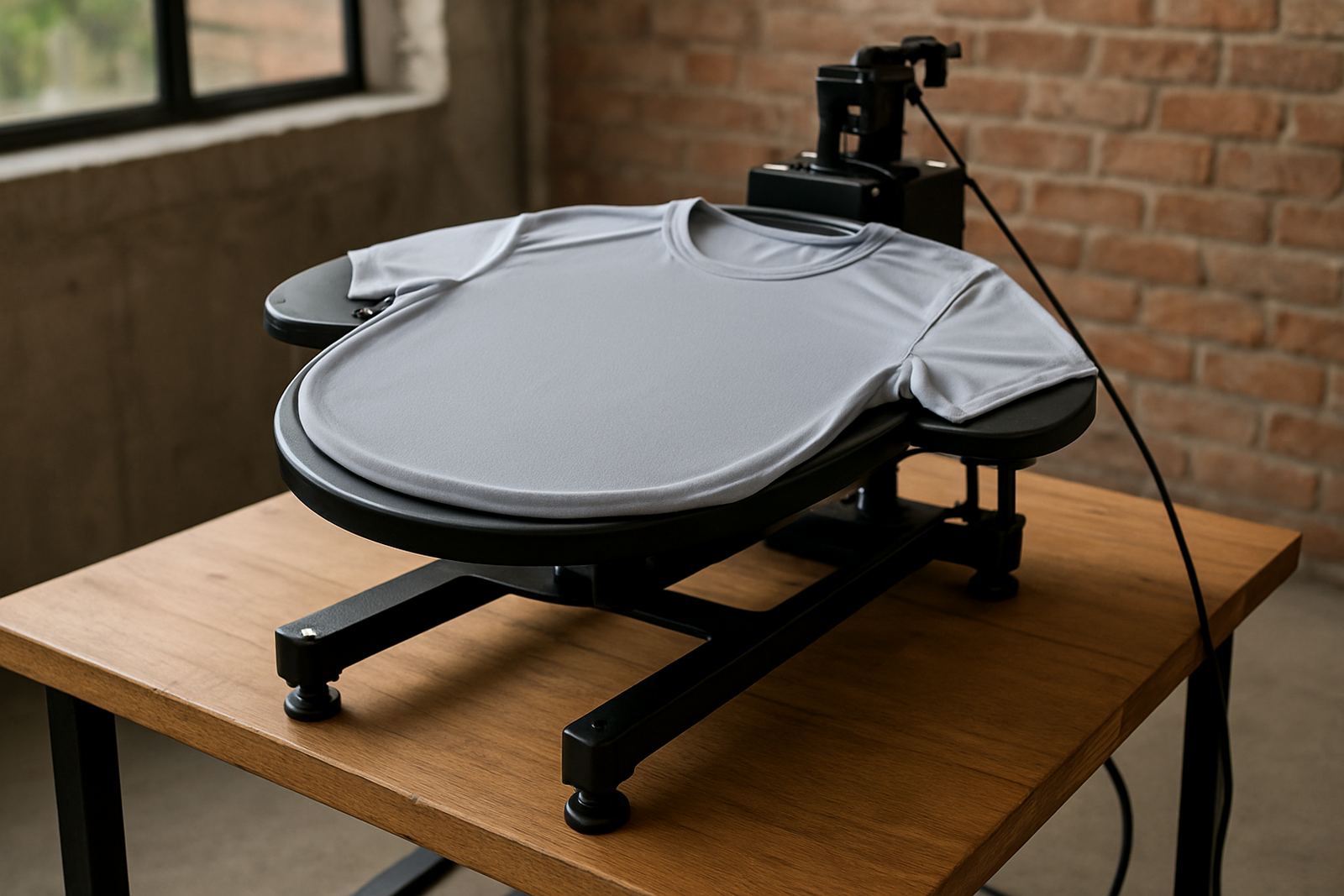
The Smooth Hoop gives your operator a firmer hold on garments that often pull out of place under a print head. It is a practical option for cotton stretch tees, poly blends, rib knits, leggings panels and softer fashion items where a normal platen can leave the fabric lifting or shifting. In a busy shop in Crown Mines, Sandton or Midrand, that means fewer reprints and less time spent adjusting the same job twice.
The hoop is designed to support the garment edge to edge without crushing the fibres more than needed. That matters when you are printing detailed artwork, small chest logos or full front jobs on items that have a bit of give. It also helps with repeat orders where alignment needs to stay close from one run to the next, even when the fabric changes from batch to batch.
- Reduces movement on light and stretchy fabrics
- Helps hold print zones flat for cleaner ink laydown
- Useful for small runs, sample jobs and repeat production
- Works well with direct-to-garment workflows and pretreat steps
Sizes, fitment and format options
Smooth Hoops are supplied in practical sizes to suit common garment zones and production styles. The right choice depends on the print area you need, the cut of the garment and how your shop loads jobs. A larger hoop is not always better, because too much open area can leave soft fabric unsupported. Smaller, task-specific sizes usually give better control on fashion pieces and tighter print zones.
Typical use includes front chest prints, left chest placement, sleeve marks and smaller fashion panels. For shops producing mixed orders, it is often worth keeping more than one size on hand so operators can switch quickly without changing the whole workflow. If you print for schools, clubs or promotional runs, a couple of sizes can cover most of the day’s work and keep the queue moving.
- Available in common garment print sizes for chest, front and sleeve work
- Suitable for standard loading on many DTG platens
- Can be used for single-piece jobs or repeat production
- Choice of size depends on garment shape, stretch and print area
Best jobs and fabrics for this hoop
This hoop suits garments that slip, twist or relax after loading. Lightweight cotton tees, viscose blends, stretch fashion tops, gym wear and fitted promotional apparel are all typical candidates. In Durban, where humidity can affect how garments handle before and after pretreat, and in Johannesburg where dry air can make some fabrics sit differently from one day to the next, a stable hoop setup helps keep the process more consistent.
It is also useful where your team needs to print across mixed fabric orders. If one job contains several sizes and the cloth behaves differently from one piece to the next, the hoop gives the operator a more reliable starting point. That can be important for shops doing production scaling, seasonal reconfiguration or sample testing for new clothing ranges.
- Lightweight fashion tees and fitted garments
- Stretch fabrics, knitwear and poly blends
- Promotional clothing with narrow print zones
- Sampling, short runs and repeat orders with tight placement requirements
Installation, setup and equipment needs
The Smooth Hoop is a manual accessory and does not need power, gas or special plumbing. It is set up as part of your platen and loading routine, then adjusted to match the garment size and print area. A good setup should feel firm, but not overly tight. If the hoop is too loose, the garment can move during loading. If it is too tight, you may over-stress the fabric and leave marks that show after the first wash.
Most shops in Randburg, Pretoria East and Centurion prefer a quick operator check before the day starts. That way the hoop is matched to the platen, the garment is centred and the pretreat area is where it should be. If you are changing over from thicker fleece or from standard tees to stretch items, a short workflow review can save time and avoid waste. We can assist with hoop setup, print alignment help and onsite support visit where needed.
- No power requirement
- No gas requirement
- Manual fitting to your platen workflow
- Useful for shops that need fast changeovers between garment types
Care, servicing and day-to-day handling
Keep the hoop clean and dry, especially if you work near pretreat chemicals or in a workshop with high humidity. Wipe down any residue after use and check the contact points for wear. If the hoop is stored badly, dropped, or forced closed too hard, it can lose its shape and become harder to load evenly. That can show up as uneven tension or a small shift on the print area.
For shops printing daily, a simple weekly inspection is usually enough. Look for cracked parts, loose tension, rough edges and any area that could snag fine fabric. If the hoop is part of a larger setup with multiple platens, keep it paired with the correct job notes so staff do not grab the wrong size during a rush. A little housekeeping goes a long way and saves rework.
- Wipe clean after pretreat contact or heavy use
- Store flat and away from direct heat
- Inspect for wear, flex or rough edges
- Keep size notes with your production workflow
What to check before you order
When ordering a Smooth Hoop, start with the garment type you print most often. Check the fabric weight, stretch, print area and whether the job is front, back or sleeve based. Also confirm the platen or loading method you use, because fitment and operator comfort matter just as much as the garment itself. A hoop that suits one shop in East Rand may not be the best match for a team printing slim-fit tops in Sandton or mass promo stock in Pretoria East.
If you are unsure, send through your job details with a few sample sizes and fabric notes through the enquiry form on our contact page. We can help you compare options and suggest a setup that suits your daily output. It is also worth checking whether you need more than one hoop size for seasonal orders, schoolwear runs or sportswear jobs that change through the year.
- Garment type and fabric stretch
- Most common print area size
- Platen or loading method in use
- Need for one size or a mixed set for different jobs
Key facts
| Product type | Manual hoop accessory for direct-to-garment garment control |
|---|---|
| Primary use | Reduces shifting on lightweight, stretchy and difficult garments |
| Compatible work | Tees, vests, fashion tops, sportswear and blended fabrics |
| Power requirement | None |
| Gas requirement | None |
| Support | Installation guidance, workflow review, remote troubleshooting and onsite support visit |