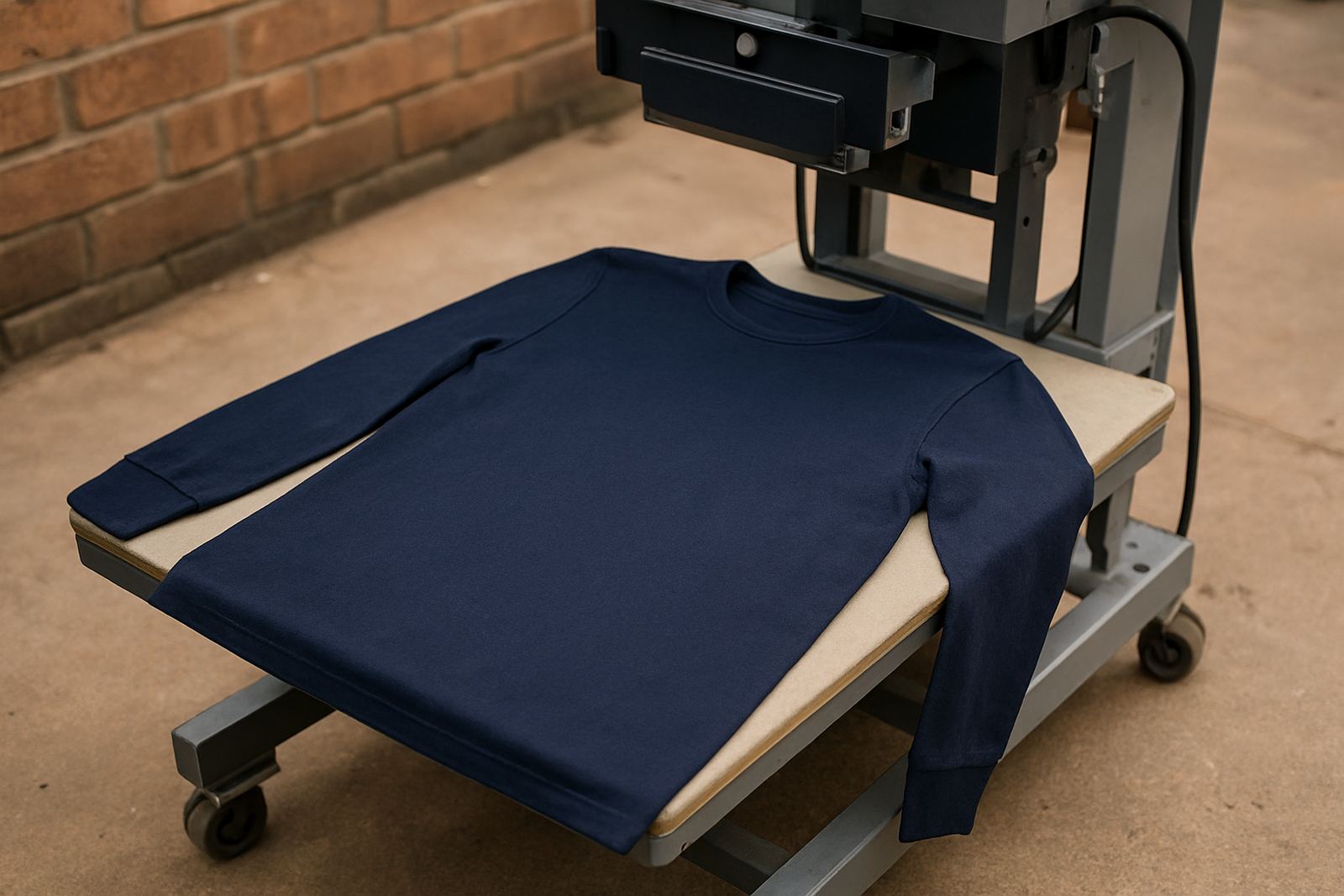
What the Long Sleeve Platen Does on Press
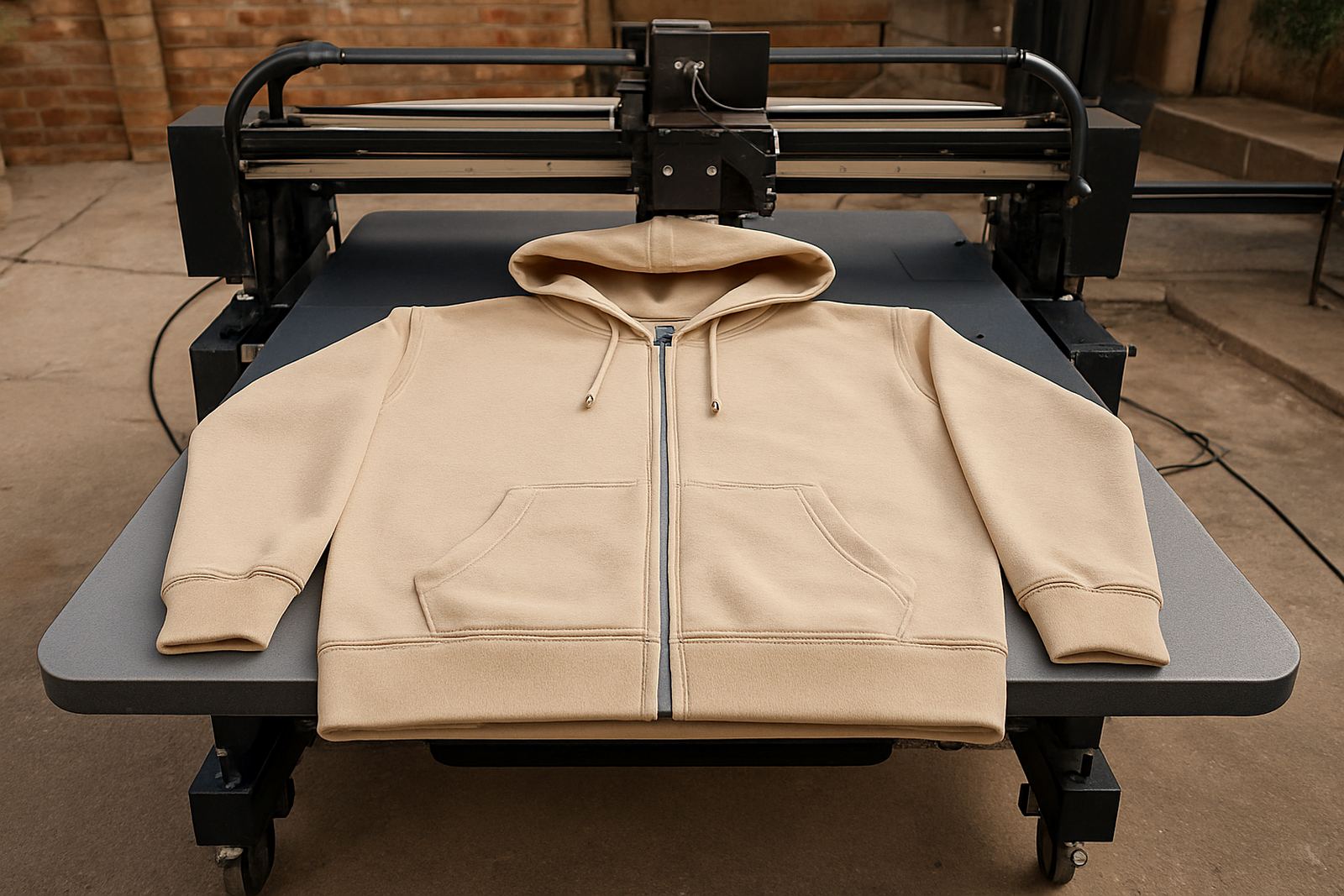
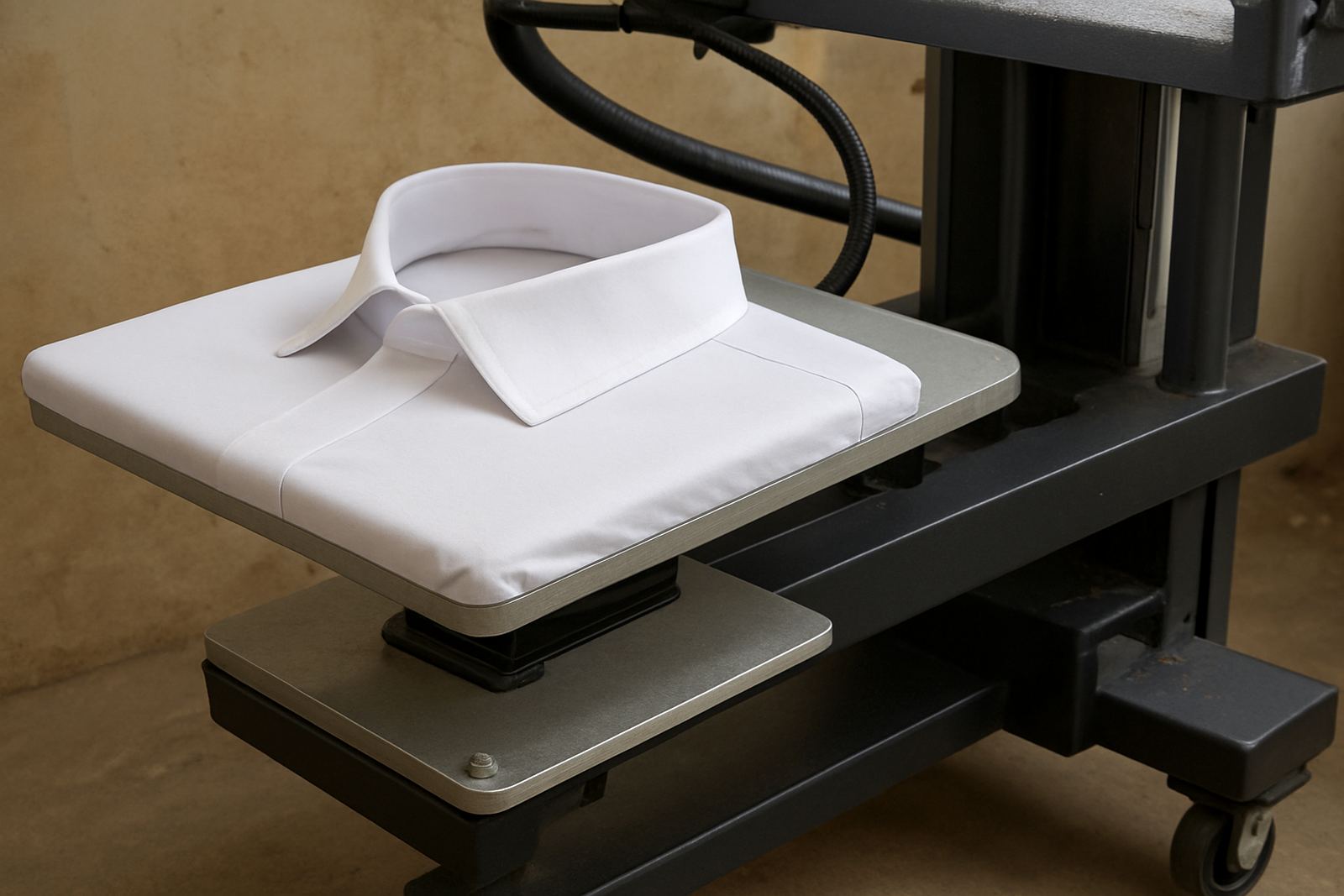
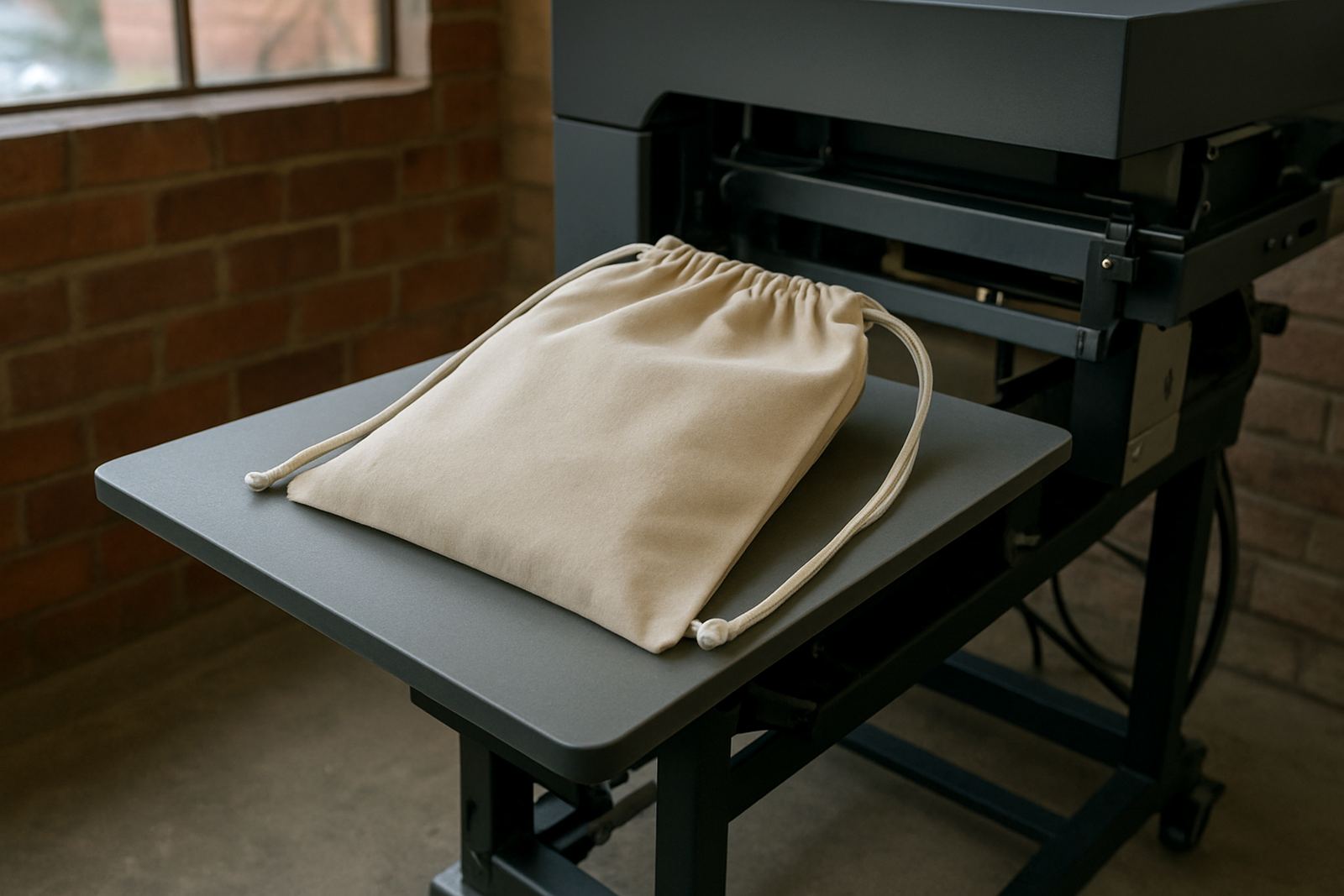
The Long Sleeve Platen is a garment support plate made for direct-to-garment printing on long sleeve clothing. It gives the print area a flatter, more controlled surface so the shirt sits better under the printer head, especially when you need a chest print, sleeve print or small front graphic close to seams and cuffs.
On long sleeve garments, the extra fabric often bunches near the arm or shifts as the operator loads the item. That movement can affect alignment and print consistency. This platen helps hold the body section in a steady position, which makes it easier to keep artwork centred and avoid print head contact with raised seams. For shops in Johannesburg, Pretoria or Durban dealing with mixed fabric loads, that extra control can save a lot of reprints.
It is a practical part for everyday production, not a special add-on. If your team prints for fashion labels, schoolwear, promo stock or corporate clothing, the platen helps keep the workflow tidy and repeatable. It dosen't need any special power or gas connection, just correct fitting to the printer carriage or platen mount, depending on the machine setup.
Sizes and Print Positions That Work Best
The right size depends on the garment type and the print area you use most. Long sleeve platens are commonly chosen for adult tees, heavy cotton tops, hoodies, sweat tops and lighter workwear items. A smaller platen suits narrow chest prints and youth sizes, while a wider platen is useful when you need more support across the body.
- Adult long sleeve tees: ideal for centre chest logos, left chest marks and full front designs
- Hoodies and sweaters: useful where the front panel needs better support under heavier fabric
- Workwear: helps with stable placement on garments that have thicker cuffs or side seams
- Short runs and samples: useful when you need fast changeovers between sizes
For most print shops, the main decision is not only the width, but also how the platen handles the sleeve length and shoulder shape. If your operators print on a mix of small and large garments, it is worth matching the platen size to the most common production range rather than the biggest item you handle once in a while.
Where It Suits in South African Production
This platen suits shops that print for retail ranges, sports clubs, branded clothing and custom apparel. In Crown Mines, Sandton and Randburg, many workshops work with regular daily orders and need clean placement on items that come in different fabric weights. A long sleeve platen helps keep production moving when the same press needs to handle many garment types in one day.
It is also useful in coastal areas such as Durban where humidity can affect garment handling and pretreat drying time. A flatter, firmer support surface makes loading easier when fabric feels softer or sticks a bit after pretreat. In colder inland months, it helps with thicker garments that can fold back at the side seam or cuff.
For larger production rooms in Midrand, East Rand or Centurion, the platen is a practical choice when the team wants better repeatability without changing the whole print process. If you are setting up a new shop or scaling output, the platen helps standardise placement from one operator to the next.
Installation, Fitment and Power Requirements
Installation is normally straightforward. The platen must fit your printer carriage or platen mount correctly, and the locking points should sit firm so the board does not move during loading or printing. On some systems, the operator will need to confirm the platen height, origin point and clearance before starting production. If the fit is too loose, the garment can shift and the print can drift.
No separate power supply or gas line is needed for the platen itself. It is a manual print surface, so the only requirement is that your printer, heat cure process and pretreatment workflow are already in place. For shops working through load-shedding schedules, that matters because the platen adds no electrical load of its own. You can still plan around your printer and curing equipment, but the platen itself remains simple to manage.
- Check platen lock points before first use
- Confirm print height and clearance with your current printer setup
- Make sure the garment can sit flat without stretching the seams
- Keep a clear loading routine so operators do not force the fabric into position
Care, Cleaning and Ongoing Servicing
Keep the platen clean and dry between shifts. Pretreatment overspray, lint and adhesive residue can build up over time, especially on busy floors where shirts are loaded all day. Wipe the surface with a soft cloth and a mild cleaner that will not damage the finish. Avoid soaking the board, and do not use rough pads that can mark the surface.
If the platen starts to feel uneven, check for loose fittings or wear at the mounting points. A small shift can affect print placement, so it is worth inspecting the unit during routine maintenance. In warmer areas, and especially where humidity is high, store the platen away from damp walls and direct sun to help preserve the material.
For shops that run seasonal reconfiguration, such as winter hoodie peaks or year-end promo work, it is sensible to review the platen before the busy period starts. A quick check now can prevent delays later when the queue is already building.
What to Check Before You Order
Before ordering, confirm the garments you print most often and the size range you need to support. The wrong platen width can make loading awkward, while the wrong length can leave too much fabric hanging loose near the print zone. If you print a lot of left chest logos, ask for a setup that keeps the body panel stable without lifting the collar too much.
It also helps to note the make and model of your printer, the type of garments you use and whether your team needs help with sample testing. If your shop is planning production scaling, send through the print sizes, the number of operators and the garments you run in peak season. That information makes it easier to match the platen to your workflow and avoid guesswork.
- Garment type: tees, hoodies, sweat tops or workwear
- Most common print area: centre chest, left chest or sleeve placement
- Printer fitment details and platen mount style
- Whether you need help with setup, workflow review or operator training
- Expected daily volume and any seasonal change in garment sizes
If you are unsure, send the details through the enquiry form and we can help you check compatibility before you place an order.
Key facts
| Product type | Direct-to-garment long sleeve platen |
|---|---|
| Primary use | Better body positioning for chest and front prints |
| Suitable garments | Long sleeve tees, hoodies, sweaters and workwear |
| Power requirement | None for the platen itself |
| Installation | Fits to printer carriage or platen mount, model dependent |
| Support | Courier delivery nationwide from Crown Mines, Johannesburg |