
Made for flat bag work that must stay square
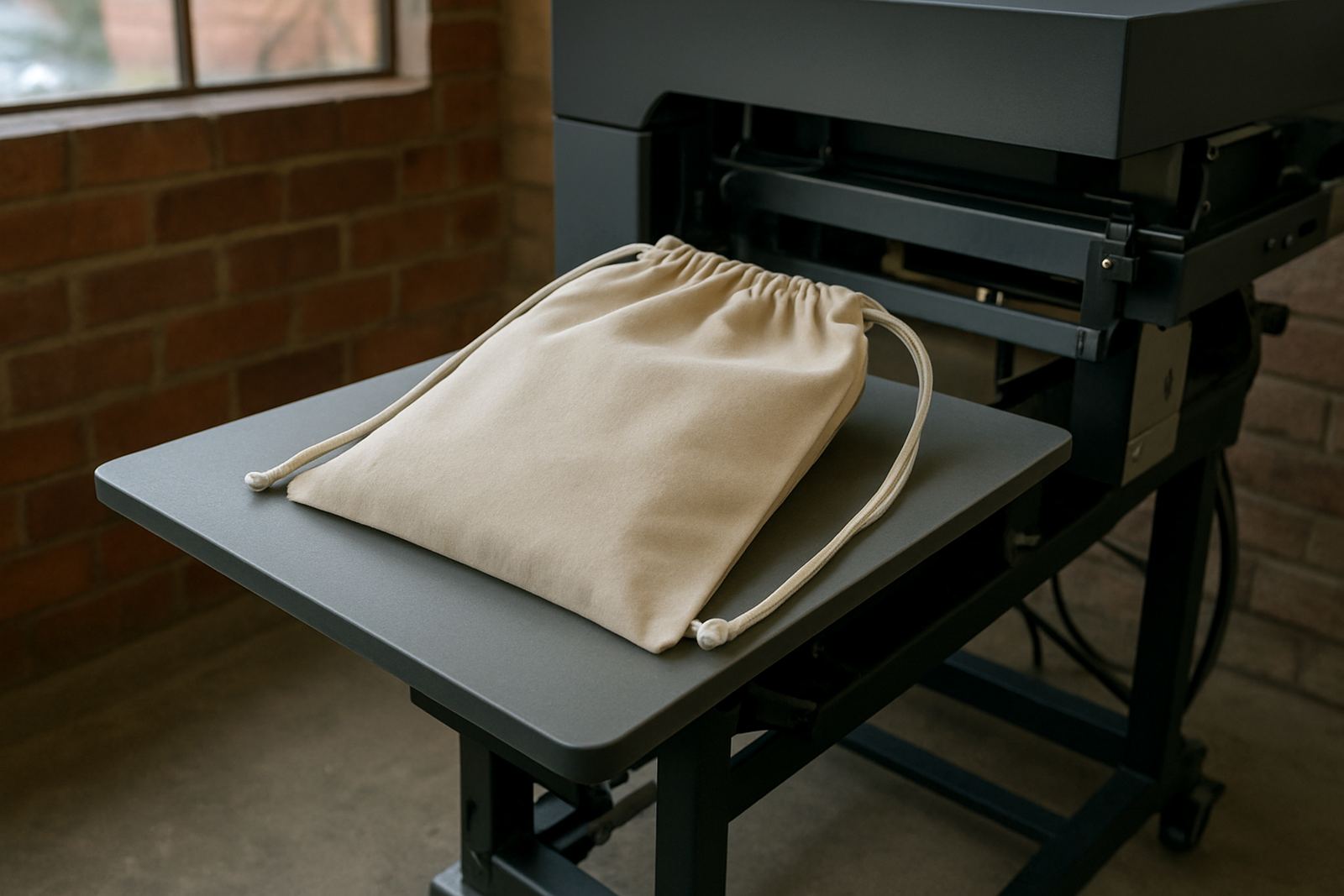
A flat bag platen gives you a stable surface for bag printing when the item is not as simple as a T shirt. Handles can get in the way, side seams can lift the fabric, and thicker bag panels often shift once the heat starts working on them. This platen is shaped to support those problem areas so the bag sits flatter and your print stays in the right place.
It is commonly used for cotton totes, canvas shoppers, promotional carry bags and flat retail bags. In shops around Johannesburg, Pretoria, Durban and the East Rand, it is a practical option for print runs where the bag must look neat from the first piece through to the last. The platen helps reduce rework, especially when operators are printing under time pressure and need repeatable placement.
Because the surface is built for bag positioning, it is also useful for shops that offer both garment printing and bag decoration from the same line. One platen can save time on setup, and that matters when orders come in small batches or when a client wants samples before a larger job.
Sizes and options to match common bag formats
Flat bags are not all cut the same, so the platen needs to match the product you print most often. DTGrip offers size options that suit narrow promotional bags as well as wider shopper bags, with room for seam control and handle clearance. If the platen is too small the print area feels cramped, if it is too large the bag may sit awkwardly and waste time during setup.
Typical options are chosen around bag width, print area and operator comfort. For smaller runs, a compact platen can be enough. For busy production floors, a wider platen can improve consistency when the same style is printed again and again. Ask what size suits your standard bag blank, especially if you work with imported bags that vary a few millimetres from one batch to the next.
- Compact platen sizes for small tote bags and lightweight shoppers
- Wider platen sizes for large carry bags and retail bags
- Cut-out or clearance shaping for handle management
- Heat resistant surface options for regular production use
- Compatibility checks for your existing press setup
Where this platen suits best
This platen suits print shops that do promotional work, fashion bags, event bags and retail packaging. It is a strong fit for suppliers in Sandton and Randburg doing short promotional runs, and for production shops in Crown Mines or Midrand that need steady output on repeated orders. It is also useful for businesses that print branded bags for expos, schools, hospitality and local retail chains.
For coastal jobs in Durban, bag printing often faces extra moisture and fabric movement, so a platen that supports clean placement can help keep production predictable. In inland shops, the bigger challenge is usually speed and consistency when the line is busy and the operator is moving from one product size to another. This platen helps with both.
If your work includes seams, boxed corners or stitched handles that create a raised edge, this is the type of platen that gives you better control. It is not only about holding the bag still, it is about making the print area easy to read and easy to hit every time.
Installation, press fit and power needs
The flat bag platen is fitted to your existing print press and should be aligned before production starts. Installation is usually straightforward, but the exact fit depends on the press head and mounting system. If your workshop changes between platen sizes, it is worth keeping a clean changeover routine so operators do not waste time rechecking height and position on every job.
No extra gas supply is required for the platen itself. It works as part of your normal press setup, so your main needs are a stable press, correct pressure and proper heat settings for the ink or pretreat system you are using. In areas where load shedding interrupts the day, shops often prefer a workflow that lets them recover quickly after a power cut without losing the day’s order.
- Check platen fit before the first production run
- Set even pressure across the whole bag surface
- Confirm heat setting for the fabric and print system
- Allow enough workspace for loading and unloading bags
- Keep the press area level so the bag sits flat, not twisted
Care, servicing and day to day handling
Like any production tool, the platen lasts longer when it is kept clean and handled properly. Wipe off lint, dust and adhesive residue after use, especially if you print on brushed cotton or canvas that sheds fibre. If a bag leaves marks or build-up on the platen surface, clean it before the next job so the print area stays even. A dirty platen can affect alignment more than many operators expect.
In humid areas near the coast, or in workshops where pretreat spray is used often, the surface should be checked regularly for moisture damage, warping or wear around the edges. If the platen starts to feel uneven, it can affect print quality and cause small shifts in registration. That is why shops often include platen checks in their weekly maintenance routine, along with press pressure and heat platen inspection.
DTGrip also supports operators with setup guidance, sample testing and remote troubleshooting when a job is not sitting right. If you are scaling up, a short workflow review can save time and reduce waste on repeat bag orders.
What to check before you place an order
Before ordering a flat bag platen, measure the bag styles you print most often and confirm the widest usable print area. A lot of errors come from guessing the bag size instead of checking the actual blank. If your supplier changes bag cut sizes from time to time, make sure the platen gives you enough room for the largest version you expect to run.
Also check how your handles sit, where the seams land, and whether the bag has side gussets, zips or thick top hems. These details affect how flat the bag lies on the platen. If you print both small promo totes and larger retail bags, it may be worth planning for more than one platen size. That is usually cheaper than forcing one platen to handle every product and then dealing with rejects later.
- Bag width and height in millimetres
- Handle position and seam placement
- Desired print area and artwork size
- Press compatibility and mounting fit
- Volume per day and likely repeat orders
If you are unsure, the DTGrip team can help with sample testing and production planning through the enquiry form on the contact page. That is often the simplest way to avoid buying the wrong size first time round.
Key facts
| Product type | Flat bag platen for printed bags and promotional carry items |
|---|---|
| Use case | Supports flat bag printing where seams and handles must be managed |
| Size options | Available in multiple platen sizes for narrow and wide bag formats |
| Material | Durable heat resistant platen construction for repeat workshop use |
| Installation | Fits compatible existing print press systems |
| Power or gas needs | No separate gas supply required; uses standard press heat and pressure |