What the Light Garment Kit does on press
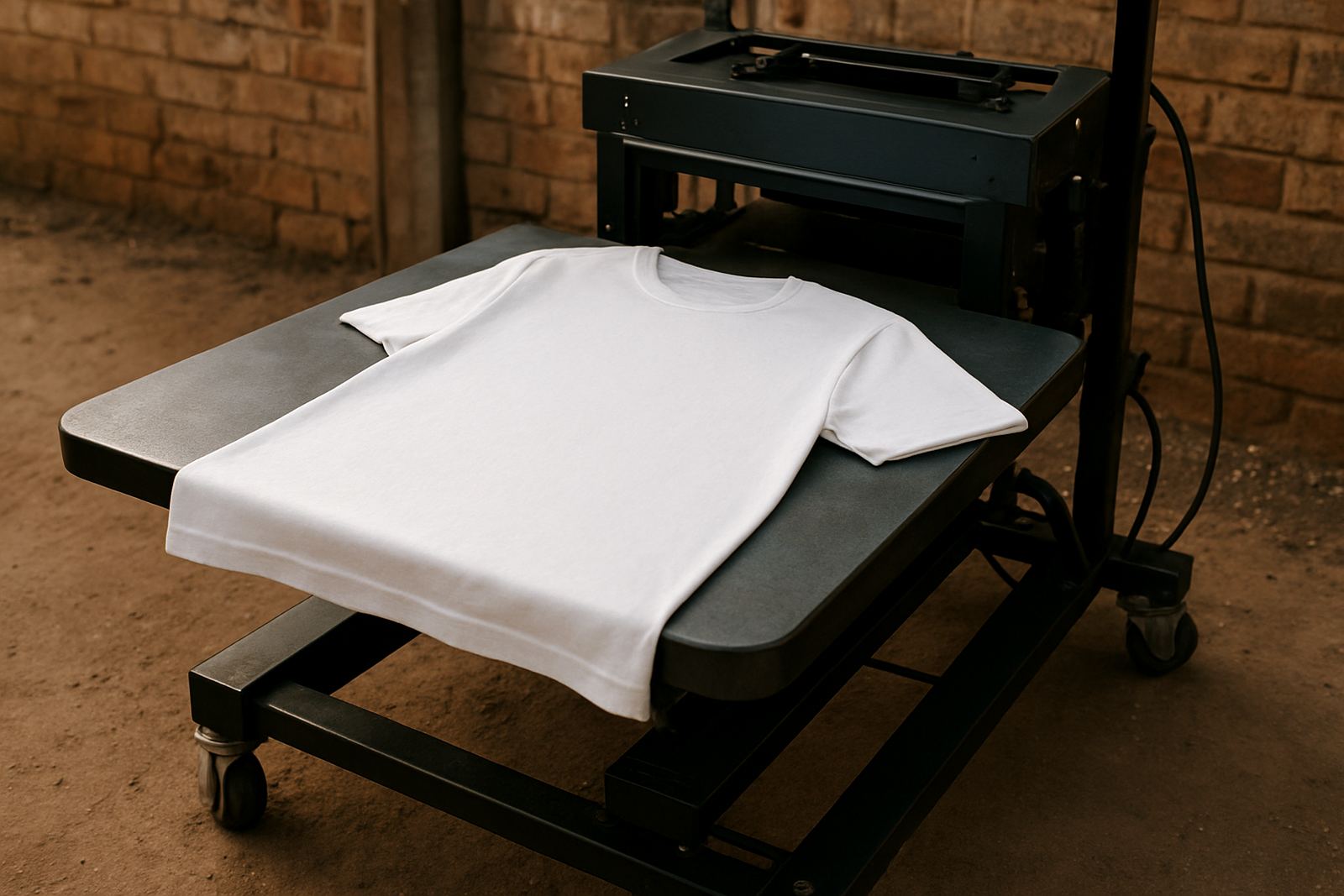
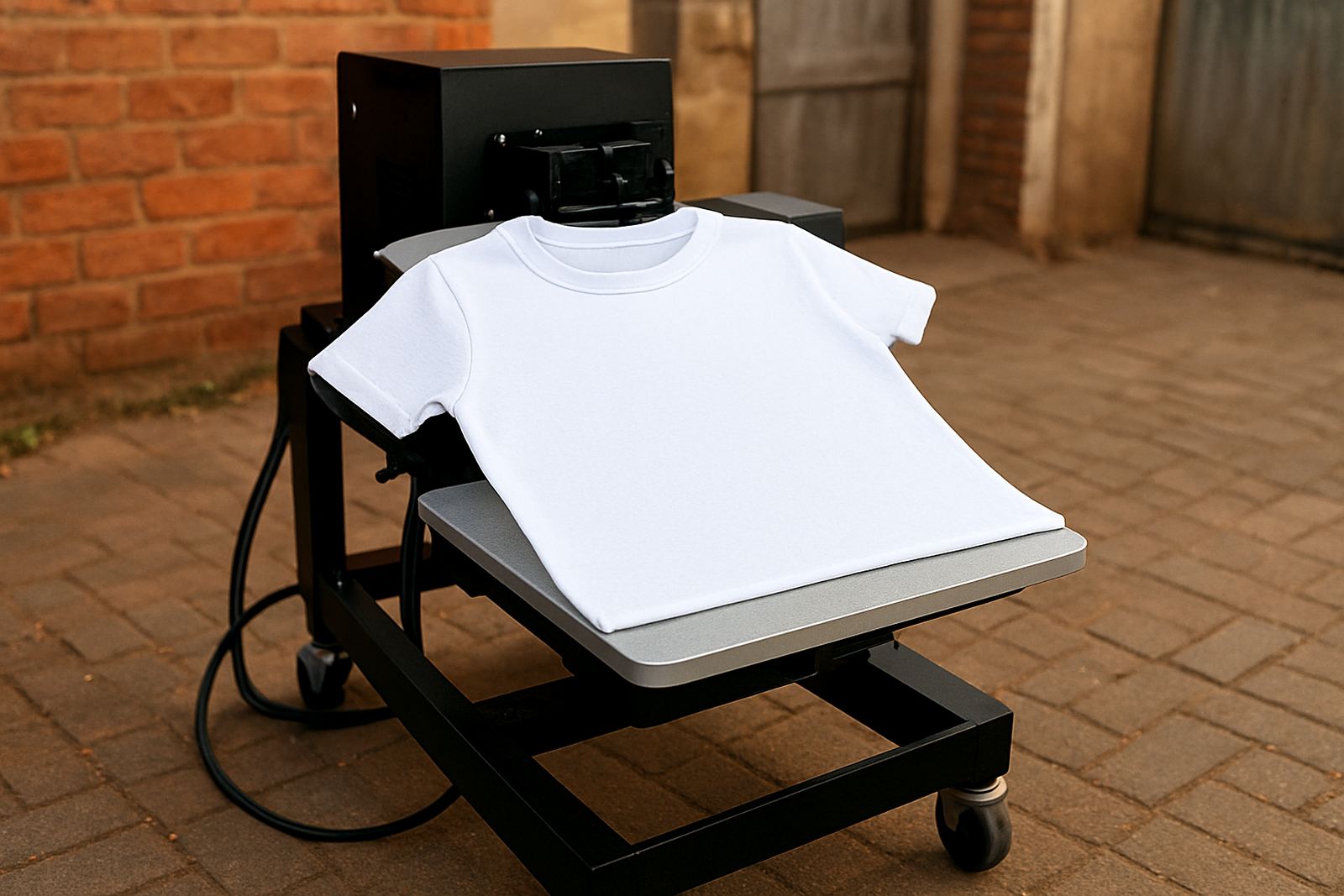
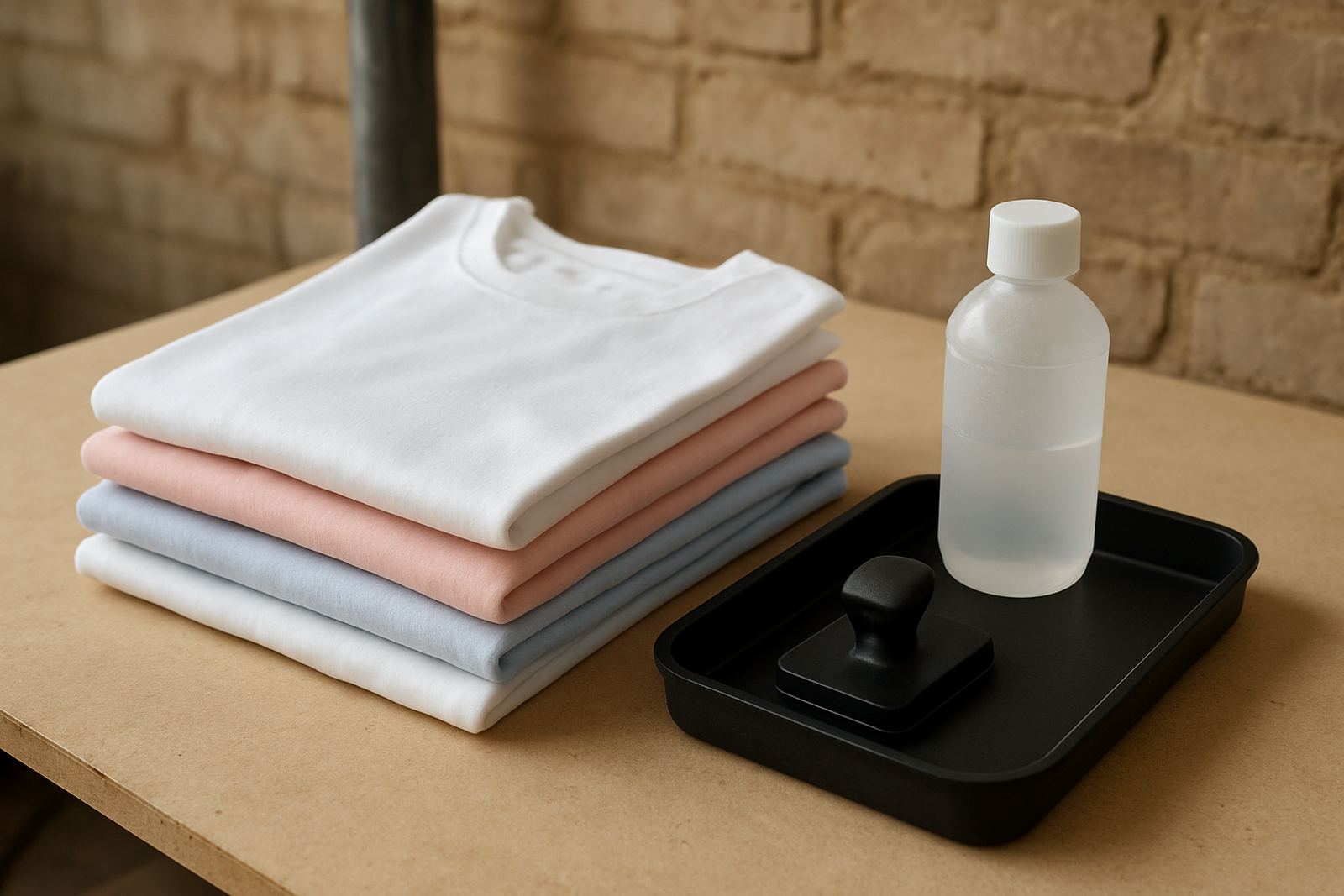
The Light Garment Kit is set up for direct-to-garment work on light-coloured garments where you need even placement and a quick turnaround. It gives the operator a stable surface for prep and printing, so shirts sit flatter and the print area stays more consistent from one job to the next.
This kit is a practical choice when you want a softer feel on the finished garment and less time spent adjusting the garment between prints. In busy shops, that means quicker loading, fewer misprints, and less waste on short runs. It is also handy for shops that print mixed orders through the day, from staff tees to event wear, with one operator moving between sizes.
- Built for light garments and softer finish requirements
- Supports repeatable print positioning
- Suitable for short runs and daily production
Sizes, platen options and garment fit
We supply Light Garment Kit options to suit common print areas and garment sizes used in South Africa. The right platen depends on the garment shape, print size and how much speed you need on the floor. A smaller platen is better for youth sizes and fitted tops, while larger surfaces give more room for front chest or full front jobs.
For most print shops, the decision comes down to what moves through the press each week. If you run a lot of small and medium tees, one light garment platen may be enough. If your work includes ladies' cuts, oversized tees and a mix of promo garments, a set of sizes will keep changeovers tidy and reduce handling time.
- Common platen sizes available for different garment widths
- Options for youth, small adult and standard adult garments
- Suitable for fitted tees, polo shirts and light promo wear
We can also assist with seasonal reconfiguration when your order mix changes, for example from summer school wear to winter corporate layers.
Best uses in local print shops
This kit suits print shops that need a simpler prep method for light garments without adding unnecessary weight or bulk to the workflow. It is a good fit for custom apparel counters, fashion sampling, promotional production and contract printing where the garment finish must stay clean and light.
In Johannesburg, Pretoria East, Randburg and the East Rand, many shops use light garment setups for high-volume tee orders and quick turnaround jobs. Coastal operators in Durban often ask for easier handling too, because humidity can affect how garments sit on the platen and how pretreated fabric feels before the press. The Light Garment Kit helps keep those jobs moving, even when the shop is running around load-shedding or working off a backup plan.
- Promo clothing and event tees
- Fashion samples and small label runs
- School, club and staff wear
- High-volume light cotton and blended garments
Installation, setup and power needs
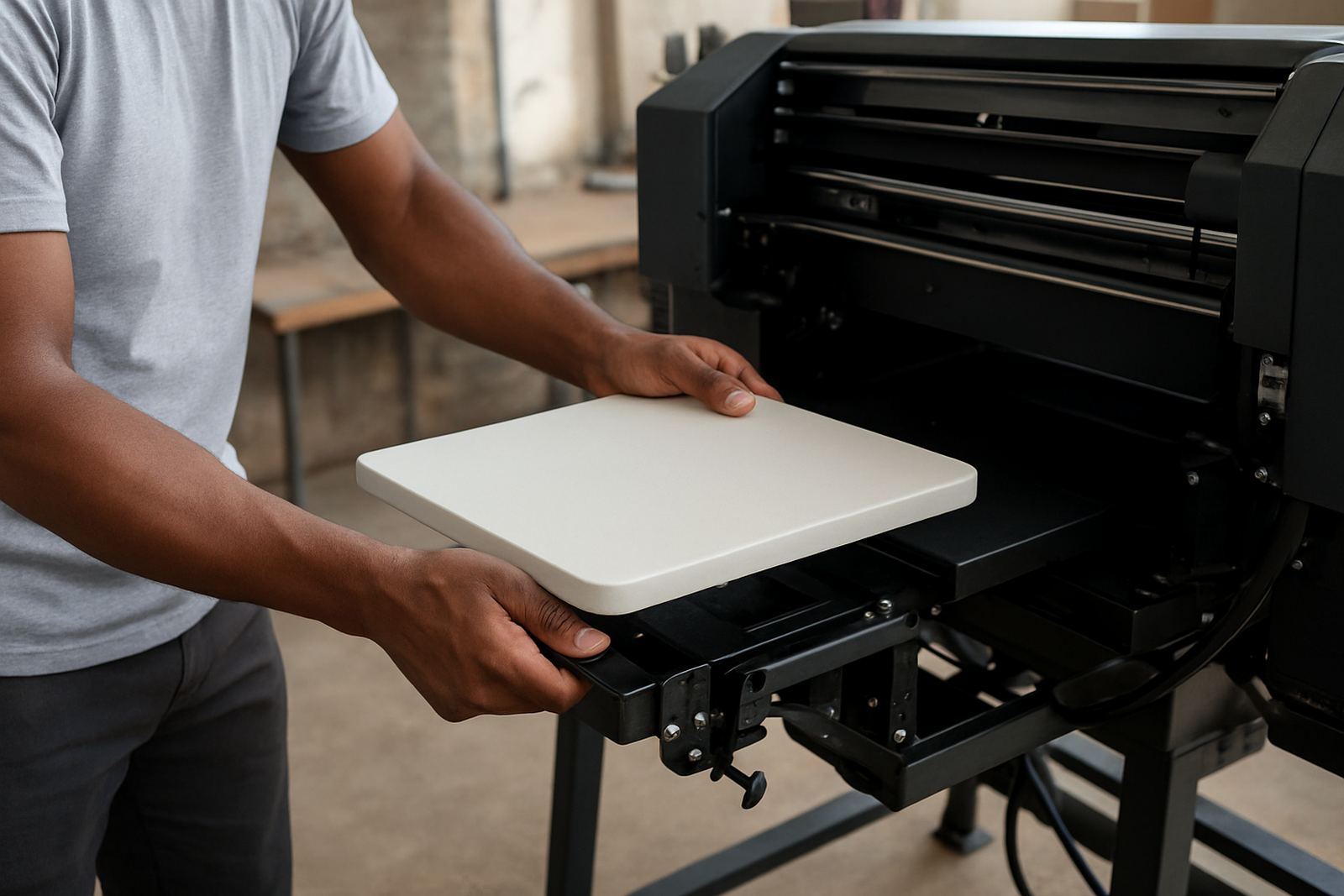
The kit is designed for straightforward installation on standard DTG production equipment. In most cases, setup is about getting the right platen fit, confirming alignment and checking that your loading position is comfortable for the operator. If your shop has multiple operators, we recommend a short workflow review so everyone loads the same way.
No gas is required for the kit itself. Power needs depend on the printer and curing setup already in your shop. If you are working through municipal load-shedding, it helps to plan your pretreatment and printing sequence so you are not leaving garments half prepped on the line. A small staging area and stable table space make a big difference in keeping the job clean.
- Fits standard DTG production workflows
- No gas connection required
- Works best with a tidy prep and loading area
Care, servicing and day to day handling
Good care keeps the platen clean and the print area consistent. Wipe down residue after use, keep the edges free of buildup, and store the kit in a dry area when not in use. In humid conditions, especially near the coast, it helps to check for moisture on garments and any residue from pretreatment before you start the next run.
If your shop prints daily, a regular inspection routine is worth it. Check for wear on contact points, uneven seating, and any movement that could affect registration. We also recommend reviewing the kit after heavy seasonal production, because long shifts and repeated loading can loosen fittings over time. A small issue caught early is much cheaper than a reprint later.
- Clean after each production session
- Inspect for wear, movement and residue build-up
- Store dry and away from direct dust exposure
What to check before you order
Before ordering, confirm the garment types, average sizes and the print area you need most often. It also helps to know whether your shop wants one main platen or a few sizes for mixed production. If you are planning new shop setup in Crown Mines, Sandton, Midrand or Pretoria East, we can help you match the kit to the work you actually do, not just the sample jobs.
Please check the following details so the right kit is supplied first time, with less back and forth and fewer delays in your production week.
- Printer model and platen interface details
- Typical garment sizes and fabric types
- Desired print area and loading style
- Whether you need one platen or a set of sizes
- Your current workflow, including pretreatment steps
If you need help with sample testing, operator training or print alignment help, use the enquiry form on our contact page and we will talk through the best option for your shop.
Key facts
| Product type | Light garment DTG prep kit |
|---|---|
| Primary use | Printing on light-coloured tees, blends and promo wear |
| Size options | Multiple platen sizes for youth and adult garments |
| Power requirement | No direct power required for the kit itself |
| Gas requirement | None |
| Support | Installation help, workflow review, sample testing and remote troubleshooting |