
Fast platen changes for busy production runs
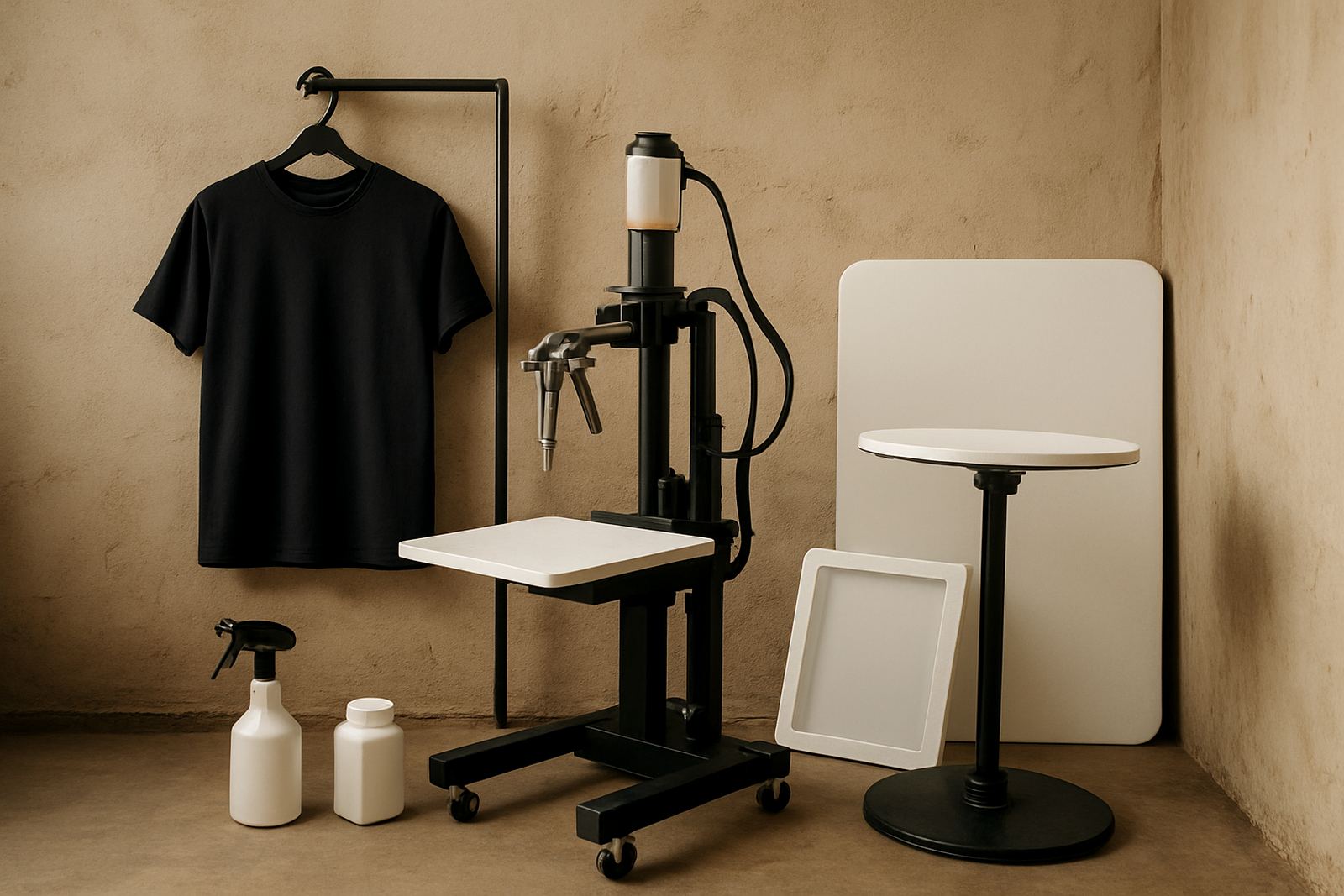
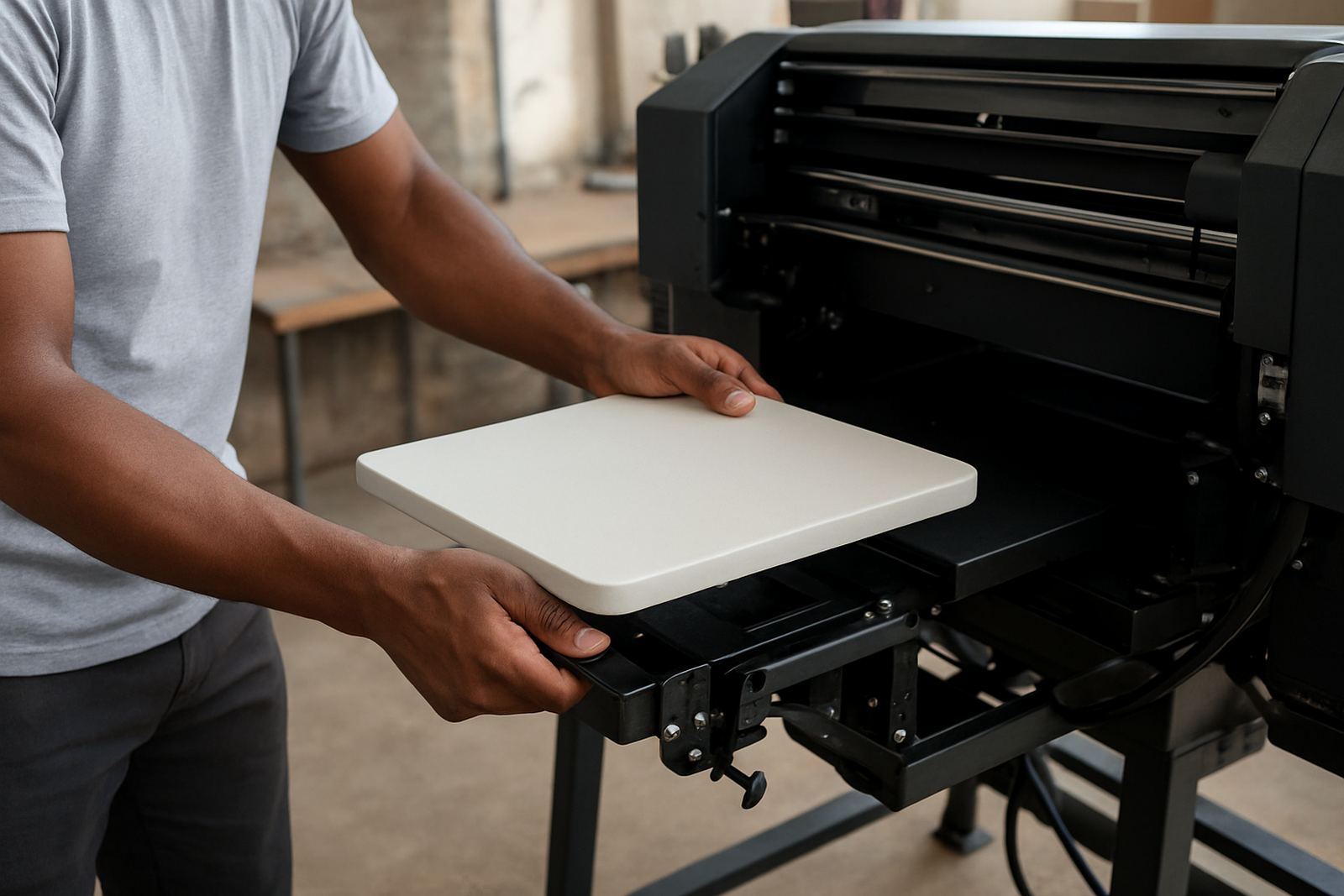
The Quick Release Base is made for shops that switch between platen sizes many times a day. Instead of undoing the full mount each time, the operator releases the platen, changes the size and locks it back into place with far less handling. That saves time on short runs, repeat orders and same-day work where the next shirt is already waiting.
It is especially useful in Crown Mines, Johannesburg and other print hubs where teams juggle retail packs, promo orders and branded staff wear in one shift. Less changeover time means fewer interruptions at the press and fewer chances of setting the platen off centre. For a shop running under load-shedding schedules or a tight courier cutoff, that matters.
- Speeds up platen swaps between jobs
- Helps reduce setup errors and re-alignment time
- Useful where operators share the same press through the day
Sizes and mounting options for different garment work
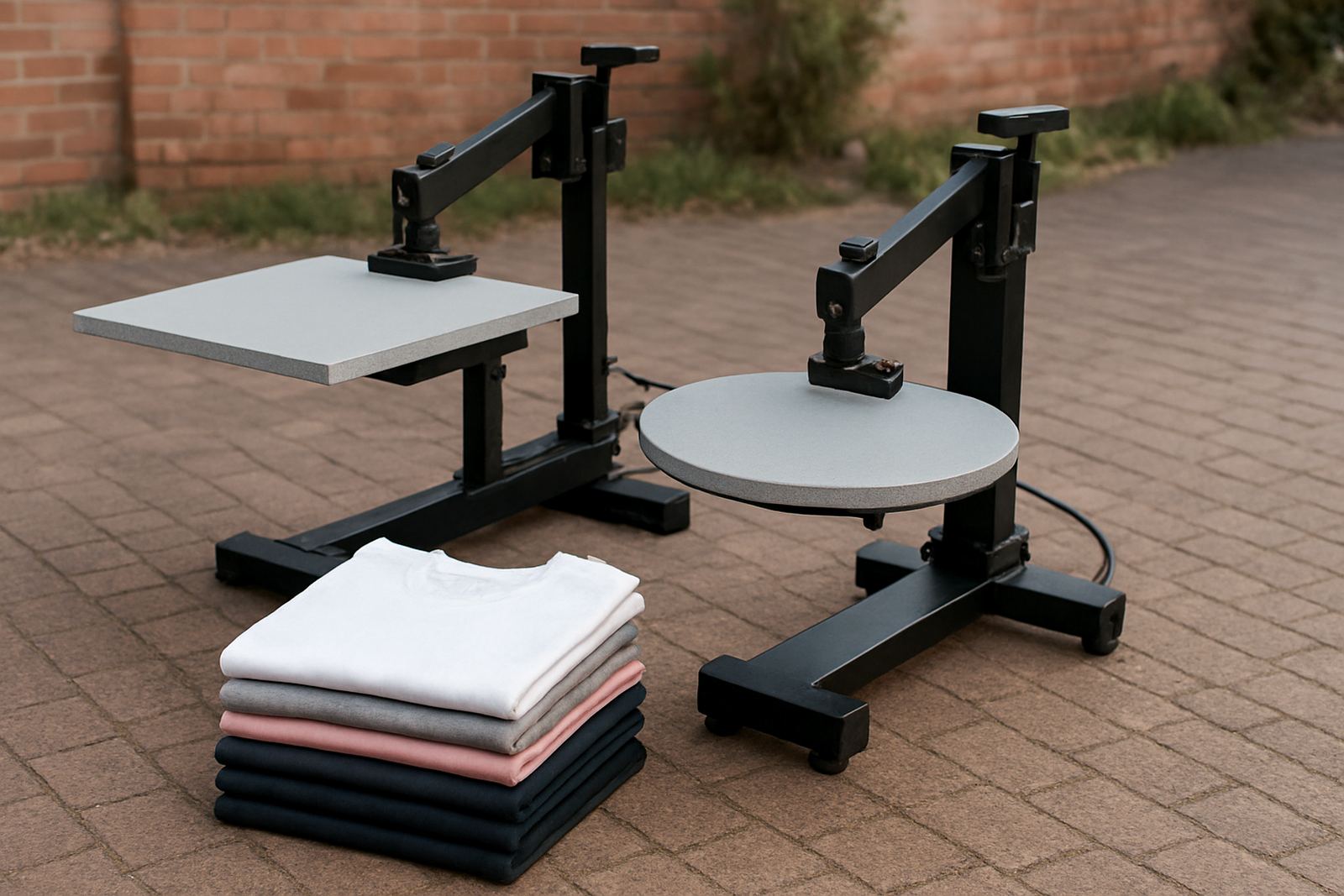
The base is typically supplied to suit common DTG platen sizes used for adult tees, youth garments, hoodies and compact print areas. The right option depends on the press style, platen footprint and how often your shop changes from one garment type to another. If your workflow includes oversized front prints one moment and left chest branding the next, the base helps keep the transition tidy.
Because every production floor is different, we look at the platen family, the press frame and the clearance around the machine before advising on the correct setup. A small shop in Randburg may need a lighter mix of sizes, while a larger operator in Midrand or Pretoria East may want a broader set for mixed daily work. The goal is to keep the base practical, not overcomplicated.
- Suitable for multiple platen sizes used in garment decoration
- Can support mixed production for tees, hoodies and specialty items
- Choice depends on press compatibility and job mix
Where the quick release base suits best
This product suits print shops that run frequent changes, rush orders or seasonal peaks. It is a good fit for fashion labels, promotional clothing work, schoolwear orders and custom apparel businesses that cannot afford slow handovers between jobs. If your team prints in batches of 5, 20 or 100 and keeps changing garment size, a fixed base can become a bottleneck.
It also suits workshops that train new operators, because the release action is easier to standardise than a loose manual swap. That said, it still needs correct alignment and a steady routine. Good setup habits matter just as much as the hardware, otherwise you can lose the time you hoped to save.
- Best for mixed-size production and short turnaround work
- Useful in multi-operator shops where consistency matters
- Helpful for seasonal spikes and schoolwear campaigns
Installation, power and workshop requirements
The Quick Release Base is a mechanical mounting system, so it does not need dedicated power or gas supply. It is fitted to the press setup and then checked for alignment, lock action and platen seating. The main requirement is a stable press, enough working room around the machine and an operator who understands the swap sequence.
Installation should be done with proper attention to platen position and the way the press is used in daily production. If the workshop floor has vibration, uneven benches or tight walkways, that should be sorted first. In some shops we also look at the flow around the dryer, pretreat area and packing table so the platen change does not cause a backtrack across the floor. A tidy path saves time and reduces the chance of knocks and drops.
- No power or gas supply needed for the base itself
- Needs correct mechanical fitting to the press system
- Should be installed with enough space for safe platen handling
Care, servicing and day-to-day use
Like any high-use workshop fitting, the Quick Release Base should be kept clean and checked often. Pretreatment overspray, lint and shirt fibres can build up around moving parts if the area is not wiped down. A short daily clean and weekly inspection usually keeps the release action consistent. In coastal areas such as Durban, a little extra care helps against moisture and surface wear.
If the base starts to feel stiff, does not lock cleanly, or the platen sits slightly off, do not push through the issue. Check the fitting, clean the contact points and confirm the setup before the next run. Regular servicing is simpler than fixing a rushed job after a platen shift has thrown the print off centre.
- Wipe down moving parts and seating areas regularly
- Inspect for build-up from lint, pretreat and moisture
- Keep an eye on lock engagement and platen alignment
What to check before you order
Before placing an order, confirm the press type, the platen sizes you use most often and how many swaps happen in a normal shift. It also helps to know whether your work is mostly adults, youth, hoodies or mixed promo garments. If you run a new shop or are scaling up, we can also look at whether the base should be part of a broader workflow review, especially if you are adding more printers or building a second shift.
Have the following details ready when you enquire through the contact page: the press model, platen footprint, typical garment range and whether you need remote troubleshooting, onsite support or operator training after fitting. That lets us advise properly from the start, so the base suits your shop instead of forcing your team to work around it.
- Press model and platen footprint
- Most used garment sizes and job types
- Need for fitting support, training or workflow changes
Key facts
| Product type | Quick release platen base system |
|---|---|
| Main use | Faster swaps between platen sizes |
| Power requirement | None for the base itself |
| Typical fit | DTG garment printing workstations |
| Ideal use | Mixed garment sizes and high-changeover production |
| Support available | Installation guidance, training and troubleshooting |