Built for white ink work on dark garments
The Dark Garment Kit is a pretreatment package for direct-to-garment printing on black and deep colour fabrics. It is used before printing to help white ink sit properly on the garment, improve print clarity and reduce patchy results on absorbent cloth. In day to day production, that means better coverage on chest logos, back prints and left chest branding where dark garments would otherwise pull the ink down into the fibre.
This kit is suited to Johannesburg print rooms, Durban shops dealing with coastal humidity and inland workrooms where temperature swings change how pretreat dries. It is especially useful for cotton, cotton rich blends and fashion blanks that need a clean base for white ink. For some shops the gain is speed, for others it is less rework and fewer test prints. Either way it supports tighter control on dark fabric jobs, and makes repeat work easier to manage.
- Designed for white ink on black, navy, charcoal and other deep colours
- Helps improve opacity and sharpness on garment fronts and sleeves
- Useful for fashion labels, schoolwear decorators, promo shops and event wear
- Works with single piece samples and short production runs
What comes in the kit and the size options
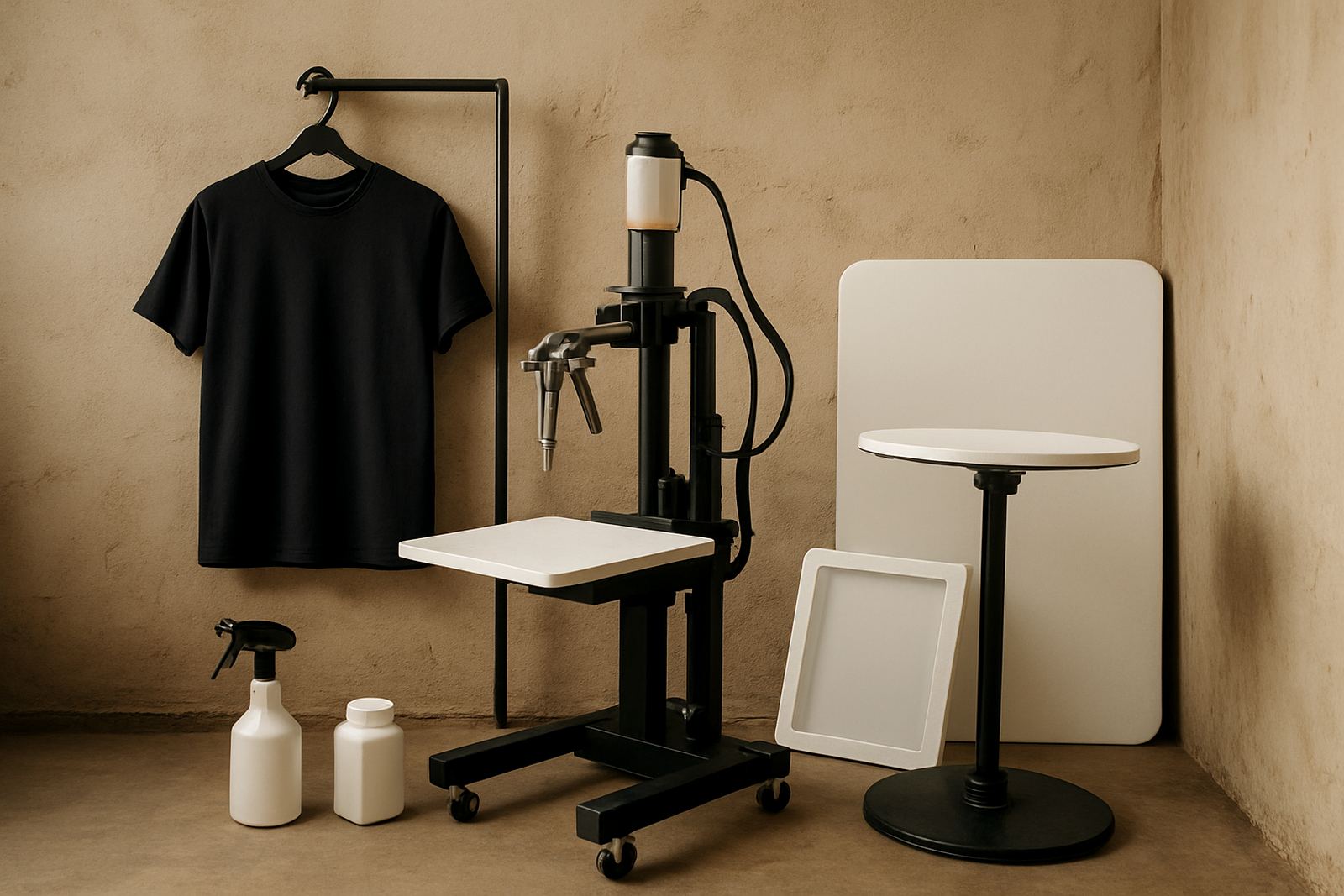
DTGrip supplies the Dark Garment Kit in practical workshop sizes so you can choose what suits your volume. Shops running sample work or part time production may prefer a compact kit, while busier operators in Crown Mines, Midrand or Pretoria East usually want enough product for ongoing print runs and seasonal peaks. The kit is laid out for straightforward use, with clear prep steps and a workflow that fits a normal garment decoration table.
Available options typically cover starter, standard and higher volume use. The exact contents vary by order size but the focus stays the same: pretreatment liquid for dark garment work, application support and enough material to keep the process consistent across batches. If you are scaling up production or adding white ink work for the first time, it helps to match the kit size to your daily garment count rather than guessing. That saves money and avoids running out mid week.
- Starter size for sample testing and low volume runs
- Standard size for regular shop use and mixed garment orders
- Larger volume option for busy print floors and repeat production
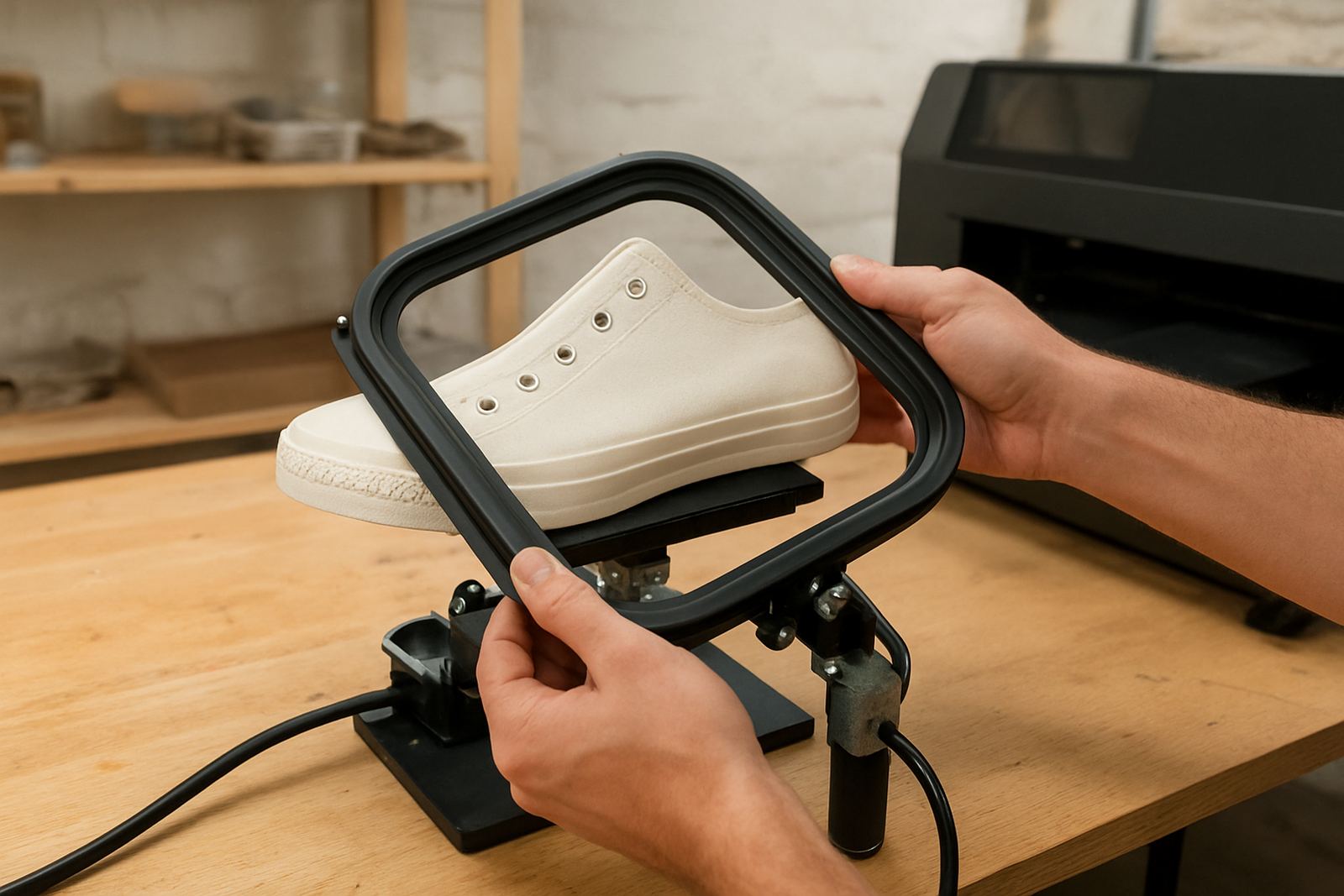
- Suitable for use alongside DTGrip platens and setup support
Where it suits best in a South African print shop
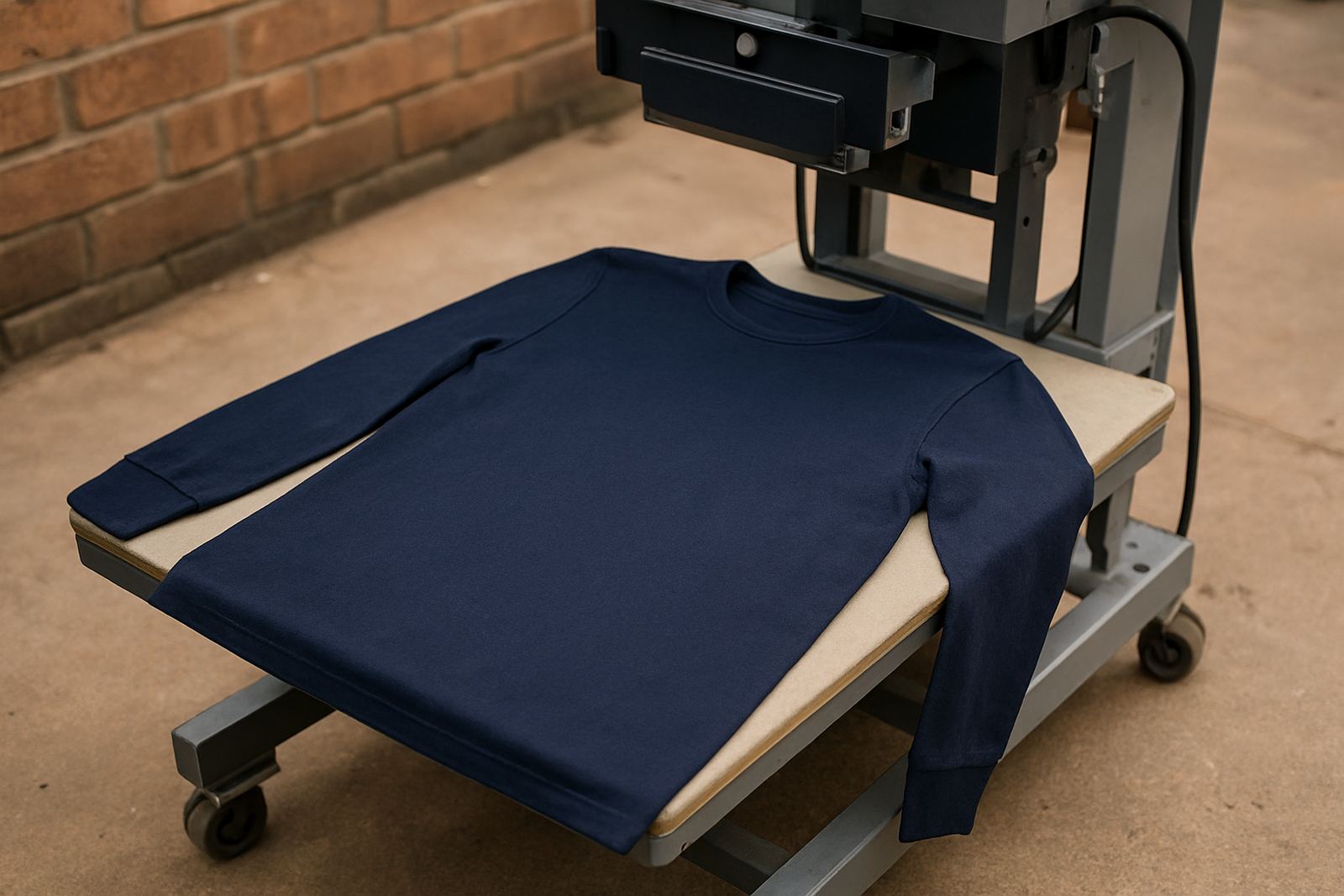
This kit suits shops that need dependable results on dark tees, hoodies, tote bags and other apparel with a high absorbency surface. It is common in branding work where white ink needs to stand out on black cotton, or on dark promotional clothing for events, staff uniforms and retail ranges. If your work includes tight deadlines and next day courier dispatch, the kit helps keep prep steps stable between orders.
It also fits operations where the same garment type comes through again and again, such as club wear, campus clothing and workwear. In these settings the pretreatment workflow needs to be practical, not fussy. A good setup reduces guesswork, and that matters when your team is balancing machine time, pressing cycles and customer collection. In our experience, shops in Sandton, Randburg and East Rand often ask for support on repeat dark garment jobs after upgrading their white ink output.
- Promotional clothing and event merchandise
- Fashion labels and small batch apparel runs
- Custom gifts, branded hoodies and staffwear
- Garments that need white ink on dark cotton or blends
Setup, power and working conditions
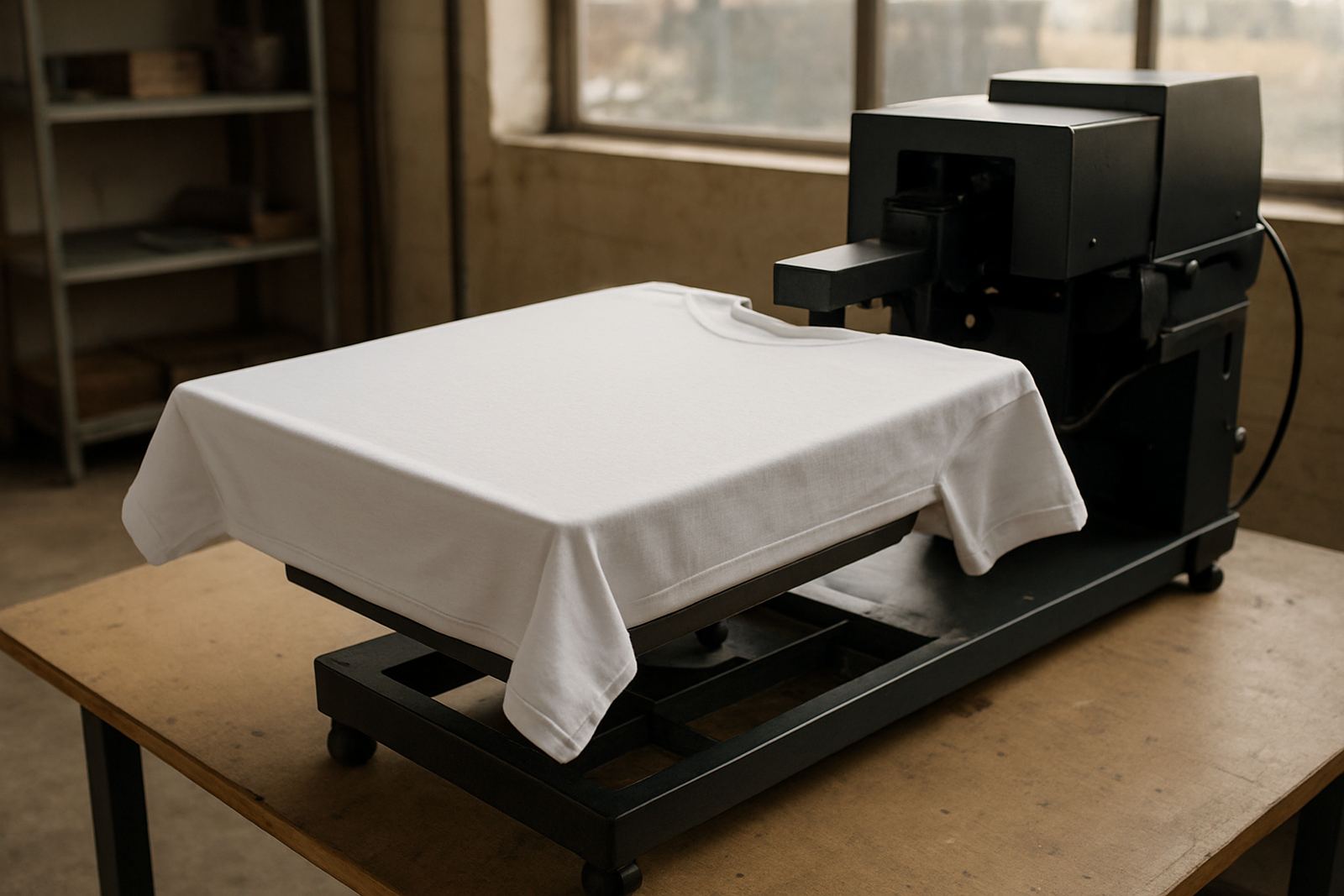
The kit itself does not need special power or gas on its own, but it is normally used with a pretreat application workflow that sits next to your printer and heat press. If you are running a spray or manual application process, you need a clean area, a stable table and enough room for drying and pressing. Shops using compressors or heat curing equipment should check their current electrical capacity, especially during load shedding when presses, heaters and printers may all compete for supply.
For best results the garment should be flat, the platen should suit the size of print and the pretreat should be applied evenly. In humid conditions, such as Durban or coastal storage spaces, drying may take a bit longer. Inland, dry air can speed things up, but can also make operators rush the process. A steady method matters more than speed. If your team is still setting up a new shop in Centurion or planning production in Pretoria East, we can help review the workflow before you commit to a bigger run.
- Use on a clean, level prep surface with enough space for drying
- Check power supply for presses, heaters and any supporting equipment
- Allow for load shedding planning where uptime is critical
- Keep the area dust free to avoid marks on dark garments
Care, servicing and keeping the workflow consistent
Like any print room consumable, pretreatment works best when it is stored and handled properly. Keep containers sealed, away from direct sun and out of hot vehicles. If the liquid is left open or contaminated, the finish can vary from job to job. Shops that print through busy seasons often benefit from a simple checklist so the operator does the same steps every time, even when the queue is long.
DTGrip also supports shops with troubleshooting and workflow reviews, which helps when a print starts looking uneven or the hand feel changes. If the issue is not the printer, it may be the pretreat amount, dry time or fabric type. Regular checks save wastage and keep your output more consistent. One small routine can make a big difference, especially when a team is sharing stations and pressing garments through the day.
- Store pretreat sealed and away from heat
- Clean application tools regularly to prevent build up
- Record settings for each fabric type
- Recheck output after staff changes or seasonal shifts
What to check before you order
Before placing an order, check the fabrics you print most often, the size range you need and how many garments you do in a normal week. If your main work is adult tees, hoodies or youth apparel, the kit size should match those formats. Also think about whether you need support for sample testing, onsite setup or remote troubleshooting. A good order starts with the actual work on your floor, not just the catalogue choice.
It is also worth confirming whether your team uses flatbed printing, multiple platen sizes or seasonal reconfiguration for schoolwear and winter ranges. If you are expanding into white ink work, ask about print alignment help and operator training as part of the roll out. Shops in Johannesburg, Sandton, Midrand and across the country often order best when they plan around production days, courier lead times and staff availability. That keeps the changeover smooth and avoids wasted stock.
- Fabric mix: cotton, cotton rich or other dark garment types
- Average print size and platen requirement
- Daily volume and expected repeat orders
- Need for setup support, training or sample testing
Key facts
| Product type | Pretreatment package for dark garment white ink printing |
|---|---|
| Primary use | Black and deep colour fabrics |
| Suitable garments | T shirts, hoodies, tote bags, promo wear and workwear |
| Order sizes | Starter, standard and higher volume options |
| Support | Installation guidance, workflow review, sample testing and remote troubleshooting |
| Dispatch | Next day courier available to print shops nationwide from Johannesburg |