Built For Small Garments That Need Firm Support
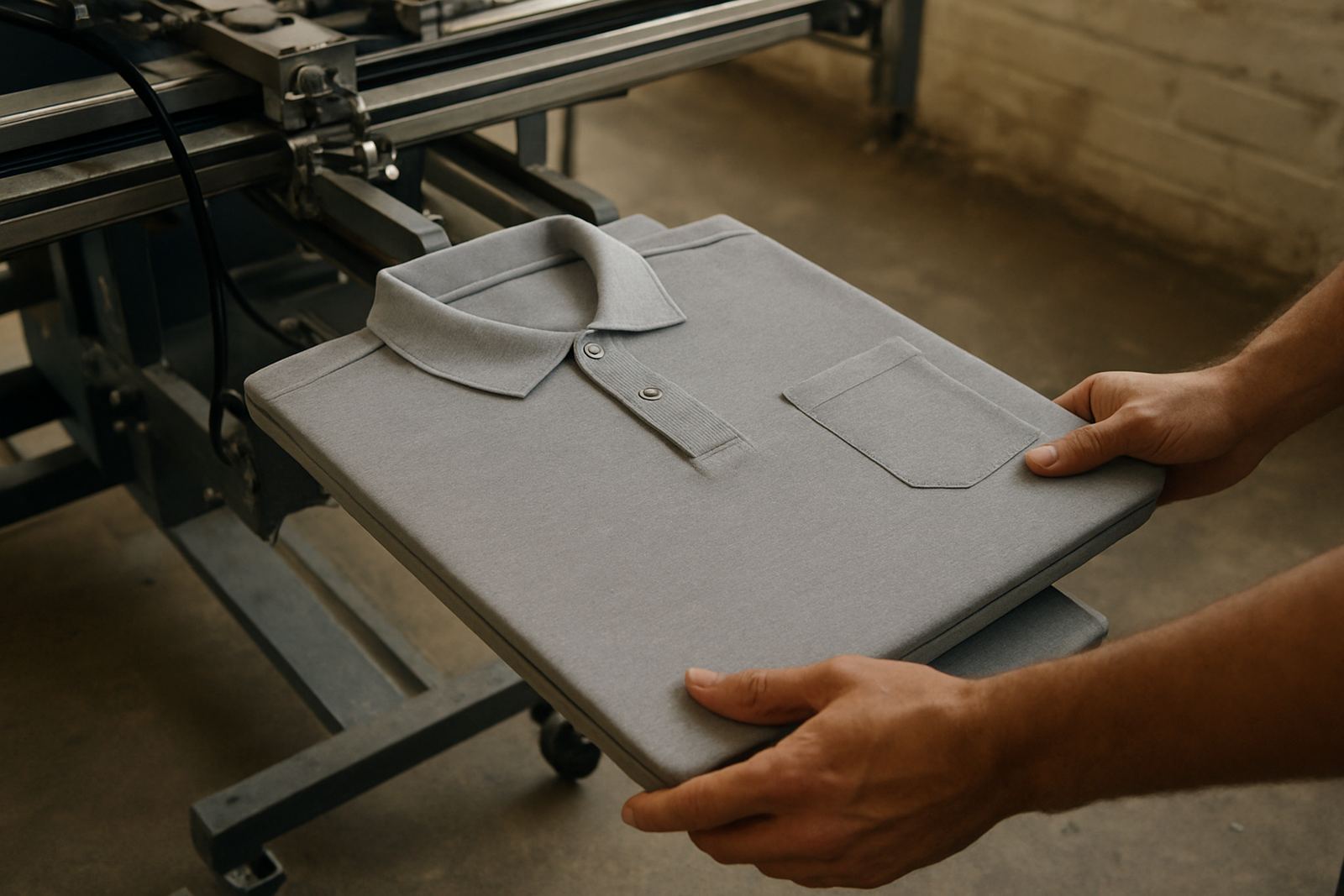
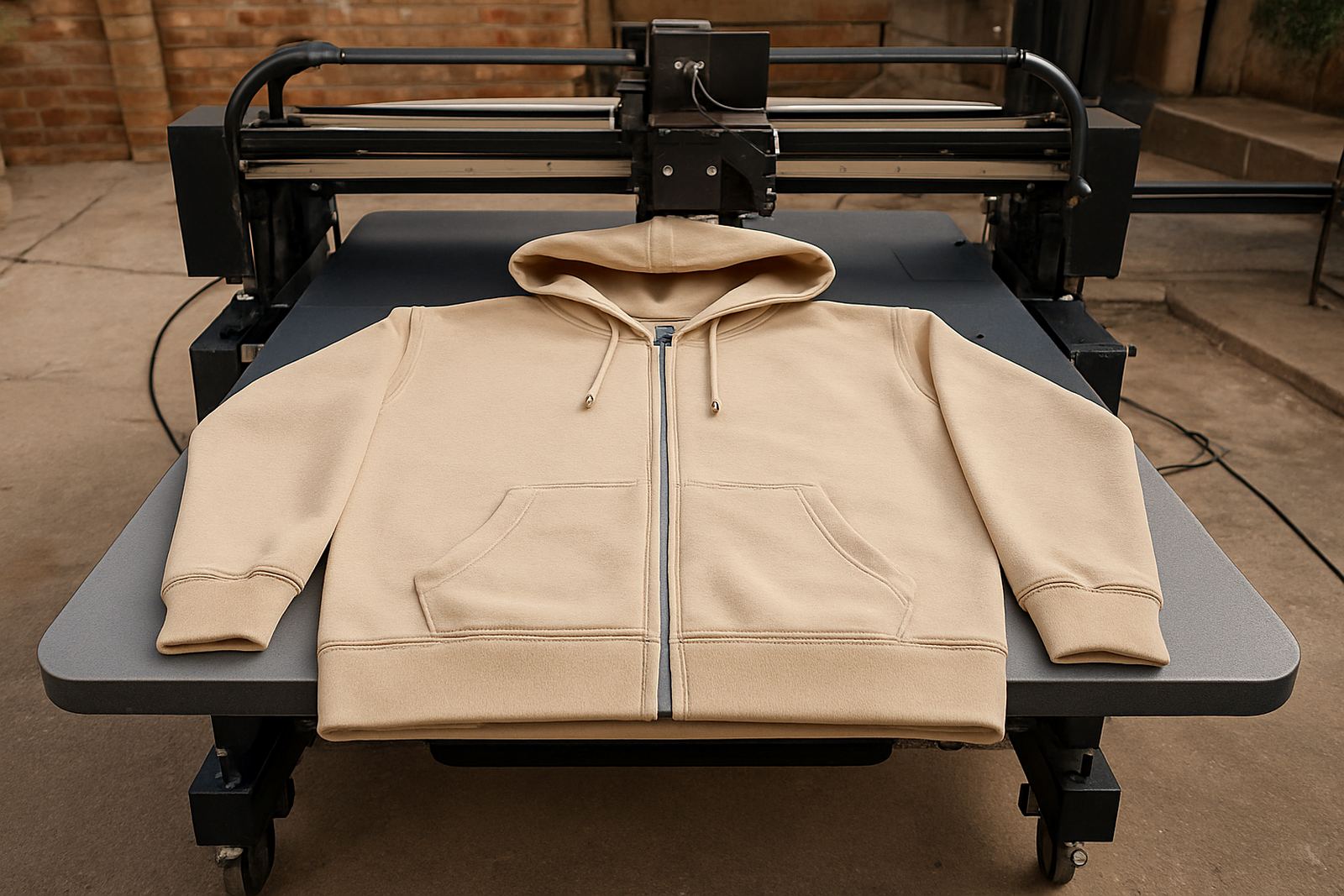
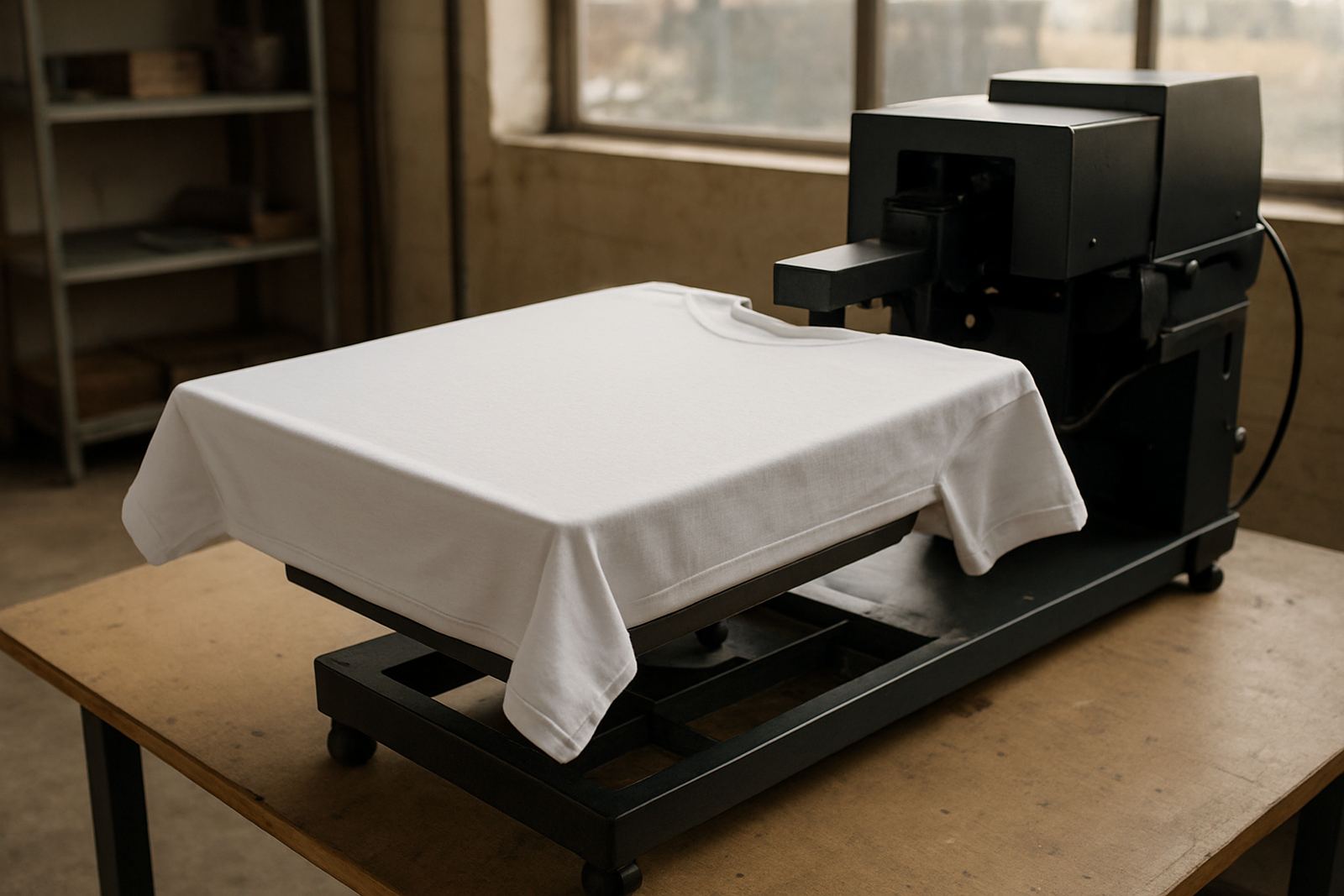
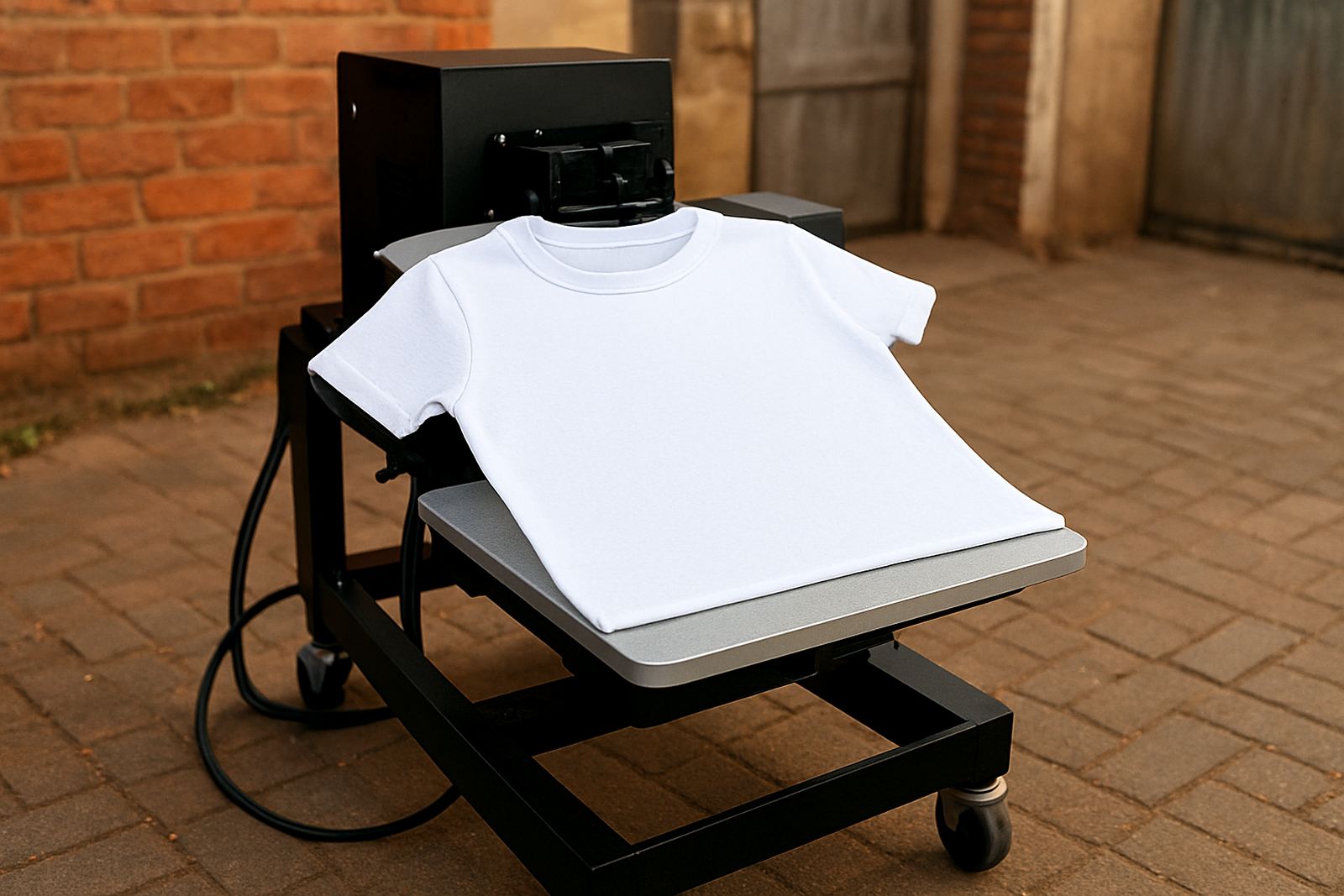
The Pet Shirt Platen is made for compact garments that do not sit neatly on a standard adult platen. Think pet shirts, small novelty tees, baby items, mini promotional pieces and garments with a narrow front panel. The platen gives you a defined print zone so the fabric stays where it should, instead of shifting during loading or under the print head.
For printers in Johannesburg, Pretoria East or Durban, this matters when you are doing mixed garment orders and need repeatable placement across different fabric types. The smaller surface also helps reduce excess fabric movement, which can be a problem on lightweight blends and stretch knits. It is a practical option for shops doing custom work, sample runs or seasonal petwear orders.
Because the support area is compact, it is easier to manage alignment on garments with short body lengths and narrow chests. That makes it useful for businesses that want cleaner results on small items without having to fight oversized platens or awkward garment folds.
Sizes And Configuration Options
DTGrip supplies this platen in practical sizes suited to the garment type and the artwork area you need to cover. The exact fit depends on the collar opening, chest width and how much of the shirt must sit on the platen without stretching the seams. A good setup should support the front panel while leaving enough clearance for loading and unloading.
- Compact print area for pet shirts and other small apparel
- Suitable for short body lengths and narrow chest panels
- Can be selected to suit front chest prints or small back placements
- Works with controlled positioning on light and medium garments
- Useful for test pieces, sample approvals and limited edition runs
When ordering, check the flat garment dimensions, not only the label size. A small garment from one supplier may fit very differently from another. In practice, the best choice is the platen that gives you enough support for the print zone while still allowing the shirt to slide on and off without snagging at the seams.
Where This Platen Fits In Your Production
This platen suits print shops that handle pet clothing, novelty items, boutique apparel and customised gifts. It is a sensible fit for businesses in Sandton, Randburg, Midrand and the East Rand that want to expand into smaller apparel without buying a full new setup. For stores and workshops serving grooming salons, gift shops or local fashion labels, the platen helps keep production neat and repeatable.
It is also helpful for shops that do sample testing before bulk production. Small garments often show alignment issues very quickly, so a stable platen can save time during approval runs. If your shop does seasonal work, such as festive pet shirts or event merchandise, the platen gives your operators a faster way to load and print short batches.
For coastal areas like Durban, the controlled support is useful on fabrics that pick up moisture during humid weather. Better fabric control means fewer wrinkles, less movement and more consistent print placement, which is important when you are working on small print windows and short turnaround times.
- Pet apparel and animal-themed novelty garments
- Small fashion items and custom retail pieces
- Sample batches and short-run promotional work
- Boutique printing for markets, gifting and seasonal ranges
Installation, Setup And Power Needs
The platen itself does not need its own power supply or gas connection. It is a mechanical accessory that mounts to the printer carriage or platen system, depending on the machine setup. What matters is correct fit, secure installation and a level print path. If the platen sits too high or too low, you can get head strikes, poor ink laydown or uneven curing results.
Installation should be done with the printer switched off and the machine properly supported. A trained operator should check carriage clearance, platen height and lock points before production starts. On some printers, the platen may require a quick alignment check after fitting, especially if you change between platen sizes during the day. That is common in shops that do mixed work and need to swap setups between adult shirts and pet garments.
If your workshop deals with load-shedding, the platen is still useful because it does not depend on mains power. It is simply one part of a controlled workflow. The more important point is making sure your printer, pretreatment process and curing system are all properly managed so you are not losing time on rework when power comes back on.
Pretreatment, Printing And Surface Control
For DTG work on small garments, pretreatment and print placement go hand in hand. A pet shirt platen helps create the flat support you need, but the fabric still has to be prepared correctly. If the shirt is too loose on the platen, pretreatment can pool at the edges or soak unevenly into the weave. If it is too tight, the garment may distort once it is removed.
Use the platen as part of a simple, repeatable workflow. Load the garment square, smooth out the chest area, apply pretreatment evenly and keep a consistent print order. For operators handling different fabric blends, a small platen can make it easier to see where the image will land and to keep the print centred. That is especially useful on pet garments where the artwork area is often narrow and the neckline sits close to the print zone.
- Check fabric weight before choosing pretreatment amount
- Keep the garment centred to avoid crooked prints
- Press or flatten where needed before loading
- Test on new fabric types before committing to a batch
Care, Servicing And Daily Checks
The platen should be kept clean, dry and free of residue. Pretreatment overspray, lint and ink build-up can affect garment seating over time. Wipe the surface after use and inspect the edges for wear, especially if the platen is used for daily short-run production. In busy workshops, a quick check before the first job of the day can prevent a lot of avoidable problems.
It is also worth checking the mounting hardware regularly. Small fittings can loosen during repeated changeovers, and that can affect print consistency. If your operation runs in a humid area or near the coast, store the platen in a dry place when it is not in use. Moisture can affect the finish and make loading less predictable on fine fabrics.
For shops that use multiple platen sizes, label each one clearly and keep a simple changeover routine. That helps operators move between jobs without confusion. If the platen starts to show uneven loading, or if prints begin drifting off centre, it is time to inspect the mounting and workflow before the issue becomes a repeat fault.
What To Check Before You Order
Before placing an order, confirm the garment type, target print size and the printer model the platen will be used on. The best result comes from matching the platen to the way your shop actually works, not just the garment label. If you print mostly pet shirts, the chest area and neckline shape matter more than the general size alone.
Also check whether you need one platen for a single product line or several for a mixed production floor. A shop in Crown Mines that runs samples, boutique orders and promotional work may need more than one setup so operators can switch quickly. If you are planning to scale production, it helps to assess your daily garment count, your pretreatment routine and how often you change artwork position.
- Garment dimensions and collar opening
- Expected print area and artwork placement
- Printer compatibility and mounting style
- Current workflow, including pretreatment and curing
- Whether you need one platen or several for different jobs
If you need help choosing the right option, use the enquiry form on the contact page and tell us what garments you are printing, how many per day and what machine you are working with. That gives us enough detail to point you toward the most suitable setup for your shop.
Key facts
| Product type | Pet shirt platen for DTG garment support |
|---|---|
| Use case | Small pet apparel, novelty runs and sample pieces |
| Support style | Flat, controlled loading surface for compact garments |
| Power requirement | No direct power or gas needed |
| Installation | Mounts to compatible printer setup with height and clearance checks |
| Typical applications | Pet shirts, small fashion items, promotional novelties and test runs |