What the Oversized Platen is used for
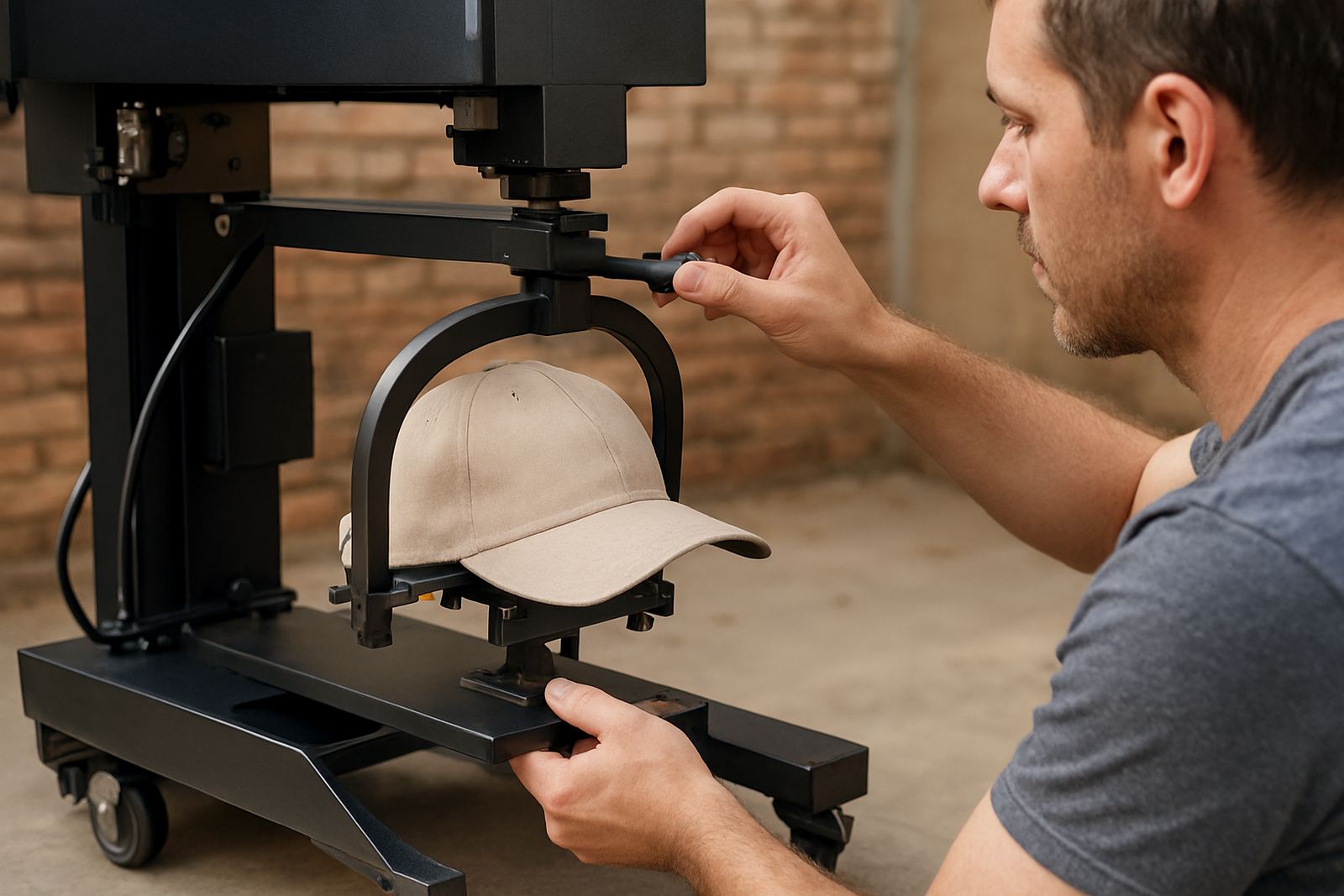
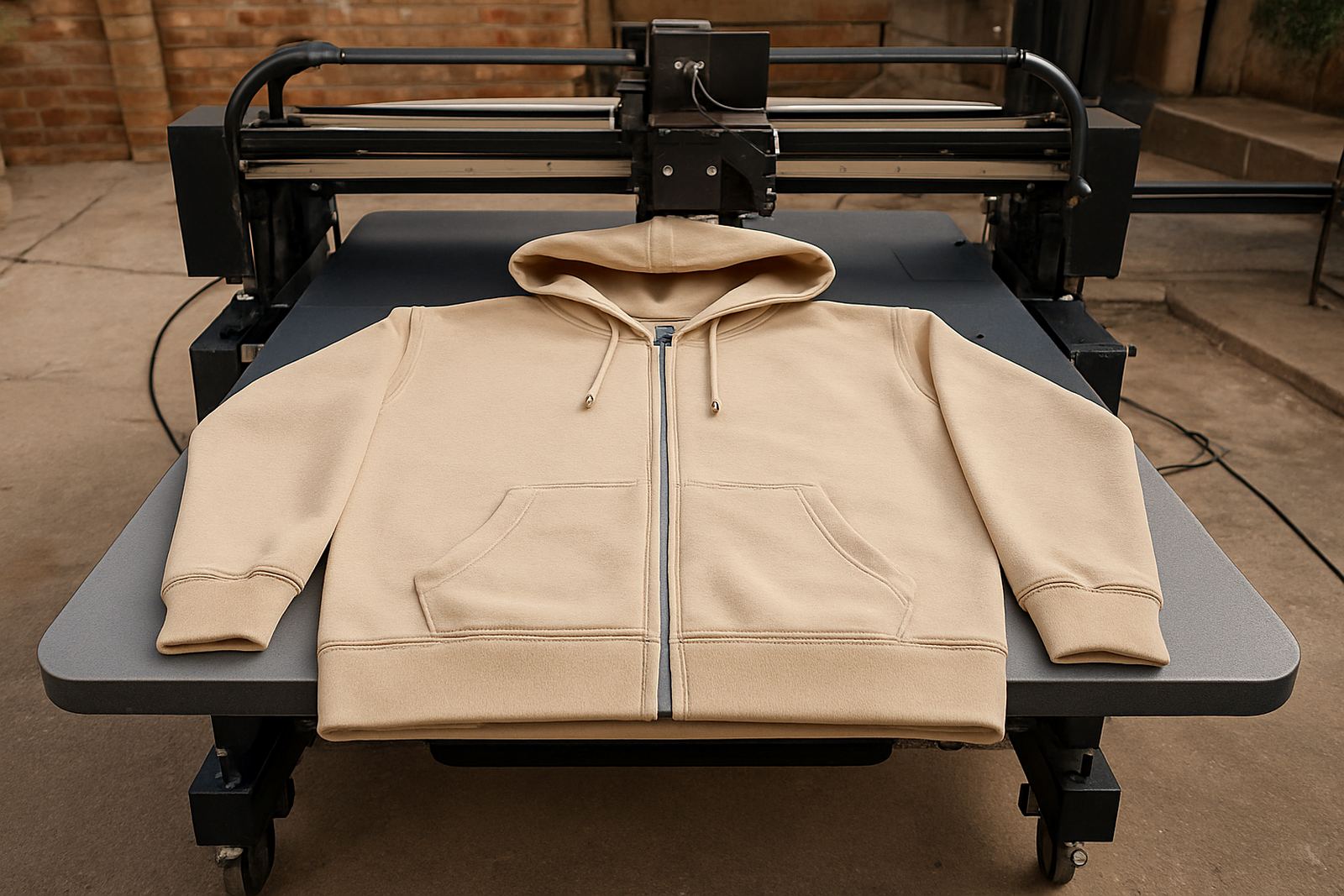
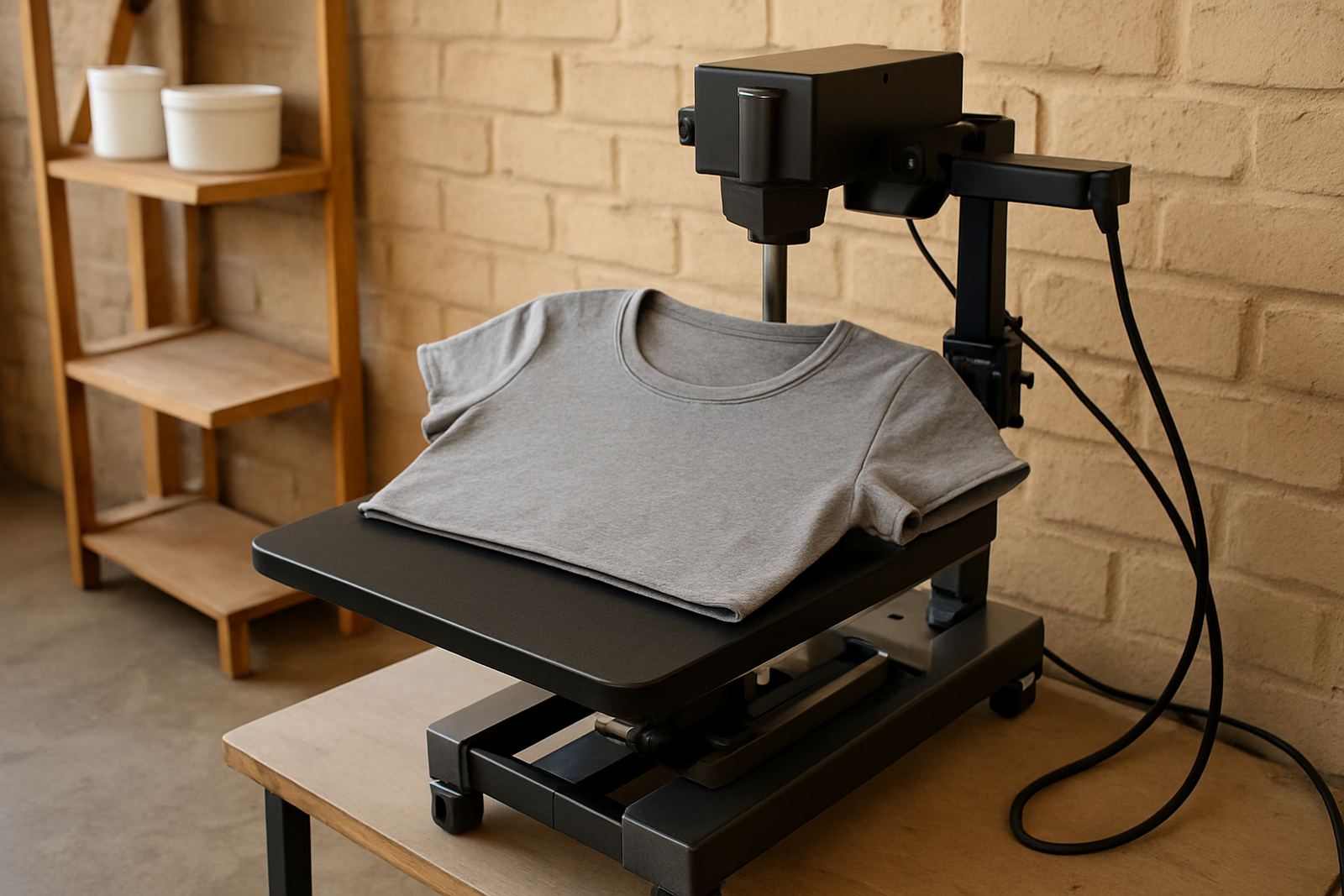
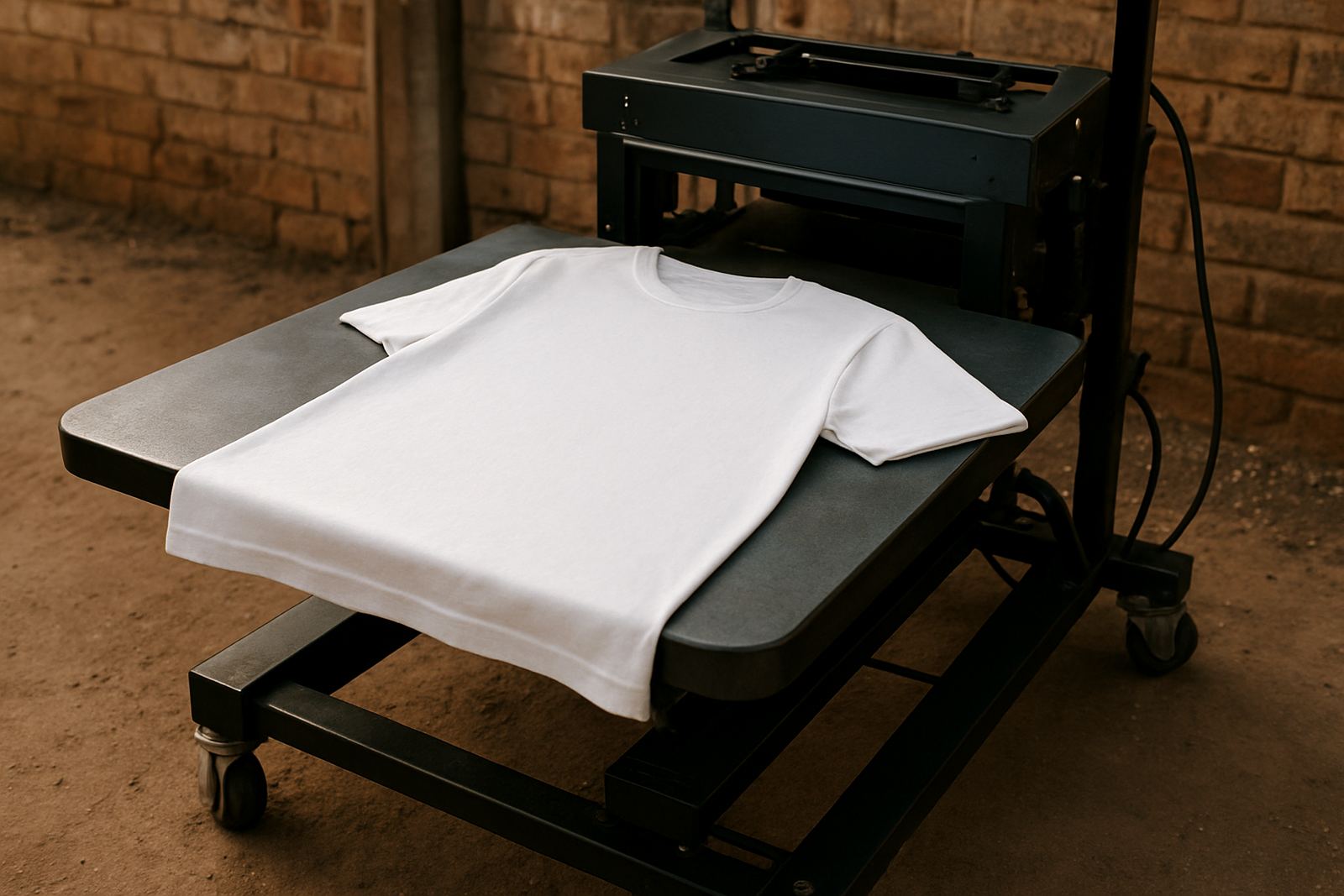
The Oversized Platen is a larger garment support surface used with direct-to-garment printing when the print area needs more room than a standard platen allows. It helps keep the fabric flat, steady and positioned correctly while you print across wider chest areas, lower hems, extended artwork or fashion cuts with unusual proportions.
For shops handling branded tees, oversized streetwear, promotional wear and custom fashion runs, this platen makes it easier to keep the print zone consistent from job to job. It also reduces the chance of fabric sagging or shifting during setup, which matters when you are running multiple orders and need each piece to sit the same way on the machine.
In practice, this is the kind of platen that helps when a garment is simply too large for the usual workflow. It gives you more working room, cleaner registration and better control when the design needs space. If your team is producing large graphics on heavier garments or special cuts, the bigger surface can save time at the press and reduce rework.
Available sizes and setup options
DTGrip supplies oversized platen options to suit print shops that need more print area without making the workflow awkward. The exact size depends on the garment type, press format and the kind of artwork you run most often. Common uses include wide front prints, elongated back prints and larger fashion blanks.
- Oversized print area for wide garment panels
- Flat support for heavier cotton and blended fabrics
- Suitable for larger youth, adult and special cut garments
- Works with repeat jobs where alignment must stay consistent
- Can be matched to your shop’s current pretreat and curing workflow
When choosing a size, think about the widest garment you print, the amount of clearance you need around seams and the way your operators load garments on the day shift. A platen that is too small can slow the team down, while one that is too large may feel awkward on the machine. We usually recommend matching the platen to your actual production mix, not just the biggest item you hope to print once in a while.
Where it suits best in South African print shops
This platen suits garment decorators who print fashion basics, event clothing, merch drops, schoolwear and retail apparel. It is especially useful where the artwork is bold, wide or positioned off centre. Shops in Johannesburg, Pretoria East, Randburg, Midrand, Sandton, Centurion, the East Rand and Durban often use larger platens for mixed production, where one day is standard tees and the next is oversized pieces for a campaign.
It also helps when your work includes thicker cotton hoodies, heavyweight tees and garments that need a bit more handling room before printing. If your team produces for a clothing label or a promotional client with a strict visual layout, a bigger platen gives you cleaner placement and better repeatability. That matters when a client wants 100 units all sitting the same, not 100 slightly different garments.
- Fashion labels with oversized artwork
- Promo shops printing larger front or back graphics
- Custom apparel businesses with mixed garment sizes
- Printing teams handling frequent repeat orders
- Shops needing better control on wide or awkward blanks
Installation, power and workflow checks
Installation is usually straightforward, but the platen should be fitted properly so it sits level and does not shift during the print cycle. A clean mounting setup matters, especially where operators change platens often during the day. If your machine is already used for multiple garment sizes, it helps to confirm the fit before the busy run starts, not after the first dozen pieces.
No separate gas supply is needed for the platen itself. For the wider workflow, make sure your print room has enough space around the machine for loading, unloading and curing. If you work in a load-shedding area, plan for stable power back up for the printer and curing equipment because a print job can be ruined quickly if the press or printer drops out mid run. That is a hard lesson most shops in Gauteng learn early.
- Check platen fit and level before first use
- Allow space for operator movement and garment loading
- Keep the print room dry and free of loose lint
- Use stable power support during printing and curing
- Plan around your current pretreat and heat workflow
Care, cleaning and servicing between jobs
Like any production tool, the Oversized Platen lasts longer when it is kept clean and handled with care. Wipe away pretreat overspray, lint and adhesive residue as part of your daily close down. If fabric build up sits on the surface, it can affect how the next garment lies on the platen and may lead to slight movement during printing.
In humid coastal conditions, especially in places like Durban, it is worth checking for moisture related issues if the platen is stored in a back room or near open loading bays. In dry inland areas like Johannesburg, dust and lint are usually the bigger problem. Either way, a simple cleaning routine and regular inspection of the mounting points will extend service life and keep the surface ready for the next run. A little routine care goes a long way, and saves headaches later.
If the platen starts to show wear, uneven seating or loose fittings, it should be checked before the next production batch. Shops that run several shifts or seasonal rushes often benefit from a scheduled servicing routine, especially when the same machine is used for different garment types throughout the week.
What to confirm before you place an order
Before ordering, check the garment sizes you print most often, the maximum artwork area you need and the press model you are using. It helps to measure the widest pieces in your current range and compare that against the available platen size. If your team prints fashion garments with unusual seams or extended panels, mention that in the enquiry form so the right option can be matched to your workflow.
You should also consider how your operators work. If one person loads the machine while another handles pretreat, the platen size should support that rhythm without slowing the line. Shops scaling up production may want to review their whole process, from sample testing through to final alignment, so the platen choice fits the rest of the shop and not just the printer by itself.
- Largest garment size you print regularly
- Typical artwork placement and print width
- Press or printer model in use
- Operator workflow and loading space
- Need for onsite support, sample testing or training
For new shops and established production rooms alike, the right oversized platen can make daily work calmer and more repeatable. If you are planning seasonal reconfiguration, production scaling or a new shop layout, it is worth checking the platen choice early so the rest of the setup follows properly.
Key facts
| Product type | Oversized garment platen for DTG printing |
|---|---|
| Use | Wide print zones, fashion pieces and bold graphics |
| Material handling | Supports larger cotton, blended and heavyweight garments |
| Installation | Mounts to compatible printer setup with level alignment |
| Power | No separate power or gas supply required |
| Support | Platen installation, print alignment help and workflow review available |